
Switching to house blend beans saves you money, ensures consistent flavor, supports ethical sourcing, simplifies brewing choices, and offers customizable roast profiles you trust for everyday quality and predictable results.
Key Takeaways:
- House blends offer a consistent, balanced flavor profile tailored for everyday drinking.
- Roasters roast house blends to order, providing fresher beans and better value than many single-origin options.
- House blends perform well across drip, pour-over, espresso, and French press, simplifying brewing choices at home and in cafés.
The Evolution of the House Blend Philosophy
House blends represent a deliberate philosophy that rewards your familiarity: consistent balance, predictable aromas, and a steady sweetness that ties morning cups together while reflecting a roaster’s ongoing refinement.
From Commodity Coffee to Artisanal Blending
Blending shifted commodity coffee into artisanal practice you can appreciate: roasters now select complementary origins and roast points to ensure the cup you expect – stable acidity, cohesive body, and repeatable flavor across batches.
The Science Behind the Roaster’s Signature Profile
Heat management and roast timing drive the chemical changes you taste; precise control of Maillard reactions and sugar caramelization lets roasters dial fruit, caramel, and bitterness into a repeatable signature.
You can see how bean density, development time, and airflow choices influence extraction; roasters log profiles, cup test repeatedly, and adjust curves until the blend performs reliably across brew methods.
Reason 1: Superior Flavor Equilibrium
House blends are formulated so you get a steady, well-balanced cup that highlights both brightness and depth without abrupt shifts in flavor.
Consistent roast profiles mean you can rely on the same satisfying interplay of acidity and body every morning, helping you focus on tasting rather than troubleshooting the brew.
Balancing Bright Acidity with Richer Base Notes
Blends let you enjoy lively citrus or floral acidity while a darker base bean smooths the finish, so you still perceive clarity without sharpness.
Combining complementary origins gives you a coherent mid-palate and a comforting base, enabling each sip to feel complete rather than disjointed.
Achieving a Multi-Layered Sensory Experience
Layers of flavor unfold as you sip, revealing fruit, nut, and chocolate notes in sequence so you continuously discover new facets in a familiar cup.
Crafted blends deliver harmonious contrasts between aroma, acidity, and mouthfeel, allowing you to detect subtle changes across temperature and extraction.
Experiment with grind and brew time to highlight specific layers; you can draw forward floral brightness, enhance caramel sweetness, or deepen the long, chocolaty finish to suit your palate.
Reason 2: Unrivaled Consistency and Reliability
Consistency gives you the same cup every morning, so your ritual stays familiar whether beans come from new harvests or blended reserves; see the trade-offs in House Blend vs. Single Origin Coffee: Which Is Better?.
Roasters tune blends to hit target flavors, ensuring you won’t face sudden shifts in acidity or body when single-origin lots change, which makes storing, dosing, and repeatable brewing simpler for your daily routine.
Mitigating the Volatility of Seasonal Harvests
Seasonal harvests swing in quality and availability, and blends let roasters swap components so you don’t encounter abrupt taste or price swings that disrupt what you expect from each bag.
Ensuring a Predictable Daily Brewing Ritual
Routine brewing benefits when you can expect identical grind settings and extraction times; blends hold those parameters steady so you dial in once and brew reliably each day.
You save time and waste because fewer adjustments mean less guesswork, fewer discarded shots, and consistent results whether you’re using a home espresso machine or a pour-over.
This consistency lets you focus on technique and enjoyment instead of chasing flavor shifts, so your cups reflect your skill rather than the fickleness of a single-origin lot.
Reason 3: Versatility Across Diverse Extraction Methods
House blends adapt to espresso, drip, French press and cold brew, so you can rely on one bag for multiple brews without constant swaps.
You save time and cupboard space while maintaining consistent flavor profiles across machines and techniques.
Performance Excellence in Espresso and Filter
Consistency in roast and bean selection lets you dial espresso shots and filter brews with predictable sweetness, acidity and body.
Dialing your grind and dose on a house blend usually yields steady crema and extraction, helping you nail both bright pour-overs and dense espresso with fewer adjustments.
Retaining Character When Combined with Milk
Milk often mutes delicate notes, yet a balanced house blend preserves chocolate, nut and fruit tones so you still taste origin and roast when sipping lattes or cappuccinos.
Balance between sweetness and acidity allows you to pair milk without losing clarity, keeping the cup layered instead of flattened.
Try adjusting your milk temperature and ratio to highlight the blend’s fruit brightness or caramel backbone, and you’ll find subtle nuances remain even in milk-forward drinks.
Reason 4: Exceptional Value for the Daily Connoisseur
House blends give you consistent quality without premium prices, so you can enjoy a full-flavored cup every morning while keeping weekly coffee costs predictable.
Savings accumulate when you brew at home, letting you invest in better equipment or explore specialty releases without stretching your budget.
High-Quality Taste at a Sustainable Price Point
Taste-focused blending delivers balanced acidity, sweetness, and body in each bag, so you don’t sacrifice flavor when selecting an affordable daily option.
Strategic Sourcing for Consistent Affordability
Sourcing strategies pool beans from dependable regions and harvests, allowing roasters to secure steady supply and pass predictable, lower costs on to you without altering the roast profile.
Partnerships with cooperative growers, long-term contracts, and flexible blending enable roasters to smooth price swings, so you benefit from consistent pricing and familiar flavor notes every purchase.
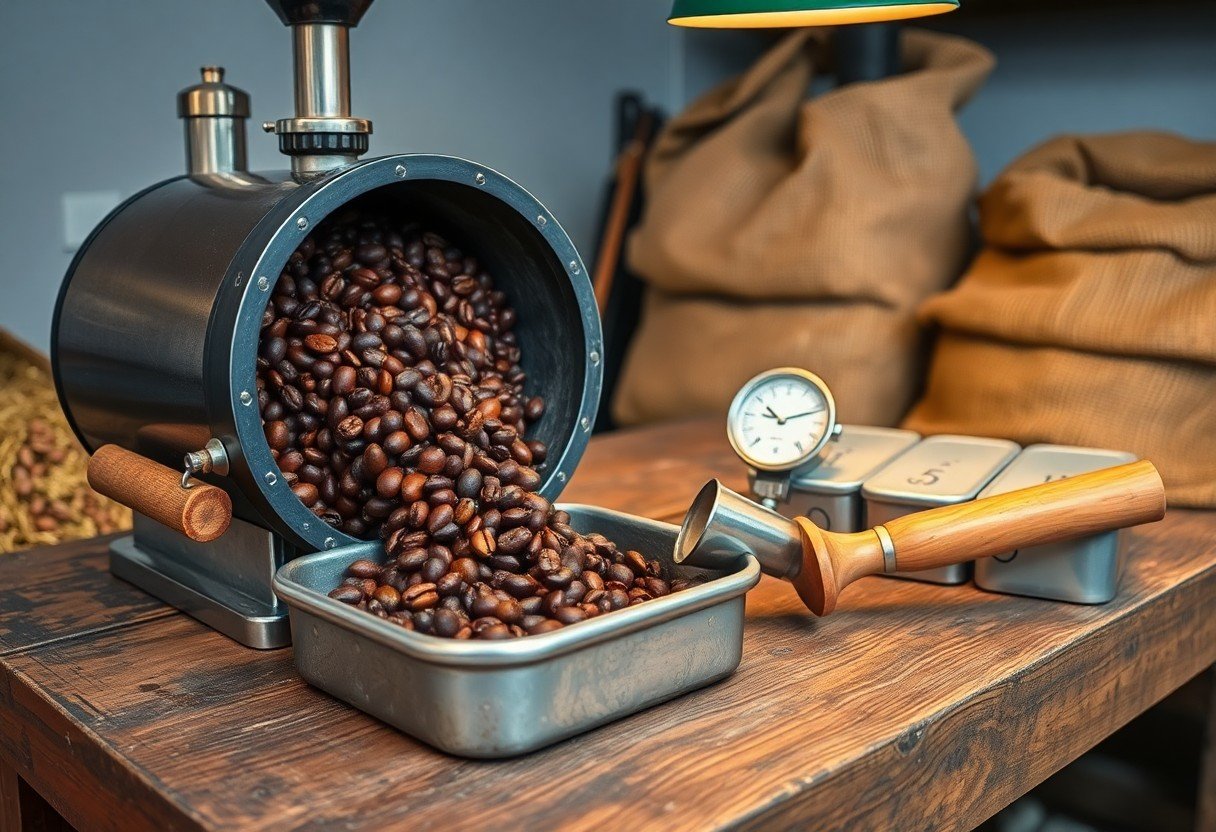
Reason 5: Connection to Roasting Craftsmanship
You can taste the roaster’s decisions in a house blend: deliberate balance, consistent profile, and tweaks that only years of trial produce.
Roasters craft blends to highlight technique, giving you a cup that reflects roast profile mastery instead of a single-origin experiment.
Supporting the Artistic Vision of Local Roasters
Local roasters pour their artistic vision into a house blend, and when you buy it you support recipes that balance flavor, seasonality, and the roaster’s signature approach.
The House Blend as a Mark of Technical Skill
Blends often serve as the roaster’s technical statement, so you can judge consistency in roast level, acidity control, and body across multiple harvests.
When you taste repeatedly, subtle roast adjustments reveal themselves and you appreciate the precise control behind cup consistency.
Final Words
You choose house blend beans because they deliver consistent flavor, cost-effectiveness, and a tailored balance that fits daily brewing. You gain reliable sourcing and roast profiles that preserve both bright acidity and smooth body, letting you enjoy variety without sacrificing a dependable cup every morning.
FAQ
Q: What are the five reasons coffee lovers are switching to house blend beans?
A: House blends deliver consistent flavor profiles, predictable roasting results, and balanced cup characteristics that suit everyday drinking. Many blends offer better value because roasters combine beans to control cost without sacrificing taste. Blends perform well across multiple brewing methods, making them versatile for home and commercial use. Some roasters prioritize traceable sourcing and sustainable practices when creating a signature blend, which appeals to ethically minded drinkers. Frequent small-batch roasting of house blends keeps stock fresh and encourages higher turnover, so customers often get fresher coffee.
Q: How do house blends provide more consistent flavor than single-origin beans?
A: Roasters design blends by combining beans with complementary acidity, body, and sweetness so the final cup stays stable from batch to batch. Quality control and cupping allow roasters to adjust proportions and roast profiles to maintain a target flavor profile even when harvests vary. Blends mask extreme variability from a single lot, which reduces surprising off-notes in brewed coffee. Regular sensory evaluation helps ensure customers receive the same expected taste over time.
Q: Do house blends cost less than single-origin coffees?
A: Blends can be more economical because roasters mix higher-priced lots with more affordable components to hit a price point while keeping flavor. Purchasing blended lots in volume often lowers sourcing costs, and that saving can be passed to consumers. Cost advantages depend on roaster strategy and ingredient quality, so some premium house blends remain priced similarly to single-origin offerings. Comparing price per pound and tasting notes helps identify true value.
Q: Are house blends suitable for all brewing methods?
A: Many house blends are crafted specifically to perform well across espresso, pour-over, and drip methods, offering a balanced profile that extracts reliably. Roasters choose bean origins and roast degrees to avoid extremes that under- or over-extract under common brewing parameters. Baristas and home brewers benefit from a predictable response to grind size and brew time, which simplifies dialing in recipes. Some blends are tailored for one method, so checking roaster recommendations improves results.
Q: How do house blends affect freshness and roast quality?
A: Small-batch production of house blends often means faster turnover and fresher stock on shelves compared with large-volume commercial blends. Roasters who prioritize a signature blend will monitor roast profiles closely to keep the cup consistent, resulting in reliable quality. Packaging with roast dates and proper sealing helps maintain freshness after roasting. Asking for roast dates and storing beans correctly preserves flavor at home.
Q: Can house blends be more sustainable or traceable than single-origin options?
A: Roasters can negotiate long-term relationships with multiple producers to source components of a blend that meet sustainability criteria and traceability standards. Combining lots from verified farms or cooperatives allows roasters to build a socially responsible offering without depending on a single harvest. Some blends feature detailed sourcing notes and certifications that show ethical practices. Transparency varies by roaster, so reading sourcing information reveals how sustainable a particular blend is.
Q: What should a coffee lover look for when choosing a house blend?
A: Check roast dates and tasting notes to match flavor preferences such as chocolatey, fruity, or nutty profiles. Try sample sizes or subscription options to evaluate a blend across your preferred brewing methods before committing to larger bags. Ask the roaster about origin components, roast level, and recommended recipes to get consistent results at home. Consider price per ounce alongside freshness and sourcing transparency to determine overall value.