
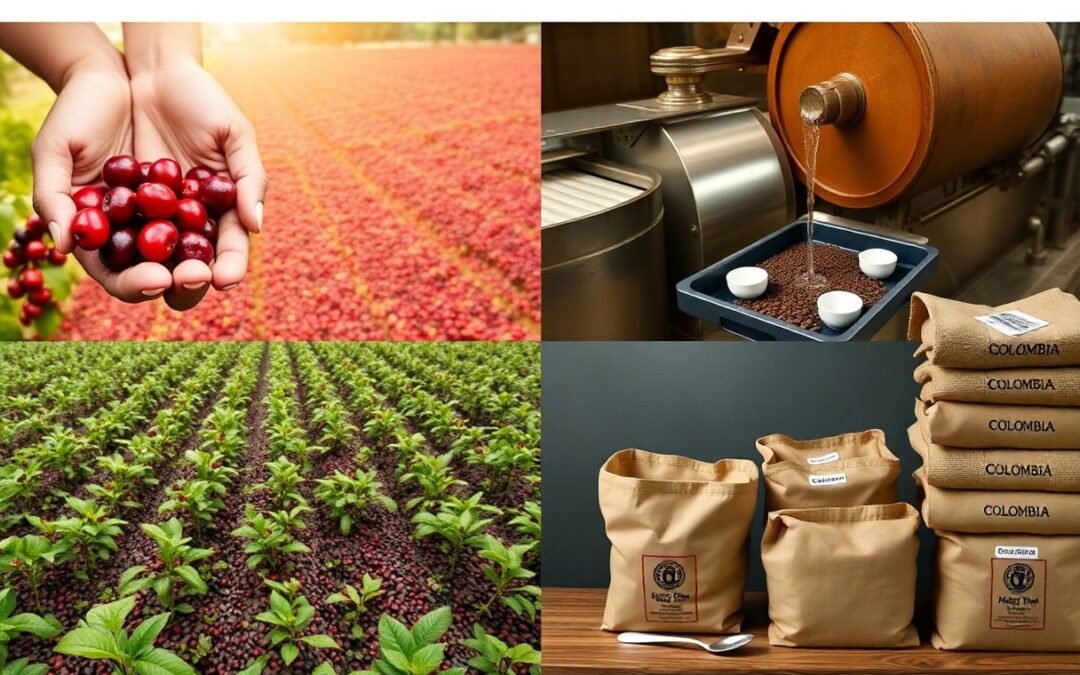
Coffee shows you how specialty subscriptions source single-origin beans, ensure transparent roasting, and deliver fresh profiles to your door while guiding brewing choices for consistent quality.
The Anatomy of Specialty Coffee
Beans reflect farm practices, processing choices and cup scores, and you taste those decisions in every brew.
Origin transparency, roast date and batch size shape freshness, so you should favor subscriptions that report those details.
Defining the SCAA Grading Standards
SCAA uses a 100-point scale where coffees scoring 80 or above are classified as specialty, and you can use that benchmark when comparing boxes.
Scoring considers aroma, flavor, aftertaste, acidity, body and balance, allowing you to read ratings and set expectations before a shipment arrives.
The Role of Terroir and Varietal Selection
Altitude and microclimate influence acidity and sweetness, which you can detect when tasting single-origin deliveries.
Soil, shade and seasonal rainfall interact to shape cup clarity and fruit notes, so you can learn to spot regional signatures.
Varietals bring genetic flavor tendencies, and when combined with processing methods you can expect pronounced differences between beans from nearby farms.
Ethical Sourcing and Direct Trade
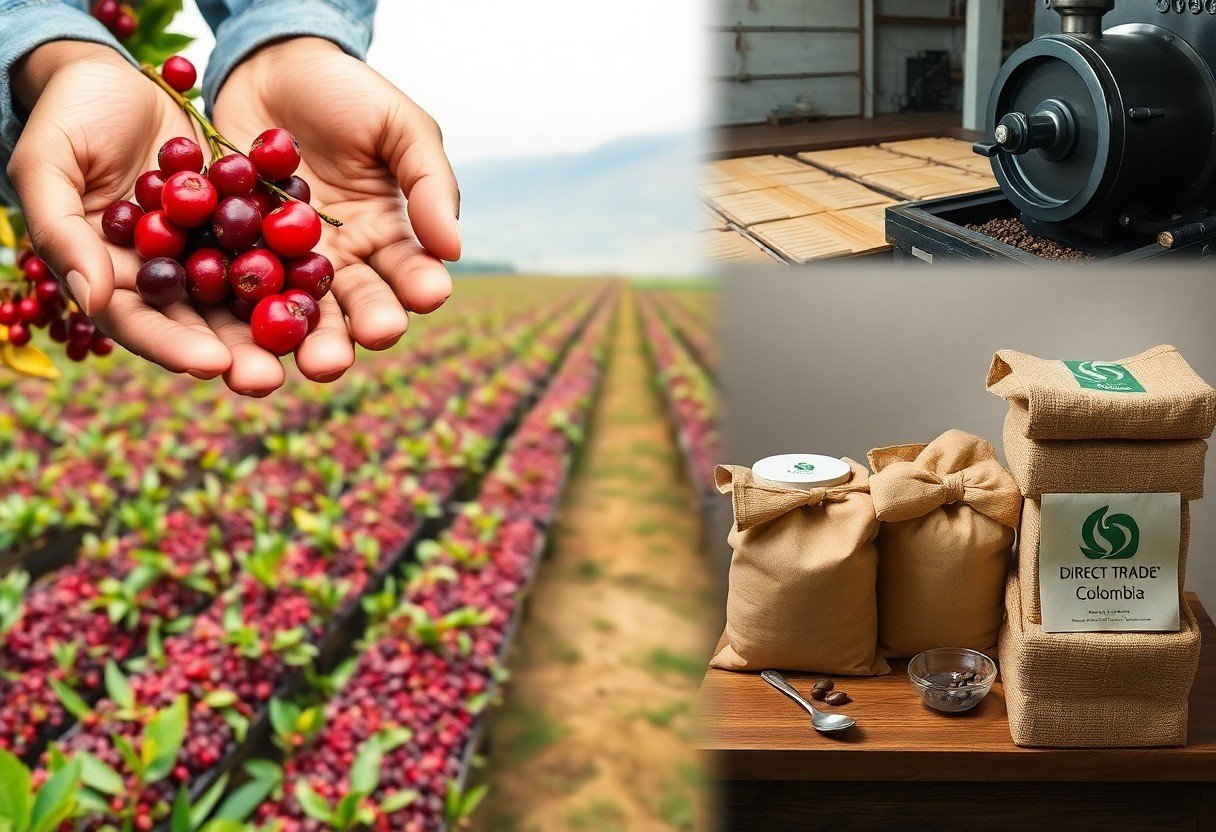
Direct relationships in specialty subscriptions let you trace beans to farms, see processing details, and understand how premiums are paid; this transparency links flavor profiles to farming choices you can support. You receive lot notes, farmer stories, and harvest dates that turn each shipment into a clear connection between your cup and the producer.
Subscribers notice the difference when roasters prioritize direct trade: you benefit from shorter supply chains, visible pricing, and targeted quality investments that reward specific practices. You become part of a purchasing model that values accountability over anonymous commodity buying.
Bridging the Gap Between Roaster and Producer
How subscriptions bridge that gap is through ongoing communication: you get regular updates, tasting notes tied to single lots, and sometimes virtual tours or messages from farmers themselves. You gain context that explains why a crop tastes a certain way and what changes made that happen.
Roasters commonly share cupping results, origin reports, and purchase terms so you see how decisions affect growers; you can track how feedback and consistent demand influence quality improvements. Your subscription choices send clear market signals back to the farm.
Impact of Premium Pricing on Farming Communities
Premium pricing in subscription models can increase farmer income when you accept higher costs for traceable, high-quality lots; you directly support investments in processing, equipment, and worker pay that improve long-term output. You help create incentives for better farming practices.
Higher prices do not automatically reach every worker or household, so you should look for transparency about price distribution, cooperative structures, and contract length to verify impact. You can prioritize subscriptions that show clear returns to farming communities.
Longer-term subscriber commitments allow farmers to plan and invest in resilience measures you care about, such as reforestation, irrigation, or varied cropping strategies that reduce climate risk and raise yields over seasons.
The Science of the Roast
You can trace flavor through roast curves: controlled heat triggers Maillard reactions and sugar caramelization that shape acidity, body and aroma. For choosing a subscription that matches your roast preference, check curated comparisons like Our Favorite Coffee Subscriptions | Reviews by Wirecutter to align delivery with desired roast dates.
Profiles communicate roast milestones so you can plan brewing windows; lighter curves preserve origin clarity while darker curves emphasize caramel and chocolate notes. You should read roast dates and suggested rest periods to extract the profile roasters intended.
Precision Profiling for Micro-Lot Beans
Micro-lot batches have consistent bean density and maturity, so roasters tune curve segments to highlight single-origin florals or sugar browning. You can experiment with grind and brew to reveal those subtle distinctions from cup to cup.
Control over roast development lets you choose beans with shorter or longer development percentages, and you can match those choices to filter or espresso extraction goals for predictable tasting notes.
Preservation Techniques for Peak Freshness
Packaging choices like one-way valves, nitrogen flushing and small-batch bags give you longer aromatic life, so you can receive weekly or monthly shipments with predictable freshness. You should check roast dates and bag types when selecting a plan.
Storage at home matters: you can keep beans in an opaque, airtight container away from heat and sunlight, and grind just before brewing to preserve volatile aromatics.
Vacuum or CO2-controlled shipments reduce oxygen exposure in transit, allowing you to taste the roaster’s intended profile several weeks after roast if you follow recommended rest and storage. You can use these methods to extend peak freshness without masking origin character.
Navigating Subscription Models
Subscription models split between discovery-first boxes and staple-focused plans, so you choose based on how adventurous you are and how steady your coffee needs to be.
Curated Discovery vs. Consistent Staples
Some discovery subscriptions send rotating single-origin lots with tasting notes and producer background, letting you sample rare profiles and refine your preferences.
You can opt for consistent staples that lock in your favorite blend and grind, ensuring predictable flavor and a reliable supply for daily routines.
Customizing Delivery Frequency and Volume
Adjust frequency and bag size to match consumption patterns: weekly or biweekly for heavy drinkers, monthly for lighter use, and choose grind options tied to your gear.
Fine-tuning usually lets you pause shipments, swap roasts, or scale volumes in your account so you avoid surplus and never run out between deliveries.
The Digital Coffee Experience
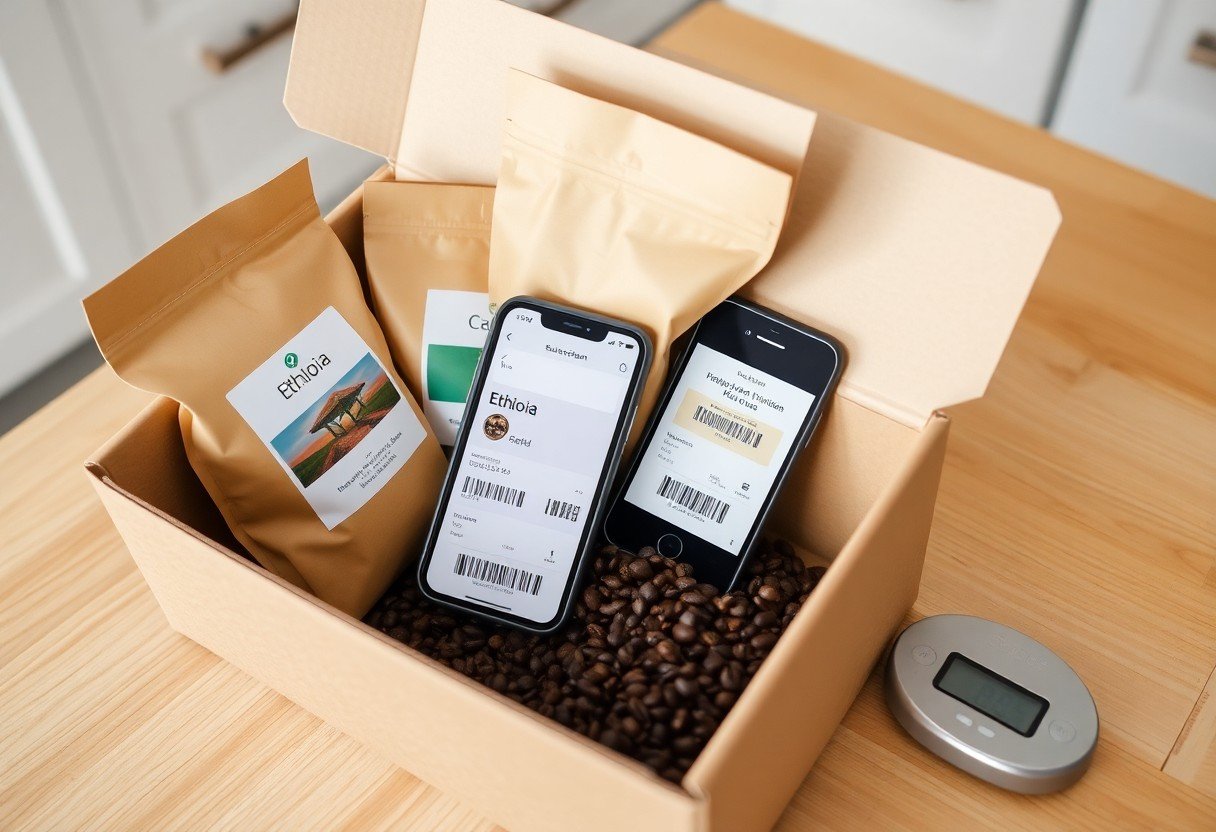
Mobile platforms consolidate subscription options, roast dates, and delivery schedules so you can manage preferences and swap beans without hunting across sites.
Delivery tracking and freshness indicators show roast-to-cup timelines, helping you pick beans that align with your brew routine and storage habits.
Utilizing Flavor Profiles and Tasting Notes
Tasting notes translate sensory descriptors into choices you can act on, guiding you toward citrusy, floral, or cocoa-forward selections that match your palate.
Educational Resources for Home Baristas
Guides and tutorial videos break down grind size, dose, and extraction so you can dial in consistent results across pour-over, espresso, and immersion methods.
Workshops and live Q&A sessions pair you with roasters and instructors who review your technique and suggest precise adjustments for your equipment and taste goals.
Sustainability in the Supply Chain
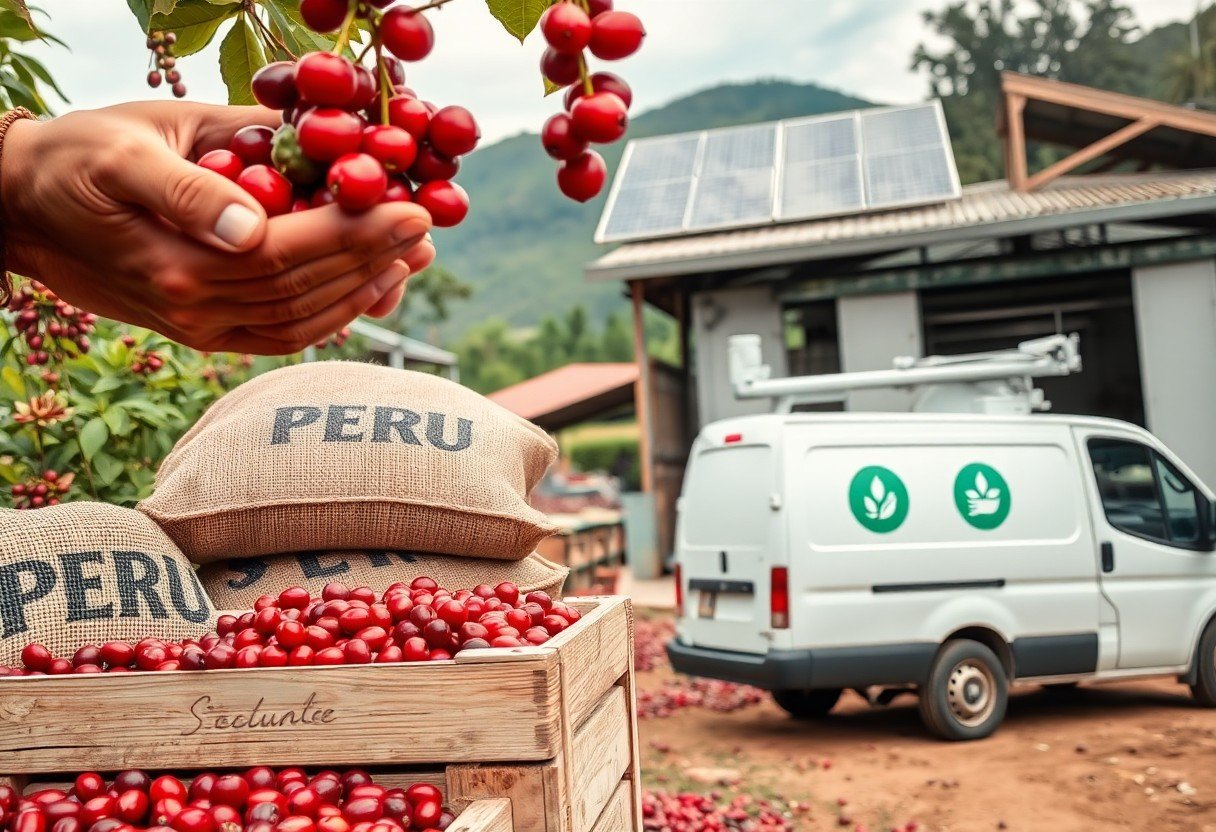
Sustainability often starts with direct relationships between you and origin partners, so you can prioritize subscriptions that fund agroecological practices, fair pay, and water stewardship to lower long-term environmental and social costs.
Traceability platforms give you clear provenance data and pricing transparency, enabling you to compare subscriptions by farmer premiums, processing methods, and waste-reduction commitments before you commit.
Eco-Friendly Packaging Solutions
Innovations in compostable bags, recyclable mailers, and reduced-material sealing let you receive coffee with far less plastic, and you should choose brands that include clear disposal guidance and verified claims.
Reducing the Carbon Footprint of Global Logistics
Shipping choices matter: you can reduce emissions by preferring consolidated sea freight, regional roasting, and subscription cadences that batch deliveries to lower per-bag transport intensity.
You should also favor subscriptions that publish shipping emissions, invest in verified offsets, or partner with low-carbon carriers so your monthly cup reflects measurable reductions across sourcing and last-mile fulfillment.
Final Words
With this in mind, you can use specialty coffee subscriptions to connect directly with farmers, trace origin, and select roast profiles that match your taste while supporting fair practices. You will develop a more discerning palate as each shipment teaches you flavor notes and processing influences, and you can adjust preferences to receive beans that suit your brewing method and schedule.
FAQ
Q: What does “From Farm To Cup – Inside The World Of Specialty Coffee Subscriptions” cover?
A: This series examines how specialty coffee moves from producers to consumers through subscription services. It highlights origin stories, processing methods, quality control, roasting approaches, and the supply chain factors that shape flavor. It explains subscription models, tasting guidance, and the ways transparency and long-term relationships influence what arrives in the cup.
Q: How do specialty coffee subscriptions source their beans?
A: Roasters and subscription services source beans through direct relationships with farmers, cooperatives, exporters, and importers. Many purchase micro-lots and single-origin lots to showcase unique regional characteristics, while others blend for consistency. Services frequently share origin information, lot numbers, and producer profiles to improve traceability and customer trust.
Q: How are roast profiles and freshness managed in subscription offerings?
A: Roasters roast in small batches or to order and aim to ship within days of the roast date to preserve peak aroma and flavor. Subscriptions typically let customers choose roast level and grind size tailored to specific brew methods. Packaging with one-way valves, airtight bags, and controlled shipping timelines helps maintain freshness during transit.
Q: What should I look for regarding traceability and ethical sourcing?
A: Look for clear origin labels, producer names, processing details, and published farm or cooperative stories to assess traceability. Certifications such as organic or Fair Trade add auditability, while direct-trade relationships and transparent price premiums indicate stronger commitments to producers. Reports on premiums paid, long-term purchase agreements, and investments in quality or community projects show tangible support for farming partners.
Q: Why do subscription prices vary and how do I judge value?
A: Price differences reflect origin, rarity, processing method, roast quality, packaging, and shipping costs. Single-origin micro-lots and experimental processing (natural, honey, anaerobic) often carry higher premiums than commodity blends. Judge value by cost per cup, sample options, introductory discounts, and whether the service provides roast dates, origin detail, and consistent quality control.
Q: How can I choose a subscription that matches my taste preferences?
A: Start by identifying preferred roast level and common brew methods, then use tasting notes, flavor wheels, and sample packs to refine choices. Many services offer quizzes, curated starter packs, or swap options so customers can try different origins and adjust frequency or grind. Keep simple tasting notes to track preferred origins, processes, and roast levels over time.
Q: How flexible are subscription terms for delivery frequency, skips, and cancellations?
A: Most services allow customers to change delivery cadence, skip shipments, pause subscriptions, or cancel via the account dashboard. Policies vary on cut-off times for changes, refund eligibility, and handling prepaid plans. Read the terms before subscribing and choose a provider with transparent billing and clear account controls.