
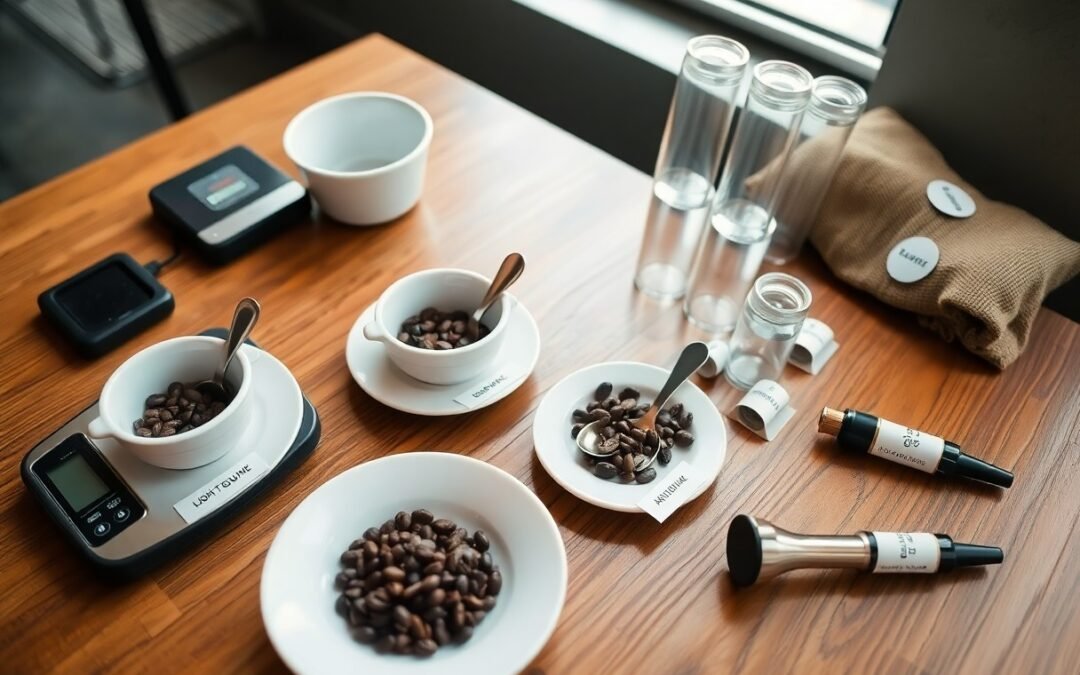
coffee house blends combine beans from multiple origins and consistent roasts so you enjoy balanced, reliable flavor and value; this guide shows what to expect and how to choose.
Key Takeaways:
- House blends combine beans from multiple origins and roast levels to create a balanced, rounded flavor profile that appeals to many palates.
- Roasters adjust bean ratios and roast profiles to produce a consistent, signature taste that performs well across espresso, drip, and French press brewing methods.
- House blends offer approachable, reliable coffee for beginners by balancing acidity, body, and aroma while often delivering better value than single-origin options.
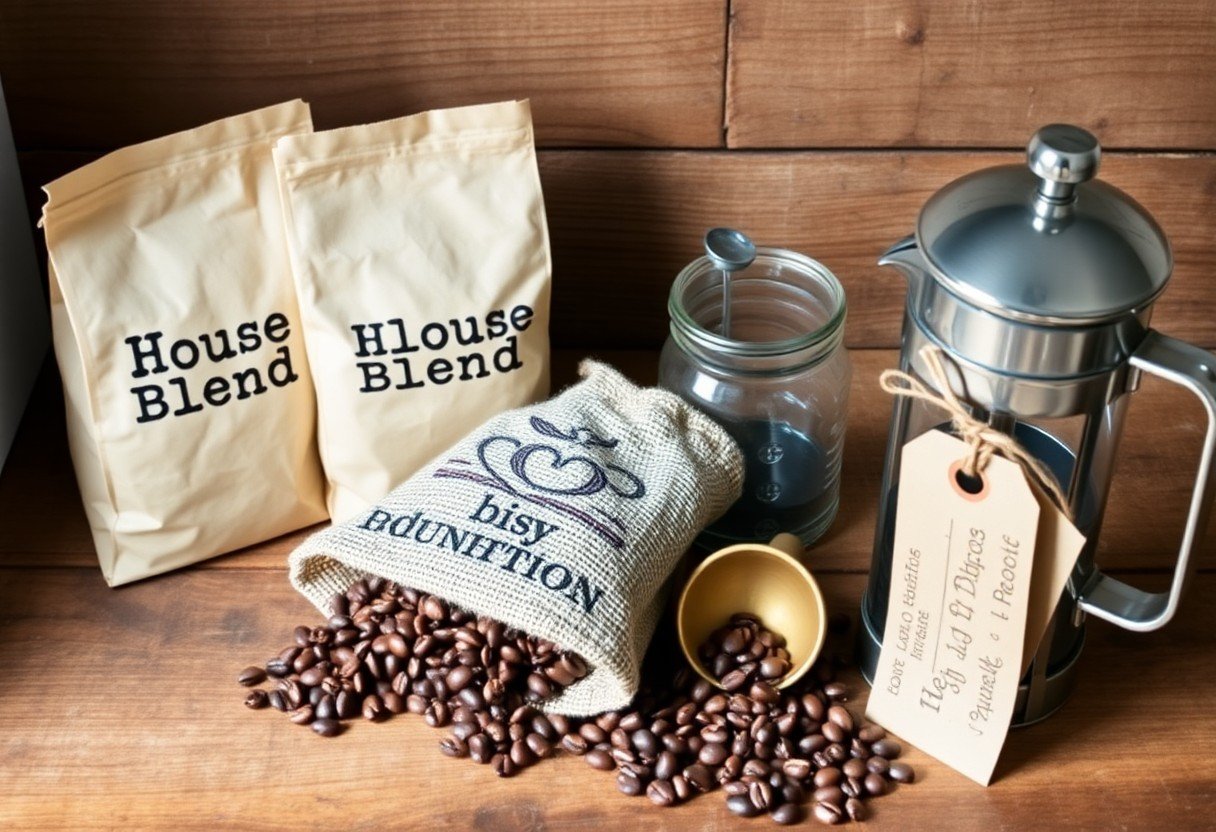
Defining the House Blend: What Sets It Apart?
House blends are crafted to deliver a dependable, recognizable cup so you can rely on familiar flavors each time you brew. You experience a consistent balance of acidity, sweetness, and body even when single-origin lots change.
Consistency comes from selecting complementary lots and adjusting roast profiles so you, the drinker, get the intended aroma and finish without surprises.
The Art of Balancing Single-Origin Components
Blenders combine beans with contrasting notes-bright citrus from Ethiopia, chocolate from Colombia-so you can enjoy layered complexity without any one origin dominating. You notice how each component highlights a different aspect of the cup.
Taste tests guide adjustments in bean ratios and roast levels, helping you identify the sweet spot for acidity, mouthfeel, and aftertaste that suits your preferences.
Why Roasters Create Signature Flavor Profiles
Roasters design signature profiles so you recognize their cup and trust its character, allowing you to choose a blend that matches your daily ritual. You benefit from a curated flavor identity that aligns with the shop’s values.
Loyalty grows when you find a house blend that fits your brewing habits and palate, and roasters refine blends over time to match what you enjoy, tweaking origins and roast points to suit how you prepare coffee at home.
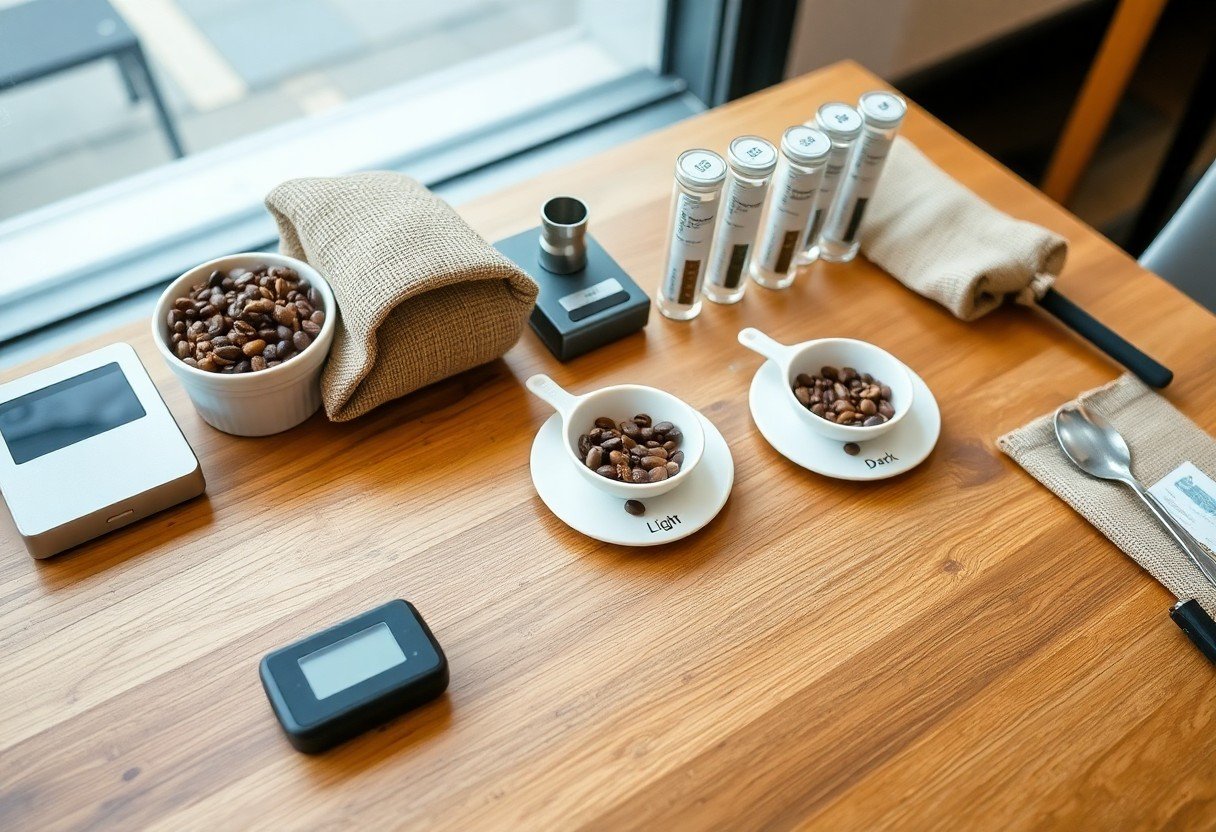
Common Types of House Blend Varieties
| Breakfast / Light | You taste bright citrus, tea-like clarity, and lively acidity that wakes the palate. |
| City / Medium | You notice balanced caramel sweetness, gentle body, and versatile drinkability. |
| Signature House Blend | You experience a mix of origins offering chocolate and nutty midnotes with moderate acidity. |
| Espresso Blend | You get concentrated body, caramelized sugars, and crema-friendly structure for milk drinks. |
| Dark / French Roast | You find smoky chocolate, toasted notes, and a full-bodied finish that stands up to milk. |
- You can pick blends for morning brightness or all-day balance.
- You may choose signature blends when you want consistency across beans.
- You will prefer darker blends if you use milk-forward recipes.
Bright and Acidic Breakfast Blends
Morning blends give you crisp acidity and floral or citrus notes that cut through milk and clear the palate for the day.
Rich and Full-Bodied Dark Roasts
Bold dark blends provide you with deep cocoa, caramelized sugars, and a heavy mouthfeel that carries through longer brews.
Roasters craft these blends so you enjoy roasted, smoky accents alongside lingering bittersweet finish without flattening the origin character.
This profile rewards you when you brew strong or use milk, as the intensity and body translate into comforting, concentrated cups.
Key Factors Influencing the Final Flavor
Balance between origin, processing, roast, and brew method shapes acidity, body, and sweetness, so you should assess each variable when refining a house blend.
- Origin and variety
- Altitude and microclimate
- Processing method
- Roast level and uniformity
- Blend ratios and freshness
- Grind and extraction
Recognizing how those elements interact lets you predict cup outcomes and adjust sourcing or roast profiles to maintain consistency.
Bean Origin and Altitudinal Characteristics
Origin determines inherent flavor seeds, and you will find high-altitude beans tend toward brighter acidity and denser structure while lower-elevation lots offer sweeter, more chocolatey notes.
The Impact of Roast Levels on Consistency
Roast level changes soluble development, so you learn to expect lighter roasts to preserve origin clarity and darker roasts to emphasize body and roast-derived sweetness.
Consistency in roast time, temperature, and cooling gives you repeatable chemistry, and you can use precise profiles to reproduce the same balance across batches.
Analyzing the Pros and Cons of House Blends
House blends give you consistent, cost-effective cups that suit everyday brewing while smoothing out extreme origin notes.
Explore the trade-offs so you can weigh reliability against the desire for standout flavors and learn more in How to Choose the Perfect Coffee Blend: A Beginner’s Guide.
| Pros | Cons |
|---|---|
| Consistent flavor profile | Less single-origin distinction |
| Approachable for many palates | Can feel generic to enthusiasts |
| Better value for daily use | Muted acidity or clarity |
| Versatile across brew methods | Fewer seasonal or unique notes |
| Predictable roasting and supply | Limited opportunity to taste varietal traits |
| Easy to dial in consistently | May not reward experimental brewing |
Advantages of Reliability and Balanced Taste
When you want a reliable cup, house blends deliver balanced acidity, body, and roast that suit most palates.
Many roasters craft these blends to remain steady across batches, so you can dial in a repeatable brew without constant adjustments.
Potential Limitations in Flavor Complexity
Some house blends downplay distinct single-origin notes, which means you may not experience the vivid, unique flavors found in single-origin beans.
You might find the middle-ground profile less adventurous if you chase bright, singular tones, so compare options and brewing methods.
Consider experimenting with roast levels or occasional single-origin purchases to keep your daily house cup reliable while exploring deeper flavor complexity.
Step-by-Step Guide to Brewing Your Blend
| Step | Action |
| Overview |
Follow a simple routine: measure 18-20g for a double, heat water to 92-96°C, and time the brew. You should use a scale and timer to keep consistency across sessions. Practice small controlled changes between brews-adjust grind, dose, or water by small increments and note tasting differences. You will refine the blend faster with short, deliberate tests. |
| Dialing in the Perfect Grind Size |
Dialing in the Perfect Grind SizeGrind size determines contact time and extraction; start medium-fine for pour-over and a bit finer for espresso. You should change one grind step at a time and taste for clarity, sweetness, or harshness. |
| Mastering the Extraction Process |
Mastering the Extraction ProcessControl brew time and agitation to steer extraction-aim for balanced yields and steady pours. You will recognize under-extraction by brightness and over-extraction by bitterness. Monitor yield and brew ratio (try 1:15-1:17) and adjust grind, dose, or temperature based on flavor. You should keep concise notes so you can reproduce successful brews. |
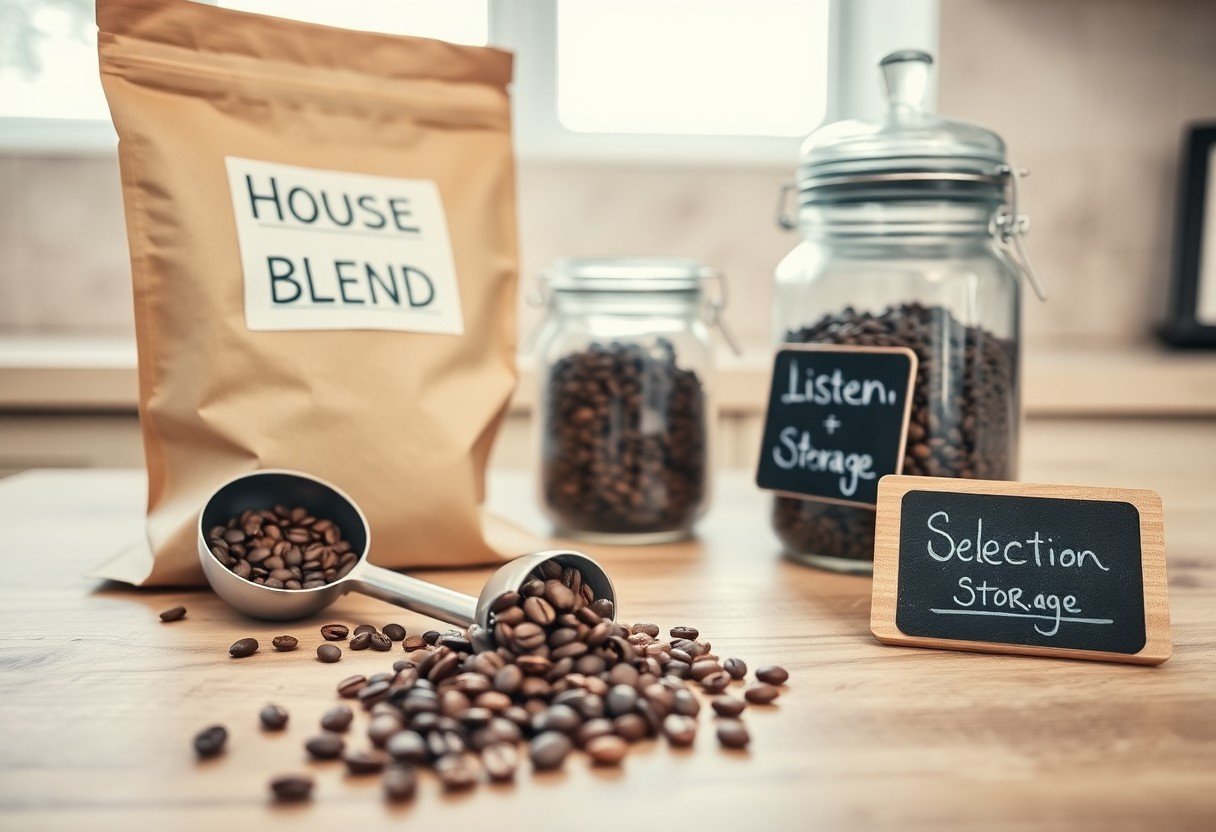
Expert Tips for Selection and Storage
Choose beans by roast date and tasting notes so you can match the house blend to your preferred profile; buy whole beans and grind just before brewing to keep oils and clarity intact.
- Check roast date on the bag
- Prefer whole beans over pre-ground
- Store in an opaque, airtight container
- Buy only a two- to three-week supply
Assume that you rotate stock and use beans within three weeks of roast to experience the house blend as intended.
How to Identify Freshness on the Label
Look for a clear roast date rather than a vague “best by” stamp, note origin and processing for flavor cues, and choose bags roasted within the past two to four weeks so you get lively aromatics and acidity.
Optimal Conditions for Preserving Aroma
Keep beans in a cool, dark spot inside an airtight container and position them away from heat, light, and humidity so you slow aromatic degradation; avoid storing near appliances that emit heat.
Avoid exposing beans to oxygen by opening the container only when you need them, and grind just before brewing so you capture volatile aromatics at their peak for each cup you make.
Summing up
From above you can see that house blends combine beans from different origins and roast profiles to produce balanced, consistent flavor, making them versatile for various brewing methods. You benefit from a curated mix that highlights complementary acidity, body, and sweetness while masking single-origin variability. You can expect reliability, approachability, and a flavor profile crafted for daily drinking.
FAQ
Q: What is a house blend?
A: A house blend is a roaster’s signature mix of two or more coffee origins designed to deliver a consistent, balanced flavor profile that represents the roaster’s style. Blends are created to smooth out extreme characteristics from single origins, highlight complementary notes like chocolate, nut, and fruit, and work well across different brew methods.
Q: How do roasters choose beans for a house blend?
A: Roasters select beans based on flavor, body, acidity, and seasonal availability to achieve the target taste and price point. Single-origin components are trial-roasted and cupped in different proportions until the desired harmony and complexity are confirmed.
Q: What flavor characteristics make a house blend special?
A: A successful house blend balances sweetness, acidity, and body to create a rounded cup that appeals to a broad audience. Predictable flavor elements like caramel, cocoa, stone fruit, or toasted nuts are often dialed in so the blend performs consistently in espresso and filter brews.
Q: How does roast level affect a house blend?
A: Roast level determines which origin flavors are highlighted or subdued; lighter roasts emphasize origin brightness and floral or fruity notes while darker roasts bring forward caramelization and deeper chocolate or toasty tones. Roasters develop a specific roast profile for each component so the final blend retains clarity while delivering the intended balance.
Q: Why is consistency important for a house blend and how is it maintained?
A: Consistency builds customer trust by ensuring the same flavor experience over time. Roasters maintain consistency through standard blending ratios, regular cupping sessions, inventory management, and adjusting components when crops change to preserve the established profile.
Q: What should beginners look for when choosing and brewing a house blend?
A: Beginners should check the roast date, tasting notes, and suggested brew methods to match the blend to personal preference. Use fresh beans, grind to the brew method, aim for a coffee-to-water ratio around 1:15-1:17 for filter and 1:2 for espresso, and brew with water near 90-96°C to extract balanced flavors.
Q: How do house blends differ from single-origin coffees?
A: House blends prioritize balance, reliability, and versatility by combining multiple origins to create a consistent cup, while single-origin coffees showcase unique, site-specific flavors and seasonal variation. Blends often perform better in milk drinks and everyday brewing, whereas single-origin beans reward focused tasting and exploration of distinct flavor expressions.