
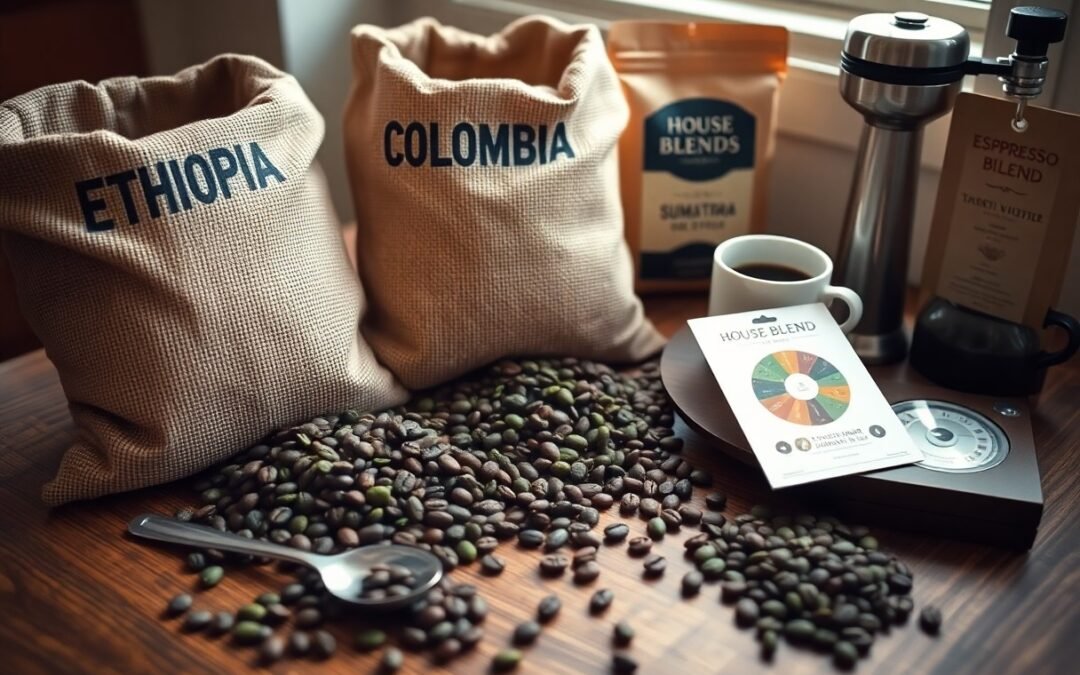
Just trace how your coffee moves from farm harvest through processing, roasting, and blending, so you understand how origin and technique define flavor and can choose or craft house blends with confidence.
Key Takeaways:
- Origins: House blends combine beans from different regions and processing methods to create consistent flavor profiles while managing seasonal variability.
- Roasting profiles: Light roasts highlight origin characteristics like floral acidity; medium and dark roasts increase sweetness, body, and roast-derived flavors.
- Sourcing and quality control: Direct trade, cooperatives, and certifications shape traceability, ethical practices, and price, which together support a reliable cup.
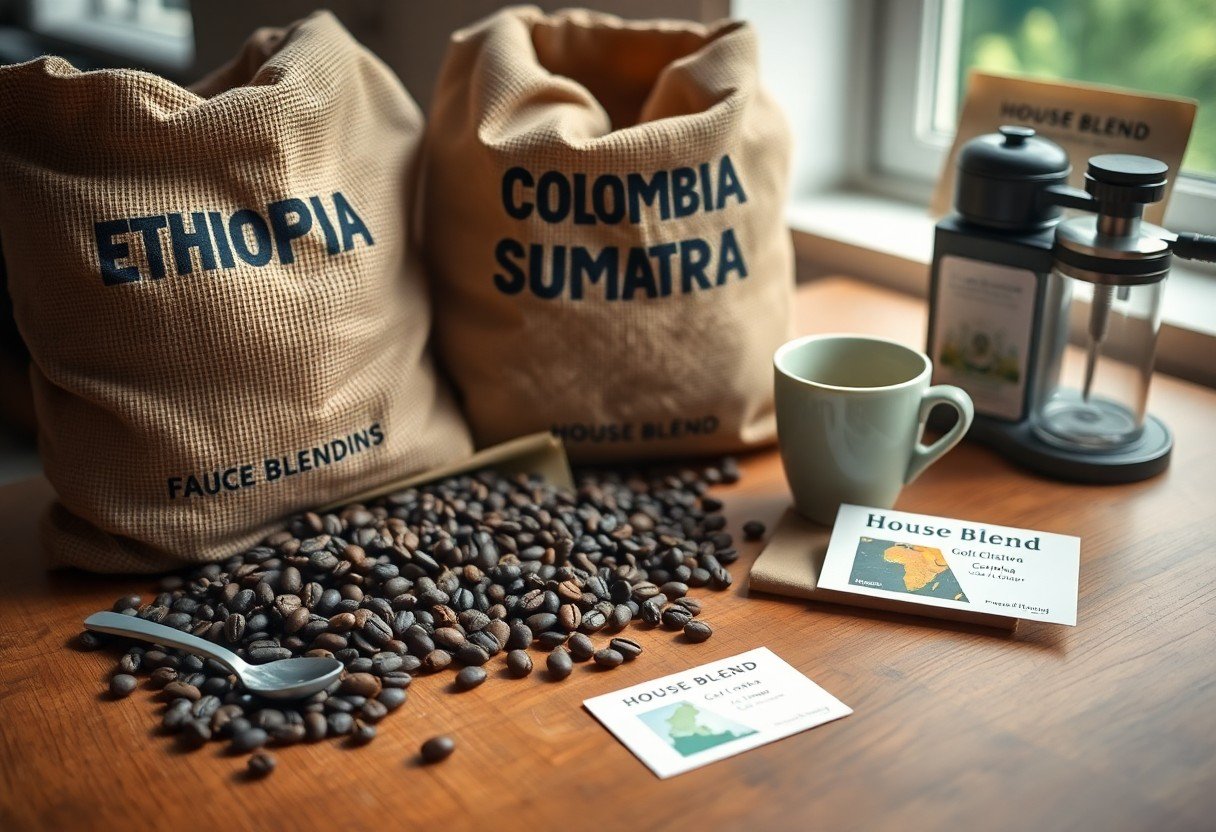
Sourcing and Terroir
Origin choices determine soil, microclimate and local processing customs that shape the foundation of your house blend, so you match lot characteristics to your desired signature notes.
Altitude influences bean density and acidity, giving you predictable brightness from high-grown lots and richer sweetness from lower elevations when you adjust roast profiles accordingly.
Regional Flavor Profiles
Tasting regional samples reveals common signatures-chocolate and nutty notes from Brazil, citrus and floral tones from East Africa-that you use to layer complexity into blends.
Ethiopia often yields tea-like florals and jasmine that you balance with creamy Central American beans to create a rounded cup that still sings of origin.
Sustainable Harvesting Practices
Shade-grown and agroforestry methods protect biodiversity and slow cherry ripening, producing sugars and acidity that you value when crafting nuanced blends.
Cooperatives and direct-trade partners typically maintain consistent picking standards and post-harvest handling, so you receive cleaner green coffee that blends predictably.
You can assess sustainability by reviewing harvest calendars, labor pay structures and waste reduction efforts, then prioritize suppliers whose practices align with your quality and ethical standards.
Processing the Harvest
Harvest processing shapes flavor as you decide between wet and dry paths; prompt pulping prevents off-flavors while careful drying preserves acidity and sweetness.
Sorting removes underripe and defective cherries so you protect consistency, and you monitor moisture to time the next step in the chain.
Methods of Bean Extraction
Washed methods remove pulp quickly, giving you cleaner acidity and clearer origin notes when fermentation and water management are precise.
Natural methods dry whole cherries on patios or raised beds, letting you amplify body and fruity sweetness while you monitor fermentation to avoid faults.
Quality Grading and Sorting
Hand sorting lets you pick out defective beans by color and size, so you secure uniformity for roasting and adjust your blend targets accordingly.
Mechanical graders use sieves, density tables, and optical sorters to scale consistency, and you verify their output with spot checks before roasting.
Cupping sessions formalize evaluation so you quantify defects, sweetness, and balance; you then grade lots and decide which beans join your house blend.
The Craft of Blending
You combine origin traits, roast levels and processing notes to sculpt a consistent house blend, then cup iterative batches until the profile aligns with your standards. Your records guide minor tweaks so the blend remains recognizable through seasonal bean shifts.
Balancing Acidity and Body
Acidity delivers clarity while body provides weight, and you balance them by pairing brighter origins with fuller, sweeter beans and by adjusting roast degree. You run brew tests to confirm the interplay reads well across filter and espresso.
Establishing a Signature Profile
Signature blends express the flavor fingerprint you want customers to expect, so you fix proportion ranges and roast cues that reproduce core tasting notes reliably. You verify the profile across grind settings and water recipes to preserve consistency.
Tasting during each production run helps you tighten acceptable variation, and you log sensory thresholds for sweetness, acidity and finish so staff can replicate the cup. You schedule seasonal reassessments to keep identity steady while accommodating supply changes.
The Roasting Process
Roasting transforms green beans through precise heat cycles, unlocking acidity, sweetness, and body you taste in the cup. For a deeper exploration consult From Bean to Brew: Tracing Coffee’s History & Iconic Role …
Control of time and temperature shapes the profile you present in each batch; small adjustments push a blend toward brighter fruit or more rounded chocolate notes.
Heat Application and Development
Heat application begins with bean drying, moves through Maillard browning and continues into first and second crack; you modulate drum speed and airflow to guide roast development.
Monitoring the Maillard Reaction
Monitoring the Maillard reaction lets you judge when sugars and amino acids form the roast flavors you want, helping you avoid underdeveloped or bitter characteristics.
Smelling for toasty and caramel notes while tracking surface color and bean expansion gives you practical cues to extend or halt the development phase for desired body and sweetness.
Quality Control and Consistency
Consistency in your house blend comes from routine inspection of green beans, precise roast profiling, and extraction tracking; you log moisture, screen size, and roast curves to reproduce target flavors.
Quality teams sample finished bags and brewed cups using checklists and corrective actions so you catch drift early and apply roast or blend adjustments to maintain the signature cup.
Sensory Analysis and Cupping
When you cup, you isolate aroma, acidity, body, sweetness, and finish against the house standard using controlled grind, water ratio, and blind tasting while recording scores.
Taste panels rotate samples and use calibrated references so you preserve a consistent descriptor vocabulary and minimize individual bias in blend decisions.
Maintaining Batch Uniformity
You maintain batch uniformity by following exact roast profiles, batching by weight, and sampling each run to confirm roast development and color consistency.
Procedures for blending define fixed ratios and tolerance bands, allowing you to compensate for minor lot variability without altering the perceived house profile.
Recording lot numbers, roast dates, and cupping scores creates a traceable audit trail so you can isolate deviations, quarantine suspect lots, and restore balance promptly.
Optimization for the Brew
Optimize your brewing by isolating variables-change dose, grind, water, temperature, or time one at a time so you can reproduce the house blend’s intended sweetness, acidity, and body. You should log adjustments and tasting notes to refine a consistent recipe that reflects the blend’s signature.
Grind Precision and Surface Area
Adjust your grind to match extraction time and brew method: coarser for immersion, finer for espresso. You will notice clarity and strength shift as particle size and uniformity alter surface area and extraction dynamics, so chase consistency in distribution and retention.
Water Chemistry and Extraction
Measure your water’s mineral profile because calcium, magnesium, and bicarbonate influence how acids and sugars extract; you can use test strips or a TDS meter to guide tweaks. You should keep water consistent to maintain the house blend’s intended balance across batches.
Test small changes in mineral additions or filtered water recipes to tune brightness and mouthfeel: increasing calcium and magnesium often enhances sweetness and body while adjusting bicarbonate controls perceived acidity, allowing you to shape the cup without altering roast or grind.
Final Words
With this in mind, you see how bean selection, roast profile, and blending shape each house blend’s character, from origin notes to cup clarity. You can appreciate the care taken by producers and roasters when you taste consistency and balance. You leave with a clearer sense of how your choices influence flavor and quality.