
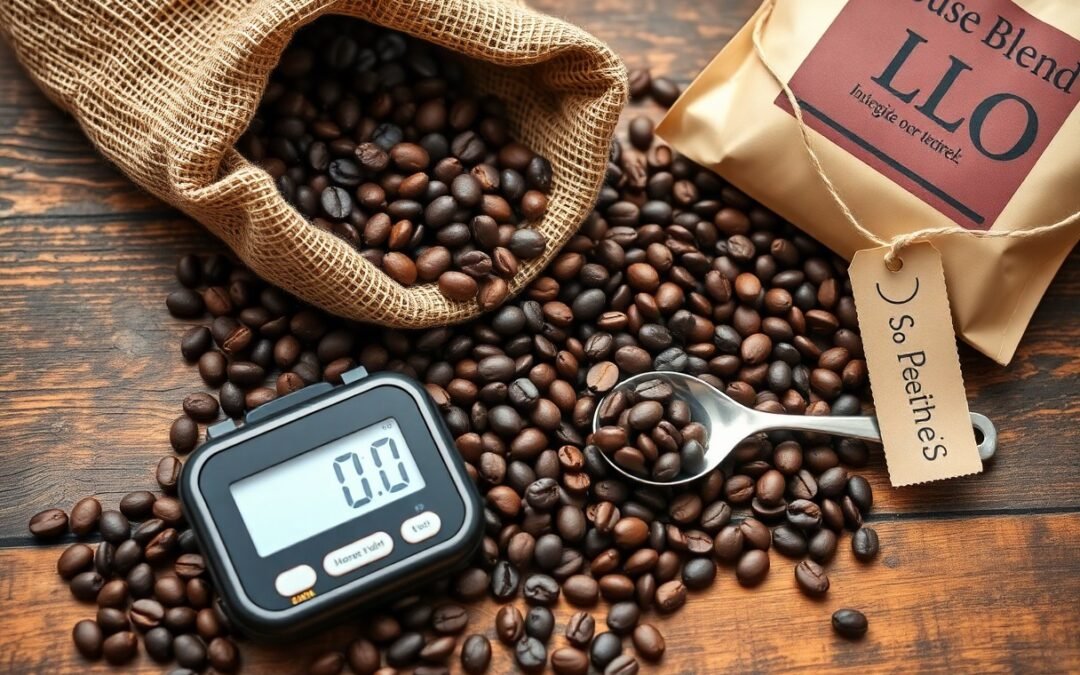
There’s a straightforward method you can use to assess house blend beans: inspect roast level, origin mix, aroma intensity, uniformity, and roast date so you select beans that deliver consistent bold flavor.
Key Takeaways:
- Bean composition and origin – Arabica-dominant blends with specified origins and higher-elevation beans deliver more complexity and sweetness; small Robusta additions can increase crema and body.
- Roast profile and freshness – darker roast levels and an oil sheen signal bolder flavor; prioritize whole beans with a clear roast date (ideally within 2-4 weeks).
- Sensory cues and sourcing transparency – seek tasting notes like chocolate or caramel and low acidity, uniform bean size/color, specialty-grade scores (80+) and transparent sourcing from the roaster.
Key Factors That Define a Premium House Blend
Look for clear origin labels, roast dates, and consistent bean sizing so you can judge freshness and predict bold flavor; inspect aroma and roast uniformity when sampling bags.
- Transparent origin and varietal mix
- Recent roast date and proper storage
- Even roast color and bean size
- Roaster tasting notes and cupping results
The combination of these elements will help you pick a house blend that delivers bold, balanced cups.
Balancing Flavor Complexity and Consistency
You should expect blends to combine contrasting beans so acidity, body, and sweetness coexist without one overpowering the cup, and you can judge consistency by sampling multiple bags over time.
The Role of High-Altitude Arabica Selection
Altitude affects bean density and sugar development, so you can favor high-altitude Arabicas for brighter acidity and pronounced aromatics that stand out in darker roasts.
Mountain-grown beans typically resist defects and provide the structural clarity you need when crafting a bold house blend, making it easier for you to maintain flavor across roast batches.
How-to Evaluate Bean Appearance for Quality
Inspection of bean appearance helps you quickly rule out batches that will produce inconsistent or flat brews before you grind or roast.
Identifying Uniformity in Color and Size
You should look for homogenous color and similar bean size; mixed shades or varied sizes cause uneven roasting, extraction, and unpredictable boldness in the cup.
Spotting Surface Oils and Structural Integrity
Look for appropriate surface oils relative to roast level: a slight sheen on dark roasts is normal, while oily spots on lighter roasts suggest age or poor storage.
Feel the beans for firmness and intact structure, since cracked, chipped, or overly sticky beans often indicate improper handling, moisture exposure, or staleness that will weaken bold flavors.
Essential Tips for Reading Professional Labels
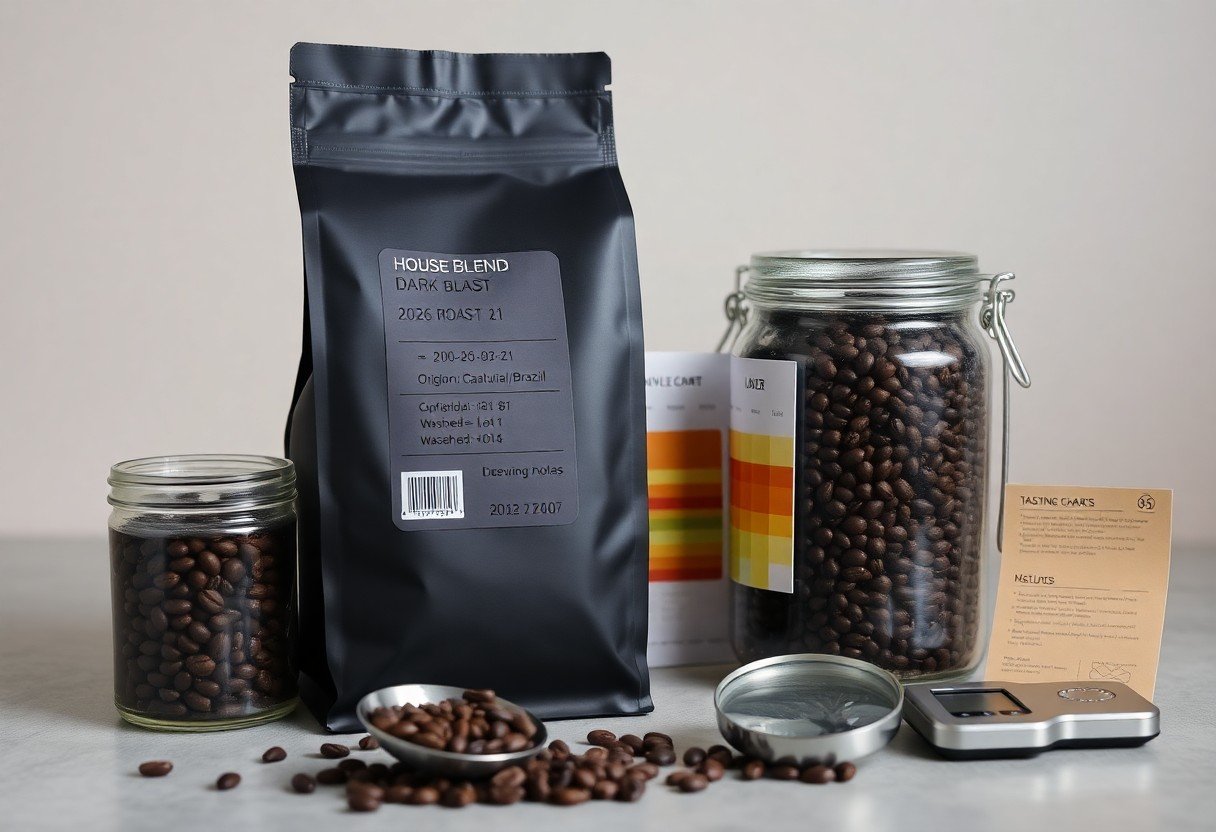
Labels show origin, varietal, roast level, cupping score, and certifications so you can judge potential boldness. You should weigh single-origin claims against blend formulations and scan tasting notes for descriptors that suggest intensity.
- Origin & altitude: high-altitude farms often produce denser beans with greater flavor concentration.
- Roast date & level: fresher beans and explicit roast-level terms reveal peak bold profiles.
- Processing & notes: natural or honey processing can increase body and perceived strength.
Inspect label clarity and any roast or grading details before buying. Perceiving processing and altitude cues on the same label lets you predict body and weight more accurately.
Verifying Roast Dates for Maximum Boldness
Check roast dates and choose beans roasted within one to three weeks for peak bold aromatics; darker roasts often peak earlier, so shorten that window. You should also note packaging type and sealed valves that preserve freshness during storage.
Decoding Processing Methods and Origin Details
Understand processing labels-washed, natural, and honey-and how each boosts or softens body; natural processing typically enhances weight and fruity intensity that you perceive as bolder. You can match processing with roast level to target the thick mouthfeel you prefer.
Compare regional signatures so you can pair origin with processing: Sumatran and certain South American lots usually give fuller body, while East African naturals can produce bold fruit-driven intensity that still reads heavy on the palate.
Factors to Consider When Choosing Roast Profiles
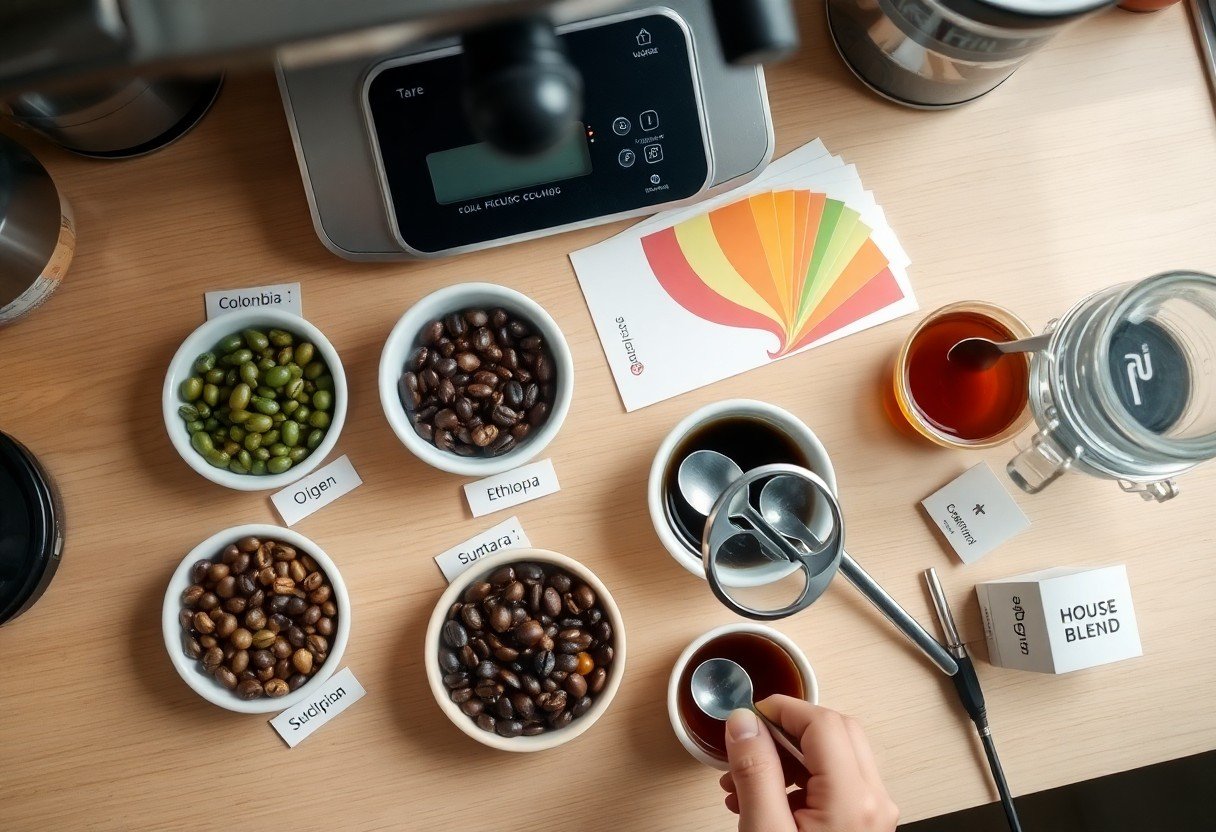
Roast selection shapes acidity, body and sweetness; you should weigh origin, roast degree and target extraction. For practical tasting notes consult Flavor Profiles in Coffee Blends: How to Blend & Taste.
- Origin acidity versus body
- Degree of roast and surface oils
- Blend composition and single-origin presence
- Intended brew method and extraction
Perceiving roast aromatics, surface sheen and color will guide you toward profiles that deliver bold flavor without unwanted char.
Distinguishing Between Medium-Dark and French Roasts
Medium-dark roasts preserve some origin brightness while boosting caramelization and body, so you can expect sweeter, rounded notes that still hint at origin character.
French roasts emphasize smoky, toasted flavors and oilier surfaces, which produce heavier roast presence and require precise brewing to avoid astringent bitterness.
Avoiding Common Bitterness in Bold Profiles
You can reduce bitterness by moderating grind, lowering brew temperature slightly, and trimming extraction time to protect sweet, volatile compounds.
Adjust roast choice toward well-developed but not charred beans and blend darker roasts with sweeter origins to smooth the finish and preserve complexity.
How-to Source Beans for Long-Lasting Freshness
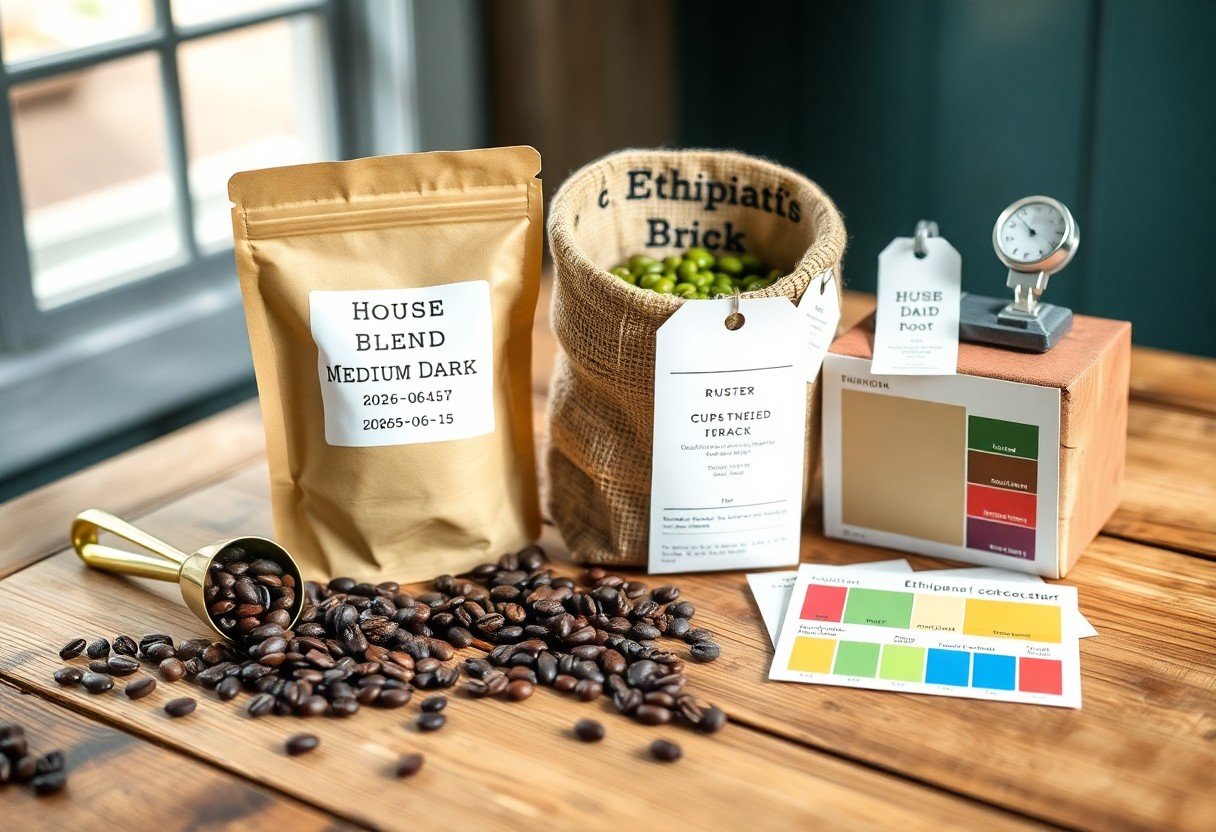
Store whole beans and check roast dates; you should seek bags roasted within the last two weeks to capture peak aroma and oils. You can avoid pre-ground coffee, which loses volatile flavors rapidly, and buy amounts you can consume within two to three weeks to maintain boldness.
Aim to buy from sellers with high turnover and clear shipping times so beans reach you quickly after roast. You should prioritize whole-bean purchases and small batch sizes that reduce storage time and preserve the blend’s intended intensity.
Assessing Packaging and One-Way Valve Technology
Inspect packaging for a one-way valve, foil lining, and a resealable zipper; you should favor opaque, matte bags that block light and moisture. You can also check seals for firmness and avoid clear plastic that exposes beans to degrading elements.
- You can use one-way valves to allow CO2 to escape while blocking oxygen, preserving aroma and preventing bag swelling.
- You should choose multi-layer foil and tight seals that reduce light and moisture exposure to slow staling.
- Recognizing valve date codes and tactile seals helps you judge how well beans will keep and when to brew them for best flavor.
Tips for Identifying Reputable Small-Batch Roasters
Seek roasters who publish roast dates, origin details, and tasting notes; you can learn consistency from batch numbers and transparency about processing. You should prefer roasters who communicate directly about sourcing and offer clear descriptions of their blends.
Visit roaster websites, farmers’ markets, or local shops to sample and ask specific questions about roast profiles and batch size; you can gauge turnover and commitment to quality from availability and responsiveness.
- You should look for roast dates, batch numbers, and clear origin information on labels to verify freshness and traceability.
- You can evaluate consistency by choosing roasters that offer sample packs, cuppings, or subscription options.
- Recognizing visible sourcing practices and candid communication about production gives you confidence in a small-batch roaster’s reliability.
Final Words
Considering all points, you can identify premium house-blend beans by checking roast date, declared origins, bean uniformity, and tasting notes that promise chocolate, caramel, or nutty profiles with low acidity and full body. Check bag packaging for whole beans and small-batch roasters, and sample small quantities to confirm the bold flavor you expect.
FAQ
Q: What characteristics define premium house blend beans for bold flavor?
A: Premium house blends combine high-quality Arabica beans with a targeted inclusion of Coffea canephora to add body and crema. Profiles emphasize consistent origin lots, careful sorting, and specialty-grade cupping scores so each bag delivers predictable boldness. Roasters tune the blend to balance chocolate, caramel, and toasted notes against controlled acidity for a full-bodied cup.
Q: How does roast level affect boldness and how can I tell the right roast?
A: Darker roasts reduce brightness and increase body, yielding smoky, chocolatey, and roasted flavors that read as bold. Surface oil and a deeper brown to near-black color indicate a darker roast, while dry matte beans point to lighter roast. Aroma gives a quick signal: toasted, smoky scents suggest bold roast character, while fruity or floral smells indicate lighter profiles.
Q: Which bean origins and varieties contribute to bold flavor in a house blend?
A: Indonesian origins such as Sumatra and Sulawesi provide earthy, syrupy body and low acidity that support bold blends. South and Central American beans supply chocolate, nutty backbone and clarity. Small additions of Coffea canephora (often used in blends) contribute extra body, crema, and caffeine, but quality depends on careful dosing to avoid harshness.
Q: How can I verify freshness and roast date before buying?
A: Look for a clear roast date printed on the bag rather than only a best-by date. Packaging with a one-way degassing valve shows attention to post-roast handling and helps preserve aroma. Smell the beans when possible; fresh beans emit bright, layered aromas while stale beans smell flat or cardboard-like.
Q: What physical cues on the beans signal premium quality for bold flavor?
A: Uniform size and color across the bag indicate careful sorting and consistent roasting. Low incidence of broken beans, quakers, or black beans reflects good quality control at origin and roast. A slight oil sheen on darker roasts is normal, while excessive oil or extreme dryness can point to overroasting or old stock.
Q: How should I cup or taste-test beans to assess boldness?
A: Start by smelling whole beans for intensity, then grind and evaluate dry and wet aromas. Brew a small sample and slurp to aerate the coffee and spread flavors across the palate. Look for a full mouthfeel, low-to-moderate acidity, prominent chocolate, caramel, or roasted notes, and a lingering finish as markers of a bold, premium blend.
Q: What brewing and grind adjustments bring out the boldest expression from a premium house blend?
A: Espresso and immersion methods like French press concentrate body and texture, making blends taste bolder. Finer grinds and slightly higher dose increase extraction and perceived strength, while coarser grinds with longer steeping also build body. Maintain water temperature around 92-96°C and adjust brew ratio toward a stronger concentration for a pronounced, bold cup.