
It’s clear that centuries-old methods-selective hand-picking, sun drying, and traditional roasting profiles-shape the flavor, consistency, and sourcing of the house blends you enjoy today.
Key Takeaways:
- Traditional processing methods from ancient coffee regions-sun-drying and natural fermentation-continue to define flavor elements in modern house blends, contributing fruity, fermented, and syrupy notes.
- Selective hand-picking, sun-drying, and manual sorting inherited from smallholder practices still drive bean quality and preserve single-origin character within blend components.
- Roasting and blending rituals developed in early coffeehouses-small-batch drum roasting and purposeful mixing of varietals-remain the basis for contemporary house-blend balance between acidity, body, and aroma.
The Legacy of the Mocha-Java Trade
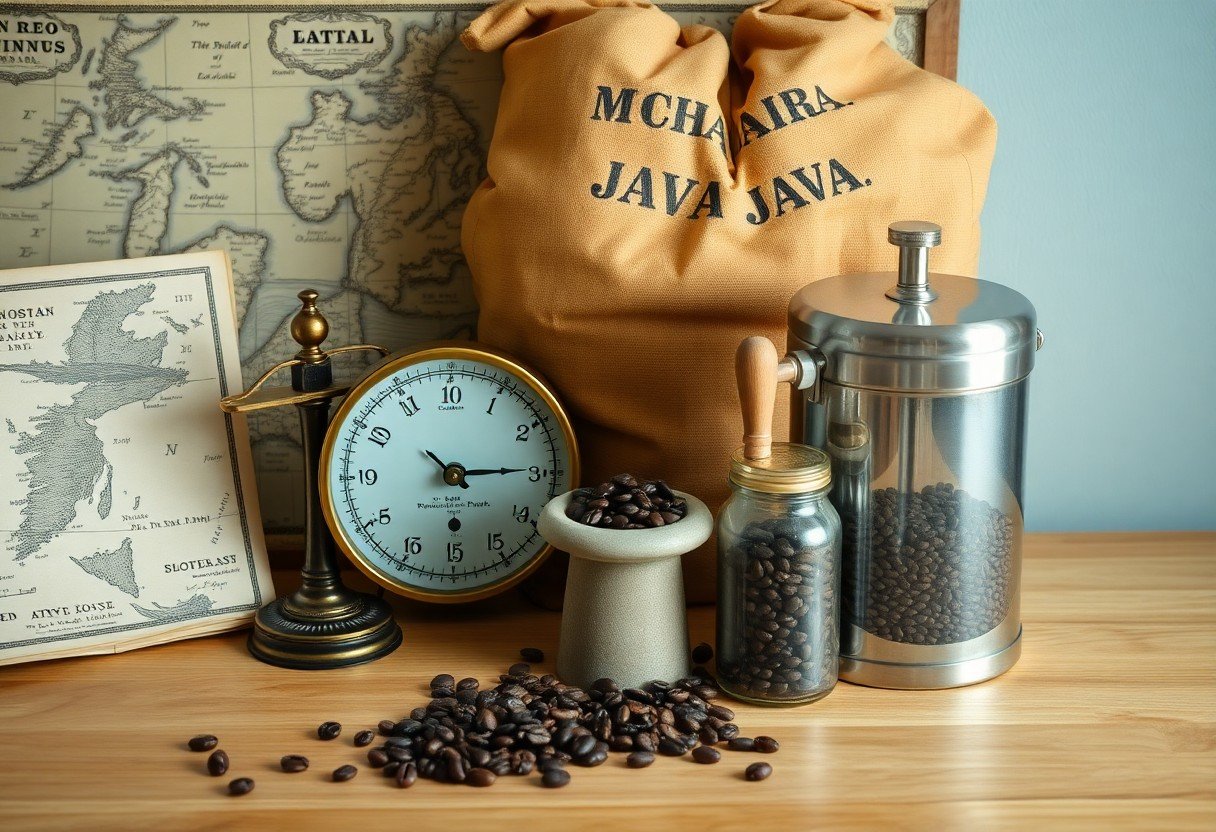
Trade routes linking Yemeni Mocha and Javanese ports created the first widespread appetite for mixed coffees, so you learn to identify how spicy, winey notes play against deep, earthy tones. That history taught merchants to blend for consistency long before modern roasters standardized origins.
Merchants packed beans from different ports to smooth seasonal gaps, which shaped how you expect a house blend to behave: predictable, layered, and approachable. Those early practices still inform your choices when you balance single-origin clarity with cross-regional harmony.
The Birth of the First Commercial Global Blend
Blends emerged when traders combined Mocha’s floral acidity with Java’s full body to please broad palates, so you now recognize this template in many contemporary house blends. The objective was simple: appeal to diverse tastes while stabilizing supply.
Colonial markets accelerated demand for uniform flavor, teaching roasters methods you use to mask inconsistency without erasing origin character. Consumers learned to trust a named blend as shorthand for a reliable cup.
Balancing Acidity and Body through Geographic Contrast
Pairing high-altitude Ethiopian or Yemeni lots with denser Indonesian beans gives you a blueprint for tension and balance, where brightness and weight counterpoint each other in every sip. This technique remains central to blend design.
Across practical cupping sessions you’ll see how small ratios shift perceived sweetness and length, so you can tweak recipes to suit brewing method and audience. That empirical approach echoes centuries-old trade wisdom.
Tasting side-by-side samples helps you calibrate acidity against mouthfeel, enabling you to choose percentages that preserve origin identity while achieving the signature house profile your customers expect.
Ancestral Sun-Drying and Natural Processing
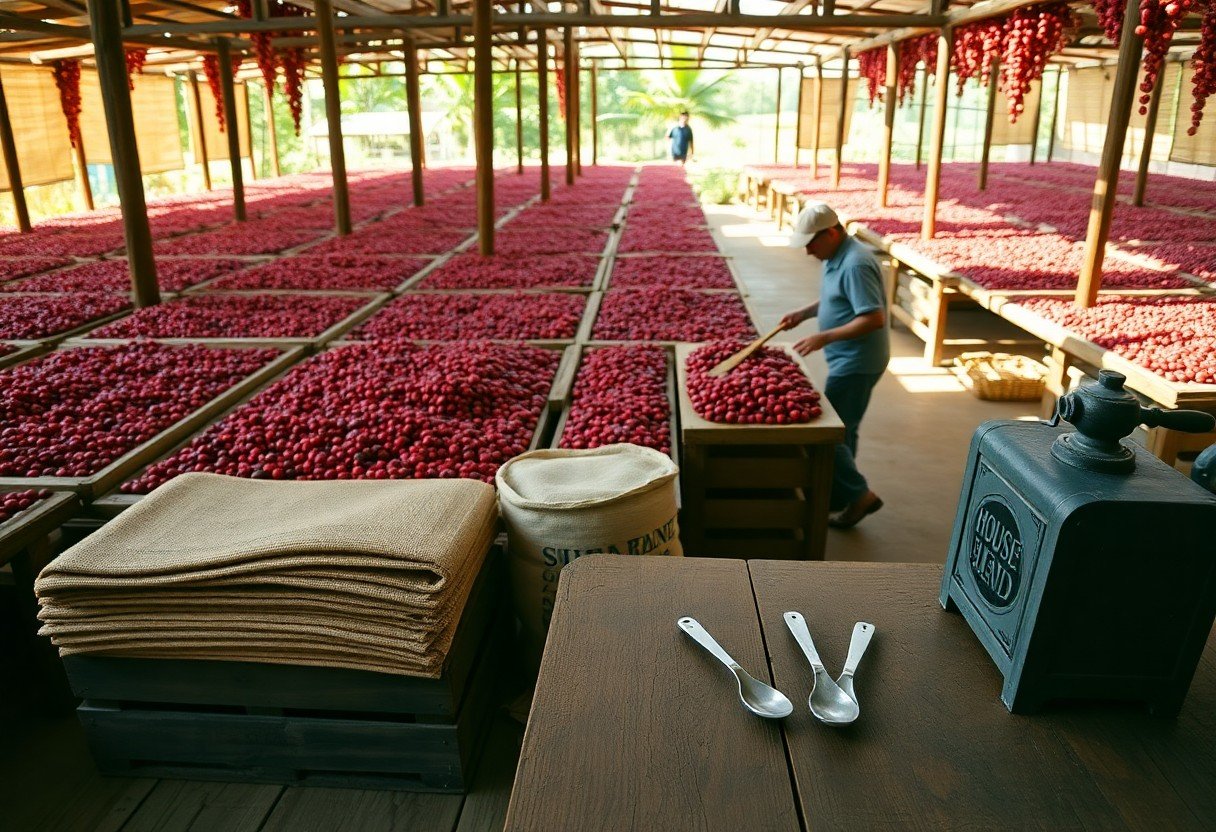
Sun-drying leaves the cherry skin and pulp on beans so you and your roaster capture richer fruit sugars and a heavier body in house blends; explore historical context in The Evolution of Brewing Methods From Ancient Traditions …
Preserving Fruit Sugars through Traditional Dry Methods
When you dry whole cherries on patios, sugars concentrate and you perceive jammy sweetness, syrupy mouthfeel, and lifted fruit notes that modern house blends intentionally reproduce.
The Influence of Primitive Fermentation on Modern Profiles
Early spontaneous ferments introduced wild yeasts and organic acids that you now emulate in controlled environments to craft layered acidity and nuanced aromatic complexity.
Producers who apply short, monitored fermentations allow you to experience tangy complexity, floral esters, and subtle funk without instability, directly informing the consistent profiles you expect from everyday blends.
Wood-Fired Roasting and Thermal Foundations
Wood-fired roasting gave you an intuitive understanding of heat distribution that guides modern profile design, teaching how radiant and convective energy affect bean development. You apply that intuition when setting ramp rates, controlling soak periods, and protecting sugars from scorching to shape sweetness and body.
Experimentation with various woods and airflow taught you how smoke, ash, and ember temperature influence flavor precursors, lessons you translate into controllable heat zones and scheduled temperature holds. You use those thermal foundations to reproduce desirable depth without relying on open flame.
Emulating Smoke and Earthiness in Modern Heat Profiles
Roasters extend low-temperature development to amplify Maillard reactions that yield smoke-like and earthy notes, letting you build complexity while preserving acidity. You then modulate late roast heat to avoid phenolic bitterness and retain the impression of wood influence.
Traditional Visual and Auditory Cues in Quality Control
Artisans trained around wood-fired drums still rely on color shifts, seam behavior, and surface oil as live metrics you can read without instrumentation. You convert those visual signals into real-time adjustments for heat, airflow, and drum speed.
You also use first- and second-crack acoustics to time interventions, interpreting crack cadence as an indicator of internal bean physics and moisture release. That listening skill lets you react to batch variance before probe data catches up.
Listening for nuanced crack patterns and watching for subtle color progression gives you a layered quality-control approach that complements digital logs; combining auditory and visual checks helps maintain flavor consistency across roasts.
Heirloom Varietals and Genetic Continuity
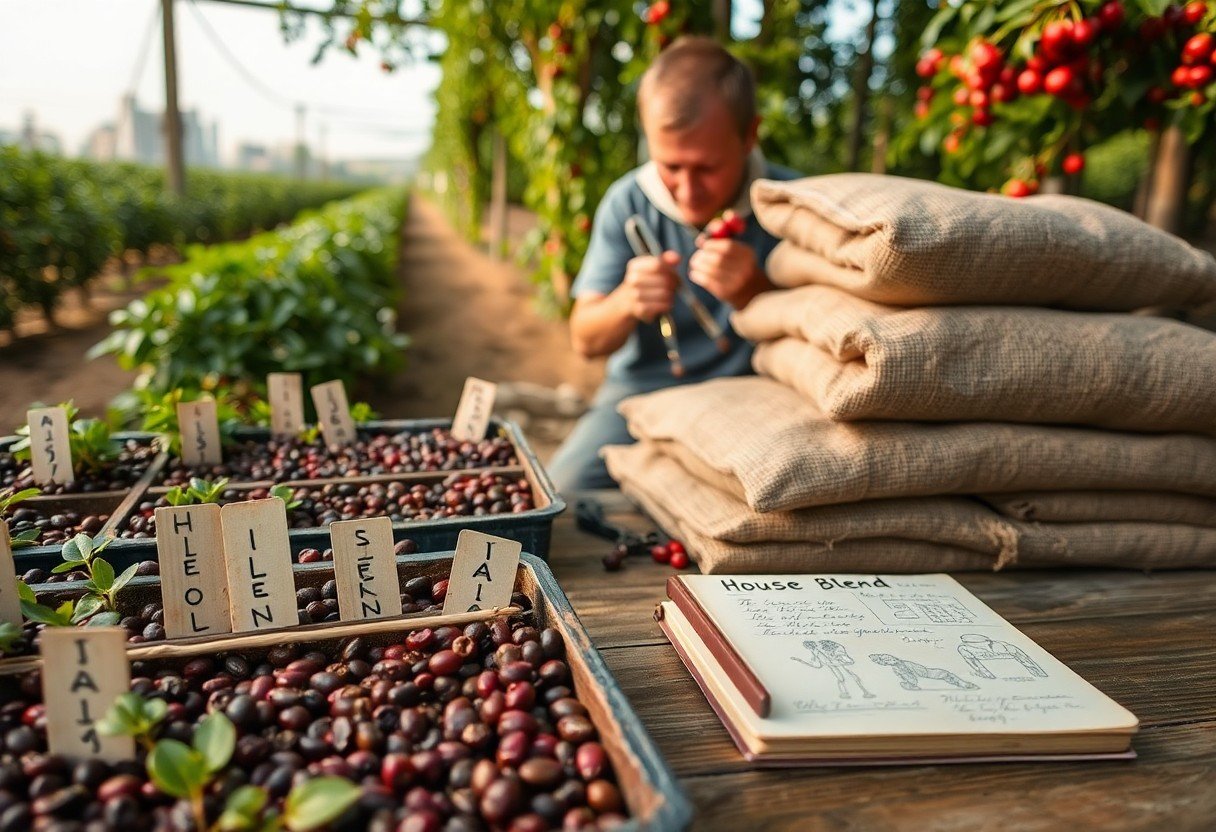
Heirloom varietals preserved in family gardens supply genetic traits that you taste in many modern blends, from layered acidity to delicate florals. You encounter these inherited profiles when roasters draw on older lines to add depth and complexity without relying solely on modern hybrids.
Smallholders act as living gene banks by saving seed and favoring trees that perform in specific microclimates, so you can trace consistent cup qualities across years. This continuity helps you recognize lineage-driven attributes when evaluating blend components.
The Persistence of Ancient Ethiopian Forest Beans
Ethiopia’s forest beans still contribute wild, fragrant notes to many house blends, and you can detect those genetics in profiles labeled as heirloom. Roasters use them to introduce jasmine, bergamot, and wild-fruit brightness that newer cultivars rarely produce.
Maintaining Flavor Integrity with Wild Cultivars
Producers who preserve wild cultivars through low-intervention harvest and careful drying let you keep subtle aromatic compounds intact when those beans enter blends. You benefit because wild lines often supply nuanced acidity and persistent aftertastes that complement other origins.
Selective propagation and community seed exchange let you access stable wild-line beans; when you cup them, you notice predictable floral and fruit notes that inform blending ratios and roast curves for consistent house character.
Shade-Grown Polyculture and Soil Management
Shaded plots mimic forest understory, giving you cooler, more stable microclimates that slow cherry maturation and concentrate sugars and aromatic precursors, which often results in increased cup complexity and smoother acidity while reducing sunscald and some pests.
Soil practices in these systems emphasize organic matter, leaf litter and mycorrhizal connections so you benefit from sustained nutrient cycling, improved moisture retention and lower synthetic input needs that translate into cleaner, more layered flavor profiles.
Ancient Symbiotic Planting for Nutrient Density
Nitrogen-fixing trees and companion legumes supply steady, biologically available nitrogen so you see healthier foliage and more consistent bean fill without heavy fertilizer application, often improving overall cup sweetness.
Polycultures with deep- and shallow-rooted species encourage diverse micronutrient uptake and microbial activity, which you’ll notice as greater aromatic nuance and resilience against soil-borne stresses during seasonal swings.
How Traditional Canopy Cover Affects Bean Development
Canopy architecture moderates light quality and daily temperatures so you experience slower biochemical development in the cherry, promoting denser beans and more complex precursor formation that influence aroma and acidity.
Sunlight filtered through layers produces diffuse radiation that enhances photosynthesis efficiency across leaf layers, helping you obtain higher sugar accumulation and more balanced acidity than rapid, unshaded growth.
Bean development also responds to reduced diurnal extremes beneath a stable canopy, meaning you observe altered starch-to-sugar conversion timing and firmer bean structure, which can deepen body and stabilize delicate floral and fruit notes during processing and roasting.
Cultural Infusion and Aromatic Traditions
Spice trade histories inform how you perceive modern blends, with aromas traced to ancient marketplaces where coffee met cardamom, clove, and floral essences that shaped communal drinking rituals.
Roasting and communal preparation traditions shape how you value balance in house blends, prioritizing mellow acidity and layered scent profiles that recall shared cups from distant eras.
Middle Eastern and North African Blending Influences
Cardamom-scented customs and deliberate spice pairings taught you to expect warmth and aromatic complexity, so contemporary house blends often nod to those regional practices through subtle spice notes.
Replicating Ancient Palates in Contemporary House Blends
You encounter blends tuned to ancient tastes by blending bean origins and roast levels to reproduce restrained acidity, sweet spice impressions, and a rounded mouthfeel associated with historic preparations.
Roasters adjust bean selection, roast curve, and finishing touches so you experience layered, historic-tasting cups that honor tradition while retaining modern clarity.
To wrap up
Now you recognize how ancient techniques such as sun-drying, hand sorting, and communal cupping continue to shape modern house blend beans by informing drying profiles, defect removal, and flavor assessment. You will find that traditional blending logic and regional roast practices persist alongside scientific controls, giving you consistent, layered cups rooted in centuries of craft.
FAQ
Q: What ancient coffee processing techniques influence modern house blends?
A: Natural (dry) processing practiced in Ethiopia and Yemen concentrates sugars and produces fruity, fermented notes that many house blends seek. Washed and semi-washed methods, developed later, control acidity and clarity; raised-bed drying and careful fermentation control come directly from traditional estates.
Q: How do traditional roasting methods affect modern roast profiles?
A: Open-fire roasting over wood or charcoal created darker, smokier profiles that influenced Mediterranean roast preferences still found in some blends. Direct visual and olfactory cues used by traditional roasters inform modern roast development and batch-to-batch consistency.
Q: Do historical blending practices still shape house blend construction?
A: Traders and merchants historically blended beans to balance inconsistent harvests and to achieve predictable cup profiles; that pragmatic mixing is the ancestor of today’s house blends. Mixing origins to balance acidity, body, and sweetness remains standard practice among blenders.
Q: How does hand-sorting and visual grading from ancient trade influence modern quality control?
A: Hand-sorting, floatation, and simple sieving protected coffee quality in preindustrial trade routes and remain basic steps in many specialty micro-mills. Early cupping and sensory checks by traders evolved into formal tasting protocols used to select lots and adjust blends.
Q: Which traditional cultivation practices affect bean characteristics in blends?
A: Shade-grown agroforestry, terracing, and intercropping practiced for centuries affect bean development, size, and flavor precursors that blenders exploit for complexity. Conservation of heirloom landraces in Ethiopia and Yemen supplies distinctive varietal character to modern blends.
Q: How have old grinding and brewing traditions influenced modern house blend recommendations?
A: Stone mills, mortar-and-pestle grinding, and coarse home grinds informed how extraction responds to particle size; that empirical knowledge helped roasters design blends that perform across brewing methods. Formulas for espresso, filter, and immersion brewing reflect historic preferences for grind, roast, and bean ratios.
Q: What role does historical sensory evaluation play in selecting beans for house blends?
A: Informal sensory evaluation by traders-smelling raw beans, tasting brewed cups, and noting defects-laid the groundwork for modern cupping standards and descriptive language. Consistent use of cupping allows roasters to maintain house blend signatures and to troubleshoot batch variance.