
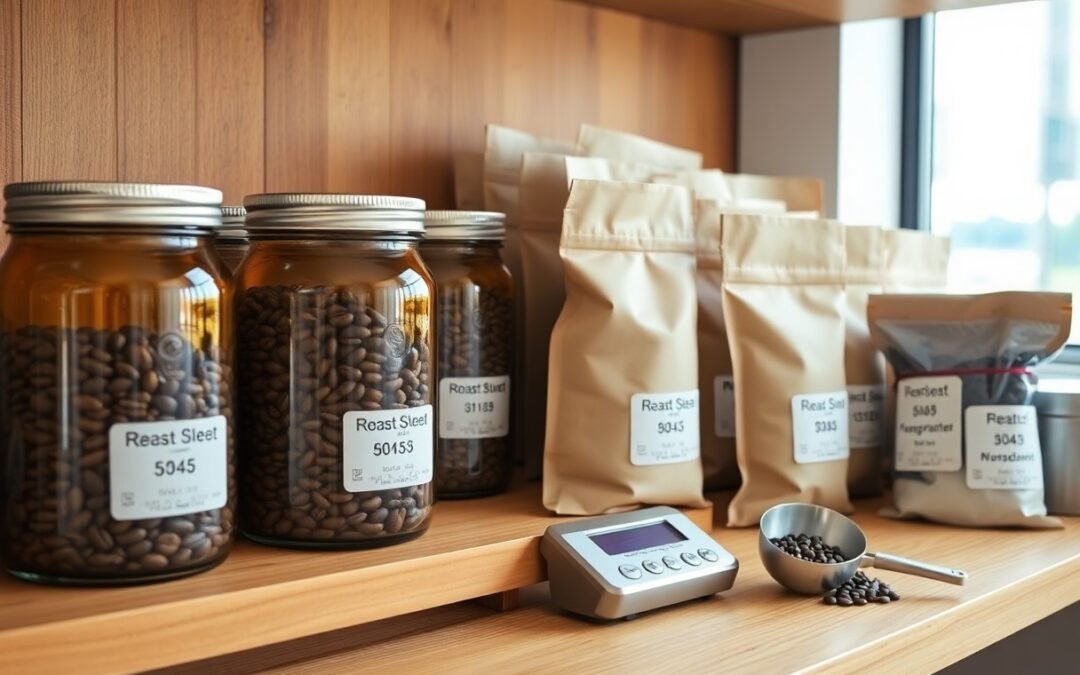
Over time you preserve flavor by storing beans in airtight, opaque containers at cool, stable temperature away from light, heat and moisture; buy small batches and grind just before brewing to maintain lasting freshness.
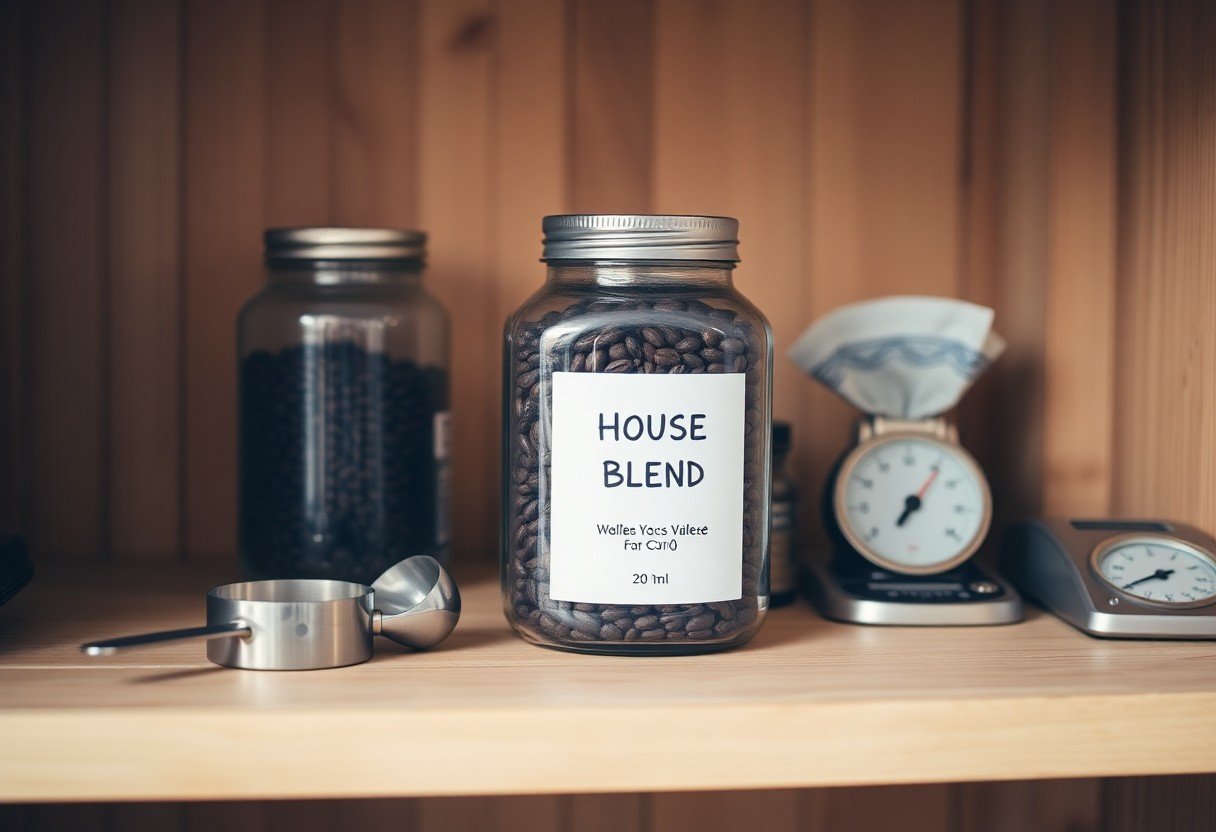
Key Takeaways:
- Whole beans stay freshest in an opaque, airtight container stored at room temperature away from heat, light, moisture, and strong odors; grind immediately before brewing.
- Buy beans in small quantities and aim to use them within 2-4 weeks of the roast date; freeze only for long-term storage, portioned to avoid repeated thawing.
- Avoid refrigerator storage because condensation and food odors degrade flavor; use one-way-valve bags or airtight containers for best results.
Primary Factors Influencing Coffee Bean Degradation
Oxygen accelerates flavor loss by oxidizing aromatic oils; you should limit air contact, portion beans into smaller quantities, and avoid leaving bags open after use.
- Oxidation and air exposure
- Moisture and humidity
- Light and heat
- Time since roast
Thou must use airtight, opaque containers stored cool and dark to slow degradation and preserve complexity.
The Role of Oxidation and Air Exposure
Exposure to air begins staling almost immediately after roasting, so you should seal beans promptly and avoid grinder hoppers that remain open between uses.
Airflow around storage increases oxidation rates; you should keep containers with minimal headspace and consider one-way-valve bags or vacuum sealing for longer holds.
Moisture and Humidity Control Strategies
Humidity lets beans absorb water and lose volatile notes while risking mold, so you should store beans where relative humidity stays low and consistent.
Containers that block moisture and light help stabilize flavor; you should avoid refrigeration because frequent opening causes condensation and flavor degradation.
Monitor storage humidity with a simple hygrometer, rotate stock so older bags are used first, and buy amounts you can consume within weeks to keep freshness high.
How-to Select the Optimal Storage Vessel
Choose a vessel that blocks oxygen, light and moisture so you can preserve aroma; prioritize containers with tight seals and a one-way degassing valve when storing freshly roasted beans.
Avoid oversized containers that leave large headspace; you should keep beans in smaller jars or fill bags to reduce oxygen contact and place the vessel in a cool, dark spot away from heat sources.
Benefits of Vacuum-Sealed and Airtight Technology
Vacuum systems remove trapped air so you slow oxidation and retain oils and aroma for longer periods; you will notice slower staling compared with open storage.
Airtight containers with reliable seals and one-way valves also preserve freshness for daily use, letting you access beans quickly while minimizing oxygen exposure between uses.
Material Selection: Opaque Ceramic vs. Stainless Steel
Opaque ceramic blocks light completely and resists flavor transfer when glazed, so you can store beans at room temperature without photodegradation; you should choose a non-porous finish to avoid odors.
Stainless steel provides a superior barrier to oxygen and humidity, offering durability and low odor retention; you will benefit from its consistent thermal properties and ease of cleaning for long-term storage.
Compare weight, aesthetics and handling when choosing: ceramic offers visual appeal and full light blocking, while stainless is lighter, more impact-resistant and often pairs better with vacuum lids-pick the one that matches your daily routine and storage environment.
Expert Tips for Environmental Temperature Control
Control the ambient temperature in your storage area to slow oxidation: aim for 60-75°F, keep beans away from direct sunlight and oven-adjacent heat, and store them in airtight, opaque containers to preserve oils and aroma.
Avoid frequent temperature swings by placing containers away from exterior walls, vents, and windows so you reduce condensation and staling during daily household temperature changes.
- Keep a small thermometer in the storage area to monitor consistency.
- Divide large bags into smaller, single-use containers you can open without exposing the whole supply.
- Rotate stock so older beans are used first to maintain peak freshness.
Temperature Quick Guide
| Optimal range | 60-75°F for balanced freshness and flavor retention |
| Too warm | Speeds oxidation and flavor loss |
| Too cold | Risks condensation when warmed |
Identifying the Ideal Pantry Microclimate
Locate a pantry spot that stays consistently cool and dry; you should test it with a thermometer and avoid shelves above appliances or near exterior doors.
Risks Associated with Refrigerator Storage
Keep beans out of the refrigerator to prevent moisture transfer and odor absorption, since frequent door openings create humidity shifts that degrade oils and aroma.
Store the freezer-only option for long-term, single-portion needs because repeated thawing introduces condensation that flattens flavor and invites staleness.
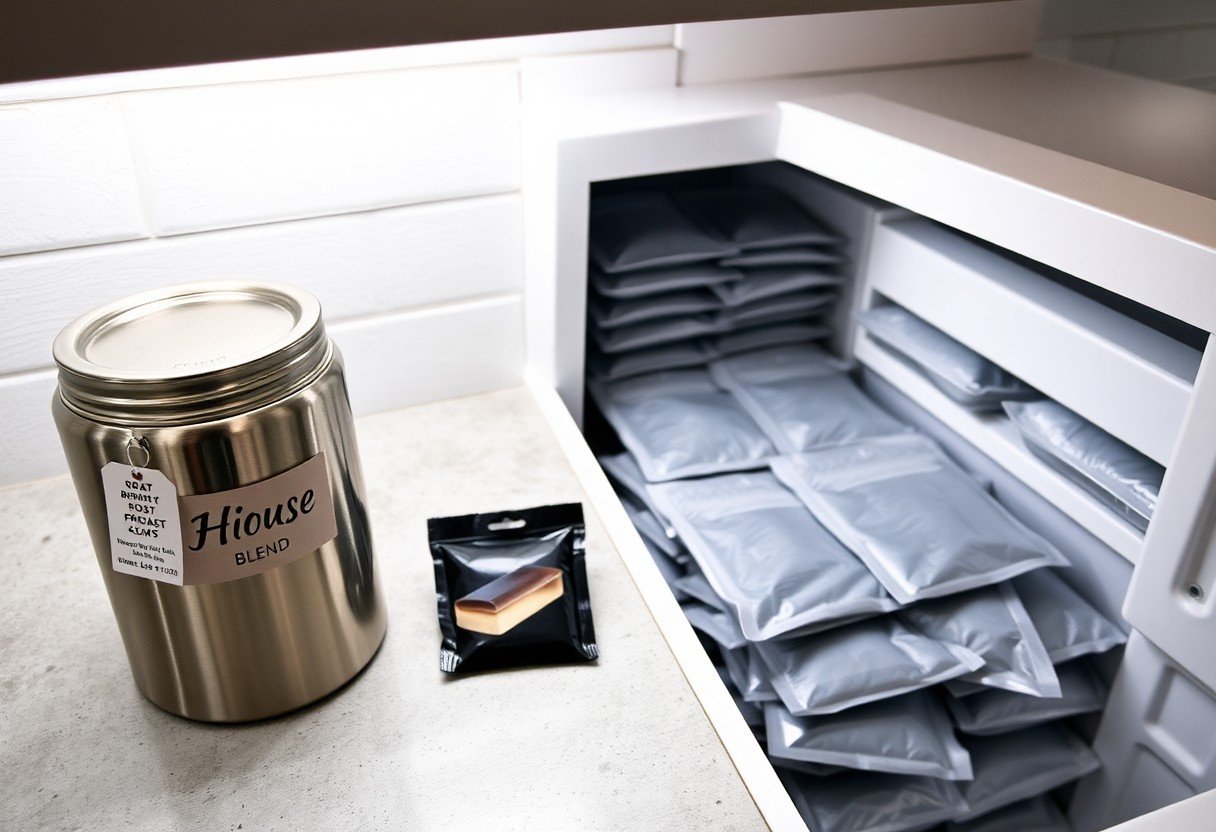
The safest approach is to divide excess beans into vacuum-sealed, single-use portions if you must freeze so you avoid repeated temperature cycles and moisture exposure when you retrieve them.
Strategies for Bulk House Blend Preservation
Store bulk beans in airtight, opaque containers at room temperature away from heat and light to slow staling; you should keep containers small enough to limit exposure when opened. For deeper tips consult How to Keep Coffee Fresh: The Best Way to Store ….
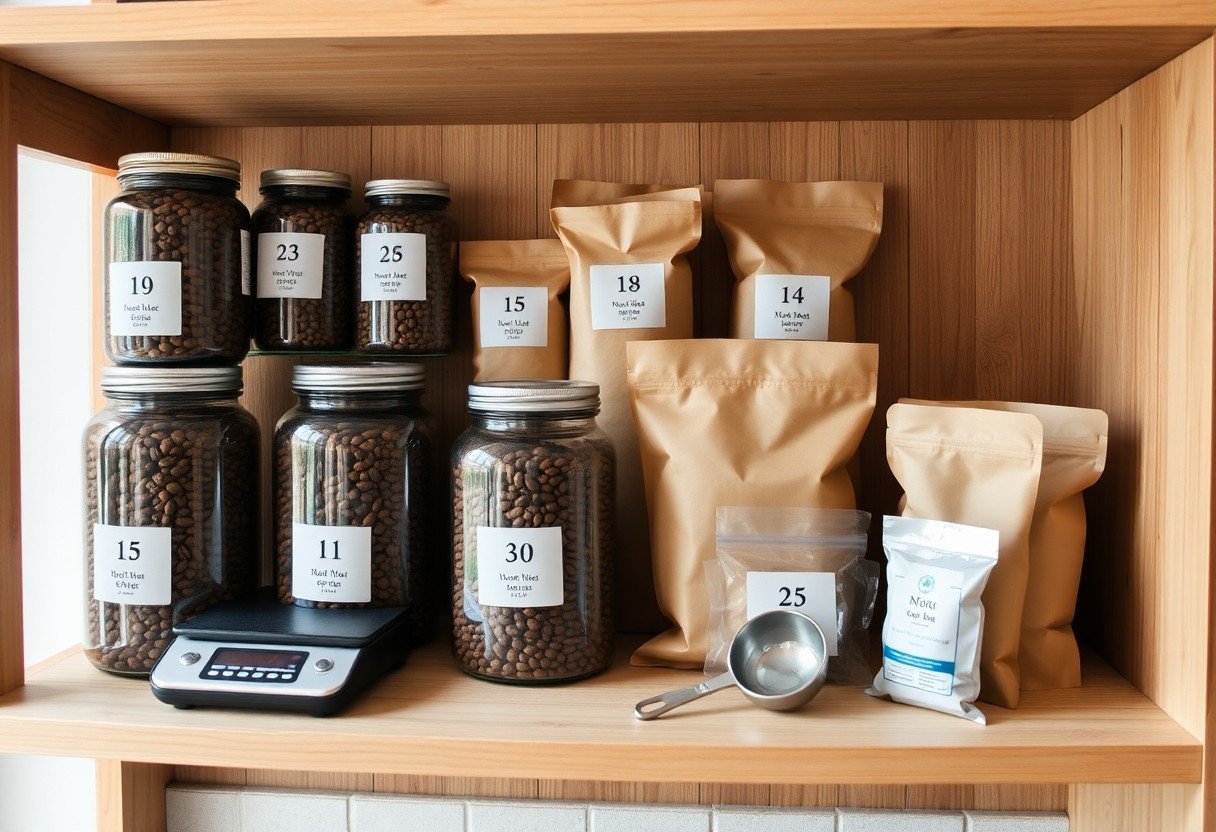
Rotate stock using clear date labels and a first-in, first-out system so you always use the oldest beans first; you can pre-portion daily jars to avoid repeated air contact.
Effective Portioning for Daily Use
Divide bulk into weekly airtight jars and only grind what you need each morning so you preserve aroma and flavor for longer; you’ll notice steadier freshness when you limit exposure.
Guidelines for Long-Term Freezing
Freeze only portions you plan to consume within a month, placing them in vacuum-sealed or double-wrapped bags to remove air, and you should label dates clearly before storing in the coldest part of the freezer.
Thaw portions overnight in the refrigerator and bring them to room temperature before opening so condensation doesn’t degrade beans, and you must avoid refreezing thawed batches to preserve quality.
Monitoring Freshness and Peak Flavor Profiles
Track roast dates, storage times, and tasting notes so you can spot when peak flavors arrive. You should schedule tastings at 3-14 days post-roast for many blends and keep a simple log to compare aroma, body, and acidity over time.
Understanding Degassing and Roast Dates
Roast gases release rapidly in the first week; you should expect degassing to mellow and sharpen flavors, so use roast dates to time brewing. You can store beans in one-way valve bags to let gases escape without letting oxygen in.
Identifying Sensory Indicators of Staleness
Smell is the fastest clue: faded aroma, cardboard notes, or a sour edge signal decline, so you should rely on aroma checks before brewing. You may also notice a flat mouthfeel or muted acidity as indicators of staleness.
Taste will confirm staleness when brightness collapses and distinct notes blur into flatness; you should cup small doses and compare against a fresh reference to quantify loss of complexity.
Best Practices for Daily Handling and Maintenance
Daily you should seal bags and canisters immediately after portioning and store them in a cool, dark place to slow oxidation and preserve aroma for longer periods.
Rotate your stock by date so you use the oldest beans first and avoid mixing new with old to keep consistent flavor.
Minimizing Air Exchange During Access
Open containers briefly and scoop quickly with a dry, clean spoon to limit oxygen contact, then reseal before you finish other tasks.
Use a small daily canister for the amount you need, refilling it from the bulk only once per day to minimize repeated air exposure of your main supply.
Maintaining Cleanliness of Storage Containers
Inspect lids and seals regularly for oily residues and worn gaskets, and replace parts you find compromised to prevent moisture buildup.
Wash containers with warm, soapy water, rinse thoroughly, and dry completely before you refill them to prevent mold and off-flavors.
Occasionally you can perform a deep clean using a mild vinegar rinse or a baking-soda scrub, then dry thoroughly to remove stubborn oils without leaving strong scents.
Final Words
With this in mind you should store whole beans in an opaque, airtight container at room temperature away from light, heat, and moisture. Buy small amounts, grind just before brewing, and use beans within two to four weeks of roast. Freeze only long-term surplus in small sealed portions, and avoid repeated thawing. You will preserve aroma and flavor by minimizing air exposure and temperature swings.
FAQ
Q: Why should I store whole house blend coffee beans instead of pre-ground coffee?
A: Whole beans retain volatile aromatics and oils far longer than ground coffee. Grind immediately before brewing to preserve aroma and flavor. Ground coffee exposes greater surface area to oxygen, which speeds oxidation and staling.
Q: Which containers keep coffee beans freshest?
A: Use an airtight, opaque container with a tight-fitting lid to block oxygen and light. Keep beans in their original one-way valve bag until opened; transfer to a container only after opening. Choose non-reactive materials such as opaque ceramic, stainless steel, or dark-coated glass.
Q: Is it okay to refrigerate or freeze coffee beans?
A: Do not refrigerate beans because the fridge introduces moisture and food odors that coffee will absorb. Freeze only for long-term storage: portion beans into small, airtight bags, remove excess air, freeze once, and thaw unopened before use to prevent condensation. Repeated freezing and thawing damages flavor.
Q: How long will quality house blend beans stay fresh?
A: Peak flavor usually appears within 2-4 weeks after roast. Properly stored whole beans can retain good flavor for several weeks to a few months; unopened, nitrogen-flushed bags may remain acceptable for several months. Ground coffee loses noticeable freshness within days after grinding.
Q: What should I know about freshly roasted beans and degassing?
A: Freshly roasted beans emit carbon dioxide for 24-72 hours after roast. Allow beans to rest 12-48 hours before brewing if you want a more stable extraction. Store roasted beans in a one-way valve bag or container that permits pressure release without letting oxygen in.
Q: How much coffee should I buy and how do I rotate my supply?
A: Buy amounts you can use within 2-4 weeks of the roast date to ensure peak freshness. Mark packages with roast dates and practice first-in, first-out rotation. Keep backup bags sealed and stored separately so daily handling doesn’t expose your main supply to air and light.
Q: What are common storage mistakes and practical quick tips?
A: Common mistakes include leaving beans in a clear or unsealed bag, refrigerating, freezing and thawing repeatedly, and grinding too far ahead of brewing. Quick tips: store whole beans in small airtight opaque containers in a cool, dry place away from heat sources; portion for long-term freezing and grind on demand for best flavor.