
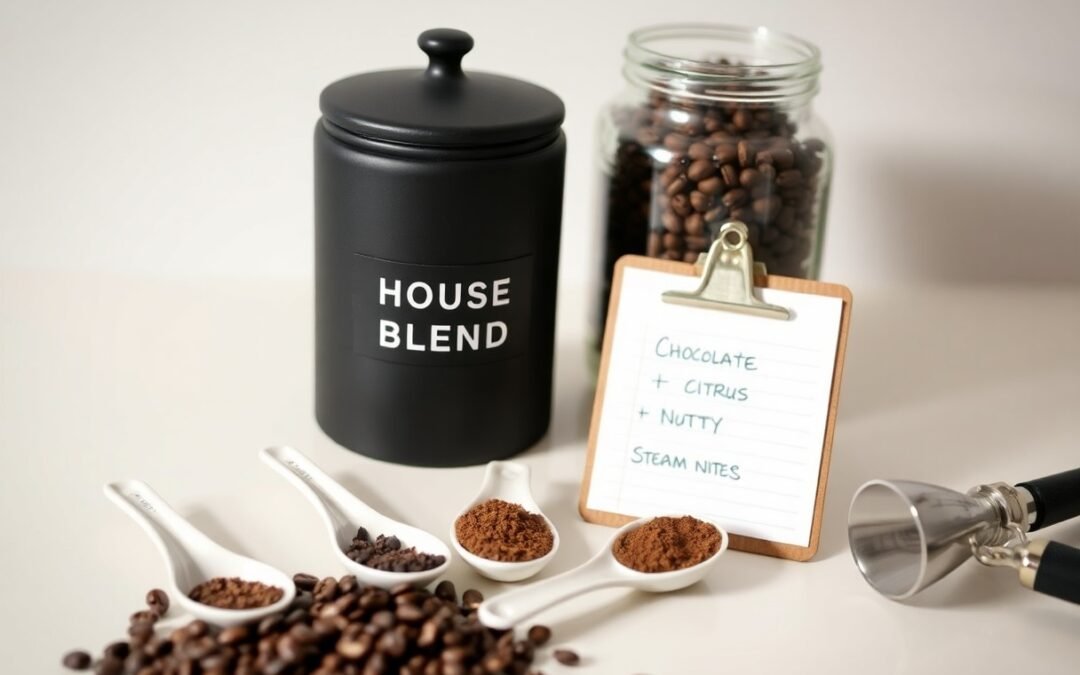
Over time you’ll learn to assess origin, roast level, grind consistency, and flavor balance so you can choose a house blend that delivers fresh, consistent daily brewing-focus on freshness, roast profile, and extraction control to match your taste and routine.
Key Takeaways:
- Choose a balanced medium roast blend for smooth, versatile flavor across drip, pour-over, and French press.
- Pick blends that list a roast date and Arabica-dominant origins to ensure freshness and clear flavor character.
- Buy whole beans in resealable bags, grind just before brewing, and tweak dose and grind size to find your daily sweet spot.
How-to Identify Your Ideal Roast Profile
Roast color and aroma guide you toward your preferred cup, so you should sample beans across roast ranges and note brightness, body, and aftertaste.
Tasting side-by-side helps you learn which notes pop for you, whether citrus and floral in lighter roasts or chocolate and caramel in darker ones.
Distinguishing Between Light, Medium, and Dark Roasts
Light roasts keep origin flavors bright and acidic, so you can detect fruity and floral notes while expecting a thinner body and lively finish.
Matching Roast Levels to Your Preferred Flavor Intensity
If you prefer bright acidity and tea-like clarity, choose lighter roasts and brew with shorter contact times to preserve delicate aromas.
When you favor fuller body and sweeter notes, medium roasts offer balance and versatility; you can increase dose or extend contact time to bring out a syrupy mouthfeel without masking origin character.
Experiment by cupping the same beans at different roast levels and tweaking grind size, dose, or brew temperature so you can isolate whether roast or extraction drives your favorite profile.
Key Factors in Evaluating Bean Freshness and Quality
You assess freshness by aroma, even color, and minimal surface oil; brighter scent and uniform appearance point to recently roasted, well-processed beans.
- Check roast date and origin
- Smell for lively aroma, not stale cardboard notes
- Prefer whole beans over oily, cracked samples
Thou should favor beans packed with a clear roast date and one-way valve seals to keep daily brewing consistent.
The Importance of Roast Dates and Airtight Packaging
Check roast dates and seek beans roasted within the past two to four weeks for peak flavor, and avoid packages without a date.
Choosing Between Whole Bean and Pre-Ground for Longevity
Prefer whole beans if you want longer-lasting aroma; grinding just before brewing preserves volatile oils that define your cup.
Grinding right before extraction gives you fuller flavor, while pre-ground coffee loses bright notes within hours after exposure to air.
Store whole beans in an airtight, opaque container away from heat and light, and grind only what you need to maintain freshness for everyday use.
How-to Decode Tasting Notes and Flavor Profiles
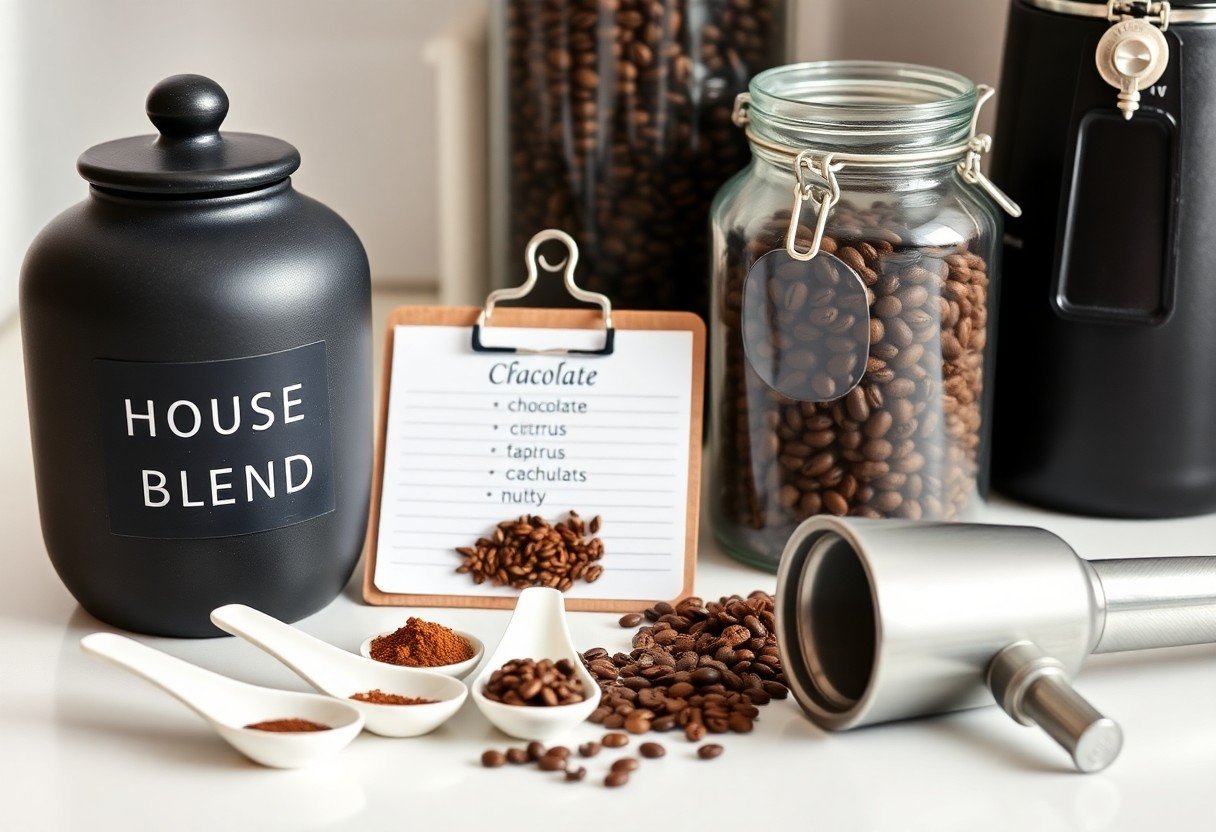
Tasting notes guide you past labels and toward beans that match your daily preference: floral brightness, caramel sweetness, or earthy depth.
Compare descriptions with your brewing method to predict how flavors will express; you’ll prefer blends that complement your grinder, water, and routine.
Recognizing Chocolatey, Nutty, and Fruity Undertones
Notice chocolatey or nutty cues in aroma and sip for a comforting base, while fruity highlights add brightness; you can choose blends that emphasize one or balance both.
Balancing Acidity and Body for a Smooth Morning Cup
Assess acidity by how tingling or crisp a cup feels, and gauge body by mouthfeel; you should seek blends where acidity livens the cup without making it sharp.
Adjust roast level and bean origin to tame acidity or boost body: darker roasts smooth acidity, while Central American beans often bring cleaner acidity and lighter body that you may prefer.
Essential Tips for Selecting Sustainable and Ethical Beans
Start by consulting clear guides like The Art of Choosing Home Coffee Beans for Every Palate so you can set criteria for certifications, roast date, and origin.
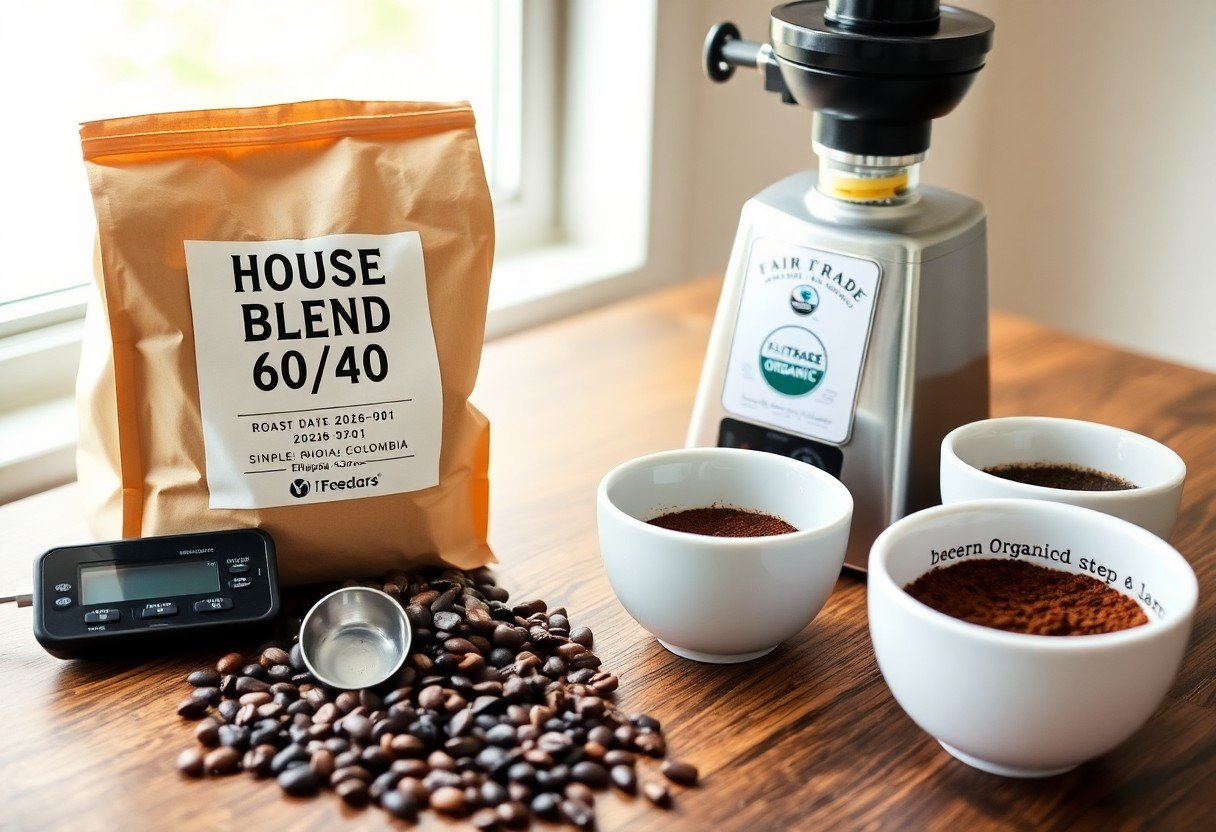
- Check Fair Trade and organic seals
- Favor direct-trade or cooperative sourcing
- Look for roast date and small-batch labels
Choose suppliers who publish traceability details. Recognizing that sustainability improves bean quality and supports farming communities will sharpen your daily picks.
Understanding Fair Trade and Organic Certifications
Understand how Fair Trade emphasizes fair pay and community premiums while organic limits synthetic agrochemicals; you should compare labels and verify certification bodies to match your ethical and flavor priorities.
Supporting Local Roasters for Peak Flavor Quality
Support local roasters by visiting cafés or roasteries so you can taste, ask about roast dates, and buy small batches fresh for your routines.
Explore asking about origin stories and cupping notes to confirm the roast profile suits your preferred brew methods and keeps your beans at peak flavor.
Tips for Matching Coffee Blends to Your Brewing Method
Match roast level and origin to your extraction: choose light, bright single-origins for pour-overs to highlight clarity, medium blends for drip to balance sweetness and acidity, and darker roasts for immersion methods that reward body and depth.
- Pour-over: light-medium roasts, fine to medium-fine grind, emphasize clarity
- Drip: medium blends, consistent grind, balanced profile
- French press: medium-dark, coarser grind, full body
- Cold brew: low-acidity beans, coarser grind, long steep
Selecting the Right Beans for Drip and Pour-Over Systems
Select light-to-medium roasts and cleaner-origin beans for pour-over so you can taste nuance, while you should favor balanced medium blends in drip machines to smooth variations in grind and brew time.
Best Blend Characteristics for French Press and Cold Brew
Prefer medium-dark blends with chocolate, nut, or caramel notes for French press to build mouthfeel, and choose low-acid, naturally sweet beans for cold brew so your concentrate stays smooth and sweet.
Thou should combine Brazilian sweetness with Sumatra’s earthiness, roast slightly darker for more body, grind coarse, and steep longer for cold brew while using four to five minutes for French press to achieve the texture you want.
Final Words
With this in mind, you should choose beans that match your preferred roast and brewing method: medium roast for balance, single-origin for clarity, or blends for consistency. Check roast date, aroma, and tasting notes, buy from roasters that list origins and tasting profiles, grind fresh to your brewer, and start with small bags until you find a daily favorite.
FAQ
Q: What exactly is a house blend and why choose one for everyday brewing?
A: A house blend is a consistent mix of two or more coffee origins selected to deliver a balanced, repeatable flavor profile for daily use. It combines complementary beans to smooth extremes of acidity, bitterness, or body so your cup stays familiar from batch to batch. Many coffee drinkers prefer a house blend for routine brewing because it reduces variability and performs well across different methods and grind sizes.
Q: Which roast level works best for an everyday house blend?
A: Medium to medium-dark roasts tend to work best for everyday blends because they preserve origin character while adding approachable sweetness and roundness. Lighter roasts highlight origin-specific acidity and floral or fruity notes, while darker roasts increase body and caramelized flavors but can mask nuance. Choose a roast that matches your taste preference and your typical brew method.
Q: How should I decide between single-origin and blended beans?
A: Blends are designed for balance and consistency, making them ideal for a house blend used daily. Single-origin beans shine when you want specific regional characteristics and are great for tasting sessions, but they can vary more between lots and seasons. Select a blend if you want reliable everyday flavor; pick single-origin when you want to explore distinctive notes.
Q: What flavor profile should I look for in a house blend?
A: Look for a balanced profile with moderate acidity, medium body, and clear sweetness so the coffee feels versatile and satisfying across preparations. Tasting notes often listed on bags can help: aim for combinations like chocolate/caramel with a fruit or nut undertone for complexity without extremes. Match the profile to how you drink coffee-milk-based drinks benefit from richer, chocolaty blends while filter coffee can highlight brighter, cleaner notes.
Q: How important is roast date and how should I store beans?
A: Roast date is important because coffee is freshest within about 2-4 weeks after roasting for most drip and espresso uses; buy beans with a clear roast date and avoid bags older than two months for daily drinking. Store beans whole in an opaque, airtight container at room temperature away from heat and sunlight, and grind just before brewing to preserve aroma and flavor. Freezing whole beans can be acceptable for longer storage but use small portions and avoid repeated thaw cycles.
Q: How do grind size and brew method affect the choice of house blend?
A: Grind size must match your brewing method to extract the intended flavors from a house blend: coarse for French press, medium for auto-drip, fine for espresso, and variable for pour-over techniques. Some blends perform well across methods; others are tailored to a particular extraction style, so check the roaster’s recommendation or test the blend with your usual equipment. Adjust dose and extraction time to compensate if a blend tastes over- or under-extracted.
Q: What practical tips help me choose the right blend when shopping?
A: Start by defining your preferred roast range and flavor notes, then buy small bags from roasters that list roast date and origin information. Compare tasting notes on multiple blends and brew identical recipes at home to judge relative sweetness, acidity, and body. Keep a simple log of grind setting, dose, and brew time so you can reproduce the best results and refine your choice over several purchases.