
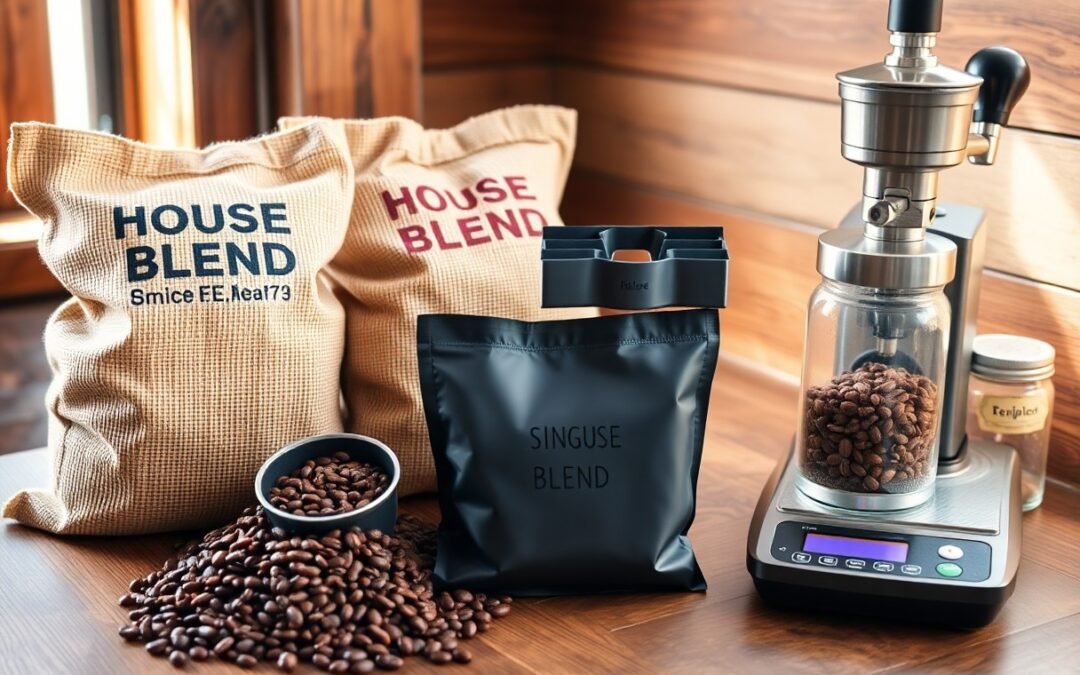
It’s a reliable choice when you want balanced, consistent flavor; house blends combine beans to achieve layered aromas, measured acidity, and steady roast character, giving you a dependable cup that suits varied tastes and refined preferences.
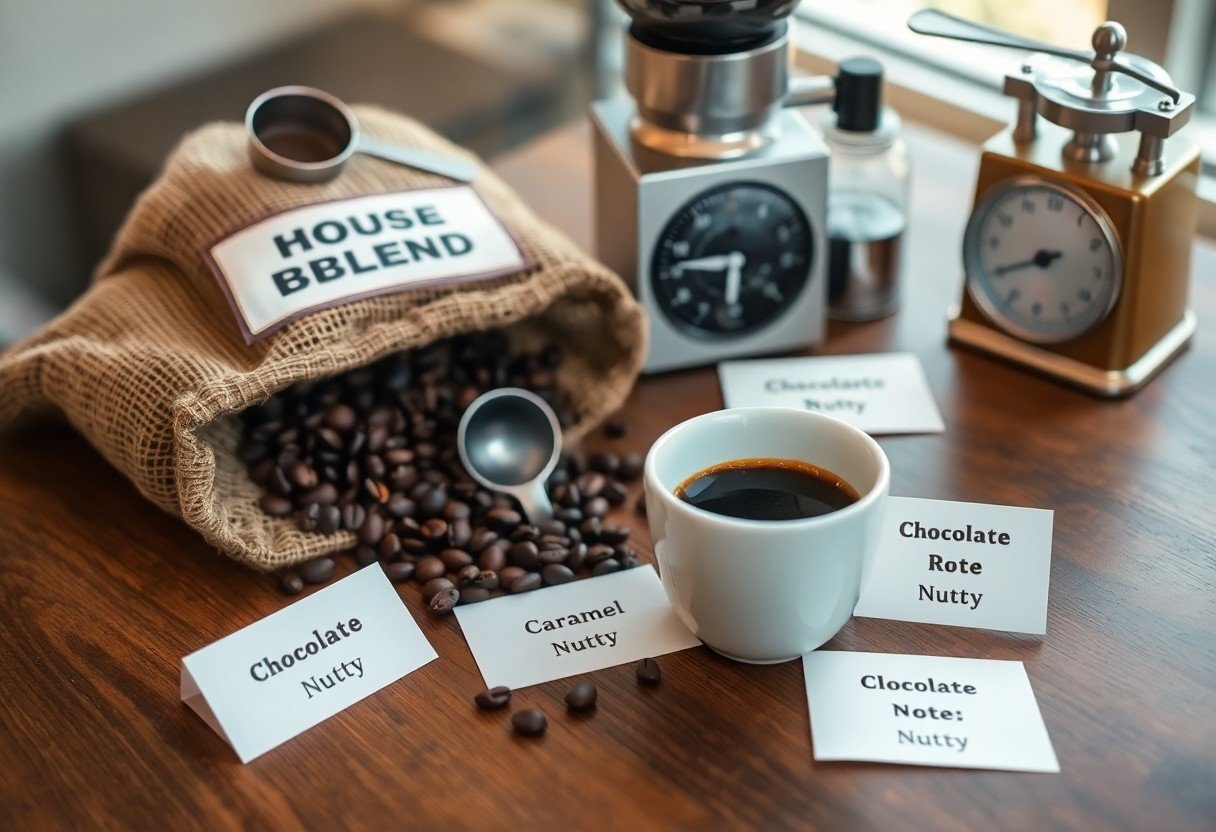
Key Takeaways:
- House-blend beans deliver balanced, consistent flavor profiles that suit many discerning palates by combining complementary origins for measured complexity.
- Customization of roast level and bean ratios determines whether a house blend meets connoisseurs’ preferences for acidity, body, or specific flavor notes.
- Single-origin coffees remain preferable for tasters who prioritize distinct terroir and traceable flavors, while house blends excel as versatile everyday choices focused on balance.
Defining the Modern House Blend
Today you expect a house blend to merge single-origin clarity with everyday reliability, as roasters select complementary beans so you experience layered flavors without cup-to-cup surprises.
Blends give you consistent sweetness, acidity, and body across brewing methods, letting you assess a café’s identity and adapt recipes for espresso, filter, or milk drinks.
The Shift from Commodity Consistency to Artisanal Complexity
Originally house blends prioritized uniformity and cost, but you now look for intentional contrast where origin traits complement rather than cancel one another.
Craft roasters adjust bean ratios and roast profiles so you taste purposeful nuance, making the blend feel both approachable and distinctive in everyday service.
The Role of the Master Roaster in Flavor Curation
Skilled master roasters translate sensory notes into precise roast strategies, guiding you toward brightness, sweetness, or body based on the house signature.
They run microbatches and refine brew parameters so you can rely on the house profile daily, even as green lots shift in character.
Through systematic cupping, blending trials, and incremental roast-curve tweaks, they hone complexity and repeatability so you receive the same intentional flavor in every serving.
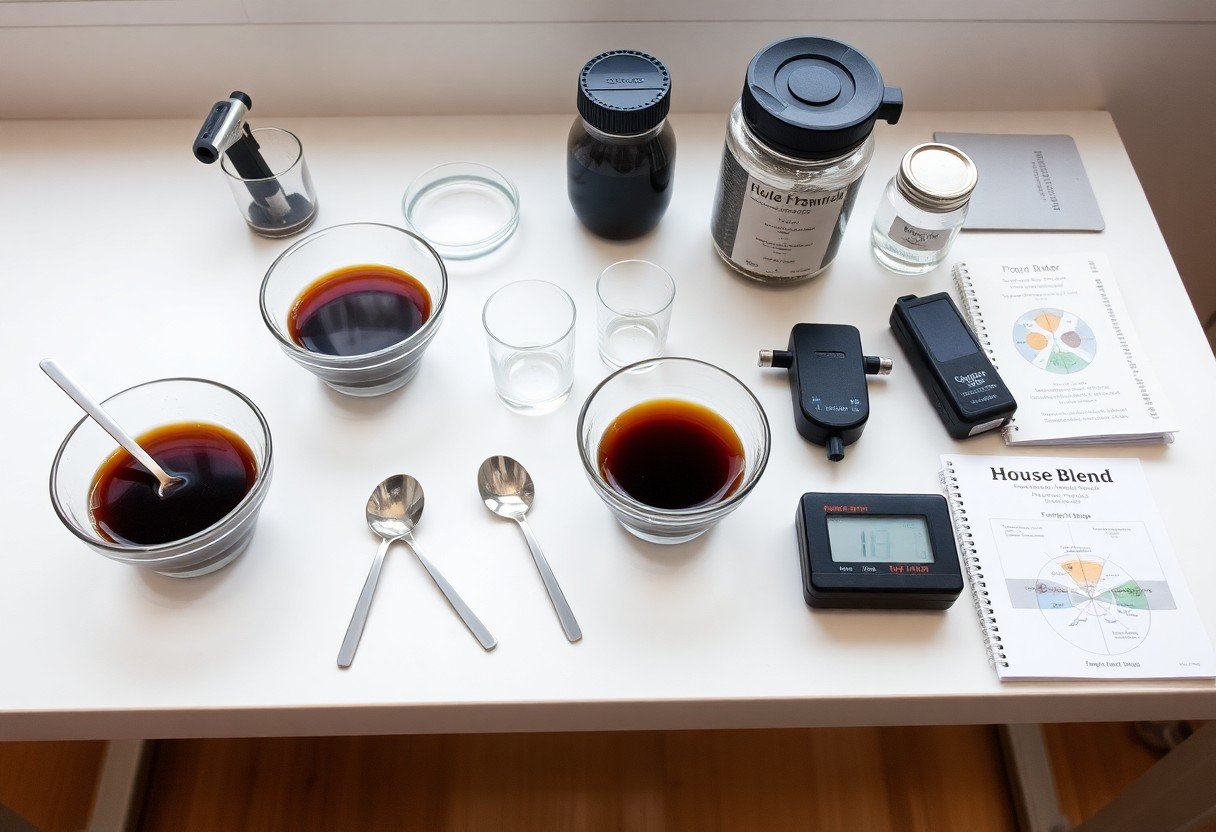
The Science of Balanced Profiles
You notice how a well-crafted blend smooths extremes, giving you a coherent tasting experience that highlights nuanced notes without masking origin character. Small adjustments in roast or extraction shift acidity and body, so you learn to tune parameters for consistency.
Taste consistency is why many roasters publish blend formulas you can study; you can compare cups and trace which component adds brightness or weight. Explore practical examples like House Blend Coffee: A Signature In Every Cup to see balance in action.
Achieving Equilibrium Between Acidity, Body, and Sweetness
Acidity provides clarity, sweetness rounds edges, and body supplies presence; you must adjust grind, dose, and time to let each element speak. Tasting guides help you identify which variable to tweak when one element dominates.
Body influences perceived sweetness, so you select roast levels and origins that support the mouthfeel you prefer while preserving acidity. You can test small recipe changes to reach the equilibrium that matches your palate.
Synergistic Effects of Combining Diverse Geographic Origins
Origin diversity brings complementary acids, sugars, and aromatics that you can combine to craft complexity without confusion. Blending permits you to pair a brighter lot with a fuller-bodied one so the ensemble reads as a unified flavor story.
Blends also reduce seasonal swings, allowing you to maintain a signature cup as harvests vary; you can adjust proportions to bias the blend toward floral brightness or cocoa richness depending on what you want to emphasize.
House Blends vs. Single Origins
You see that the choice between blends and single origins hinges on intention: blends prioritize a signature, repeatable profile while single origins invite you to explore unique harvest stories and microclimates through each cup.
House blends aim to satisfy regular expectations, giving you consistent flavor and dependable balance across batches, which often suits daily routines better than the variable expressions of single-origin lots.
The Expression of Terroir in Single-Origin Beans
Single-origin beans highlight how altitude, soil and processing shape acidity, sweetness and body, so you can trace tasting notes back to a specific place and practice.
Tasting these coffees trains you to notice seasonality and varietal fingerprints, rewarding repeat cupping and a more investigative approach to flavor.
The Orchestrated Harmony of High-End Multilayered Blends
Blends assembled at the high end combine complementary origins and roast profiles so you experience layered complexity rather than a single dominant note, and you appreciate the roaster’s sculpting of balance.
Layered blending lets producers preserve origin character while crafting a cohesive signature, enabling you to detect intentional contrasts-bright acidity against cocoa depth-that sustain interest through the cup.
Complex blending requires meticulous cupping and precise ratios, meaning you can expect formula adjustments across seasons to maintain profile; requesting tasting flights reveals how each component behaves across extraction and roast.
Technical Approaches to Premium Blending
Precision in batch-size control and extraction targets lets you quantify how minor adjustments shift cup balance; sensory labs and cupping protocols narrow acceptable variance for a house blend.
Blend modeling uses component roast curves and extraction parameters so you can predict interactions before locking a recipe, while multivariate analysis highlights which origins stabilize sweetness, acidity, and body at scale.
Pre-Roast Mixing vs. Post-Roast Component Blending
Roasters favor pre-roast mixing to exploit bean-to-bean heat transfer and create uniform roast development, but you should verify green-bean homogeneity to prevent uneven flavors; post-roast component blending gives you precise roast contrast without risking underdevelopment.
Maintaining Profile Integrity Across Seasonal Harvest Cycles
Sampling seasonal lots against a calibrated house standard allows you to adjust ratios so consumers perceive consistency, with blind cupping thresholds set for aroma, acidity, and mouthfeel.
Storage and micro-lot tracking enable you to blend older lots with fresh harvests while preserving sensory benchmarks; run small pilot roasts to validate adjustments before full-scale production.
The Appeal to the Discerning Palate
House blends often respond to your preference for balance and nuance, delivering consistent sweetness, measured acidity, and a controlled finish that invites repeated tasting. You can trace layered notes-dark chocolate, stone fruit, and subtle floral undertones-without single-origin extremes dominating the cup, which sharpens your ability to compare and evaluate subtleties.
Versatility Across Espresso and Manual Filter Extractions
You can dial grind, dose, and extraction to reveal different strengths of a house blend: espresso pulls emphasize body and crema, while pour-over clarity highlights acidity and delicate aromatics. A skillfully composed blend gives you predictable performance across methods, so adjustments reveal flavor facets rather than flaws.
Complexity and Depth of Character in Specialty-Grade Blends
Blends sourced from specialty lots grant you layered complexity where complementary origin traits interact-citrus lift against chocolate base or floral topnotes over a nutty mid-palate-rewarding close sensory work and repeat tastings. This interplay makes each cup a study in contrast and cohesion.
Consider roast degree and component ratios as tools you use to fine-tune those interactions: lighter roasts preserve fruit clarity, while darker profiles amplify caramel and roast-derived sweetness, letting you shape a house blend to suit your preferred tasting profile and brewing setup.
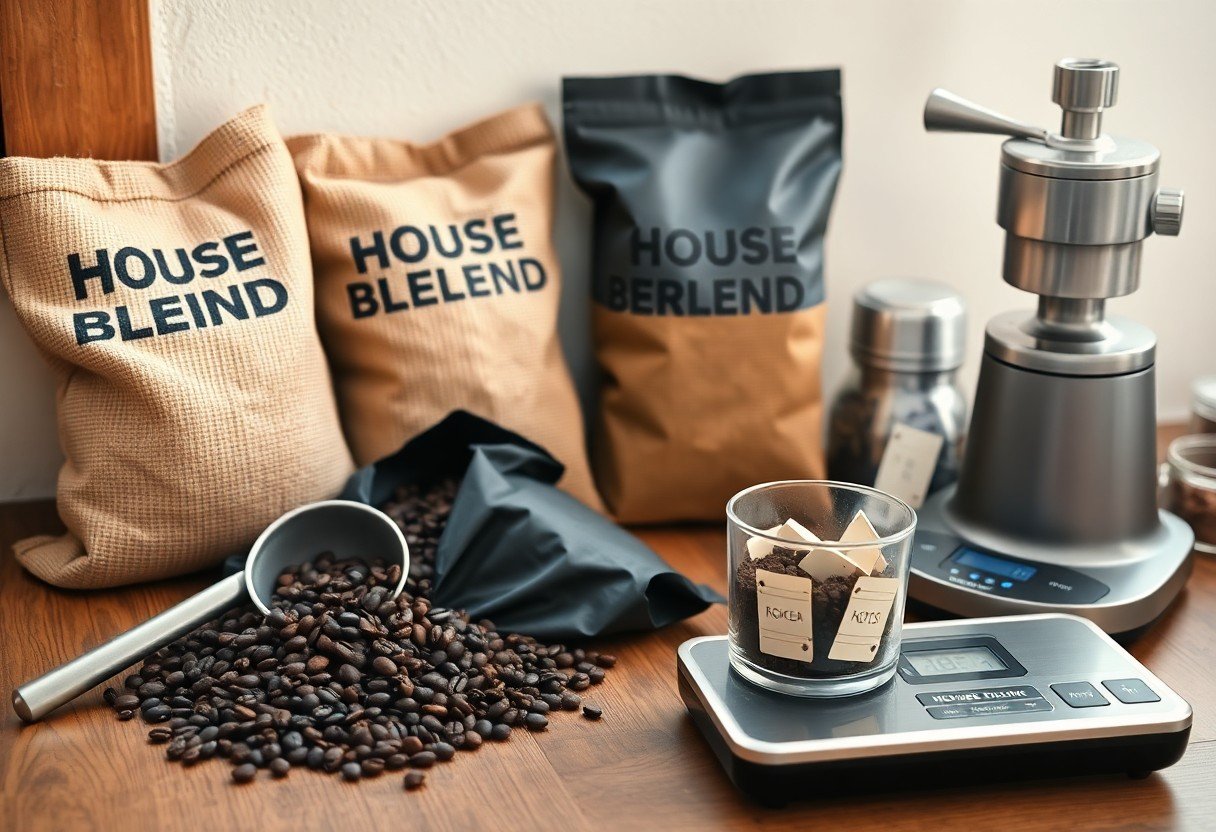
Criteria for Evaluating a Superior Blend
Criteria for a superior house blend emphasize clarity, balance, and consistency so you can judge how it complements varied brewing methods and your flavor preferences.
Balance among acidity, body, sweetness, and finish reveals whether the blend respects individual origins while offering a harmonious cup that suits your palate.
Transparency in Component Sourcing and Ratios
Sourcing transparency lets you verify origin, processing, and ethics, giving you insight into expected tasting notes and long-term quality.
Ratios disclosed by the roaster help you understand how each component shapes acidity, sweetness, and body, enabling you to choose blends aligned with your taste.
Freshness Standards and Optimal Degassing Periods
Roasting dates and recommended use windows allow you to buy beans when volatile aromatics are at their best for your brewing routine.
Degassing timelines differ by bean and roast level; you should allow a short rest after roast to stabilize CO2 but avoid prolonged storage that dulls brightness.
Monitor the first brews for aroma and crema to identify the point where degassing has settled and oils remain vibrant, helping you set storage habits and consumption timing that preserve flavor for your cup.
To wrap up
Following this you should weigh consistency, roast balance, and variety when judging house blend beans; you will find they often deliver dependable flavor profiles that suit many palates while allowing you to fine-tune strength and origin preference. Choose single-origin if you seek distinct terroir; choose house blends if you prefer a crafted, approachable cup that adapts to your routine.
FAQ
Q: What exactly is a house blend coffee bean?
A: A house blend combines two or more coffees from different origins that a roaster mixes to achieve a specific flavor profile. The blend is designed for consistency and balance, often highlighting complementary acidity, body, and sweetness. Roasters tune the blend to represent their signature style across batches.
Q: Are house blends appropriate for discerning palates?
A: Many discerning drinkers prefer house blends because they offer layered flavors without any single origin overpowering the cup. A well-crafted blend can present complexity, clarity, and a pleasing finish that invites repeated tasting. Some palates still favor single-origin coffees to explore distinct regional characteristics.
Q: How do house blends compare to single-origin coffees in tasting and complexity?
A: House blends emphasize harmony between components, producing stable complexity and predictable aroma and mouthfeel. Single-origin coffees showcase terroir-specific notes that can be more singular and sometimes sharper in contrast. Personal preference drives whether a drinker values blended balance or origin transparency.
Q: What roast levels are common for house blends and how do they affect taste?
A: Medium roasts are common because they preserve origin character while developing sweetness and body, creating broad appeal. Darker roasts mask some origin nuances and highlight roast-derived flavors like caramel and chocolate, whereas lighter roasts emphasize acidity and floral or fruity notes. Roasters select roast degree to match the intended flavor expression and brewing method.
Q: Can house blends work for both espresso and filter brewing?
A: Roasters often formulate house blends specifically for espresso or for filter methods, but many blends perform well across both if they balance sweetness, acidity, and body. Espresso-targeted blends typically include beans that add body and crema stability, while filter blends may emphasize clarity and brightness. Home testing with dose and grind adjustments helps optimize extraction for each method.
Q: What should I look for to judge the quality of a house blend?
A: Check roast date, tasting notes, and sourcing transparency to assess freshness and intent; fresher beans and clear origin information usually indicate care. Taste for balance, clean finish, and identifiable but integrated flavor layers rather than muddled or flat profiles. Consistent performance between bags or purchases signals a dependable house blend.
Q: Does choosing a house blend make sense as a default option for someone exploring specialty coffee?
A: Choosing a house blend makes sense for newcomers and experienced drinkers who want a reliable, approachable cup that highlights crafted balance. Selecting a blend offers exposure to complex interplay of coffees without the single-origin extremes that can be challenging. Those seeking to study a single region or varietal should also sample single-origin options alongside blends.