
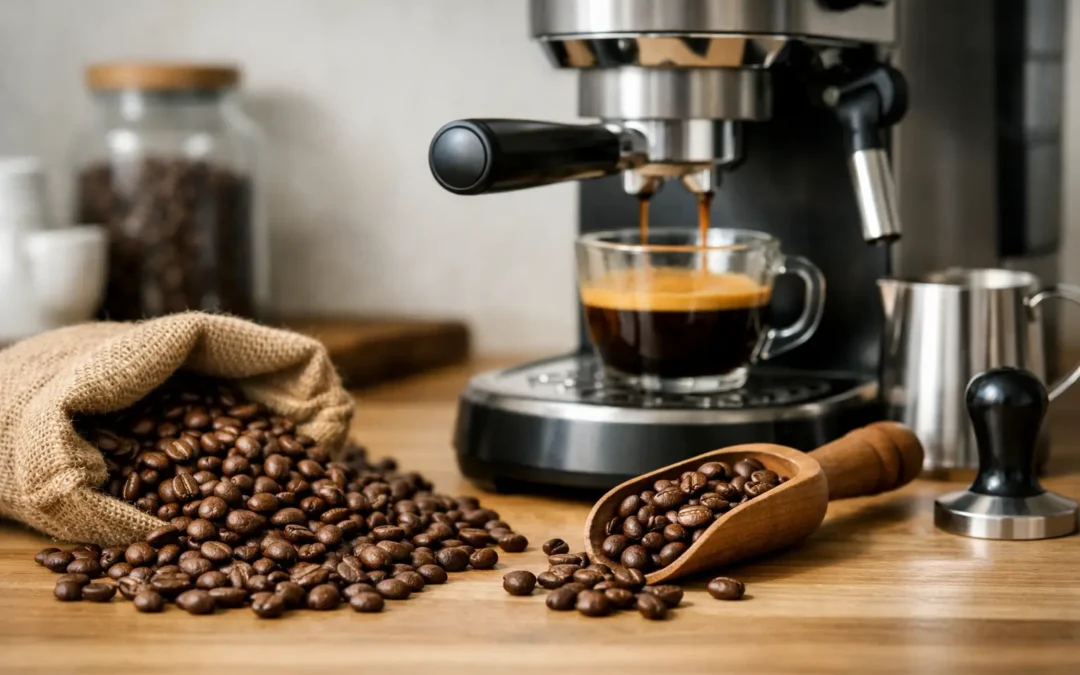
Pulling espresso at home gets humbling fast. One bag tastes syrupy and balanced, the next runs sharp, thin or strangely flat, even when your grinder setting looks close. Finding the best coffee beans for home espresso is less about chasing a perfect label and more about choosing beans that suit your machine, your taste and the way you actually make coffee each morning.
That matters because home espresso is a different environment from a busy café bar. Your machine may run a little cooler, your grinder may have fewer adjustment steps, and your milk drinks probably make up most of what you drink. The right beans can make all of that feel easier. The wrong ones can turn every shot into troubleshooting.
What makes the best coffee beans for home espresso?
Great home espresso beans need to do two jobs at once. They should taste excellent, of course, but they also need to be forgiving enough to perform well outside a commercial setup. In practice, that usually means good solubility, strong sweetness, dependable crema and a flavour profile that still holds its own in milk.
Freshness is the first thing to get right. Coffee roasted recently will usually give you better aroma, more lively extraction and a fuller cup. Too fresh, though, and espresso can behave wildly, with excess gas making shots gush or taste unsettled. For most home setups, beans used around one to three weeks off roast tend to hit a very comfortable window.
Roast profile matters just as much. Many home drinkers assume darker means better for espresso. Sometimes it does make things easier, especially if you want a classic chocolate-heavy cup with lower acidity. But go too dark and you can lose the nuance that makes specialty coffee exciting. A medium to medium-dark roast is often the sweet spot for home espresso – rich enough for body and crema, developed enough for easy extraction, but still bright enough to keep the cup lively.
Blend or single origin for home espresso?
This is where taste and practicality start to split.
Blends are often the safest answer if you want consistency. A well-built espresso blend is designed to balance sweetness, body and acidity, and many are created specifically to shine as milk-based coffee. If your go-to order is a flat white or cappuccino, a blend with notes of chocolate, caramel, nuts or ripe fruit will usually feel more generous and familiar in the cup.
Single origins can be brilliant, especially if you drink short blacks or want more character from your espresso. They can show off florals, berry notes, citrus or stone fruit in a way blends often smooth out. The trade-off is that they can also be less forgiving. On a home machine, a bright washed Ethiopian might taste stunning one day and a bit too pointed the next if your dose, yield or temperature shifts.
For most households, the best coffee beans for home espresso are often blends first, single origins second. That is not a knock on single origin coffee. It is simply a recognition that home espresso rewards balance and repeatability.
How roast level changes your espresso at home
If you want more body, easier extraction and a flavour profile that works beautifully in milk, look towards medium-dark espresso roasts. These beans usually offer cocoa, toffee, roasted nuts and darker fruit notes. They are approachable and reliable, which is exactly what many home baristas want before 7 am.
If you prefer drinking espresso neat and enjoy a brighter, more modern style, a medium roast may suit you better. Expect more acidity, more clarity and more distinct origin character. The shot can feel cleaner and more layered, but it may also demand tighter puck prep and more careful dialling in.
Very light roasts are usually the hardest path for home espresso. They can taste amazing on capable equipment, but they often need finer grinding, longer ratios and more precision than many domestic machines comfortably deliver. If your setup struggles with pressure or temperature stability, a very light roast can be more frustration than reward.
Best flavour profiles for home espresso
The best flavour profile depends on what lands in your cup most often.
If you mainly make flat whites, lattes or cappuccinos, choose beans with a sweetness-forward profile. Chocolate, caramel, hazelnut, biscuit and brown sugar notes tend to cut through milk and stay rounded. These coffees give you that café-style comfort people come back to every day.
If you drink espresso or long blacks, you can be more adventurous. Red fruit, citrus, florals and jammy acidity can be fantastic in a straight shot, especially when balanced by enough body. The key word is balanced. Brightness without sweetness can taste thin. Fruit without structure can feel fleeting.
For homes with multiple coffee drinkers, versatility wins. Beans that can produce a satisfying black coffee and still build a rich milk drink are usually the smartest buy. That style is exactly why espresso blends remain so popular – they meet people where they are.
Freshly roasted beats supermarket coffee almost every time
You can have a quality machine and a capable grinder, but stale beans will still hold you back. Coffee sitting on a shelf for months tends to lose aromatics, crema performance and sweetness. The result is often a shot that looks tired before it even hits the cup.
Buying freshly roasted beans from a specialty roaster gives you a better chance at texture, flavour and consistency. You also get clearer information about roast date, tasting notes and intended brew style. That makes it much easier to buy with purpose instead of guesswork.
For home espresso, whole beans are the better option. Pre-ground coffee goes stale quickly and removes your ability to dial in properly. Espresso is sensitive. Tiny grind changes can move a shot from sour to sweet, or from heavy to clean. If you want café-quality results at home, a grinder is not an extra. It is part of the brew.
How to choose the right beans for your machine
Not every home espresso machine behaves the same way, so the bean that sings on one setup may be awkward on another.
If you have an entry-level machine with a pressurised basket, lean towards medium or medium-dark beans with classic flavour notes. These are usually easier to extract and more satisfying in milk. If you have a prosumer machine and a precise grinder, you can confidently explore more nuanced coffees, including brighter blends and single origins.
Your grinder matters just as much as the machine. If your grinder has limited adjustment steps, avoid coffees that demand razor-fine precision to taste their best. A more developed espresso roast can give you better results with less fuss.
Water also plays a part. Hard or heavily treated water can flatten acidity and mute sweetness. If your espresso suddenly tastes dull despite good beans, the problem may not be the coffee at all.
A simple way to test if beans are right for you
Start with how you drink coffee most often. If 80 per cent of your cups are milk-based, test beans in milk first, not as a straight espresso. A coffee can taste excellent black and still disappear once milk is added.
Next, watch how easily the beans dial in. Good home espresso beans should give you a reasonable sweet spot without making you burn through half the bag. You should be able to adjust grind, settle into a target yield and repeat the result with confidence.
Then pay attention to the finish. Great espresso lingers pleasantly. Sweetness hangs around, bitterness stays controlled, and each sip invites the next one. If the aftertaste drops away quickly or turns ashy, harsh or hollow, that bag may not be your best fit.
Where many home baristas go wrong
A lot of people keep changing beans when the real issue is inconsistency in dose, yield or grind. Others buy exciting light-roast coffees that would shine on a café machine, then wonder why their home shots taste underdone. And plenty of people simply buy too much coffee at once, leaving the last half of the bag to fade.
A better approach is to buy smaller amounts more often, stick with one coffee long enough to learn it, and choose beans designed with espresso in mind. If you want an easier path to rich, balanced home shots, that choice alone can make a big difference.
For Australian coffee drinkers chasing freshness and dependable flavour, a locally roasted espresso blend is often the smartest starting point. That is where specialty roasters such as Lygon Coffee can be especially useful, because freshly roasted beans built for everyday enjoyment tend to perform beautifully across home setups while still delivering the richness and character that make the daily ritual worth upgrading.
The best coffee beans for home espresso are the ones that make your morning feel less like a science experiment and more like a pleasure. Start with fresh beans, choose a roast profile that suits your machine, and favour flavour over hype. Once the cup tastes right to you, you are already on the right track.