
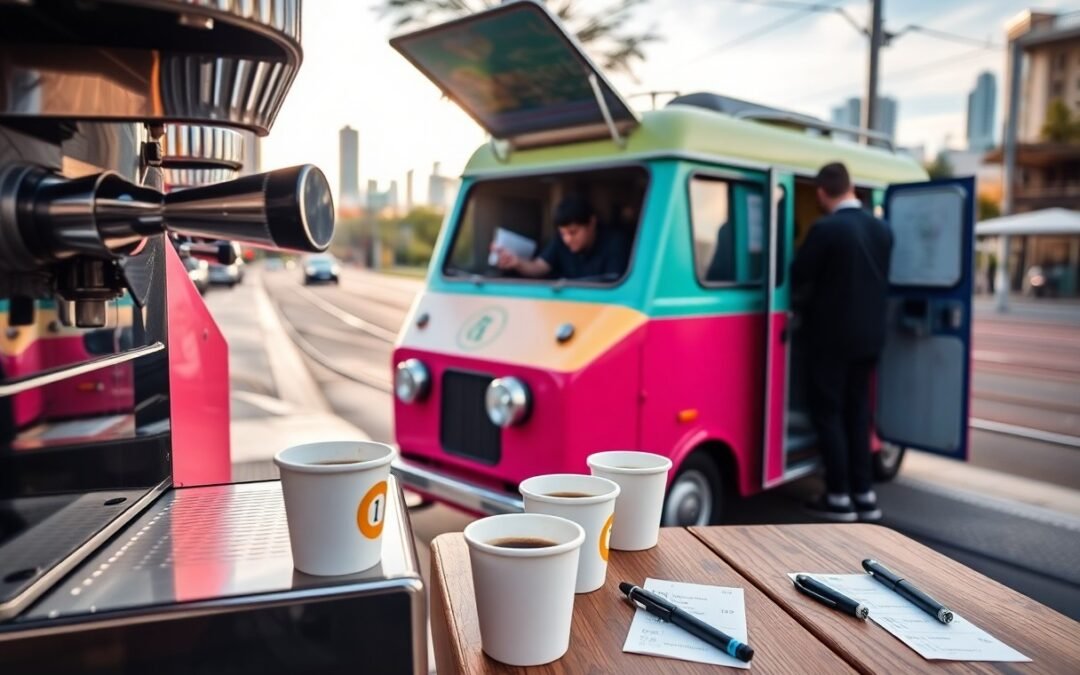
You will learn step-by-step tasting techniques, scoring methods and sensory checkpoints so your palate can identify aroma, acidity, body and aftertaste like a judge; begin your tasting route at the freshBEAN mobile coffee van and apply consistent brewing and scoring to rank Adelaide’s best vans with confidence.
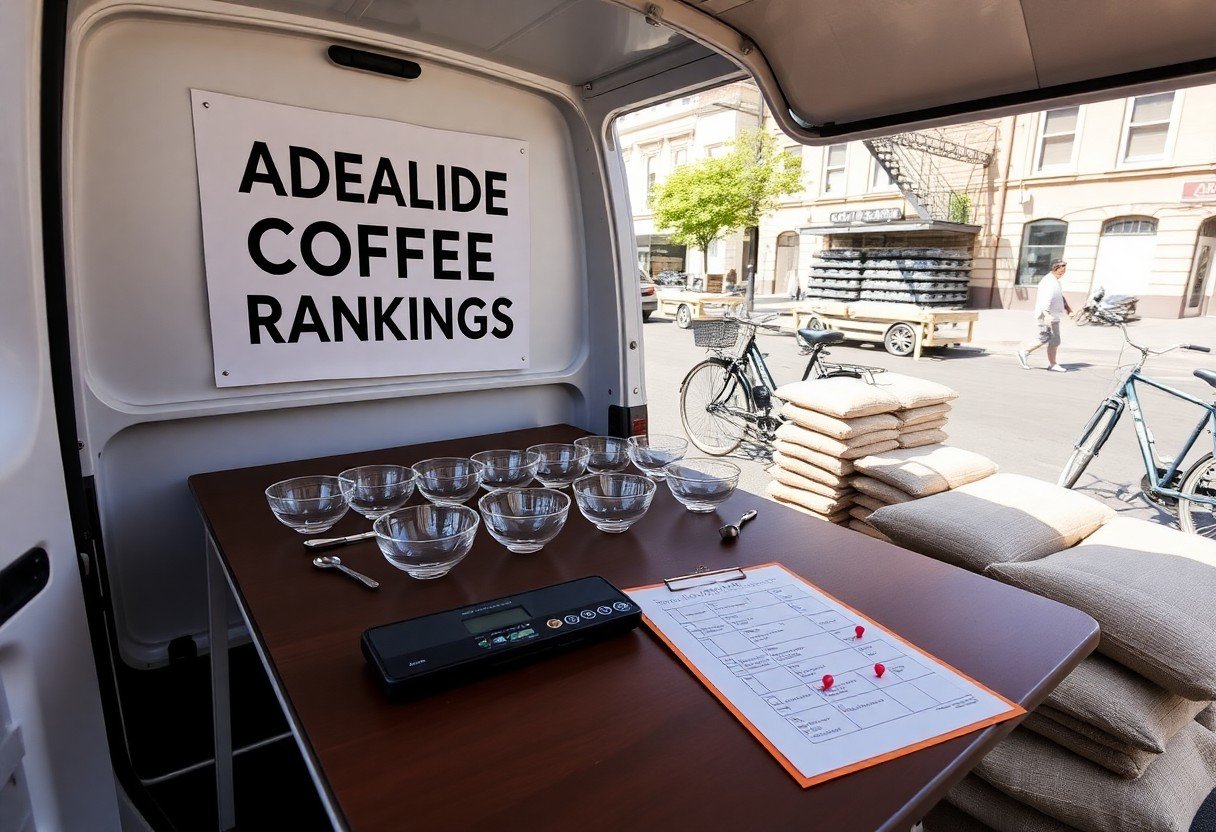
Understanding the Basics of Coffee Tasting
When you taste professionally, you standardize every variable so differences come from the coffee, not the brew. Use consistent dose, grind and water temperature: pro cupping parameters are 8.25 g of coffee per 150 ml water at roughly 93°C, steeping for 4 minutes before breaking the crust to capture aroma; for filter or espresso comparisons stick to repeatable brew ratios (for example, ~1:16-1:18 for filter). Track six core attributes each cup-aroma, acidity, sweetness, body, aftertaste and balance-scoring each on a simple 1-10 intensity scale so you can quantify differences between vans and roasts.
As you proceed through a tasting, calibrate your palate with reference points and keep sessions short to avoid fatigue: limit yourself to 6-8 distinct samples per sitting and rinse with room-temperature water between cups. Note specifics like extraction faults (sour = underextracted; overly bitter or ashy = overextracted) and log grind settings, brew time and ambient temperature alongside sensory notes so you can reproduce or isolate variables when you rank Adelaide coffee vans.
The Importance of Freshness
You should prioritize roast date and grind timing when evaluating vans: whole beans are best brewed within a defined window-many roasters and baristas prefer 3-14 days post-roast for filter brews and roughly 7-21 days for espresso to allow initial degassing while preserving volatile aromatics. Ask the van for a roast date; if it’s older than three weeks, expect muted brightness and reduced complexity. Grinding on the spot is non-negotiable because once ground, exposed surface area accelerates flavor loss-most aromatics dissipate rapidly within hours.
Practical storage and handling matter for your tasting notes: beans should be kept in opaque, airtight containers at stable, cool temperatures and away from moisture-avoid fridges or freezers at a van tasting. Also be aware of CO2’s effect: coffee brewed too soon after roast can show excessive sourness and erratic crema on espresso because of trapped gas, while overly stale beans flatten acidity and floral notes. When possible, compare the same lot at day 3, day 10 and day 21 to see how freshness shifts perceived sweetness, acidity and body.
Key Flavor Profiles to Identify
Focus on specific, repeatable descriptors so your rankings are meaningful: acidity (brightness) can be citric like lemon, malic like green apple, or tartaric like grape; sweetness ranges from honey and brown sugar to caramel; body describes mouthfeel-tea-like, medium or syrupy-and you should distinguish aroma (jasmine, bergamot, chocolate) from aftertaste (clean, lingering berry, cocoa). Use concrete examples to anchor terms: Ethiopian Yirgacheffe typically gives floral jasmine and bergamot notes with tea-like body, Kenyan AA often delivers blackcurrant acidity and pronounced brightness, and Brazilian Santos usually reads as chocolate, nut and heavier body.
To sharpen your ability to identify these profiles, work with the SCA flavor wheel and train against food references-taste a lemon wedge for citric acidity, a slice of green apple for malic, dark chocolate for chocolatey bitterness-and keep a concise tasting log with numeric intensities. Conduct blind comparisons and record grind, dose and temperature so you can link sensory changes to technique rather than expectation.
Essential Tools for Tasting
Must-Have Tasting Equipment
You need a digital scale accurate to 0.1 g, a consistent burr grinder, and a gooseneck kettle with temperature control to hit and hold 93°C for standard cupping work; SCA cupping uses 8.25 g of coffee per 150 ml of water (≈1:18), so precision matters. Include stainless-steel cupping spoons, 150-200 ml cupping bowls or clear tasting cups, a thermometer, and a reliable timer to follow bloom and pour schedules to the minute.
Bring filtered water with TDS roughly in the 50-150 ppm range and basic lab-style extras: a pen and scored cupping form, palate cleansers (plain water and unsalted crackers), spit buckets, and a set of spare disposable filters or towels. When you’re tasting multiple vans in one session, portable kit-battery grinder, 2 L insulated thermos, and a compact 0.1 g scale-lets you maintain consistency across 10-20 samples without returning to a fixed base.
Preparing Your Tasting Area
Set up a clean, neutral space with a white or light surface and daylight-balanced lighting (around 4000 K) so you can judge color and crema reliably; ambient temperature of about 20-22°C helps aromatic perception. Arrange samples left-to-right from lightest to darkest roast, label them with numbers or codes, and position spoons, cups, and spittoons so you can move through 6-8 samples in a predictable workflow.
Control odors and noise: keep scented products, exhaust fans, and strong food smells well away from the area, and provide plain water for rinsing between tastes. Time the cupping protocol-bloom for 3-4 minutes, break the crust, then taste while the brew is roughly 65-75°C-to capture peak aromatic and flavor notes consistently across venues.
For mobile setups like coffee vans, secure equipment with non-slip mats, carry at least three spare batteries and 10 extra cupping spoons, and use stackable trays or clipboards to save bench space; an insulated 2 L jug and a small LED lamp will make consistent brewing and judging possible even on busy streets.
How to Conduct a Taste Test
You should plan sessions to avoid palate fatigue: limit each tasting block to 5-7 coffees and run no more than two blocks per day, with at least 30 minutes between blocks. Use blind codes and a randomized order so brand recognition doesn’t skew judgments; for a practical example, assign three-letter codes and randomize with a phone app or shuffled cards. Aim to test each van using the same format-espresso and a filter if possible-and note roast date, brew parameters and time since brew on your score sheet.
Keep concise records so you can later compare apples-to-apples: log dose, yield, extraction time for espresso (example: 18-20 g in, 36-40 g out, 25-35 s) and brew ratio for filter (example: 1:15-1:17, 12 g in : 180-204 ml out, water at 92-94°C). When working through samples, score aroma, acidity, body, flavor clarity and aftertaste on a defined scale and take photos of crema or bloom for visual reference-these small data points make the difference when you compile rankings for Adelaide’s best coffee vans.
Setting the Right Environment
Choose a neutral, low-odor space with stable ambient temperature so sensory perception stays consistent; cafés with heavy food smells should be avoided. Standardize vessels: use identical 120-150 ml cups for espresso and 200-250 ml pour-over vessels for filter tastings, and serve within 60-90 seconds of brewing for espresso and within 3-6 minutes for filter to evaluate the intended temperature and aroma profile.
Provide plain water and unsalted crackers as palate cleansers, and keep background noise under conversational levels-excessive noise raises stress and affects tasting accuracy. If you’re testing vans outdoors in Adelaide’s heat, shade the tasting area, chill your water to 12-15°C for palate rinsing, and record environmental variables (ambient temp, wind) because they influence extraction and cooling rates.
Steps for a Systematic Approach
Start by defining your objective-best overall, best espresso, best value-then recruit the vans and agree on sample types. Prepare a randomized tasting order and blind codes, then standardize brew parameters: for espresso try 18 g dose to 36-40 g yield in 25-35 s; for pour-over use 1:15-1:17 ratio with water at 92-94°C and a 2-3 minute total brew time depending on filter. During tasting follow a consistent ritual: smell (aroma), slurp to aerate (identify acidity and flavor), note body and sweetness, and finish with aftertaste and balance, scoring each attribute immediately on your prepared sheet.
Between samples enforce timed rests-about 60 seconds for espresso and 2-3 minutes for filter-to let your palate reset; if you have more than six samples in a block provide spittoons to avoid fatigue. After everyone has completed the block, compile scores and discuss outlier notes; if two vans are within 2% of each other on the composite score run a head-to-head re-taste using the same blind protocol.
Use a weighted scoring system to reduce subjectivity: assign weights (example: aroma 15%, acidity 20%, sweetness/complexity 25%, body 15%, aftertaste 15%) and score each metric on a 0-10 scale, then calculate a weighted total to rank vans. For improved reliability have at least three tasters per session, report median and mean scores, and include roast date and time-since-roast as tie-breakers-this produces defensible, reproducible rankings you can present as Adelaide’s freshest top picks.
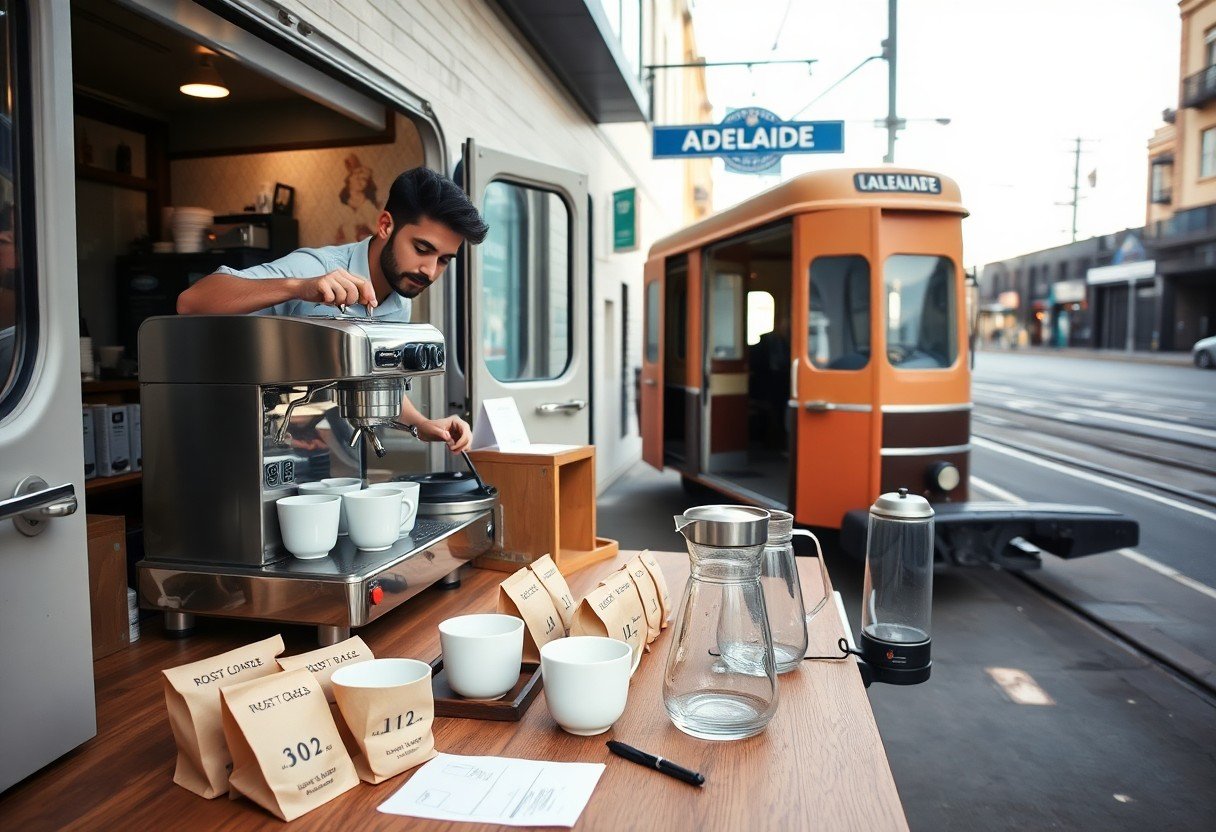
Factors Influencing Flavor Quality
Several variables interact to determine what you perceive in the cup: origin and altitude, processing and roast profile, freshness and grind particle distribution, plus water chemistry and extraction parameters. For example, beans grown above 1,200-1,500 m tend to show brighter acidity and more floral or citrus notes, while lower-altitude lots often present heavier body and chocolate or nutty tones; processing matters too-natural Ethiopians frequently register jammy fruit and pronounced sweetness compared with the cleaner, tea-like clarity of washed Central American lots.
- Origin and varietal genetics (e.g., Bourbon, Typica, SL28, Geisha)
- Altitude and microclimate (higher altitude → higher acidity)
- Processing method (washed, natural, honey, anaerobic fermentation)
- Roast level and roast-to-cup age (optimal windows vary by brew method)
- Grind distribution, water temperature, brew ratio, and extraction time
- Water quality (TDS ~100-200 ppm, balanced minerals) and equipment cleanliness
When you score vans during a tasting, treat these factors as variables to isolate: change only one at a time (grind, dose, or temperature) to see its effect on clarity, sweetness, acidity and body; for instance, at a recent local cupping you can differentiate two Adelaide vans serving the same Ethiopian lot simply by their roast date and grind setting, with the fresher-roast, slightly coarser grind delivering more pronounced floral top notes and cleaner finish.
Coffee Bean Varieties
You’ll notice varietal genetics set the baseline for flavor: Arabica (which makes up roughly 60-70% of global production) generally offers higher acidity and complex aromatics compared with Robusta’s heavier body and greater bitterness. Specific cultivars-Bourbon and Typica bring sweetness and balance, SL28 and SL34 are associated with bright citric acidity and blackcurrant-like fruit, and Geisha will often show jasmine, bergamot and stone-fruit clarity when properly processed and roasted.
Varietal expression is amplified or muted by altitude and post-harvest handling: a washed SL28 from 1,600 m in Kenya will taste markedly different to a low-altitude Bourbon processed natural in Brazil. You should log variety, elevation and processing in your tasting notes-those fields explain repeatable patterns across vans and help you predict which offerings will sing through espresso versus filter brews.
Brewing Methods and Techniques
Extraction parameters are where you exercise control: espresso typically uses a 1:2 brew yield (e.g., 18 g dose → 36 g beverage) with 25-30 seconds extraction at 92-96 °C; pour-over (V60, Kalita) favors a 1:15-1:17 ratio at the same temperature range with pulse pours to manage flow; French press works well at 1:12 with a 4-minute steep; Aeropress recipes often sit around 1:14 with inverted methods yielding fuller body. You’ll want to record dose, grind setting, water temp, and total contact time for each method to compare consistently.
Grind consistency and water quality make or break reproducibility: target a TDS in service water near 100-200 ppm with balanced calcium/magnesium to highlight sweetness and body, and keep grinders calibrated-tiny changes (0.2-0.5 on a stepped grinder) shift extraction significantly. In practice you might find an Adelaide van dialing an 18 g dose to a 36 g yield over 28 s gives optimal sugar development, whereas another van’s blend needs a slightly coarser grind and longer contact to avoid over-extraction.
If a cup tastes sour, under-extraction is the likely culprit-adjust by making the grind finer, increasing dose by 0.5-1 g, or raising temperature by 1-2 °C; if it tastes bitter or hollow, coarsen the grind, shorten brew time by 5-10 seconds, or reduce dose slightly. Assume that a single, small parameter change (for example, 0.2 on grind or 0.5 g dose) can produce a perceptible difference in sweetness and clarity and therefore should be your first controlled tweak when comparing vans.
Tips for Evaluating Coffee Vans
When you appraise a van, check both the technical markers and the softer signals: shot times, yield ratios, milk temperature and staff knowledge. Dial in expectations – an espresso shot pulled at a 1:2 ratio (18 g in → ~36 g out) in 25-30 seconds is a useful benchmark, while steamed milk should sit around 60-65°C for a balanced mouthfeel. Also verify bean freshness on-site: a roast date within 7-14 days for medium roasts and 3-10 days for darker roasts often gives the best tasting window for mobile setups.
Use a compact scoring sheet for on-the-spot notes: score aroma, acidity, body, balance and aftertaste on a 1-10 scale and mark service time, price and presentation. You’ll avoid palate fatigue by tasting no more than 5-7 coffees per block and by cleansing between samples with water or an unsalted cracker; this keeps comparisons consistent and repeatable when you compile your rankings.
- Equipment check: commercial machine with PID control, burr grinder (stepped or stepless), and a clean steam wand – look for recent maintenance stickers or visible cleaning between drinks.
- Workflow and speed: note queue times and whether drinks are produced consistently under 3 minutes during peak periods without sacrificing extraction or milk texture.
- Bean handling: sealed bags, labelled roast dates, and a clear single-origin/roast profile list show good stock rotation and transparency.
- Menu clarity and pricing: clear descriptions, defined pour-over versus espresso options, and sensible price differentials ($6-$8 for single-origin pour-overs is common in Adelaide pop-ups).
- Barista knowledge: staff who can state roast date, origin and tasting notes, and who adjust grind between shots demonstrate hands-on quality control.
- Any van that rotates single-origin beans weekly and posts roast dates signals active sourcing and transparency.
Observing Service and Quality
You should watch how the team manages peak flows: the best vans keep extraction times stable while producing consistent tamping, dosing and milk stretching. If a barista pulls consecutive shots with consistent flow (no channeling, similar 25-30s timings and 1:2 yields) it indicates a reliable grind-to-dose routine. Check the steam wand between drinks for cleanliness and listen for a focused, high-pitched steam sound that indicates proper texturing rather than boiling.
Engage the service briefly to probe depth of knowledge: ask for the roast date, the recommended extraction ratio, or how they adjust for changes in humidity or temperature. You’ll notice true quality when staff explain adjustments (e.g., “we opened the grinder two clicks for the cooler morning”) and when every cup arrives with the same aroma and crema quality – these are operational signs that the van prioritises reproducible taste over speed alone.
Identifying Unique Offerings
Seek vans that present a clear point of difference: rotating single-origin espressos, a dedicated pour-over selection (V60, Chemex or AeroPress), nitro cold brew on tap, or house-made ingredients like syrups and tonics. Unique offerings often come with a storytelling element – origin details, processing method and cupping notes – which you can test by noting whether the tasting notes match what you perceive in the cup (e.g., citric acidity, milk-chocolate body, clean bergamot finish).
More information comes from how they price and package these items: a $2-$3 premium for a single-origin pour-over compared with a house blend espresso is reasonable if the van can articulate provenance and brew parameters, and if presentation (vessel, pour technique) enhances the tasting experience. Evaluate whether the uniqueness is substantive – different processing methods, experimental roasts or local-collab food pairings – or just veneer; substantive differences will hold up across repeat visits and justify a higher score in your final ranking.
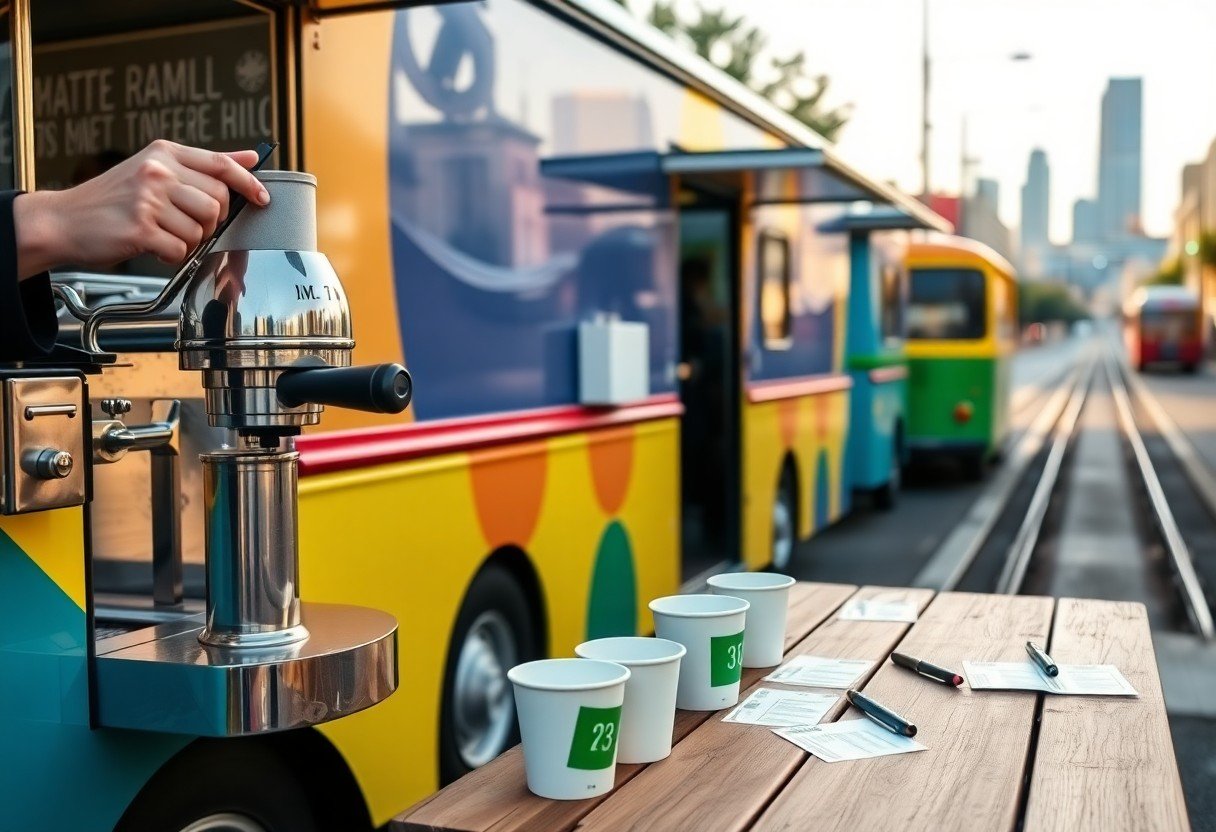
Ranking Your Top Picks
You should narrow the field to a manageable shortlist-typically the top 20% of vans from your initial round (for example, 5 out of 25 or 7 out of 35). Re-taste those finalists across different days and times so your final ranking reflects consistency, not a single lucky, quiet morning; aim for at least two visits per van and five independent tasters when possible to reduce variance.
Present each finalist with a full score breakdown and concise tasting notes: overall score (0-100), weighted sub-scores, temperature on service, bean origin, roast date, and a photo of the pour. Use bands to interpret scores (90-100 = exceptional, 80-89 = excellent, 70-79 = good, <70 = needs work) so readers can quickly see where a van excels or falls short.
Criteria for Scoring
Use clearly weighted categories (example: Aroma 15%, Body 25%, Acidity/Balance 20%, Extraction/Crema 20%, Temperature & Service 10%, Value 10%) and a 1-10 point scale per category; convert to a 0-100 combined score. For transparency, show the raw sub-scores: if a van gets Body 8/10 (25% weight) that contributes 20 points to the total, while Aroma 7/10 (15% weight) adds 10.5 points.
Apply objective deductions for technical faults: under/over-extraction = -5 to -12 points depending on severity, serving temperature outside 58-65°C = -3 to -8 points, stale or off beans = -10. Log contextual details-queue length, machine issues, barista technique-so marginal differences between vans are backed by facts rather than opinion.
Compiling Your Final Rankings
Calculate final scores by averaging weighted totals across tasters, but mitigate outliers by dropping the single highest and lowest score if you have five or more tasters (with seven tasters, drop top and bottom and average the remaining five). Require a minimum sample size-five independent scores or two visits-before a van is eligible for the published top list to keep rankings statistically meaningful.
Resolve ties with pre-set tie-breakers: first use consistency (lower standard deviation across tasters), then higher extraction/crema sub-score, then head-to-head re-taste. Include a confidence note: with five tasters expect a typical margin of error of ±3-5 points; with ten tasters that tightens to ±1.5-2.5 points.
Finalize the list with published scorecards and methodology-date(s) of tasting, number of tasters, and adjustments applied-so your readers can assess the robustness of each ranking; for top three vans perform a verification visit within seven days and annotate any changes to scores or ranking after verification.
Final Words
From above you can methodically assess each Adelaide coffee van by standardizing variables-grind, dose, water, and brew time-so your palate compares like for like; score aroma, balance, body, acidity, and aftertaste, take notes on roast dates and extraction details, and use blind or repeat tastings to reduce bias so your rankings reflect consistent cup quality and peak freshness.
When you apply your rankings, factor in convenience, price, and service alongside cup scores so your final list serves real-world choices; by tasting regularly and refining your scoring criteria you will quickly identify the freshest Adelaide coffee vans and make confident picks that align with your personal preferences.