
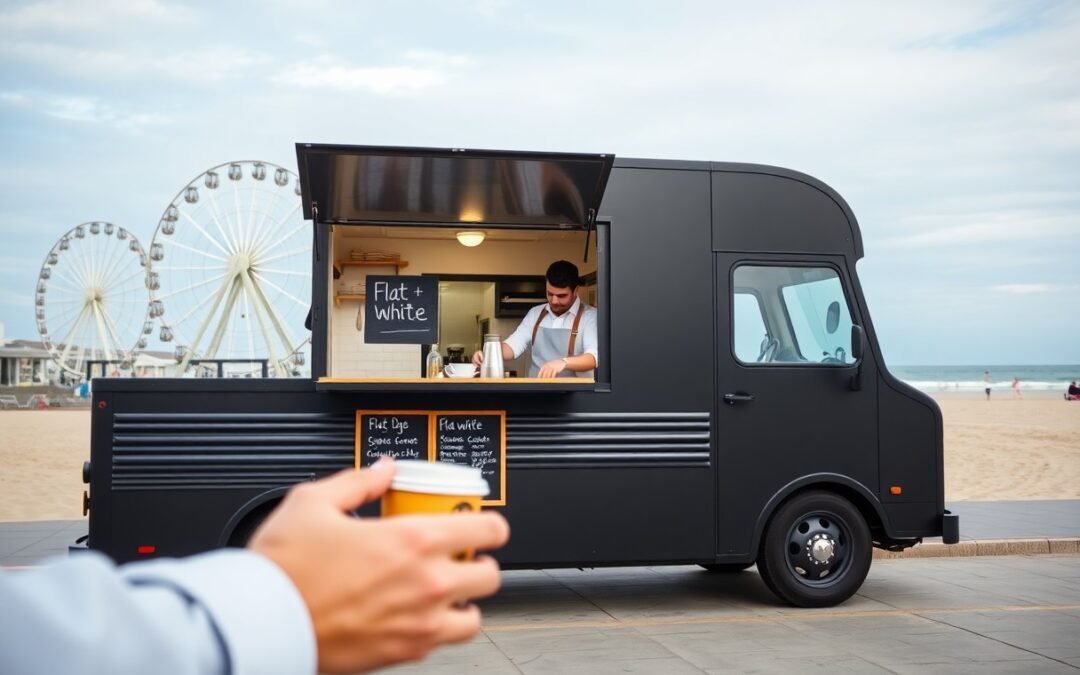
Over the past decade you’ve seen Adelaide’s coffee-van scene refine into predictable pockets of excellence; this guide shows where you’ll find the most sublime mobile brews, what to order, best times to visit, and how to judge bean sourcing and extraction so your takeaway cup rivals any specialty café.
The Rise of Coffee Vans in Adelaide
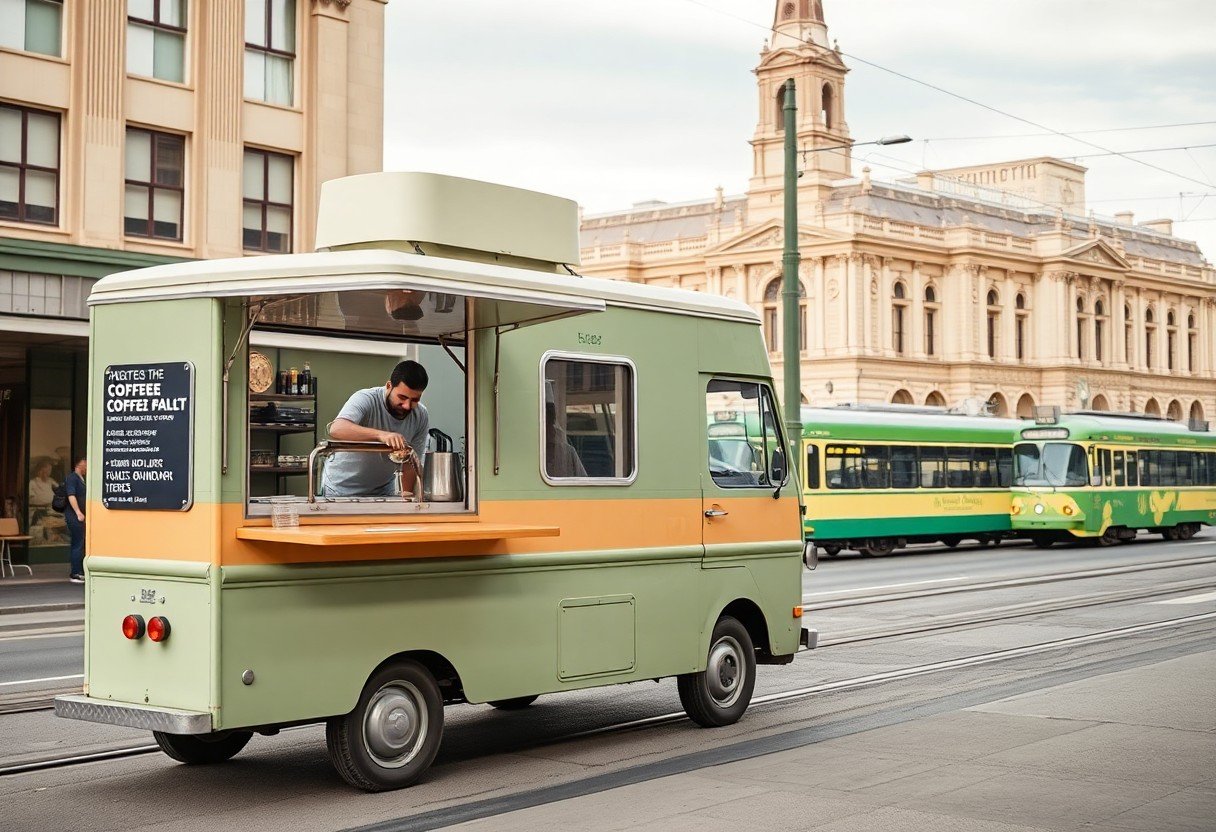
Over the last several years you’ve likely noticed a steady increase in mobile coffee setups around the city – from weekend markets to construction sites and corporate car parks. What began as a handful of boutique trailers has expanded into dozens of operators, driven by lower startup costs compared with brick-and-mortar cafés and a demand for faster, on-site service; at festivals and busy precincts a single van can serve 200-400 cups in a day. You now find vans integrated into event programming and weekday commuter routines, filling gaps where permanent cafés aren’t viable.
Many operators combine speed with specialty credentials, so you can get a single-origin flat white without the usual wait. For example, local businesses like the Coffee Run – Adelaide’s FASTEST Mobile Coffee Vans promote rapid service and event-ready setups, while others focus on curated tasting experiences. This diversification means you’re not just buying convenience anymore – you’re choosing between fast, high-volume service and slower, curated coffee moments depending on where you go.
Popularity and Community Impact
When you arrive at a park, market or college campus and see a coffee van, you’re witnessing more than a transaction: these vans have become micro-hubs for social interaction. They often anchor pop-up economies at weekend markets and festivals, increasing foot traffic for nearby vendors and contributing to a livelier street scene. At large events such as the Adelaide Fringe and local farmers’ markets, mobile cafés can account for a significant slice of onsite hospitality, sometimes representing 20-30% of beverage sales during peak hours.
On the employment side, you’ll notice vans supporting local roasters, baristas and small-scale suppliers; many operators source beans from Adelaide roasteries and employ part-time staff for festival seasons, creating flexible local jobs. Community initiatives have also emerged: several mobile operators run charity days, donate surplus coffee to volunteers, or offer loyalty deals to regulars, so your daily pick-up can have a direct local impact beyond caffeine.
Unique Offerings and Experiences
You’ll find a wide spectrum of offerings tailored to different needs – from nitro cold brew on tap and pour-over tasting flights to contactless quick-serve espressos for morning commuters. Many vans are fitted with commercial-grade machines, water tanks and generators that let them replicate café-standard extraction on the move; a typical well-equipped van can produce 50-120 espressos per hour depending on staffing and workflow. Operators also package branded event services, providing multiple vans for festivals or pop-ups and customised menus for corporate functions.
For more immersive experiences you can book setups that include demonstration stations, latte-art battles, or cupping sessions where you sample three single-origin coffees side-by-side. These curated formats are increasingly popular at product launches and weddings, and they let you engage with provenance, roast profiles and brewing technique in ways a standard takeaway queue doesn’t allow.
Top Locations for Coffee Vans
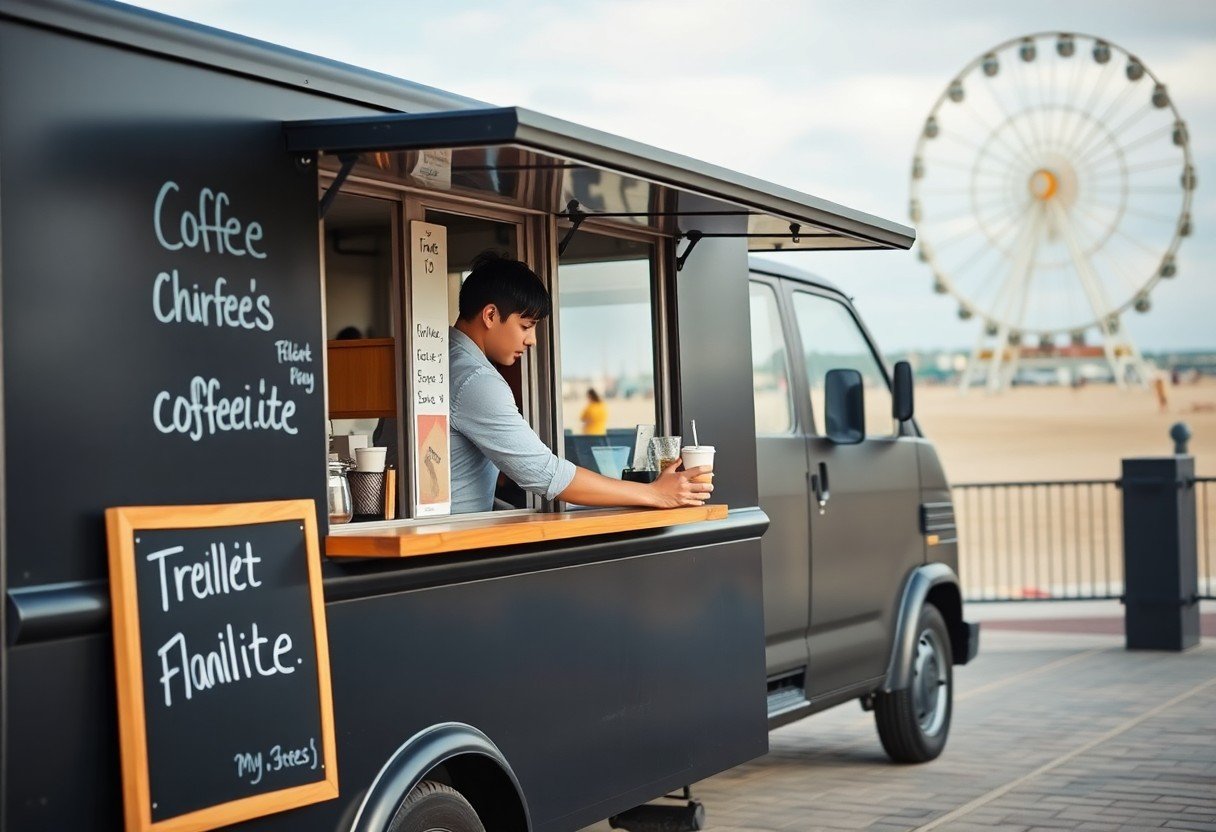
City hubs and high-traffic precincts consistently deliver the best returns: Adelaide Oval (capacity 53,500), the North Terrace cultural strip, and the eastern edge of Rundle Mall see constant footfall during weekday peaks and event days. You’ll also find that the Adelaide Park Lands (around 760 hectares surrounding the CBD) create a ring of opportunity – weekends, lunchtime weekday walkers and sporting fixtures all provide predictable spikes in demand you can schedule around.
Seasonality and timing matter: peak trading windows are typically 7-9am for commuters, 11am-2pm for lunch crowds and 3-6pm on event days. When you scout a site, factor in access to pedestrian thoroughfares, public transport stops and nearby amenities; sites with tram access or adjacent markets routinely convert casual passers-by into repeat customers.
Parks and Outdoor Spaces
Elder Park, Botanic Park and the Glenelg foreshore are examples where picnickers and tourists generate steady, family-friendly business, especially on weekends and public holidays. You can expect heavier foot traffic around scheduled activities – for instance, weekend farmers’ markets, park runs and outdoor concerts – so positioning near playgrounds, picnic shelters or riverfront promenades will boost visibility and dwell time.
Practical logistics will determine feasibility: you’ll need to plan for vehicle access, generator placement and waste collection, and check local bylaws for parking and trading in the Park Lands. Successful operators often rotate locations within the Park Lands to capture different micro-markets across the week, serving several hundred customers over a busy weekend when correctly positioned.
Events and Festivals
Major festivals like Adelaide Fringe (over a million annual attendances) and WOMADelaide (more than 100,000 attendees) concentrate large, diverse crowds and are prime revenue opportunities if you secure a good pitch. You should target multi-day festivals where repeat customers form across sessions; weekend-only events can bring intense short-term sales but require sharper forecasting for stock and staff.
Vendor selection is competitive and organisers typically allocate sites by footfall estimates, trading history and menu uniqueness, so developing a festival-ready offer – limited-menu specials, fast service systems and cashless payments – increases your chances of being chosen and of maximising turnover on-site.
Plan permit applications 6-12 weeks ahead, prepare a compliant food safety plan and budget for site fees that can range from a few hundred to several thousand dollars depending on the festival scale; liaising early with event organisers about power, water and waste services will prevent last-minute downgrades to your trading capability.
Signature Coffee Styles and Techniques
Local Roasters and Beans
You’ll notice most top vans curate beans from small-batch South Australian roasters – often Adelaide Hills and Barossa micro-roasteries – where batches commonly range from 5-20 kg to preserve freshness and traceability. Many vans rotate single-origin lots seasonally (Ethiopian naturals, Colombian washed microlots, Brazilian naturals) alongside a house blend tuned for milk drinks; that translates to clearer origin notes in your filter cup and a stable, chocolatey profile for lattes you order daily.
You can ask baristas about roast dates and processing: a lot of vendors will list roast dates within 7-14 days for espresso beans and 3-10 days for filter beans to hit peak development. Expect direct-trade callouts and micro-lot statistics-farm altitude, variety, and processing method-on vans that partner with specialty roasters, letting you match your taste to specific farms instead of generic labels.
Innovative Brewing Methods
Many coffee vans push beyond standard espresso and drip by offering Aeropress, V60, Chemex, and cold-drip on demand; you can get a V60 brewed at 1:15-1:17 ratio using 92-96°C water for a 2:30-3:30 minute drawdown, which highlights citrus and floral notes in single-origin Ethiopians. A growing number also serve nitro cold brew from kegs – poured at around 3-4°C through a nitrogen-infused tap – giving you a creamy, stout-like mouthfeel without dairy, ideal at outdoor events where refreshment matters.
Your experience changes when vans use espresso techniques tuned to mobile conditions: commercial lever or pump machines set to 9 bar with a 25-30 second extraction (a 1:2 brew ratio, e.g., 18 g in to ~36 g out) deliver consistent crema even during a busy service. Some operators add heat-stabilized PID controllers and micro-steamers to maintain temperature stability across hundreds of shots per shift, ensuring your flat white tastes the same at the first and three-hundredth order.
For deeper technical detail, consider water and extraction metrics that these vans monitor: specialty standards aim for brewed coffee strength of 1.15-1.35% TDS and an extraction yield of 18-22%, so vendors adjusting grind size, dose, and brew time on busy service days help keep flavor profiles within those ranges. You can watch baristas change grind settings by a few notches or tweak pour rates to hit those targets, which is why asking about their TDS meter or extraction routine often reveals how seriously they take quality.
Customer Experience: What to Expect
Atmosphere and Ambiance
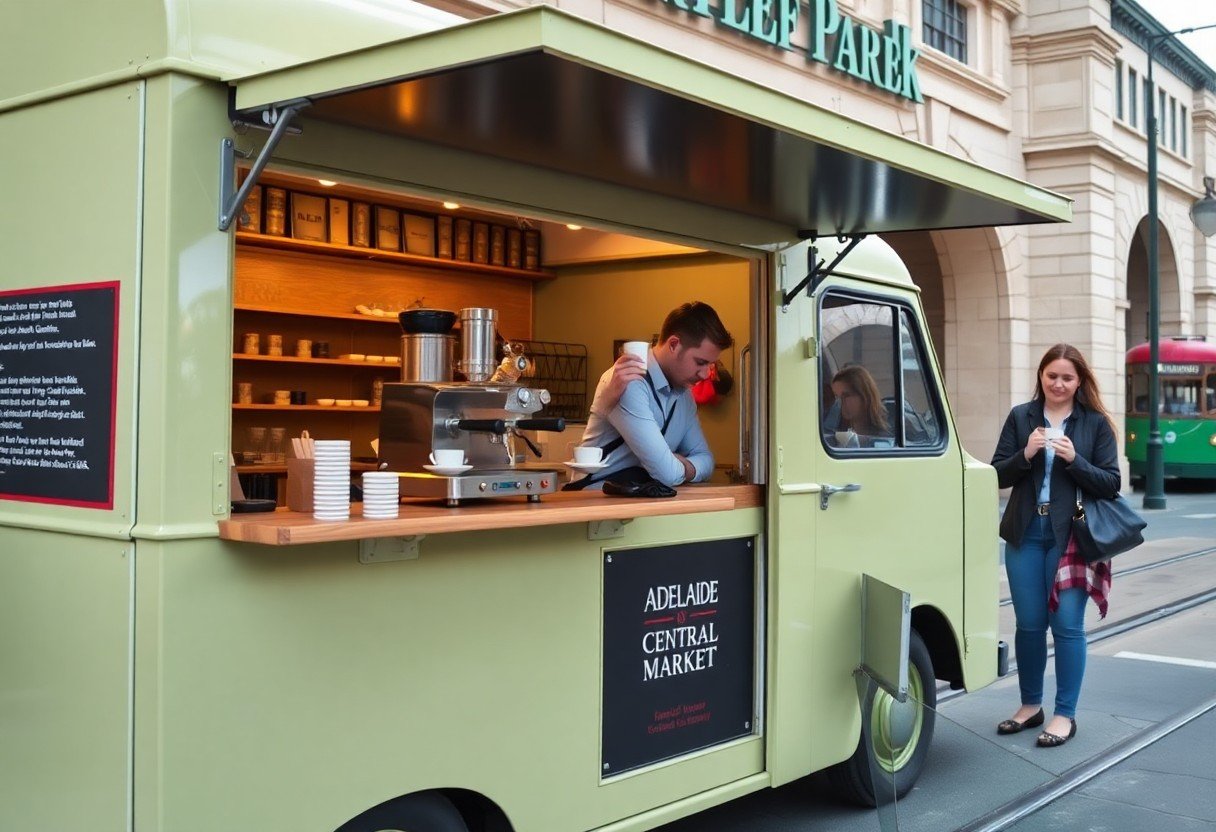
When you step up to a top Adelaide coffee van, the vibe is usually compact and purposeful: a 3-5 metre serving footprint, a small sheltered queue area and a few fold-out stools or picnic benches nearby. Many vans position themselves beside attractions – think Adelaide Central Market, Rundle Mall pop-ups or flank roads around Adelaide Oval – so you’ll often be surrounded by event chatter; during the Adelaide Fringe and markets, busy vans report serving between 500-1,200 cups on a single day, which shapes a lively, festival-like atmosphere.
Shade, heaters and quick-serve layouts matter more than plush seating, so your comfort will depend on timing and weather more than décor. Several operators add subtle touches – curated playlists, menu chalkboards with tasting notes, or a small display of the roaster’s bags – that let you linger if you choose; otherwise the design is intentionally efficient to keep queues moving and maintain consistent drink quality under pressure.
Service and Interaction
Expect service to be brisk but informed: many vans aim for a 60-90 second turnaround on standard espresso-based orders, with contactless and EFTPOS accepted as the norm to speed transactions. Staff frequently offer tasting descriptors (chocolate, stone-fruit, citrus acidity), and you’ll find options for single-origin pour-overs, decaf, and at least three milk alternatives – oat, almond and soy – displayed on the menu so you can customise without asking for the basics.
On busier mornings baristas manage queues using simple tech and systems – order boards, numbered tickets or a social-media pre-order window – which can reduce your wait to under two minutes if you pre-order. Staff training often extends beyond tamping and steaming: top vans rotate grind settings every 30-60 shots, keep shot timers visible, and will adjust extraction on demand, so you can request a longer pull or a ristretto and expect measurable, consistent changes.
For dietary needs and preferences you’ll usually be well covered: vans typically label allergens, provide decaf and cold-brew options, and can prepare low-lactose or heat-adjusted milks on request; if you’re sensitive, asking about cross-contamination policies up front will clarify how the van handles shared steam wands and serving vessels.
Sustainability and Ethical Practices
Many Adelaide vans make sustainability part of their identity, so you can expect more than just fair-sounding labels when you order. You’ll see certifications like Fairtrade or Rainforest Alliance listed on menus, but the best setups go further with direct-trade relationships that trace beans to a specific farm or co-op and typically involve paying 15-25% premiums to producers. That level of transparency means your single-origin flat white can often be tracked back to a region or lot, which helps you assess both quality and social impact.
You’ll also notice operators measuring outcomes: some vans publish monthly waste-diversion figures or ingredient sourcing percentages so you can judge their claims. If you care about provenance, choose vendors that name their roasters and dairy suppliers; several mobile coffee businesses in Adelaide now aim to source 70-90% of perishables within a 50 km radius to cut food miles and support local suppliers.
Sourcing Ingredients Responsibly
You’ll find ethical sourcing extends beyond beans-milk, syrups, and pastries make a big difference to the supply chain. Many vans partner with South Australian dairies for fresh milk and with nearby bakeries for same-day pastries, reducing transport and supporting local jobs. If you want to minimise environmental and social impact, look for vendors that disclose seasonal menus and rotate suppliers to reflect what’s locally and ethically available.
When you ask about plant-based milks, notice how operators handle procurement: oat and almond milks often come from regional processors who provide ingredient origin info, while coconut and soy varieties may carry broader supply-chain risks. Choosing a van that lists supplier names or offers direct-trade beans gives you confidence that your cup supports fair wages and traceable production rather than opaque commodity chains.
Eco-Friendly Practices
You’ll see several practical measures on the ground: reusable-cup discounts (commonly 20-50 cents), compostable cup and lid programs, and clear waste-sorting stations at popular stops like festival precincts and farmer’s markets. A growing number of vans use battery-electric or hybrid generators and energy-efficient grinders to cut diesel use, and some deploy 200-400W solar arrays on trailer roofs to power lights and refrigeration during daylight events.
More detailed initiatives are emerging that you can look for when choosing where to buy. For instance, vendors reporting an 60-80% diversion rate to composting and recycling are becoming more common, and a few operators contract with local organics processors to turn spent coffee grounds into soil amendments-so your leftover espresso puck contributes to urban agriculture rather than landfill.
How to Discover New Coffee Vans
Social Media and Online Communities
Search Instagram using hashtags like #AdelaideCoffee, #CoffeeVan and #AdelaideFood, and filter by geo-tags in areas you frequent – Rundle Street, the Central Market precinct and Glenelg are common hotspots. Follow 10-20 local van accounts and enable post and story notifications so you get real-time location updates; many vans post daily schedules, pop-up times and pre-order links in Stories.
Join Facebook groups such as Adelaide Foodies and the r/Adelaide subreddit to catch late-night sightings and event tips from locals. Check Eventbrite and individual market pages for vendor lists before you attend large events (Adelaide Fringe pop-ups and Central Market weekends often feature rotating vans), and save recurring vendors to a Google Maps list so you can track where they typically set up.
Local Recommendations and Reviews
Use Google Maps to search “coffee van” or “mobile coffee” within a 5 km radius, then sort by rating and recent reviews; target vans with 4.0+ stars and 20+ reviews to gauge consistency. Scan reviewer comments for specifics like service speed, price range (standard espresso drinks commonly sit between $3.50-$5), signature beans and whether the van accepts card or only cash, and rely on recent photos to confirm the current menu and setup.
Ask baristas at your favourite cafés, market stallholders and venue managers – they often know which vans use the same roastery or turn up at the same weekly markets. Tap into workplace Slack channels, neighbourhood Facebook pages or Nextdoor for real-time tips and photos of queues so you can time your visit or find quieter locations.
Conclusion
With this in mind, you can pinpoint Adelaide’s most sublime coffee van experience by seeking vendors that combine consistently excellent extraction, transparent sourcing, and an engaged barista culture-often found at weekend markets, pop-up precincts, and city festivals. Trust your senses and local reviews to guide you toward vans that prioritize fresh beans, calibrated equipment, and a menu that reflects seasonal care; those are the hallmarks that elevate a quick cup into a memorable encounter.
When choosing where to go, use your judgement on quality over hype: check recent customer feedback, sample a single-origin espresso or house blend, and note whether the team explains origin and roast with confidence. By following the vans that demonstrate technical skill, ethical sourcing, and a commitment to consistency, you’ll reliably find the standout mobile coffee experiences across Adelaide.