
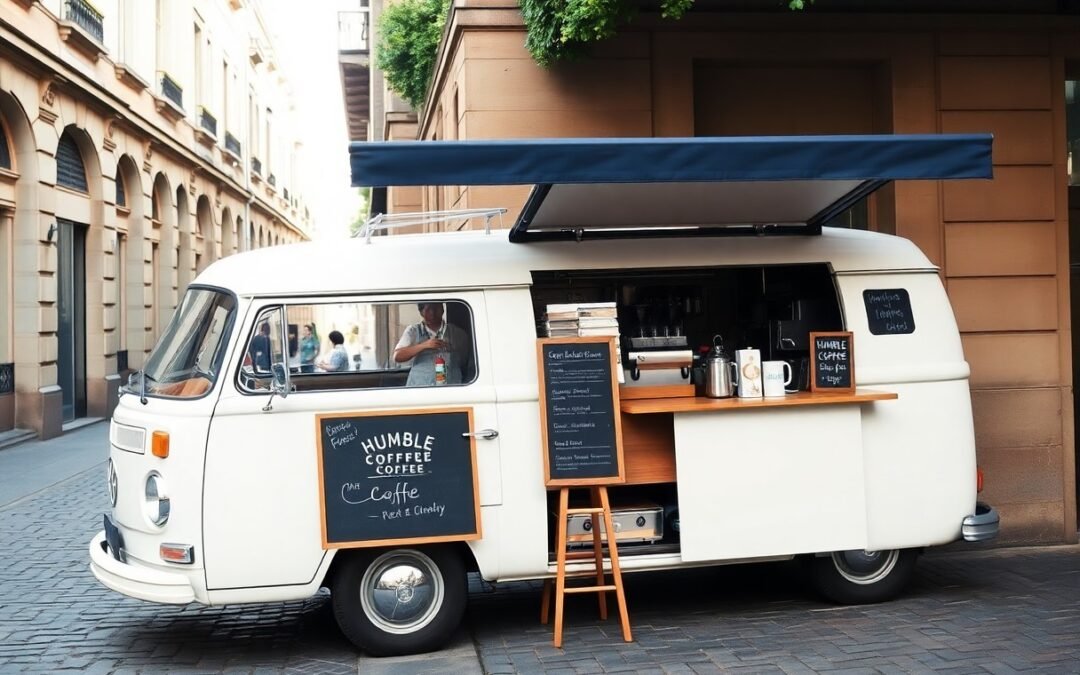
With a humble coffee van in Adelaide, you witness how mobility, transparent sourcing and expert brew methods bring artisan coffee to unexpected corners, altering daily routines and tasting expectations; this post shows how your neighborhood stall can elevate quality, foster community ties, and challenge traditional cafés by prioritizing craft, freshness and accessibility.
The Rise of Artisan Caffeine Culture
Defining Artisan Coffee
You can identify artisan coffee by how transparently the beverage is crafted: beans scored 80+ on the Specialty Coffee Association scale, single-origin or micro-lot lots roasted to highlight origin characteristics, and brew ratios tailored to the method – for example a 1:2 espresso ratio or a 1:16 pour-over extraction. Baristas in this scene treat variables like dose, grind, water temperature and extraction time as deliberate tools; a 25-30 second shot window and water at 92-96°C are typical starting points for reproducible results.
When you order from an artisan setup, expect to pay a premium that reflects provenance and technique – commonly $3-5 for a single-origin espresso in Australia – but you also get practices such as light-to-medium roast profiles to preserve acidity, on-roast-date labelling, and tasting notes that map floral, citrus or chocolate descriptors to specific farms and processing methods.
The Role of Local Sourcing
You see local sourcing translate into fresher cups because beans roasted within 7-21 days of brew retain volatile aromatics that define clarity and sweetness; many mobile operators in Adelaide partner with nearby roasters to ensure the van’s stock is roasted no more than two weeks prior to service. Local sourcing also shortens logistics: vans can restock daily from roasteries or hubs like Adelaide Central Market, avoiding long cold-chain routes that flatten delicate flavour compounds.
Besides roast-to-cup freshness, your community benefits when vendors pay premiums or enter direct-trade agreements – typically 10-30% above commodity rates – with importers and roasters who, in turn, invest in traceability and farmer relationships. Concrete examples include pop-up vans at WOMADelaide and farmers’ markets that feature beans roasted by Adelaide-based micro-roasteries and milk sourced from Adelaide Hills dairies, creating a visible local loop you can taste in the cup.
Seasonality and menu agility are another advantage: because local roasters receive smaller, more traceable shipments, your van can rotate single-origin offerings every 4-8 weeks and highlight processing variations (washed, natural, honey) – giving you a chance to experience origin-to-origin differences and allowing the van to market limited-run coffees that build returning customers.
The Adelaide Coffee Scene
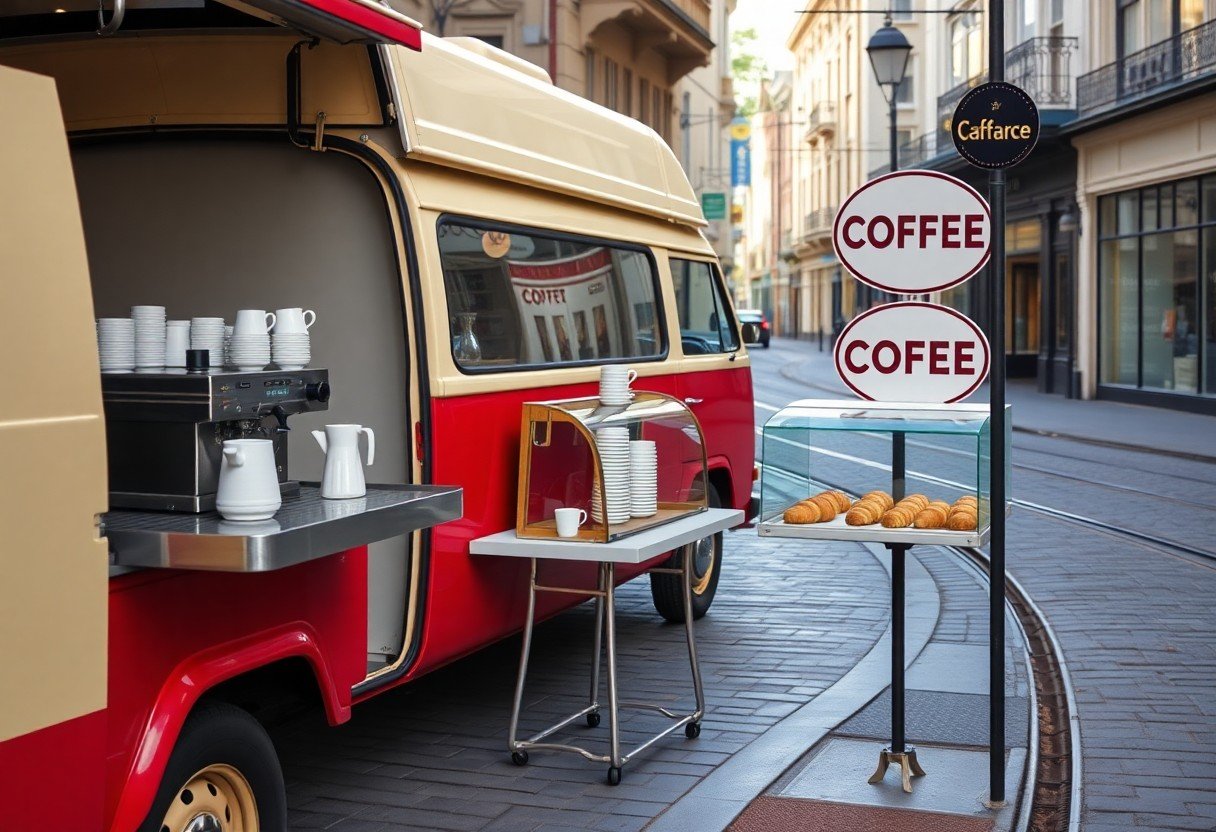
In neighbourhoods from North Adelaide to the East End you can see a clear shift: independent micro-roasters and agile coffee vans are taking prime spots next to long-standing corner cafés. Over the past decade dozens of small-batch roasters have appeared, bringing single-origin espresso, seasonal filter programmes, and on-site tasting flights that let you track a bean from farm to cup. Your choices now range from precision pour-overs measured to the gram to quick, masterfully pulled espressos served from a converted van at weekend markets.
Supply-chain transparency and sustainability shape what you buy as much as flavour profiles. Many operators are switching to compostable packaging, reusable cup schemes, and certified micro-lot sourcing, and you’ll find collaborations with purpose-driven suppliers – including initiatives like noissue’s Eco-Alliance – becoming standard for cafés and vans that want to align ethics with aesthetics.
Historical Context
Italian and Greek migration helped seed Adelaide’s early espresso culture; by mid-century you had neighbourhood cafés serving straight espresso and short blacks that shaped local tastes. Those post-war corner shops established habits around quick, strong coffee and communal counter culture that still underpin how you experience a morning brew in many suburbs.
From the 1990s into the 2000s a wave of specialty-minded roasters and baristas introduced lighter roasting profiles, origin labelling, and filter brewing techniques. Since then you’ve seen a steady evolution toward third-wave principles: traceable sourcing, roast transparency, and barista craft, so your expectations now include single-origin options, tasting notes, and origin stories on the menu.
Current Trends and Influencers
Mobile caffeine – coffee vans and pop-ups – are no longer novelty acts; they function as testing grounds for new roast profiles and direct-to-consumer relationships, letting you sample micro-lots before a café commits to a wholesale buy. You’ll also notice a blend of commerce and education: weekend workshops, cupping sessions, and sensory labs invite you to learn flavour vocabulary and brewing technique, deepening consumer sophistication across the city.
Social channels and local food writers accelerate trends quickly, with Instagram aesthetics driving demand for visually distinctive latte art, curated interiors, and collaborative events. You can trace new menu formats – cold brew blends, nitro on tap, and espresso flights – back to influential pop-ups and market stalls that proved consumer appetite before wider adoption.
Additionally, partnerships between roasters, vans, and hospitality venues are shaping how you encounter coffee: pop-up residencies at breweries, late-night van services outside music venues, and market takeovers let roasters reach different audiences while testing scalable concepts for bricks-and-mortar expansion. Those on-the-ground experiments frequently inform broader menu and service trends across Adelaide.
The Concept of a Humble Coffee Van
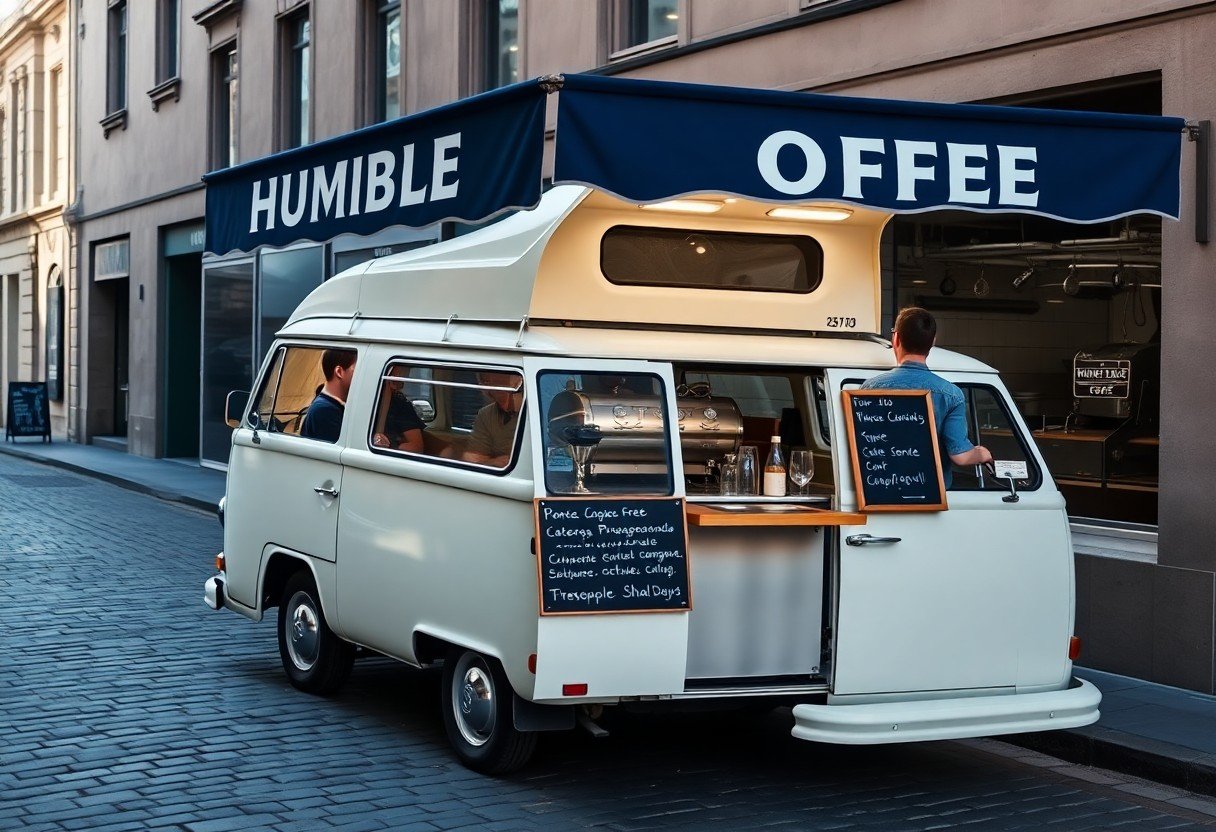
The van becomes a micro-roastery-on-wheels when you outfit it with an espresso machine, grinder, water filtration and a compact refrigeration unit; that setup lets you replicate cafe-quality extraction and milk texturing while keeping overheads far lower than a fixed shop. You can test recipes, rotate single-origin offerings or run limited-time collaborations with local roasters at a fraction of the cost-mobile startups commonly fall in the AUD 40,000-120,000 range depending on equipment and fit-out choices-so you iterate faster and with lower financial risk than committing to a brick-and-mortar lease.
Operationally, you gain the freedom to target morning commuter corridors, lunchtime office precincts and weekend markets without long-term commitments to one catchment area. You keep inventory lean, adapt menus to foot traffic patterns, and use simple POS analytics (daily transactions, average spend, peak windows) to decide where to park next, which lets you scale smarter: one van can validate demand for a specific suburb before you consider a second unit or a permanent cafe.
Benefits of Mobility
You take advantage of location arbitrage by moving to where demand is highest-near tram stops at Glenelg during summer weekends, outside university campuses during orientation weeks, or at corporate hubs on weekdays-maximising sales per square metre without paying rent. Mobility also lowers fixed costs: insurance, permits and fuel replace long-term rent and high utilities, and many operators report positive margins within the first 6-12 months when they optimize site rotation and supplier relationships.
Operational flexibility translates into marketing advantages too: being visible at the Adelaide Fringe, WOMADelaide or smaller community events turns you into a local brand fast, because event attendees sample your product and spread word via social media. You can schedule pop-ups tied to city events, offer limited-edition blends for festival weeks, and gather email or loyalty sign-ups on the spot to convert one-off customers into repeat buyers across multiple locations.
Community Engagement and Accessibility
You position your van as a civic amenity by placing it where people already gather-farmers’ markets, sports fields, and commuter nodes-and by matching hours to community rhythms, such as early shifts for tradies or late-afternoon stalls during school pickup. Serving in high-footfall spots like the Adelaide Central Market precinct or outside major cultural venues connects you to daily routines and event calendars, increasing visibility and trust faster than a distant storefront might.
Partnerships amplify that effect: collaborating with a local bakery for fresh pastries, offering bulk office morning runs to nearby workplaces, or hosting a monthly “meet the roaster” evening turns your van into a neighbourhood touchpoint. Those moves drive word-of-mouth; you build rapport not only through product but by being reliably present where people live and work, which matters in a city servicing roughly 1.3 million residents and a steady stream of tourists during festival seasons.
More granularly, accessibility improvements-ramps for wheelchair access at service counters, clear signage for gluten-free or dairy-free options, and mobile payment terminals-expand your customer base and meet expectations for inclusive service; combining those with simple data capture (SMS sign-ups, QR surveys) helps you track which locations and menu items deliver the best community response so you can reinvest in the spots that grow your brand most efficiently.
Case Studies of Successful Coffee Vans
You can see immediate differences when a van treats its operation like a micro-roastery and retail unit combined: one Adelaide CBD van converted a retired ambulance in 2019 and scaled from 150 to 420 cups/week within 12 months after introducing a single-origin menu and weekend markets, pushing average weekly revenue from ~AUD 3,750 to ~AUD 10,500. Another operator in suburban Adelaide focused on corporate catering, booking 25 weekday corporate stops a month and generating a consistent AUD 14,000/month in peak months by combining pre-ordering with a fixed-price catering menu.
There’s also evidence that event-focused vans can match small cafes on margin: a van that concentrates on weekend farmers’ markets averaged 2,000 cups/month with an average ticket of AUD 6.50, producing gross sales of ~AUD 13,000/month and retaining ~45% gross margin after ingredient and fuel costs. You’ll notice the pattern-focused positioning plus operational discipline yields cafe-like returns without the fixed rent overheads.
- 1) Adelaide CBD Ambulance Van (converted vehicle): startup cost AUD 42,000; cups/week grew from 150 to 420 in 12 months; average ticket AUD 6.00; monthly revenue peak AUD 10,500; social following 8,200; events/month 8; break-even 9-11 months.
- 2) Suburban Corporate Van (Adelaide north): startup cost AUD 28,000; booked 25 corporate stops/month; average spend per stop AUD 560; monthly recurring revenue AUD 14,000 in peak season; repeat-client rate 72%; catering margin ~38%.
- 3) Farmers’ Market Specialist (Adelaide hills): conversion from popup to van cost AUD 24,000; 2,000 cups/month; average ticket AUD 6.50; monthly revenue AUD 13,000; gross margin 45%; seasonal variance ±30%.
- 4) Melbourne Laneway Pop-Up (for comparison): startup cost AUD 55,000; focused on specialty espresso and cold brew; daily footfall 350 on weekdays; weekly cups ~2,450; monthly revenue AUD 40,000; social media-driven sales ~18% of revenue.
- 5) UK Festival Van (international model): startup cost ~USD 35,000; attended 40 events/year; average cups/event 1,200; annual revenue USD 260,000; ROI in 14 months owing to high-volume festival weekends.
Unique Approaches to Craftsmanship
You’ll notice top vans treat extraction like a science: many measure yield and TDS, pulling espresso at 18-20 g dose for a 36-40 g yield in 25-30 seconds and targeting a TDS around 8-10% for balanced shots. Some vans install on-board refractometers and train baristas to dial in beans per batch, which reduces wasted shots by up to 22% and improves consistency across 300-500 shots per weekday service.
Beyond espresso, you can adopt manual-brew programs to differentiate: offering 150-200 pour-overs per week at a premium (+AUD 1.50-2.50 per cup) increases average ticket and showcases single-origin profiles. Implementing a small on-van micro-roast setup or partnering with a local micro-roaster lets you rotate seasonal lots every 4-6 weeks, driving repeat visits from customers chasing new flavours.
Customer Relationships and Brand Loyalty
You should use loyalty systems that suit high-frequency customers: a digital punch-card or app subscription (e.g., 8 drinks/month for AUD 36) often lifts visit frequency by ~25% and increases average monthly spend per loyal customer from AUD 42 to AUD 58. Collecting minimal data at purchase-email and first name-lets you run targeted promos with open rates around 28-32% and conversion on offers at 6-9%.
Community engagement pays: vans that host one monthly pop-up or collaborate with a local bakery see a 15-20% higher repeat rate, and catering contracts for local businesses add revenue stability-typical vans convert 3-4 catering trials into recurring weekly contracts each season. Your social channels can be a direct sales channel too; vans report 10-20% of weekend bookings originating from Instagram or Facebook DMs when they post daily stories and updates.
Operationally, you’ll track customer lifetime value (CLV) to prioritize retention: for an average regular who visits twice weekly, CLV can exceed AUD 600/year; reducing churn by 10% therefore has a meaningful impact on annual revenue. Use brief post-transaction surveys and NPS snippets to segment your highest-value customers for exclusive offers and early access to limited roasts, which boosts both retention and word-of-mouth referrals.
Challenges Facing Mobile Coffee Vendors
Competition with Established Cafes
Even with a standout menu, you compete against cafes that have sunk costs working in their favor: fixed locations with seating, consistent weekly foot traffic and established loyalty programs that can lock in repeat customers. A brick-and-mortar cafe can sell 300-500 cups on a busy morning in Adelaide CBD, benefiting from walk-ins and office regulars, while you may peak at 100-200 cups depending on location and event cadence.
You can counter by owning agility-popping up at corporate precincts during peak office hours or local festivals-but incumbents wield purchasing scale (wholesale bean and milk deals), broader menus (breakfast items that increase basket size by 20-40%), and marketing partnerships with delivery platforms. Your edge comes from mobility, unique roasts, and curated experiences; still, expect head-to-head price and loyalty battles unless you target niche times or neighborhoods underserved by cafes.
Regulations and Operational Limitations
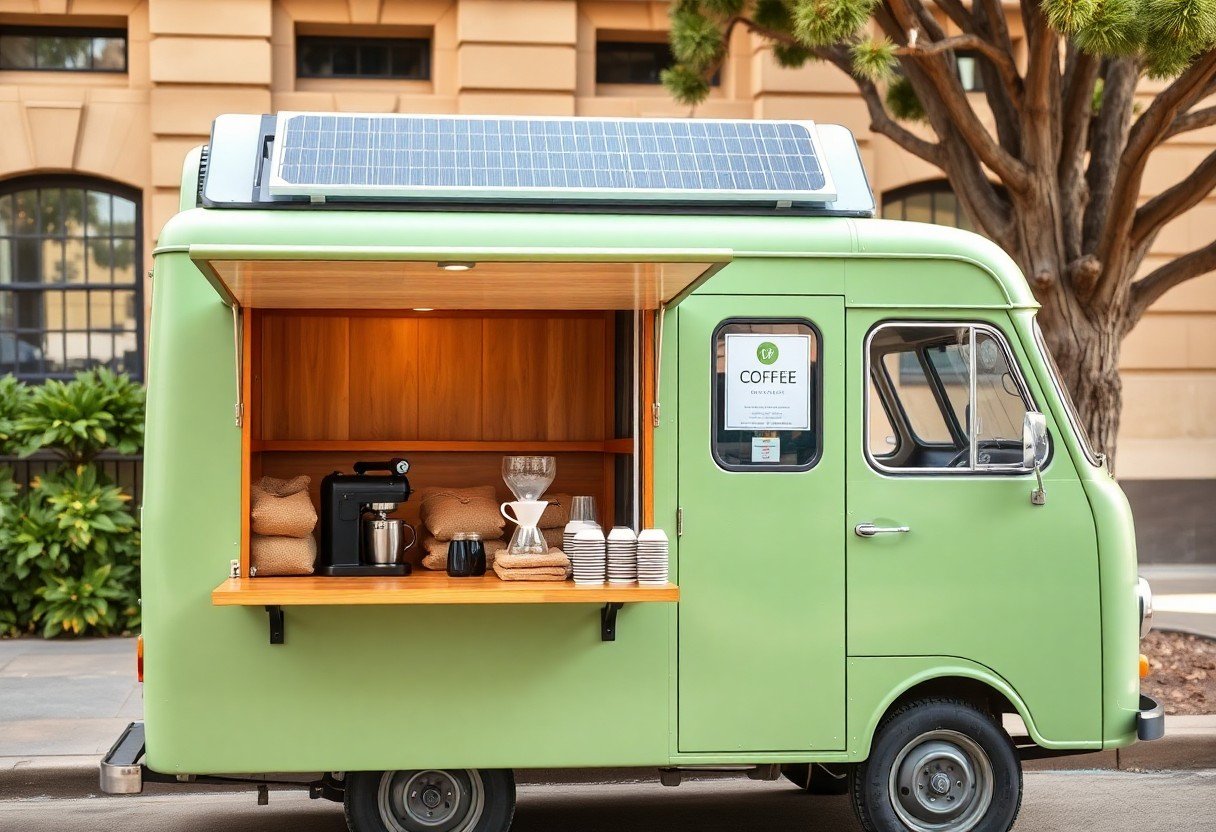
Operating on wheels forces you to navigate multiple regulatory layers: council trading permits, food business registration, public health inspections and vehicle compliance. You will typically deal with site-specific allocations-some councils restrict mobile vendors to markets or designated vending zones-and must provide proof of insurance and safe gas/electrical installations for equipment like espresso machines and boilers.
Practical limits bite into your margins as well: water storage and wastewater disposal reduce service time between refills, power constraints limit simultaneous equipment use, and compact layouts increase maintenance frequency for grinders and machines. Expect to spend AUD 30,000-100,000 on a professional fit-out, AUD 5,000-20,000 on a commercial espresso machine, and ongoing costs for servicing, fuel, and insurance that are proportionally higher than a fixed site.
Plan for timelines: permit approvals and health inspections often take 2-12 weeks, and you’ll need staff qualifications such as approved food safety training and documented cleaning schedules to pass regular audits. Checking local council guidelines (for example, those published by the Adelaide City Council and surrounding councils) early in your planning reduces delays and helps you map sustainable trading locations and hours.
The Future of Artisan Caffeine Culture
Potential Impact of Mobile Vendors
You can expect mobile vans to reshape where and how specialty coffee is consumed by taking low-overhead, high-flexibility service to events, office precincts and pop-up markets. A typical well-run van can serve 100-400 cups on busy days, with gross margins on espresso-based drinks often in the 60-70% range, so you’re looking at a fast route to cashflow compared with a fixed-location shop. Startup investment for a fitted van commonly falls between AUD 40,000 and 120,000 depending on equipment and fit-out, and smarter site rotation-weekday morning runs to office hubs, evenings at markets-can smooth demand across the week.
Operational innovations will accelerate that impact: you’ll leverage live-location posts on social media, mobile payment terminals and pre-order apps to reduce queuing and increase throughput. Partnerships also matter-teaming with event organisers, coworking operators or local breweries can boost weekday trade by 20-50% in early months, and regulatory navigation (health permits, council approvals) becomes a competitive moat if you get it right before scaling.
Evolution of Consumer Preferences
You’ll notice customers demand more provenance, variety and convenience: single-origin pour-overs, cold-brew and nitro offerings, and transparent sourcing are expected, not optional. Younger cohorts push plant-based milk alternatives and ethically labelled beans; offering 2-3 single-origin pour-over choices alongside your espresso menu often increases average spend per customer. Direct-trade stories, roast date visibility and short supply chains are winning trust-QR-code traceability and simple tasting notes help you convert curious consumers into repeat buyers.
To act on these shifts, design your van’s menu for modularity and education: rotate a rotating single-origin pour-over, keep a reliable espresso blend, stock two plant milks (oat and soy) and run brief tastings or brew demos at high-traffic events. You’ll find that adding a $3-5 specialty pour-over option can lift your average ticket while positioning the van as an artisan outpost rather than just a takeaway stop, and subscription or pre-order models for regular office runs lock in predictable weekly revenue.
Final Words
Drawing together the threads of mobility, craft and community, a humble coffee van in Adelaide can become an unexpected engine for redefining artisan caffeine culture. When you curate single-origin beans, refine brewing techniques and place your trade where people gather, you shift expectations about quality, accessibility and the role of small-scale operations in shaping taste across neighborhoods.
As you engage directly with customers, trial seasonal roasts and prioritize transparent sourcing, your van becomes both classroom and storefront, teaching appreciation for provenance while lowering barriers to entry. With consistent excellence and strategic local partnerships, your operation can influence permanent cafes, activate public spaces and make artisan coffee an everyday, accessible experience rather than an occasional luxury.