
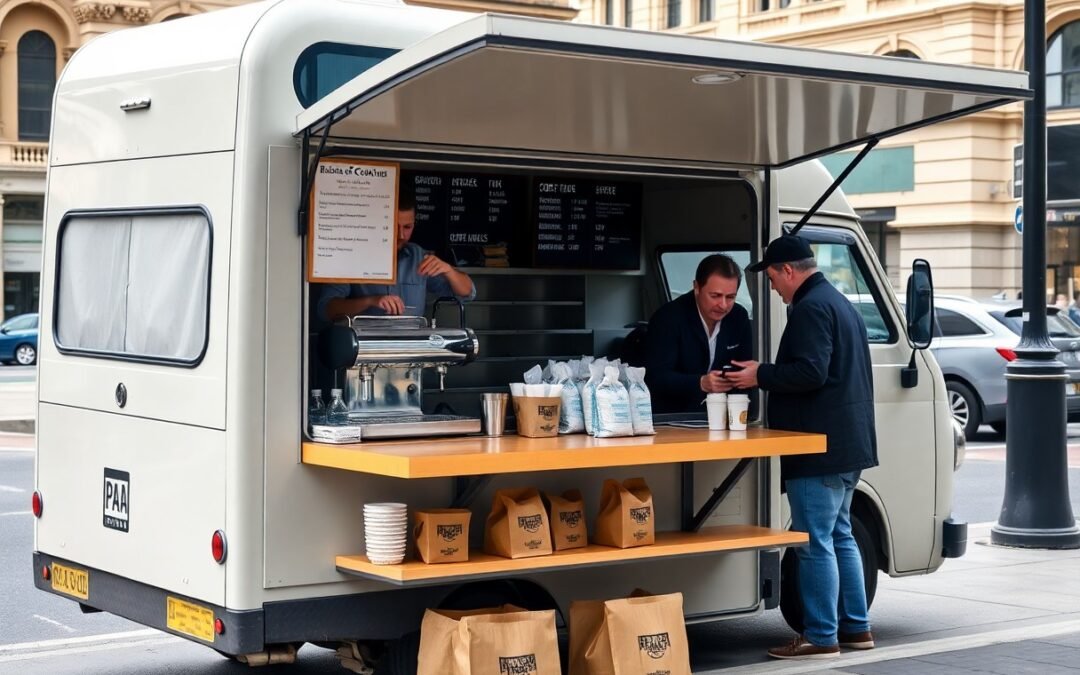
Adelaide streets hide outstanding mobile coffee; this guide shows how you can locate the best coffee van around the CBD using timing, popular neighbourhood hubs, social feeds and your sense of smell. You’ll learn to track peak vending times, read local posts and signage, assess espresso quality by crema and extraction time, and ask vendors about roast and milk options. Use a few quick checks to confidently choose a consistently excellent cup.
Understanding Adelaide’s Coffee Culture
The Rise of Coffee Vans
Your morning route through the CBD increasingly includes mobile coffee vans parked at Rundle Mall, Victoria Square/Tarntanyangga and outside Flinders Station; many vans target the 7:00-9:30am commuter window and reopen for event crowds during Fringe and Tasting Australia. You’ll notice single-operator setups serving 80-200 customers on a busy weekday, with peak queues often 10-30 people long and average service times of roughly 30-90 seconds per order when the line is moving.
Your barista in a van works with compact, commercial-grade kit: 58mm portafilters, compact grinders calibrated to 18-20g doses for double shots and 25-30 second extractions, and portable espresso machines built to sustain continuous morning service. You’ll also see vans optimize layout and menu to speed throughput – limited drink menus, pre-poured milk jugs for non-dairy options, and handheld POS systems that keep turnaround fast without sacrificing espresso standards.
Popular Coffee Trends in the CBD
You’ll find the CBD dominated by a few clear trends: single-origin filter brews and batch-brew pour-overs for third-wave drinkers, nitro cold brew and iced lattes for warmer days, and the perennial dominance of the flat white and piccolo as top-sellers. Many vans partner with small-batch Adelaide Hills roasters to rotate seasonal single-origin offerings, and it’s common to see pour-over prices in the $4-6 range while espresso-based drinks sit around $3.50-5.00 depending on milk choice.
You’ll also notice the plant-based shift: oat, almond and soy are standard options across most vans, with oat milk frequently promoted as the default alternative. Contactless payments and pre-order apps are now standard tools for reducing wait times, and several vans advertise a small discount for reusable cups to align with the CBD’s broader push toward sustainability.
You can gauge a van’s focus by its menu language: if it lists tasting notes and origin details, expect more filter options and single-origin espresso; if it emphasizes speed and combos, it’s built for commuter throughput – use that cue when deciding whether you want a quick, reliable flat white or a slower, more considered pour-over experience.
How to Identify Quality Coffee Vans
When you’re sizing up a van, focus on equipment and technique: machines like La Marzocco or Synesso, grinders from Mahlkönig, and visible shot timers indicate a professional setup. Check whether baristas dose 18-20 g for doubles and aim for 25-30 second extractions or pull charts posted on the van; those specific numbers reflect a practiced workflow rather than guesswork. You should also watch a couple of drinks being made to see consistency in tamping, milk steaming (microfoam, not big bubbles) and clean group heads between shots.
You’ll want to confirm the coffee itself is treated as a product: beans roasted within the last 2-3 weeks, clear single-origin or blend descriptions, and a small rotating menu of 2-4 single-origin options or a seasonal blend. Ask about supplier relationships – vans partnered with a local roaster or that display roast dates and cupping notes usually log quality control; if they serve 150-300 cups on a typical busy day, that volume plus rotation tends to keep beans fresh.
Look for Authenticity and Passion
You can tell a van is authentic when the barista talks provenance and can explain processing methods, altitude and flavour notes without reading from a card; genuine passion shows up as confidence in dialing in espresso and willingness to adjust for humidity or roast variations. Spot demonstrations like on-site pour-overs or tasting flights – vans offering 2-3 brewing methods (espresso, batch brew, V60) are investing in craft rather than just speed.
You should also watch how the team interacts with customers: recommendations tailored to taste, willingness to explain extraction changes, and visible trial-and-error (bean samples, roast-date boards) point to a van that cares about coffee. Examples in Adelaide include vans that rotate single origins weekly and partner with roasters for limited releases – those collaborations often produce 1-2 special offerings a month and show a focus on flavour development rather than just churn.
Assessing Customer Reviews and Recommendations
You’ll get a clearer picture by checking ratings across platforms: aim for vans averaging 4.5+ on Google or Facebook with at least 30 reviews, and compare comments on service, consistency and wait times. Pay special attention to recent reviews from the same time slots you plan to visit (for example, 7-9am weekday rush), because a van praised at 10am might be different under peak demand.
You should read the content for patterns rather than isolated praise: frequent mentions of “consistent crema,” “quick 3-5 minute service,” or repeated notes about temperature and sweetness are meaningful signals. Also factor in recommendations from local coffee groups or workplace forums – if several Adelaide office blocks point to the same van for reliable morning coffee, that collective endorsement matters more than a single five-star post.
For extra assurance, look for owner responses to negative reviews and examples of corrective action – vans that reply and adjust menus or service show ongoing quality control. You can also ask colleagues for a direct taste-test: order a standard flat white (typical Adelaide CBD price range A$3-A$4) and evaluate body, balance and crema across two visits to judge true consistency.
Tips for Discovering Hidden Gems
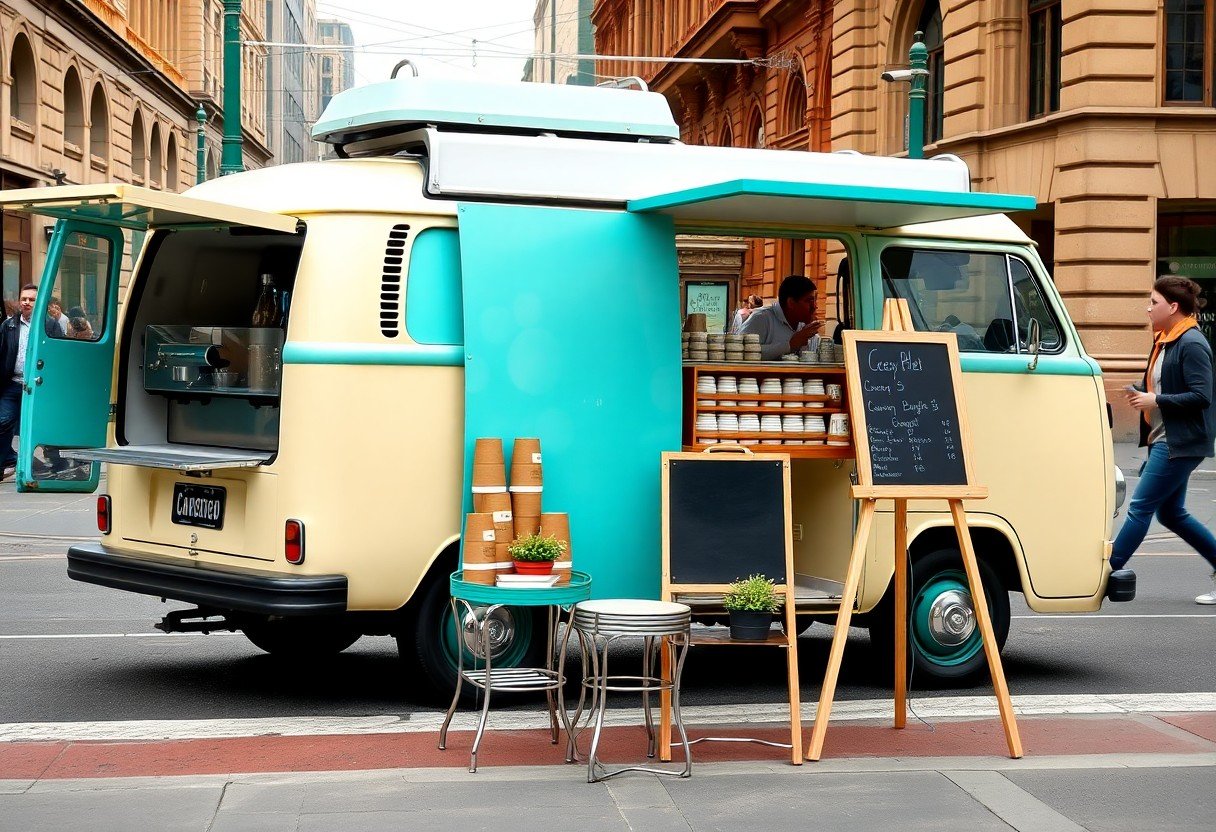
When you’re actively searching, use time and place to your advantage: visit between 8-10am for weekday commuter setups and again around 12-2pm when vans reposition for lunch crowds. Check Instagram geotags and local community pages-many vans post exact coordinates and daily menus, and you can sample 3-4 different vans in a single week to build a quick baseline for taste and technique. Try ordering both a short black and a filter or single-origin brew to compare extraction clarity versus espresso sweetness.
- Follow hashtags like #AdelaideCoffee and location tags (Rundle Mall, Victoria Square, East End) to spot pop-ups within hours.
- Ask for roast dates and origin info; a roast within 7-14 days typically yields brighter, cleaner shots on mobile kit.
- Map a walking route that hits laneways and park events-you’ll cover more vans between 8-11am than by driving across the CBD.
- Note equipment stickers (La Marzocco, Synesso) and grinder models; consistent machinery often equals consistent dosing and flavor.
Spend a few weekends focusing on a single precinct-East End laneways, the university precinct, or around Victoria Square-and log what you liked about each cup so patterns emerge. Recognizing how schedule, location and barista skill intersect will make it easier to spot the genuinely standout vans on future visits.
Explore Less-Traffic Areas
Head into quieter streets and pocket parks where lower footfall means vans can focus on brew quality rather than throughput; for example, you’ll often find baristas experimenting with single-origin filters near the Adelaide Botanic Garden during weekend markets. Walk the north-south laneways off Rundle Street and the quieter blocks around North Terrace-once you find a reliable van in a low-traffic spot, word-of-mouth tends to keep it a local secret for weeks.
Visit near institutional hubs like the university or hospital precinct outside peak shift-change times (try 10-11am or 2:30-4pm) when baristas can pull shots to taste and chat about provenance. When vans operate at smaller events-art openings, farmers’ markets, or campus pop-ups-you’ll often sample limited-run roasts or experimental brews not offered during regular CBD hours.
Engage with Local Baristas
Ask focused questions about roast date, origin, and the grinder setting-they’ll often tell you a lot about dial-in choices; for instance, many baristas aim for a 25-30 second espresso extraction and a 1:2.0-1:2.5 brew ratio for balanced shots. When you show interest, baristas commonly pull a comparison shot (darker roast versus lighter single origin) or offer a small filter taste-these quick demos reveal how the same bean behaves across methods.
Be specific: request a single-origin pour-over at a 1:16 ratio or ask how they adjust for humidity and milk temperature during hot days versus cool mornings, and you’ll get actionable insights rather than generic answers. Sharing your flavor preferences (chocolate, citrus, stone-fruit) helps baristas recommend beans and brewing styles-many Adelaide baristas rotate 4-6 micro-lot coffees each month, so you can track when a favorite returns.
Follow up by asking about roaster partnerships or upcoming pop-ups; baristas often know the schedule for cuppings and community tastings where 5-8 coffees are sampled side-by-side, giving you a fast-track education and access to limited roasts.
Factors to Consider When Choosing a Coffee Van
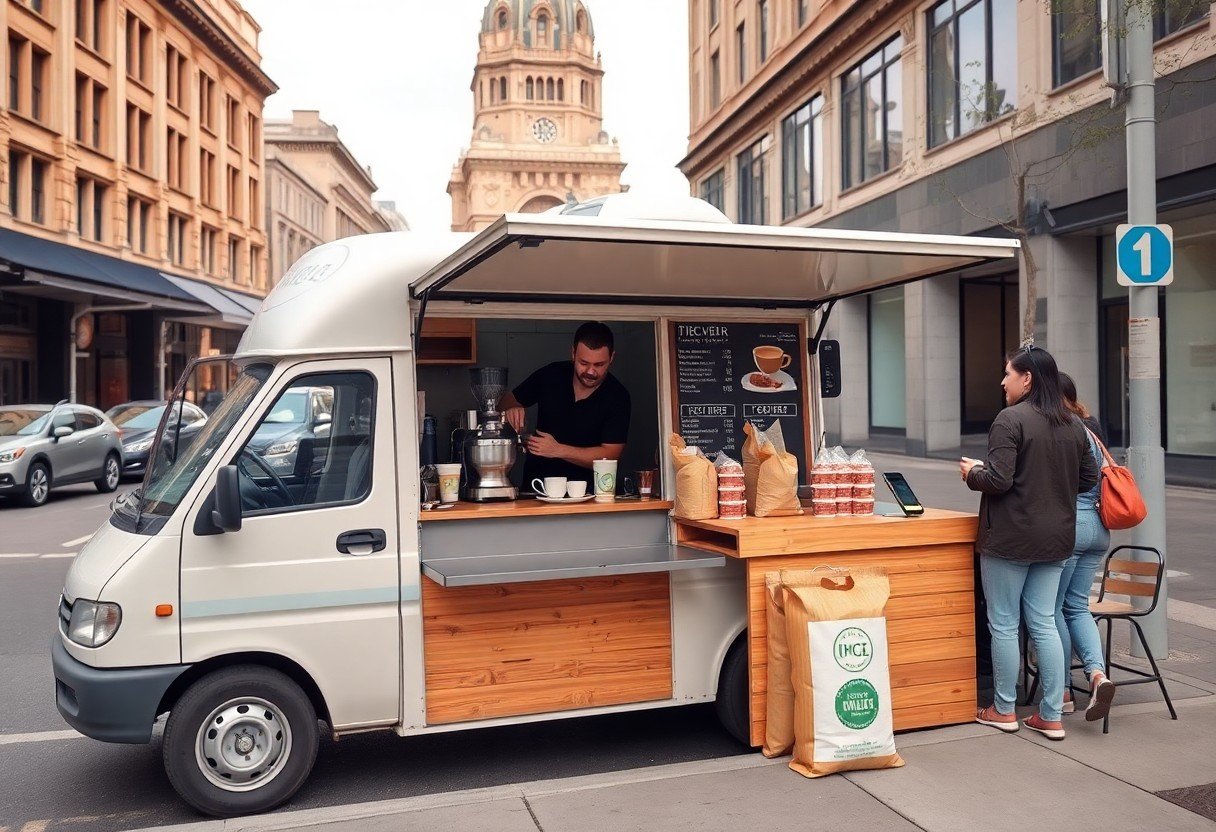
When you compare vans, focus on what impacts daily consistency and customer throughput: extraction stability, grind quality, and a workflow that handles 40-80 orders per peak hour. For a mapped view of CBD hotspots and where vans tend to thrive, consult The Only Adelaide CBD Coffee Guide You’ll Ever Need, then assess whether the van’s equipment and location align with those patterns.
Look for measurable specs: espresso doses of 18-20 g with 25-30 s extraction, brew temps of 92-96°C, and a grinder that delivers <10% retained coffee across a shift. Evaluate roast dates (ideally within 2-3 weeks), staff experience, and permit status before making a commitment.
- Equipment & workflow: La Marzocco/Synesso-class machines, commercial grinders, water filtration.
- Menu breadth: espresso, batch brew, pour-over (V60), Aeropress, cold brew.
- Speed metrics: target 40-80 orders/hour at peak, average transaction time ≤90 seconds.
- Bean sourcing: blends for milk-based drinks, 1-2 single origins rotated weekly, roast date displayed.
- Logistics: power (15-32A supply), water tank capacity 200-400 L, waste disposal plan, council permits.
Brew Methods and Coffee Selection
You want a van that matches its brew methods to demand: an espresso-first setup with an espresso ratio of ~1:2 (dose 18-20 g) handles milk drinks efficiently, while V60 or Aeropress stations are ideal for showcasing single-origin flavours during quieter windows. For example, offering a V60 pour-over between 10-11:30 am can add value without slowing the line, using a 1:15-1:17 ratio and a 2:30-3:30 total brew time to highlight acidity and clarity.
Consider coffee selection as a balance: one house blend for consistency and speed, plus one or two rotating single origins to demonstrate provenance. You can measure success by tracking sales mix-if single-origin pour-overs exceed 10-15% of orders, the van has the staffing and signage to sell specialty coffee successfully.
Ambiance and Location
You should evaluate foot traffic patterns-commuter peaks at 8-9 am and lunch at 12-1 pm often account for 60-70% of daily sales-and match the van’s opening hours to those windows. High-visibility spots around Victoria Square, Rundle Mall approaches, and the Adelaide Central Market tend to produce the highest walk-up volumes, but also require quicker service and clearer queue management.
Seating, shelter, lighting and signage strongly influence dwell time and repeat business: a sheltered queue with visible menu pricing can increase average spend by 10-20%. Check nearby amenities-benches, bike racks, event spaces-and plan for weather (awning, windbreaks) so you don’t lose customers on rainy days.
Operational details matter: confirm access to power (most vans need 15-32 amp single-phase or a reliable generator), water refill logistics, and waste collection; a van that can sell 200-400 cups on a busy day must have reliable utilities and a waste plan to maintain service quality.
Thou test a full peak-hour simulation before signing any long-term spot agreement.
Using Social Media to Find Coffee Vans
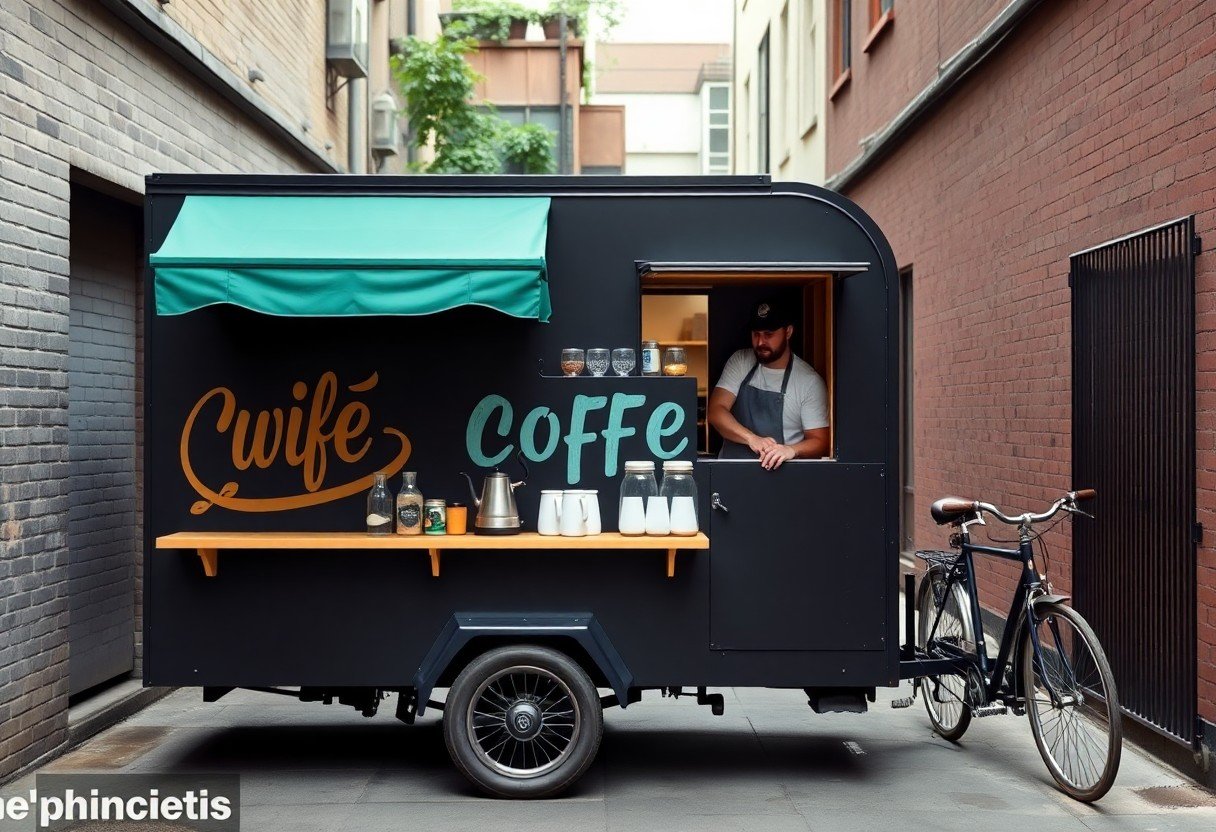
When hunting for the best coffee vans in and around the CBD, prioritise platforms where vendors post real-time updates-Instagram and TikTok lead for day-of locations and menu pics, while Facebook groups and market pages list weekend lineups. You should check Stories and Reels between 6-10am for morning placements and again around lunchtime; many vans post their daily stop within an hour of opening, so recent posts are the most reliable indicators of where they’ll be.
Also use social channels to vet consistency: scan a van’s last 10-15 posts for equipment shots (La Marzocco, Synesso), latte art, and customer comments about wait times and price (expect around $4-$5 for a flat white in the CBD). Combine platform signals with event pages for Adelaide Central Market, Rundle Mall pop-ups and corporate precincts to map habitual locations rather than one-off appearances.
Follow Local Food Bloggers
Track Adelaide-based food bloggers and micro-influencers who specialise in street food or coffee; those with 5k-20k followers often post frequent, candid finds and reply quickly to DMs when you ask where a van set up that day. You should inspect their Highlight reels for “van” or “coffee” tags-those highlights act like a curated map of tested vendors and include practical notes on queues, price and consistency.
When you find a reliable blogger, save their posts and check the comments for crowd-sourced tips-followers often share exact pitch spots (e.g., north side of Victoria Square at 8:00am). If you want direct leads, message them for a short list of favourites; many will tell you which vans use quality beans and which ones peak at certain times of day.
Utilize Hashtags and Location Tags
Search hashtags such as #adelaidecoffee, #adelaidefood, #adelaidecbd and combinations like “#adelaidecoffee #mobilecoffee” and then switch to the “Most Recent” filter to see van placements from the last 24-48 hours. You should also use Instagram and TikTok location tags-open the “Places” page for Adelaide Central Market or Rundle Mall to view every post tagged there and spot recurring vans by checking timestamps and usernames.
Go further by setting up practical alerts: save a collection of trusted van accounts, turn on post notifications for those pages, and follow market organiser accounts so you’re pinged when lineups are announced. Additionally, use Google Maps’ photo timestamps under venue pages to corroborate social posts-if multiple recent photos show the same van at a spot, that’s a reliable signal it returns regularly.
Connecting with the Coffee Community
Tap into local networks to find which vans are more than a one-off stall – follow community-run pages, join Adelaide-specific groups on Facebook and Instagram, and watch listings for the Adelaide Fringe and weekend night markets where mobile vendors often test new blends. You’ll pick up inside info fast: vendors who pop up repeatedly at the same markets tend to have consistent roasting and extraction standards, and other regulars will flag the vans that pull reliable shots during the 8-10am commuter rush.
Attend a few events and speak directly to baristas; asking about roast date, grinder burr type, and the machine model tells you more than reviews. If a van uses commercial gear like a La Marzocco or a quality flat‑burr grinder and can quote roast dates within 7-14 days for espresso, you’re likely looking at a vendor who treats consistency seriously.
Joining Coffee Events and Festivals
Seek vans at major local happenings such as the Adelaide Fringe, city night markets, and weekend farmers’ markets where crowds range from hundreds to several thousand – these events are reliable places to sample multiple vans in a single visit. You can use event websites and vendor lists to plan: pick two vans to try, compare their single‑origin pour‑overs and espresso shots side by side, and note differences in roast level and extraction time.
When you go, time your visit to avoid peak crush; arriving 30-60 minutes after opening often gives you barista attention without long queues. Talk to vendors about their house ratio and brew method – if they cite dose/yield targets (for example, an 18g dose to 36g yield for espresso in 25-30 seconds) you’ll get a sense of their technical approach rather than just flavor claims.
Participating in Coffee Workshops
Join short courses and hands‑on sessions run by local roasteries or SCA‑accredited trainers to upgrade your palate and technical understanding; workshops typically run 1.5-3 hours, cost between $60-$150, and host 4-12 participants so you get practical time on equipment. You’ll learn grind adjustments, shot timing, and tasting protocols; many sessions include blind cuppings of 3-5 samples so you can map acidity, sweetness, and body across origins.
Use workshops as an audit tool: note whether instructors teach tamping consistency (aiming for about 30 lb / ~13.6 kg of pressure), extraction yield targets, and how to dial in a grinder for a given espresso recipe. You’ll leave with concrete metrics to ask coffee vans – roast date, dose, yield, and shot time – and the confidence to evaluate vendors by technique rather than just packaging or price.
Follow up by asking workshop hosts for vendor recommendations or signed‑off tasting notes; many trainers keep lists of vans they trust and will point you to mobile setups that align with the methods you practiced, making it easier to track down that hidden‑gem coffee van in the CBD.
To wrap up
Upon reflecting on how to find the hidden gem Adelaide best coffee van around the CBD, you should blend practical scouting with local insight: follow vans’ social feeds and location apps, check customer reviews and photos, visit at different times to judge consistency, and sample a few signature drinks to assess roast, extraction and freshness. Pay attention to sourcing, brewing technique and service-these reveal whether a van delivers reliably excellent coffee rather than a one-off good cup.
Use your discoveries to refine a shortlist: return to top contenders, talk to baristas about beans and grind, and note where the queue forms-consistent demand often signals quality. With these steps you’ll narrow choices quickly and make confident picks that suit your taste, routine and expectations for the best mobile coffee experience in the CBD.