
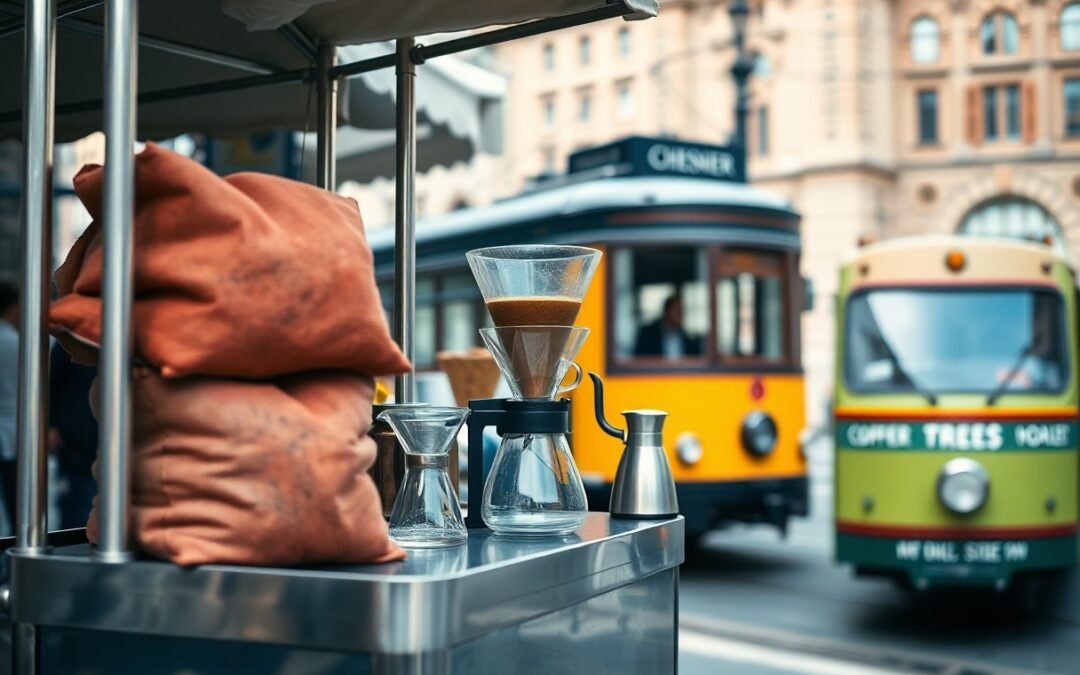
Gastronomy in Adelaide takes an unexpected turn when you follow the city’s mobile espresso vans and carts; they distill complex flavors, local roasts, and rapid innovation into every cup, challenging conventional café culture and inviting you to explore neighborhoods through coffee, seasonal sourcing, and skilled baristas who refine technique on the move-if you value discovery and high-quality espresso, your next culinary adventure might start at a street corner rather than a restaurant table.
The Rise of Mobile Espresso in Adelaide
Historical Context
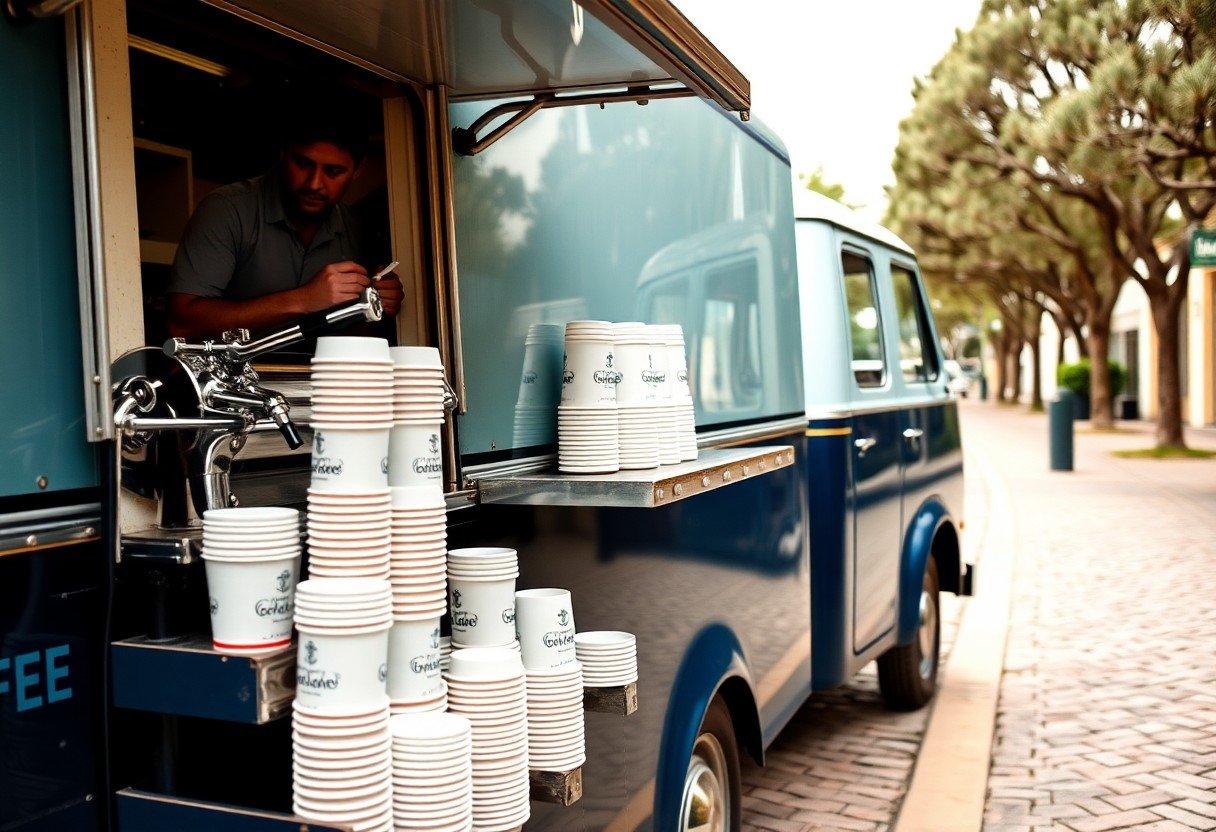
You can trace much of the mobile espresso momentum back to the early 2010s, when compact, commercial-grade equipment became affordable enough for baristas to convert vans and trailers into fully functional cafés. Festivals and markets such as the Adelaide Fringe, Adelaide Central Market weekend stalls and WOMADelaide offered concentrated foot traffic that made mobile setups commercially viable, and within a few years the city’s weekend markets routinely featured multiple dedicated espresso carts.
Early operators were often trained specialty baristas who left shop leases behind to chase lower overheads and greater flexibility; many of those pioneers set the template you see today-single-origin espresso flights, seasonal milk alternatives, and concise food pairings. Small roaster collaborations also emerged quickly: mobile vendors commonly rotate beans from local Adelaide roasteries to keep menus fresh and build repeat clientèle across market circuits and pop-up precincts.
Current Trends
Today you’ll notice mobile espresso in Adelaide leaning hard into specialty service and hospitality consistency-expect 3-4 single-origin espresso options alongside a signature blend, explicit dosing and extraction times displayed for transparency, and a growing list of cold-brew, nitro and batch-brew offerings. Cashless payments and pre-ordering via Instagram DMs or simple ordering apps are standard; at major events vendors commonly process dozens of contactless transactions per hour during peak windows.
Sustainability and partnerships are shaping the next wave: many vans use compostable cups or offer 10-20% discounts for reusable vessels, source direct-trade beans, and collaborate with local bakers or breweries for cross-promotion. You’ll also see solar-augmented setups and inverter-powered machines that let operators trade noisy, fuel-hungry generators for quieter, greener power at premium sites.
From a business perspective, the model appeals because startup costs are modest relative to a bricks-and-mortar café-roughly in the low tens of thousands for a basic fitout-while peak festival days can bring several hundred to over $1,000 in takings, making franchise-style scaling or rostering across markets a realistic growth path. You should expect to navigate council permits, food-safety certification and public-liability insurance, but once those hurdles are cleared the low fixed costs and high visibility make mobile espresso one of the more resilient and adaptable segments of Adelaide’s food scene.
The Art of Mobile Espresso
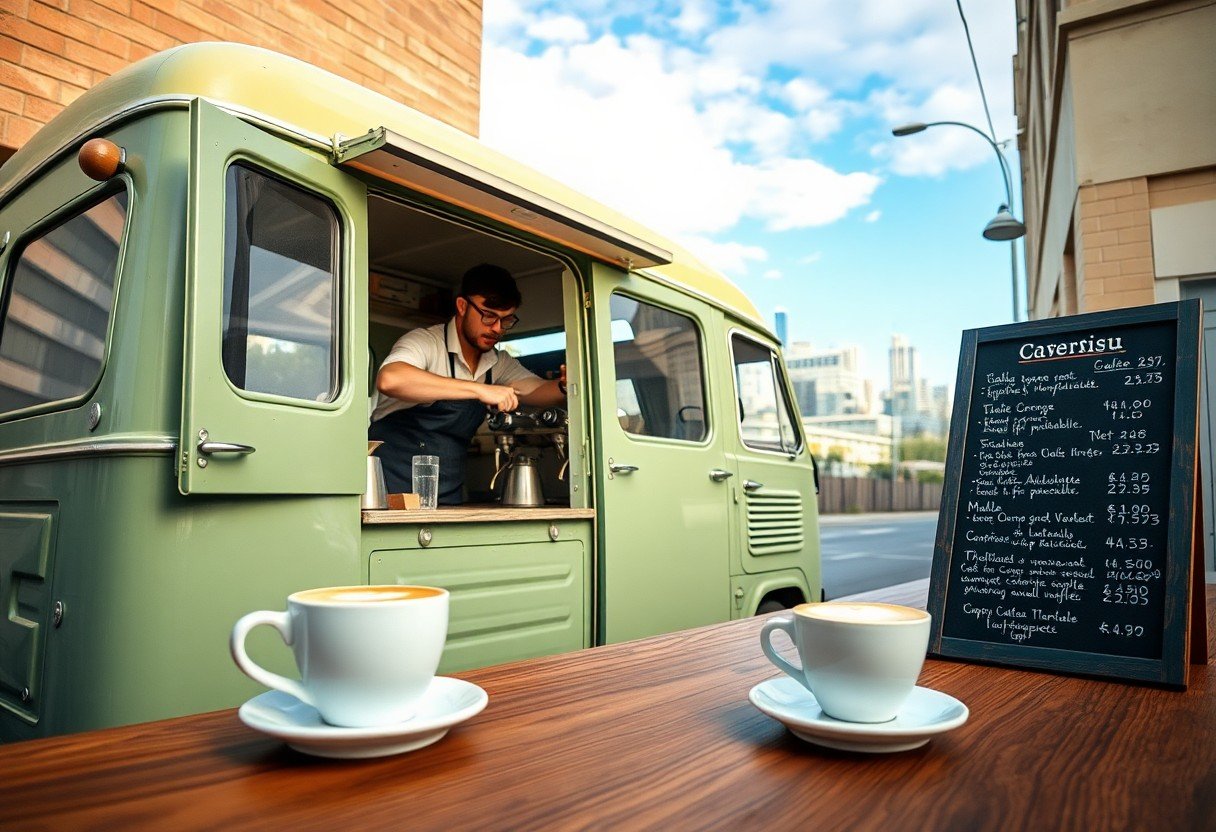
You’ll notice that mobile espresso in Adelaide rewards precision: dosing, yield and time are treated like a three-part handshake between barista and machine. Typical recipes you encounter on vans and carts run 18-20 g doses pulled to 36-40 g in roughly 25-30 seconds at brew temperatures of 92-96°C, and milk consistently steamed to 60-65°C for texturing that holds microfoam through transport and service. Space constraints force creative workflow design, so you see compact workflows – back-to-back tamping stations, pre-loaded porta-filters, and insulated knock boxes – all aimed at producing café-standard shots under pressure.
Events and markets change the rhythm: on a busy Saturday at Adelaide Central Market or a weekend festival you might watch a single barista and one grinder serve 80-150 drinks per hour, which demands both speed and repeatability. Equipment choices and recipes are therefore tailored to throughput – larger boilers or dual-group machines for festival rigs, single-group heat-exchanger or dual-boiler machines for vans – with the same emphasis on consistency that you’d expect from an established brick-and-mortar.
Techniques and Equipment
You encounter a surprising range of kit on the streets: commercial single-group machines such as La Marzocco Linea variants, heat-exchanger La Marzocco or Rocket models, paired with burr grinders like the Mazzer Robur or Mahlkönig EK43 for grind consistency. A 58 mm portafilter and rigid dosing protocols (scales and shot timers) are standard; many mobile setups also add a refractometer to dial in extraction when beans or water profile change. Water treatment is handled with two-stage filtration – carbon block plus a softener or mini reverse-osmosis unit – because scale and chlorine will wreck a group head and alter taste quickly in a mobile environment.
Power and logistics shape technique as much as machinery does: you’ll see 2-3 kW inverter generators or shore-power hookups at events, and insulated jugs, thermometers and purge protocols to keep milk safe between pours. Pulling shots efficiently means preheating portafilters, using heat-saturated group heads and staging vessels for speed; for milk work, baristas often use smaller 1-1.5 L steam pitchers and time steaming cycles so foam is textured for latte art while service peaks. The result is a compact, disciplined routine that reproduces a café experience from a 3 × 2 metre footprint.
Barista Profiles
You’ll meet baristas who came up through specialty cafés, spent 3-10 years honing pull and steam technique, and then chose mobile work for flexibility and front-line contact. Several Adelaide mobile operators employ staff who’ve competed regionally in the Australian Barista Championship or completed SCA (Specialty Coffee Association) training; those credentials show up in how they dial in a new roast in 5-10 minutes and manage consistent puck prep under pressure. Customer interaction is part of the skillset too – quick tasting notes, efficient upsells and speed without sacrificing quality become part of the service proposition.
Many mobile baristas refine niche skills you might not see inside cafes: on-the-go maintenance (quick backflushing, steam wand purge routines), rapid grind calibration between shifts, and adaptive recipes to suit event demographics – espresso-forward blends for commuters, sweeter filter-forward profiles for weekend markets. Your experience changes when a barista can switch from a 20-second ristretto for a regular to a 1:2.2 ratio for a visitor wanting a milk-forward cup, all within the space of a single queue.
More specifically, you’ll often find that mobile operators value multi-disciplinary experience: someone who can manage inventory, read crowd flows and maintain equipment under variable power and water conditions is gold. That practical business sense shows in simple metrics – reducing shot waste, turning a queue into consistent throughput and keeping machine uptime above 95% during an event – and it’s what separates a good pop-up from the ones that struggle after a few markets.
Unique Offerings in the Scene
Signature Drinks
Among the mobile vans and carts you’ll find an aggressive focus on signature serves that push beyond a standard flat white: nitro cold brew poured from a tap, espresso tonics brightened with house-made citrus bitters, and piccolo lattes dialled to a 1:2 ristretto-to-milk ratio for maximum intensity. You’ll notice baristas routinely pull shots at 18-20 g doses and target yields of roughly 36-40 g for sweeter, syrupy extraction when making signature espressos, and many operators price these at about $4.50-$6 for classics, $6-$9 for single-origin or experimental variations.
Seasonality drives experimentation: during festival weekends such as the Fringe and WOMADelaide some vendors rotate two to three limited-run drinks – think a cold-brew infused with citrus peel or a maple-washed espresso – sold in runs of 50-150 cups across a weekend. You’ll also encounter micro-menu staples like piccolo affogatos, cascara tonics and short ristretto flights that let you taste three single-origin slugs for one price, typically $7-$12 depending on provenance.
Local Ingredients
You’ll spot a deliberate use of South Australian produce in syrups, garnishes and milk choices: Adelaide Hills dairies supply micro-batch milk to many carts, Kangaroo Island honey is a common sweetener, and Riverland citrus shows up in seasonal tonics and cold-brew infusions. Vendors often highlight provenance on their boards-naming the farm or region-and you can use that information to choose a drink that reflects local terroir rather than generic supermarket inputs.
In practice that means you can order a lemon-myrtle syrup or a wattleseed latte and expect measured, repeatable preparation: baristas typically steep 5-10 g of native botanicals per 250 ml of syrup base, and calibrate extraction to balance those flavours against a 30-40 ml espresso. Collaborations are common too-mobile bars teaming with nearby bakeries or producers to offer a matched pastry and coffee combo, often rotating weekly so you’ll find different local pairings each time you visit.
The Community Impact
You see mobile espresso vans act as micro-economies, keeping revenue circulating locally by lowering barriers to entry for small-scale entrepreneurs and by redirecting morning spend into neighborhood strips rather than out to big chains. Operators often rotate through 4-6 weekly locations – markets, business districts and event precincts – and during peak shifts can serve dozens to a few hundred customers, which translates into predictable foot traffic that benefits adjacent retailers and market stallholders.
Beyond dollars, these vans materially change how you experience public spaces: they extend activity windows at markets and parks, and they plug into major city events. At festivals and weekend markets you’ll find mobile coffee hubs complementing stallholders and performers, increasing dwell time and helping event organizers deliver a fuller, more sustainable hospitality offering without permanent infrastructure costs.
Supporting Local Farmers
You’ll notice many mobile operators deliberately source milk, dairy and baked goods from nearby producers – Adelaide Hills dairies, small-batch bakers and regional creameries are common partners – which shortens supply chains and raises freshness. Several vans list supplier names on their boards, promoting provenance by citing the specific farm or roaster and reinforcing a direct connection between your cup and the region’s producers.
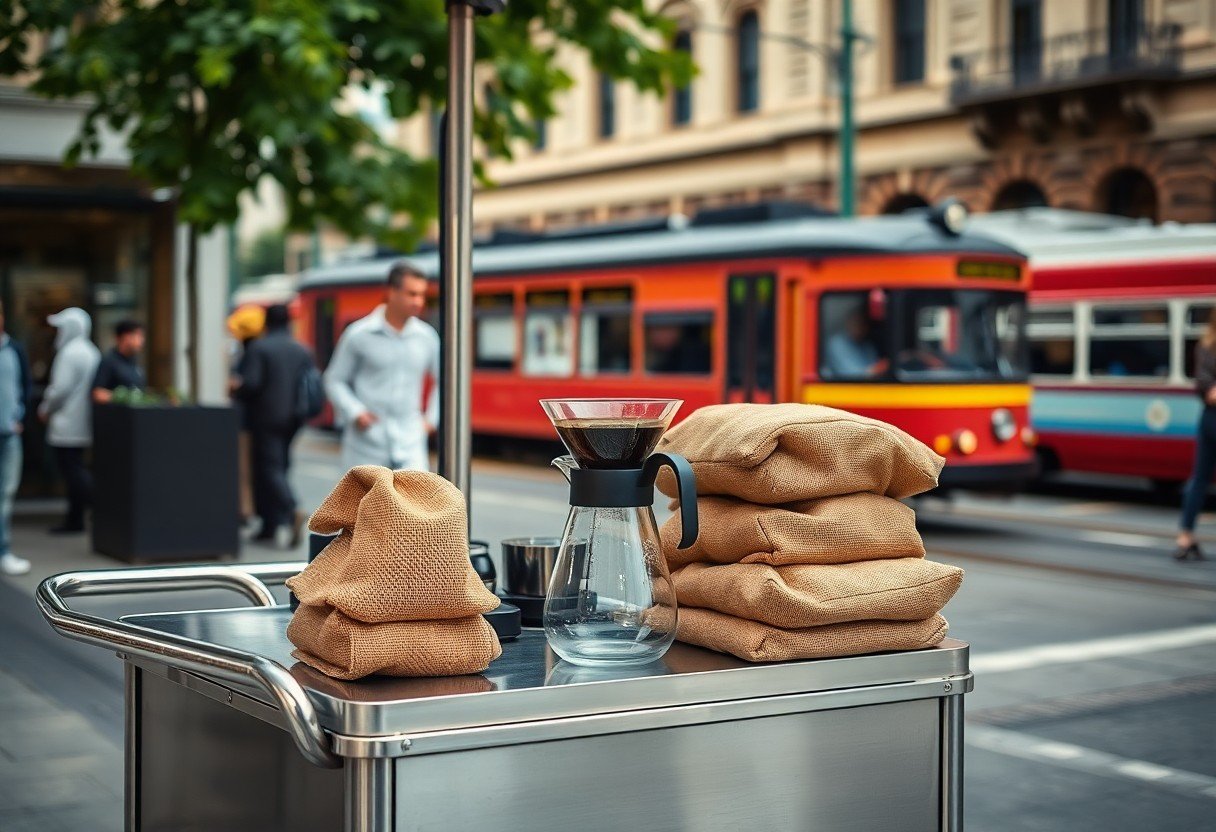
In practice, that partnership model also stabilizes demand for seasonal producers: operators typically buy in manageable batches (commonly 10-50 kg bags of beans or weekly milk deliveries), allowing small farmers and micro-roasters to plan production without needing to service large-volume contracts. You benefit because the coffee and accompaniments taste fresher, and those producers gain recurring, local revenue streams that support diversified farm businesses.
Building Neighborhood Connections
You witness vans turning routine coffee runs into neighborhood rituals; regulars start lining up at the same corner each morning, and that consistent presence increases casual interactions between residents and local shopkeepers. Councils and precinct managers often issue activation permits to mobile vendors precisely because they catalyze this kind of foot traffic and informal surveillance, making streets feel busier and safer during early hours.
Community-minded operators frequently run targeted initiatives – free or discounted coffee at charity runs, barista shifts fundraising for local causes, or stall sponsorship at school fetes – which embeds the van as more than a vendor and more as a civic partner. Those events create measurable goodwill: you’ll see sustained patronage from groups that first met the van at a fundraiser or community fair.
On a day-to-day level, the strongest neighborhood bonds form through personal service: vendors learn names, preferences and local news, and many use simple loyalty systems (for example, an 8-stamp card for a free coffee) or social channels to announce where they’ll park next. That familiarity turns your coffee stop into a point of social capital – a place where you swap a greeting, catch up on a neighbor’s project, or hear about upcoming local happenings.
Comparisons with Other Cities
Comparative Snapshot
| Population & Market Scale | Adelaide metro ~1.4 million vs Melbourne ~5 million – you’ll find fewer permanent specialty outlets in Adelaide, so mobile vans plug gaps in suburbs and events. |
| Event Integration | Adelaide Fringe and WOMADelaide draw hundreds of thousands of attendees annually, where mobile espresso operators capture concentrated demand; Melbourne’s calendar spreads demand across year-round laneway and festival activations. |
| Price & Offerings | Expect mobile espresso prices roughly $3.50-$5 in Adelaide vs $4-$6 in Melbourne CBD; Adelaide vans lean into signature, experimental pours to differentiate rather than compete on price alone. |
| Regulation & Access | Adelaide’s council permits and event licences are often more flexible for pop-ups, giving you easier access to high-footfall sites; Melbourne’s denser market means stiffer competition for prime street positions. |
| Equipment & Quality | Mobile setups in Adelaide increasingly use commercial two-group machines and timed dosing, achieving parity with city cafes; globally, equipment trends vary by market maturity. |
Adelaide vs. Melbourne
When you pit Adelaide’s fleet of vans against Melbourne’s entrenched laneway scene, the differences are strategic rather than technical: Melbourne offers deep bench strength in roasters and café heritage across a metro population of about 5 million, so your expectations there are shaped by intense competition and constant innovation. Adelaide, with roughly 1.4 million people, rewards mobility and festival alignment – you’ll see vans capturing concentrated traffic during month-long events and suburban markets that lack permanent specialty cafes.
For your palate and business sense, that means Adelaide vendors often pursue bold signature drinks, community relationships and flexible site strategies instead of trying to out-roast a large-city supply chain. In Melbourne you’ll find a higher density of specialty roasters supplying wholesale contracts and cafe-sourced beans, while in Adelaide you benefit from tighter local loops: roasters, vans and regular customers interacting face-to-face at markets, universities and events.
Global Perspectives
Across global cities you’ll notice two dominant trajectories: in places like Portland and Austin, food-cart pods and street markets create permanent micro-hubs where you can sample multiple high-quality coffee operators in one visit; in European cities and Tokyo, street espresso is less van-centric and more about small, permanent kiosks or bike carts serving neighbourhood routines. You’ll find that licensing, weather patterns and urban design drive those differences – sheltered arcades favour stationary kiosks, while wide festival precincts favour mobile rigs.
Further, you should watch how equipment and supply chains scale internationally: successful mobile operators overseas often pair a compact, commercial-grade espresso machine with a single high-performing grinder, temperature profiling and direct relationships with single-origin roasters to offer seasonal pours. That model is appearing in Adelaide too, so your experience there increasingly mirrors what you’d expect in top mobile-coffee scenes worldwide.
Future of the Mobile Espresso Scene
Innovations on the Horizon
As you follow the vans around Adelaide’s markets and events, you’ll notice operators adopting cloud-based point-of-sale systems and pre-order apps that let customers queue virtually and cut service time substantially during peak windows. Expect more integration between ordering platforms and loyalty programs so that a regular at the Central Market can pre-pay, collect points and bypass queues; in practice this can halve transaction bottlenecks during morning rushes and pop-ups. You’ll also see route-optimization tools and simple CRM dashboards used by multi-van operators to predict busy streets and deploy stock more efficiently.
Sustainability-driven hardware is moving from novelty to necessity: several operators are fitting rooftop solar panels (200-600 W per panel) and 2-10 kWh battery banks to reduce generator run-time at daytime events, and manufacturers are releasing lower-power boilers and heat-exchange machines that draw in the order of 2-4 kW instead of older 6-8 kW units. You’ll spot precision dosing tools, automated temperature profiling and commercial grinders in the $800-$3,500 range becoming standard, while investments to outfit a van typically sit in the $40,000-$150,000 band depending on whether you buy new or retrofit-numbers that push operators to prioritize tech that increases throughput and slashes operating hours on noisy, fuel-hungry generators.
Potential Challenges
Regulatory complexity and urban logistics will keep testing your planning skills: council permits, health inspections and parking constraints frequently determine where and when you can trade, and those conditions vary between Adelaide’s CBD, fringe suburbs and council-run markets. Staffing pressure is another limit-during multi-day events you may need to ramp from a single-barista shift to two or three people to handle 100-200 drinks a day, which drives labour costs and training requirements for consistent extraction standards. Supply-chain volatility for specialty beans and disposable packaging also hits margins when a container delay or packaging price jump forces sudden menu tweaks.
Financially, the tight margins are the detail that will shape many operators’ decisions: gross profit on a single espresso-based drink can look healthy, yet after permit fees (ranging from a few hundred to several thousand dollars per season), fuel or battery replacement, maintenance on 2-6 kW machines and wages, net margins often compress into the low double digits. You’ll find that waste-management compliance-proper clinical-waste disposal for milk and grease traps for food service-adds recurring costs and occasional fines if standards slip, so budgeting for these line items and building buffer stock for high-demand events is crucial to keep a mobile operation sustainable.
Final Words
Upon reflecting, you’ll find that Adelaide’s mobile espresso scene quietly reshapes how you experience coffee in the city: it offers high-quality extraction, inventive menus, and direct engagement with local producers that often outperforms conventional cafes. As you follow vans and carts through markets and laneways, the consistency and care in each cup reveal a gastronomic thread that rewards curiosity and supports small-scale hospitality efforts across neighbourhoods.
When you consider how regional coffee culture informs your expectations, this micro-movement stands as both an accessible daily ritual and a site of culinary experimentation; you gain insight into why some visitors ask, Are Australians really coffee snobs, and what’s the cafe scene like down under? Whether you’re chasing a perfect crema or exploring seasonal blends, Adelaide’s mobile espresso operators offer a quietly compelling argument that the city’s best-kept gastronomic treasure might very well be rolling through your neighbourhood.