
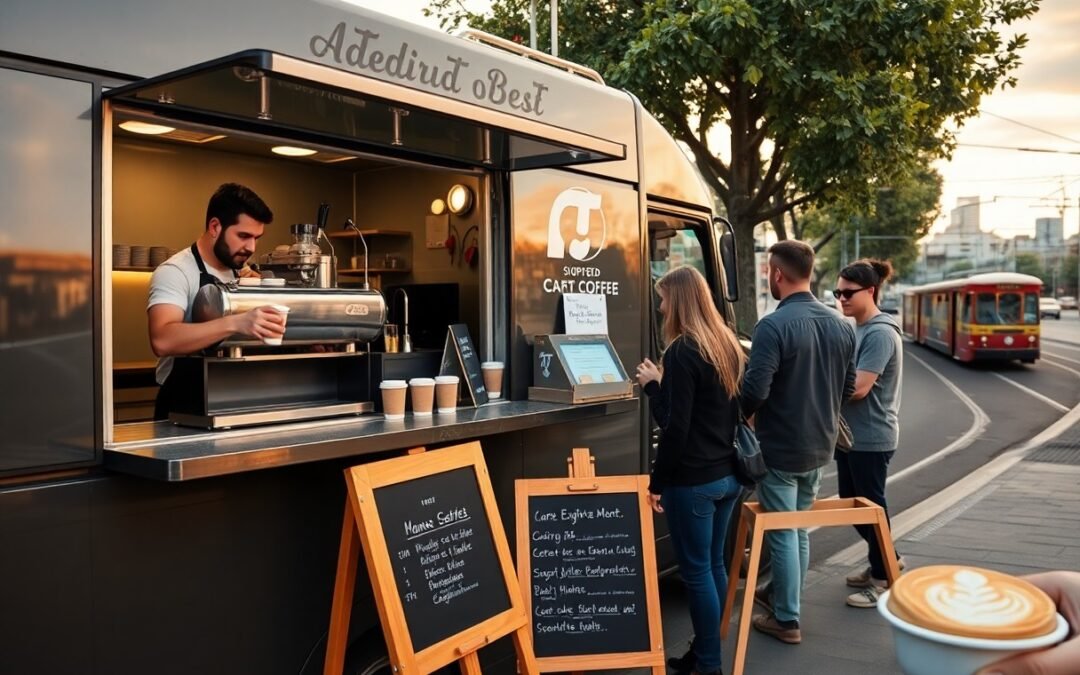
There’s a simple way to make your Adelaide coffee-van stop exceptional: you choose a vetted vendor, order smart, and pace your visit to match your schedule and taste; inspect bean origin and brew style, ask baristas for recommendations, use contactless payment and a tidy pickup spot, and savor your cup while it’s hot for reliable, premium results.
Understanding the Coffee Van Experience
When you approach a premium coffee van, what sets the experience apart is the combination of technical consistency and fast, personable service; a well-run trailer will pull a consistent 25-30 second espresso extraction at 9 bars, dose 18-20 g to yield roughly 36-40 g for balanced shots, and steam milk to 55-65°C with microfoam for texturing. Expect barista workflows that turn orders around in 60-90 seconds on average, with dual‑group espresso machines capable of delivering 120-200 drinks per hour during peak service, so you get speed without the sacrifice of quality.
Your sensory expectations should be matched by tangible investments: commercial grinders (Mahlkönig or similar) tuned for uniform particle size, inline water filtration to protect flavor and equipment, and clear roast-date labeling – many premium vans serve beans roasted within 3-14 days for espresso and 3-21 days for filter brews. You’ll also notice attention to ergonomics and workflow (two-person service lines, mobile POS), which reduces wait times at busy locations like markets, festivals and corporate events.
What Makes a Premium Coffee Van
You can judge a premium setup by its equipment and sourcing: a dual‑group La Marzocco or Synesso class machine, a high‑performance grinder, and dedicated filter brew kit (V60, batch‑brew brewers) are common. Beans will often be direct‑trade or from specialty roasters, offered as single‑origin or a tailored espresso blend, and clearly labeled with roast date and origin; many premium vans price espresso drinks between $3.50-$5.00 and filter brews from $3.50-$6.00, reflecting that sourcing and freshness.
Staff expertise also matters: you should expect baristas with SCA training or equivalent, strict dosing and temperature standards, menu engineering that includes dairy and plant‑based milk alternatives, and sustainable practices such as compostable cups and minimal waste. Operationally, premium vans maintain hygiene certifications, public liability insurance (commonly $10 million in Australia for event work), and digital ordering systems to keep queues moving at high‑traffic events.
Popular Coffee Van Options in Adelaide
You’ll find a few common formats around Adelaide: roaster‑branded mobile vans that promote their in‑house beans, specialty single‑origin pop‑ups focused on filter coffee and tasting flights, hybrid vans offering both espresso and cold brew/nitro, and larger trailer units for corporate catering and festivals. Typical locations include Adelaide Central Market stalls, weekend farmers’ markets, Glenelg and Henley Beach foreshore events, and cultural festivals where foot traffic can swell and demand spikes.
When choosing between them you’ll see differences in menu focus and capacity: a compact cart may excel at delivering a curated list of espresso‑based beverages and single‑origin V60s, while a full trailer can offer batch‑brew, nitro taps and multiple baristas handling 150-400 customers over a busy day. Prices, service speed and the ability to handle special requests (vegans, allergies, decaf options) vary, so match the van’s setup to your event size and guest expectations.
For more practical selection criteria, check power and footprint requirements (Adelaide venues typically provide 240V circuits; small generators rated 2-5 kVA are commonly used), confirm booking windows – many premium vans recommend 4-12 weeks lead time for weekend slots – and ask for references or sample menus; a reputable operator will share event case studies, typical throughput numbers and options for add‑on services like barista staffing or branded cups.
How-to Choose the Right Coffee Van
Assessing Coffee Quality
You should inspect bean provenance and roast-date signage first: premium vans will display origin (country and region), processing method, and a roast date-ideal espresso roast-to-cup window is roughly 3-14 days, while filter brews often peak between 7-21 days. Ask for the roast profile (single-origin vs blend) and whether they run a rotating single-origin option; blends typically give more consistency for high-volume events, whereas single-origins highlight distinct tasting notes. Technical markers to check are grinder quality (stepless adjustments are a plus), a 58mm portafilter on the espresso machine, and PID temperature control-target extraction parameters are a 18-22 g dose yielding 36-44 g in about 25-35 seconds at 92-96°C for espresso.
You can validate consistency by requesting a shot pull or a small filter sample; assess crema, acidity, body and balance, and whether the barista can reproduce the same shot twice. Look for evidence of supplier relationships-partnerships with local roasters, visible packaging, and staff who can cite tasting notes suggest better sourcing. Training matters: vans staffed by baristas with SCA-style training (courses typically 8-24 hours) or several hundred hours of practical experience will manage dialling in grinders and steaming milk to 60-65°C reliably under pressure.
Evaluating Service and Ambiance
Gauge speed and flow by watching how orders are taken and fulfilled: effective vans separate order/payment from pick-up and use POS systems with contactless payments to keep lines moving-expect a well-run single-group setup to handle roughly 60-80 drinks per hour and a two-group setup 120-180 drinks per hour with two trained staff. Note queue wait times; under four minutes per customer is a practical benchmark for events. Also assess staff interaction-friendly, informed baristas who can explain the beans, extraction times, and milk options convert one-off customers into repeat ones.
Check physical comfort and branding: awnings or umbrellas for shade, clear menu boards with prices (A$3.50-5.00 is typical for espresso drinks at premium mobile setups), seating or standing ledges, and ambient choices like curated music or signage that matches the van’s quality signal. Operational details matter: confirm they have adequate water capacity (many vans carry 100-200 L freshwater tanks), a reliable power source (onboard generator or site three-phase), and visible food-safety or vendor permits.
For events, ask concrete capacity questions-how many drinks they can serve per hour at peak, whether they bring backup grinders or extra staff for rushes, refrigeration for milk and perishables, and their waste-disposal plan. Request to see staff certifications or proof of barista training, and get a sample menu with pricing and booking terms so you can compare turnaround times and guarantees across providers.
Tips for Enjoying Your Coffee on the Go
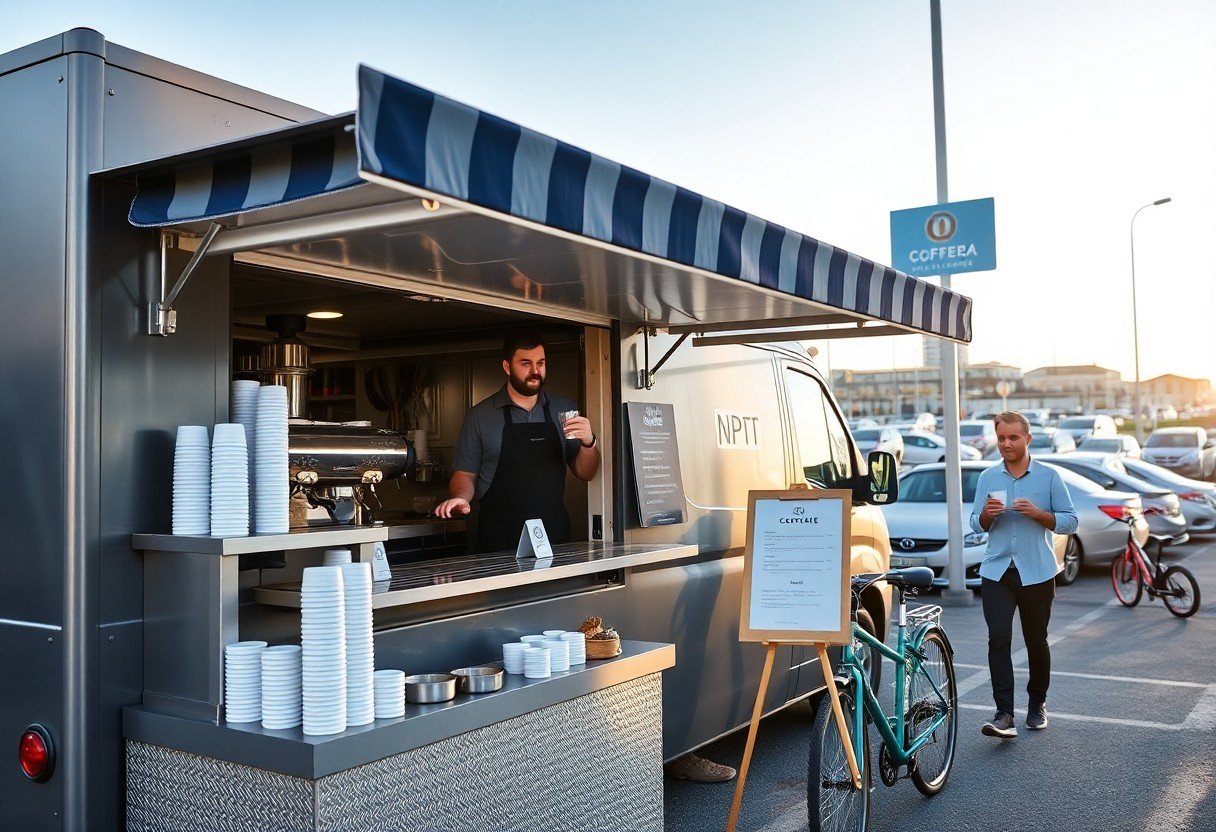
When you want speed without sacrificing quality, plan your order around the van’s rhythm: peak service often handles 60-120 orders per hour, so placing a clear, concise order reduces errors and wait time. Ask for specifics – single or double shot, 18-20 g dose, 25-30 s extraction, milk steamed to 60-65°C – and confirm cup size (short/regular/large) to avoid surprises. For events, check if the vendor offers pre-ordering or contactless payment to shave off 1-3 minutes per transaction and help you get back to your schedule.
- Bring a 250-350 ml reusable cup to get a small discount and reduce spill risk
- Specify drink strength (short, regular, long) and milk preference up front
- Ask for a double shot if you want stronger flavor without increasing volume
- Order simple additions (single syrup pump or extra shot) to keep service quick
Check the van’s menu for single-origin options (Ethiopian, Colombian) if you prefer bright, fruity notes, or a 70/30 house blend for balanced crema and sweetness; requesting a piccolo or ristretto often yields a concentrated experience in 90-120 seconds. If you’re managing a group at an event, use a single bulk order (specifying individual preferences) to reduce mistakes and speed service; see how other organisers do it in practice on How-To Maximize Event Success With Reliable Adelaide Coffee Vans.
Best Practices for Ordering
You should standardize terminology so baristas can process orders quickly: use ‘short black’ for a single espresso (25-30 ml), ‘long black’ for an espresso with hot water, ‘flat white’ for a 150-180 ml milk-based drink with microfoam. When you want consistency, request parameters – e.g., double shot (18-20 g) pulled to 40-50 ml yield – and note whether you prefer 60-65°C milk; this reduces variation between vans and ensures predictable flavor.
Time your order to minimize delays: avoid peak breaks (typically 8:00-9:30 AM and 12:00-1:30 PM at events) if you need speed, or pre-order via the van’s app where available to cut queuing. For larger groups, give a single spreadsheet-style list (name, drink, size, milk) to the server – vans handling 100+ customers at festivals use this method to maintain a sub-90-second turnaround per drink.
Pairing Suggestions for Snacks
Match roast profile to snack sweetness: pair medium-roast blends or milk-based drinks with buttery pastries like almond croissants (50-70 g) to amplify caramelized sugars, while single-origin fruity beans (Ethiopian or Kenyan) work well with citrus tarts or berry scones to highlight acidity. For a quick energy boost, a 60-80 g banana bread slice complements espresso-based drinks and keeps palate fatigue low during long events.
For savory pairings, choose textures that contrast: a crisp bacon roll or spinach-and-feta pastry offsets the creaminess of a flat white and creates a satisfying mouthfeel balance. Dark chocolate (70%) squares or shortbread (25-30 g) are reliable matches for ristretto or short black servings, as the bitterness and fat content help the espresso’s oils and acidity stand out.
This approach-matching roast strength and sweetness level while keeping snack portions to roughly 50-80 g-helps you maintain flavor balance and enjoy more consistent pairings at busy Adelaide events.
Factors to Consider for a Great Experience
You should weigh elements that affect both speed and quality: bean freshness and grind consistency, machine capacity (a 2‑group commercial machine versus a single‑group), barista skill level and turnover time (a trained barista can typically produce 60-100 espresso‑based drinks per hour with well‑set equipment), plus menu design that balances specialty and quick‑serve options. Operational details matter too – access to power and water hookups, waste removal, permit compliance with the City of Adelaide, and contactless payment capability all directly influence how smoothly your service runs and how long customers wait.
- Bean provenance and roast date display
- Machine groups and grinder throughput (grams per second)
- Staffing levels and peak throughput per barista
- Site utilities, loading zones and council permits
- Payment options, menu speed items and ADA access
Perceiving how these factors interact – for example, how a high‑quality single origin will be wasted if you can’t serve it quickly during a 7-9am commuter rush – lets you prioritise investments and staffing to create the premium, on‑the‑go experience you want.
Location and Accessibility
You want to position the van where foot traffic and dwell time align with your service model: near transit stops and office clusters for morning commutes, adjacent to Adelaide Central Market or Rundle Mall for weekend and lunchtime volume, and close to event venues (Adelaide Festival Centre, Adelaide Oval) during programmed events. Placing within 100-300 metres of a tram stop or major pedestrian thoroughfare typically increases walk‑by conversion and makes it easier for customers to spot you between errands.
Think about vehicle access and customer access separately: ensure you have a legal loading zone or on‑site parking for regular resupply, and verify the pedestrian route is step‑free and wide enough for short queues and wheelchair users. You should also check local council restrictions and event organisers’ site maps early – securing the preferred spot often means applying 4-6 weeks ahead and booking generator or power access if mains aren’t available.
Timing and Peak Hours
Plan staffing and menu for well‑defined peaks: weekday mornings (7:00-9:00) typically drive the highest volume of espresso short orders, lunch (12:00-14:00) brings mixed food and coffee purchases, and evenings or weekend afternoons spike around event start times. One barista on a single‑group machine can manage steady flows, but expect to add a second barista or open a second service window when volumes exceed ~80 drinks per hour to keep wait times under three minutes.
Operational tweaks reduce pressure during peaks: pre‑batch cold brews and high‑margin ready‑to‑grab items, use a 2‑group machine to halve extraction bottlenecks, and enable contactless payments to shorten queue times. You should also coordinate staffing with scheduled events – for example, arrive 45-60 minutes before an Adelaide Oval kickoff to capture pre‑game demand rather than trying to scale up after the crowd forms.
More info: monitor hourly sales through your POS to spot recurring surges, adjust inventory and staff rotas weekly based on that data, and use social posts or simple signage to steer customers to faster options during peak windows so you maintain service quality while maximising throughput.
Engaging with the Coffee Van Community
Social Media and Events
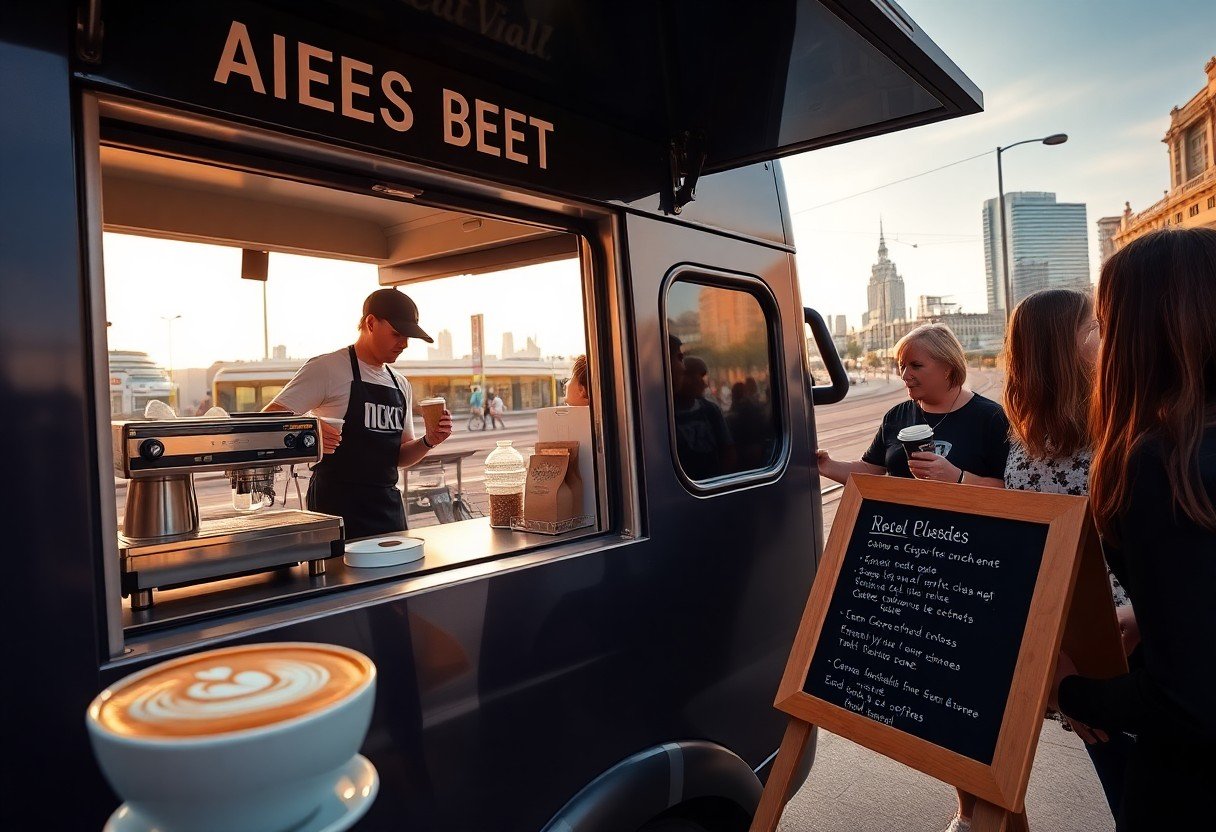
Start by following 8-12 local Adelaide coffee vans on Instagram and Facebook, set location filters to “Adelaide” and watch hashtags like #AdelaideCoffee and #CoffeeVanSA; turn on post notifications so you catch Stories announcing pop-ups. Check Eventbrite and Facebook Events for vans at Adelaide Fringe, WOMADelaide, the Adelaide Central Market, city laneways and weekend farmers’ markets – vans typically post pop-up details 24-48 hours ahead.
When you plan to visit, message the van to confirm times or reserve a batch brew; many vans offer discounts for reusable cups (usually A$0.20-0.50) and will run limited tastings or single-origin flights at festivals. If you’re organising a group, ask about block bookings-mobile setups often serve 30-100 cups per hour depending on equipment-so you can secure a time slot or small private service.
Building Relationships with Baristas
You build rapport by being consistent: baristas often start to recognise regulars after 3-5 visits, and a few informed questions will speed that process. Ask about bean origin and roast date, request extraction details (for example 18-20 g in → 36-40 g out in 25-30 seconds for espresso) or your preferred milk temperature (60-65°C); showing you care about specifics signals respect for their craft.
Give focused feedback and tip when service is busy, sign up for loyalty cards, and follow baristas on social channels-engaging with their posts often leads to perks like priority service, seasonal tastings or first access to new beans. You can also volunteer to test a new recipe briefly; vans frequently appreciate constructive input and will sometimes reward regular testers with off-menu samples.
Time your questions for quieter moments or after the rush and ask for a short 2-3 minute demo on dialling in espresso or steaming technique; complimenting a particular skill (latte art, crema quality, or clarity of a filter brew) encourages baristas to share tips and recommend a bean plus grind setting tailored to your home setup.
Sustainability in Coffee Van Culture
Eco-Friendly Practices
Choose vans that have a clear waste strategy: many Adelaide mobile cafés now run a reusable-cup discount (typically $0.50-$1 off), separate organics and landfill bins on-site, and switch to certified compostable cutlery and cups-though you should check whether those compostables require industrial composting, since PLA-lined cups won’t break down in standard kerbside recycling. You can also look for vans using water-saving practices (limiting rinse cycles, collecting rinse water for cleaning where local rules allow) and energy-efficient equipment to cut fuel use when generators are in play.
Pay attention to visible evidence of a sustainability program: solar panels on the van roof, labelled bin systems, signage about roast dates and packaging types, or staff trained to ask customers about reusable cups. Several operators report measurable reductions in single-use waste after introducing a reusable-cup policy combined with clear signage and a $0.50+ incentive-so your simple choice to bring a keep cup directly affects the van’s waste footprint and service speed.
Supporting Local Suppliers
Source beans and milk from local suppliers to shorten the supply chain and boost freshness: working with Adelaide roasters and South Australian dairy producers means you’ll get roast-date transparency and often roast-to-cup windows of 7-21 days for peak flavour. You should prioritise vans that list their roaster and milk producer on the menu-those partnerships usually indicate smaller batch ordering, faster turnover, and lower transport emissions than national distribution chains.
Visit or contact the roaster your favoured van uses so you can verify cupping notes, roast schedules, and micro-lot availability; smaller roasters typically offer 1-5 kg sample lots and will collaborate on seasonal single-origin releases. By asking the van owner about weekly order sizes (for example, 5-10 kg for high-turnover vans) you can gauge freshness practices and support a local business ecosystem that keeps quality high and waste low.
To wrap up
As a reminder, when you want a premium Adelaide best coffee van experience on the go, plan your stop, check vendor reviews and menus, and communicate your preferences clearly-size, strength, milk alternative, or single-origin choices-to get a tailored cup. Use contactless payment and loyalty options, tip for attentive service, and carry a well-sealed cup or reusable mug to keep your drink at the right temperature and avoid spills while you move.
Keep an open dialogue with the barista: asking for a recommendation, trusting their craft, and being specific about timing or batch sizes helps you get consistent quality. Support local vendors by sharing feedback and returning for favourite blends, and you’ll consistently enjoy fast, high-quality coffee that fits your schedule and taste while out and about.