
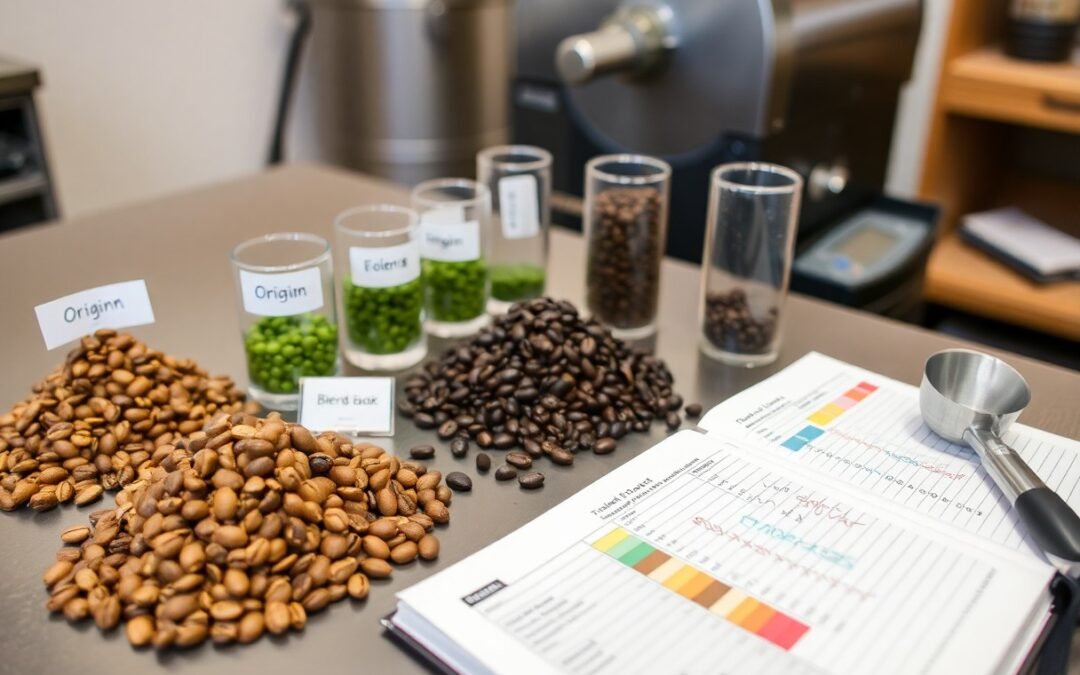
Flavor balance in house blends comes from blending beans with complementary acidity, body, and roast profiles so you experience integrated sweetness, controlled bitterness, and layered aroma guided by bean origin, roast degree, and precise proportions.
Key Takeaways:
- Blend composition: combining beans from different origins and varieties balances acidity, sweetness, body, and aroma so a single cup presents layered, harmonious flavors.
- Roast profiling: targeted roast levels for each component preserve desirable notes-light for brightness, medium for balance, darker for body-and a final roast strategy unifies the profile.
- Quality control and ratios: iterative cupping, precise percentages, and strict freshness control fine-tune proportions and roast adjustments to deliver a consistent, well-balanced house blend.
The Philosophy of the House Blend
Batches are assembled to balance acidity, body and aromatics so you can experience a coherent cup where no element overwhelms another. Roasters and blenders select components that mask faults and highlight complementary notes, creating a harmonious impression you’ll recognize.
Roasters fine-tune roast curves so you can count on the house blend’s identity across lots, adjusting time and temperature to emphasize the intended sweetness, clarity and finish.
Defining the signature flavor profile
You identify a core set of tasting notes-cocoa, stone fruit, toasted nuts-that act as the blend’s fingerprint, guiding origin choice and roast decisions so your customers experience the same character each visit.
Selection prioritizes beans that interact predictably when roasted, giving you a reliable mouthfeel and balanced finish even as single-origin nuances shift.
The pursuit of consistency across seasonal harvests
Blenders maintain reserve stocks and flexible recipes so you can smooth seasonal variability, blending newer lots with stable components to preserve the house profile.
Testing through regular cupping, roast trials and proportional trials helps you detect subtle drift and make swift formula adjustments, ensuring the cup you serve stays faithful to expectations.
Strategic Sourcing and Component Selection
Sourcing beans from varied micro-lots gives you options to blend sweetness, acidity, and body into a cohesive profile that supports your house character.
You prioritize consistent quality and traceability so component shifts remain predictable across seasons and allow intentional tuning rather than guesswork.
Identifying base, mid-range, and high-note beans
Roasters guide you to assign base beans for weight and caramel sweetness, mid-range beans for clarity and balance, and high-note beans for floral or citrus lift.
Base selections often provide the structural canvas while you add brighter or more delicate lots to shape finish and aroma.
Balancing acidity, body, and sweetness through origin diversity
Origins with lively acidity like East African lots combine with rounder South American or Indonesian beans so you can craft a blend that sings without sharp edges.
Mixing proportions and roast levels lets you control the interplay of acidity, body, and residual sweetness to match your desired cup profile.
Tasting across brew methods helps you confirm how origin interactions translate in the cup, enabling precise adjustments to percentages and roast to lock in the house signature.
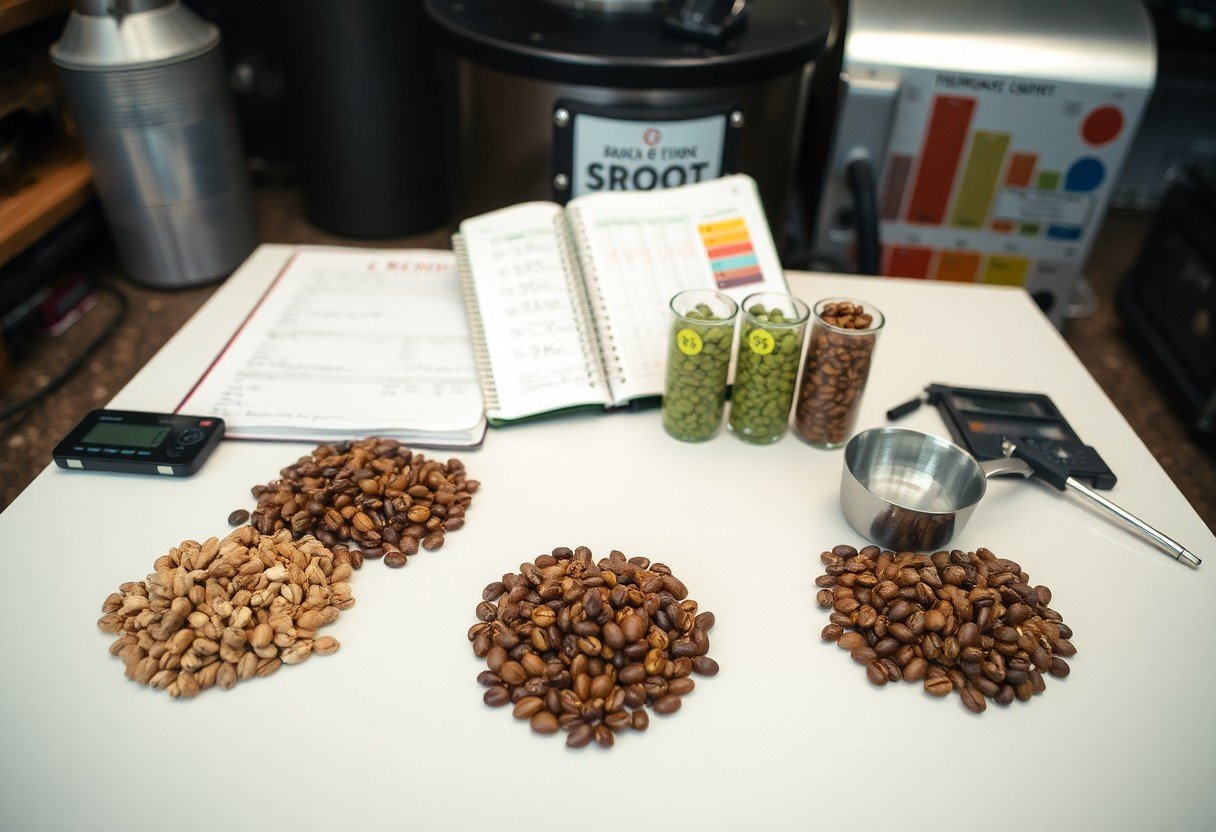
The Roaster’s Methodology: Blending Techniques
You evaluate how each origin and roast profile will contribute to acidity, body, and sweetness so the final cup achieves balance rather than a single highlighted note.
Blend proportions and roast curves are tools you adjust to sculpt mouthfeel and finish, with small tweaks yielding noticeable shifts in harmony.
Pre-roast blending for unified flavor development
Before roasting, you combine selected green beans to align sugar and acid development during heat, aiming for cohesive flavor evolution across the batch.
Single-origin components let you predict key characteristics, so you set roast targets that encourage complementary interactions instead of competing flavors.
Post-roast blending for distinct aromatic complexity
After roasting, you experiment by mixing profiles that preserve volatile aromatics, keeping floral or fruity top notes pronounced while adding depth from darker roasts.
Blending cooled beans gives you finer control over aromatic layering, allowing you to balance brightness and body without muting delicate scents.
Tasting small trial blends helps you refine ratios and understand how storage and time influence aromatic stability and the interplay of distinct roast-driven aromas.
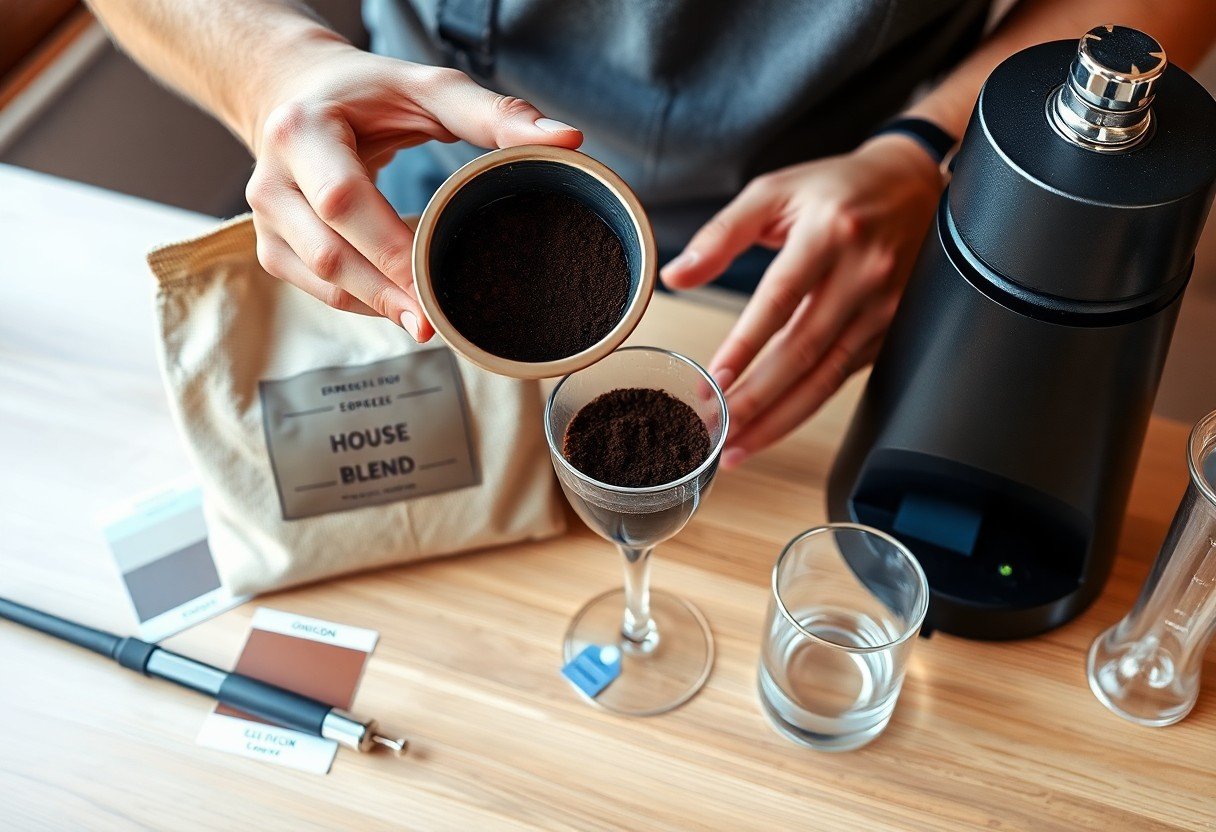
Achieving the Sensory Symphony
Blends combine beans with complementary acids, sugars, and aromatic compounds so you perceive a rounded cup where peaks and valleys of flavor coexist. You adjust roast levels and proportions to balance brightness, sweetness, and bitterness until each sip reads as a cohesive musical phrase.
Balance comes from intentional contrasts: a bright, high-altitude bean softens a heavy, chocolaty lot so you experience clarity without thinness. You test small batch variations and cup side-by-side to lock in the ratio that produces the intended harmony.
The chemistry of harmonizing contrasting flavor profiles
Acidity and Maillard-derived melanoidins interact with volatile aromatics so you can shape perceived sweetness versus sharpness by selecting origins with complementary chemical fingerprints. You rely on knowledge of sugar content, chlorogenic acids, and roast chemistry to predict how acids will round or cut through other notes.
Managing mouthfeel and aftertaste through bean ratios
Texture stems from bean lipids and soluble solids, so you tweak ratios to control body and finish: adding a naturally oily Brazilian will thicken the midpalate, while an African washed lot can lift the aftertaste. You monitor extraction yield to ensure mouthfeel matches the intended presence.
Ratios should be adjusted in small increments during cupping and brew tests so you accurately gauge changes in viscosity and lingering flavors; you keep records of percent blends and brew parameters to reproduce the ideal mouthfeel across batches.
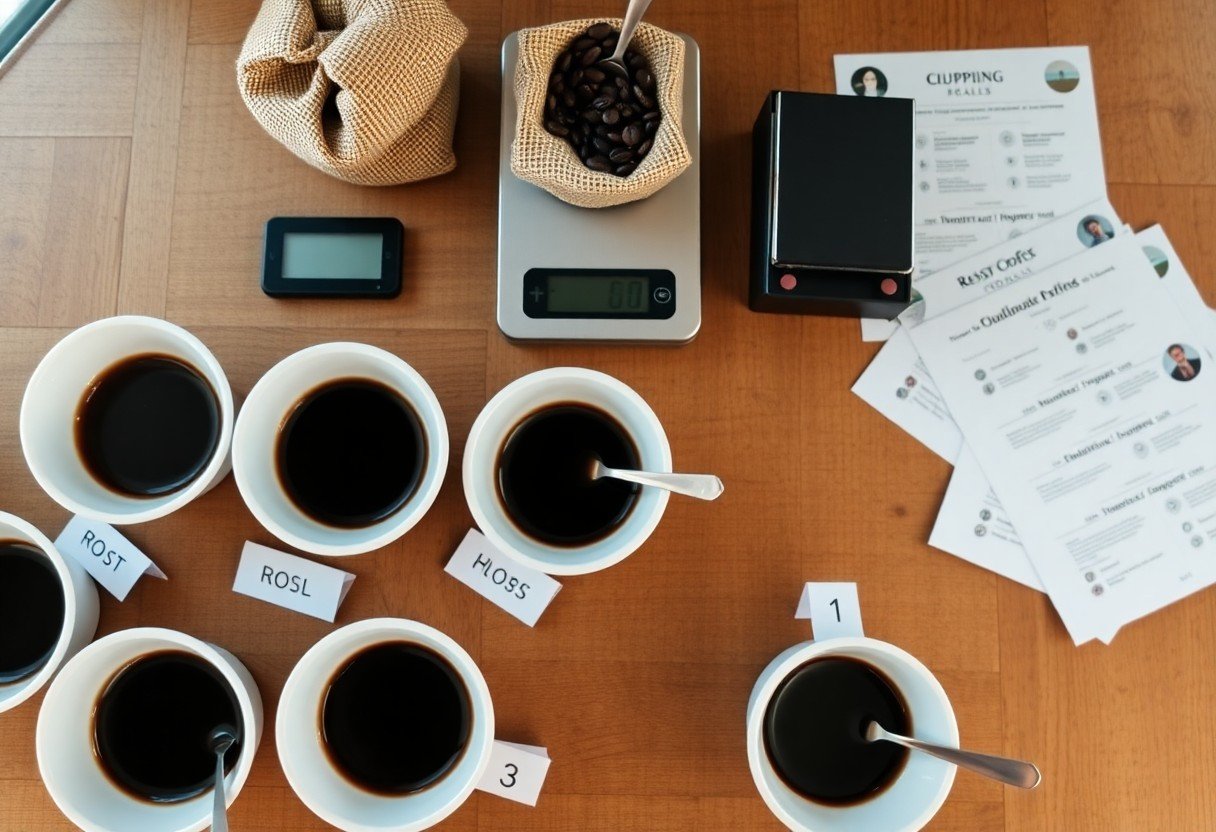
Quality Control and Iterative Cupping
Cupping protocols give you repeatable sensory baselines, so you can track roast and blend consistency through controlled scoring, temperature, and brew variables.
Sensory evaluation and profile refinement
You refine the flavor map by scoring acidity, body, sweetness, and aftertaste during cupping, then adjust roast profile and dosage according to consensus notes.
Adjusting formulas to account for crop variability
Blending margins shift each harvest, so you test small-batch ratios to sustain the house character while accommodating seasonal acidity or sweetness changes.
Seasonal sample panels and statistical tracking let you quantify bean-to-bean variance, enabling you to tweak percentages, swap component origins, or increase quality control checks without sacrificing overall harmony.
Versatility in the Cup
Blends let you move between pour-over, espresso, and French press while keeping a consistent flavor backbone; origin contrasts and roast profiling shift emphasis without collapsing balance. You can explore roasting goals and combinations in The Art and Science of Coffee Blends to see how components interact under different methods.
Optimizing the blend for various brewing methods
Adjusting grind size, dose, and water temperature helps you emphasize clarity for pour-over or body for espresso; small changes reveal different accent notes without rewriting the recipe. You can sample each method to refine the balance for your preferred cup.
Why house blends remain the cornerstone of specialty coffee
House blends give you a dependable signature that defines a roaster’s style and keeps customer expectations steady across multiple brew formats. You will notice consistency in aroma and finish that anchors tasting notes from day to day.
Because you rely on that consistency, baristas can calibrate machines faster and you can trust the cup in different environments, which strengthens the blend’s role in building loyalty and simplifying training.
Final Words
Summing up you recognize that house blends achieve harmony by pairing beans with complementary characteristics-bright Central American acidity, African fruitiness, and Brazilian body-then roasting each lot to a profile that balances sweetness, acidity, and mouthfeel.
You can trust consistent cupping, precise proportions, and strict quality control to preserve that balance from batch to batch, so the cup reflects deliberate design rather than random chance.
FAQ
Q: What makes a house blend produce a harmonious flavor symphony?
A: A house blend combines beans chosen for complementary attributes: acidity, sweetness, body, and aroma. Roastmasters select origins and roast degrees so flavors interact-fruit brightness balanced with chocolate or nutty notes and a lingering sweetness. Consistent sourcing, precise roasting, and regular cupping adjustments refine the balance over time.
Q: How do different origins contribute to the blend’s balance?
A: Single origins bring signature traits that play distinct roles: East African coffees add floral and citrus brightness, Central American beans provide clean sweetness and chocolate tones, and Indonesian coffees contribute deeper body and lower acidity. Blending mixes these traits to round sharp edges and create layered complexity that a single origin rarely offers alone.
Q: What role does roast profile play in creating harmony?
A: Roast profile controls the development of acids, sugars, and aromatic compounds through Maillard reactions and caramelization. Light roasts preserve bright acidity and floral notes while medium and medium‑dark roasts build body, caramel sweetness, and chocolatey depth; careful profiling ensures no single element overwhelms the cup.
Q: How do blending ratios and timing influence the final cup?
A: Percentage of each origin determines which flavors lead and which support; a higher‑percentage base provides stability while accent beans add brightness, spice, or floral lift. Blends can be mixed before roasting to allow compound flavor development or after roasting to preserve distinct roast characters, and each approach yields different interactions in the cup.
Q: How does bean freshness and storage affect the blend’s harmony?
A: Freshly roasted beans retain volatile aromatics and CO2 that shape perceived balance; staled beans taste flat and disjointed. Store whole beans in airtight containers away from heat, light, and moisture, and grind just before brewing to preserve the blend’s intended interplay of flavors.
Q: How do roasters test and adjust blends to maintain consistency?
A: Roasters use cupping panels and sensory scoring to evaluate balance, acidity, sweetness, body, and aftertaste across batches. Traceability, supplier communication, and data‑driven tweaks to roast profile or bean ratios keep the house blend consistent despite seasonal crop variation.
Q: How should I brew a house blend to best experience its harmony?
A: Match grind size, dose, and water temperature to your brew method: 90-96°C (195-205°F) and a 1:15-1:17 coffee‑to‑water ratio for pour‑over, finer grind and standard espresso dosing for espresso, and coarser grind for French press. Adjust grind and brew time until acidity, sweetness, and body feel balanced to your palate.