
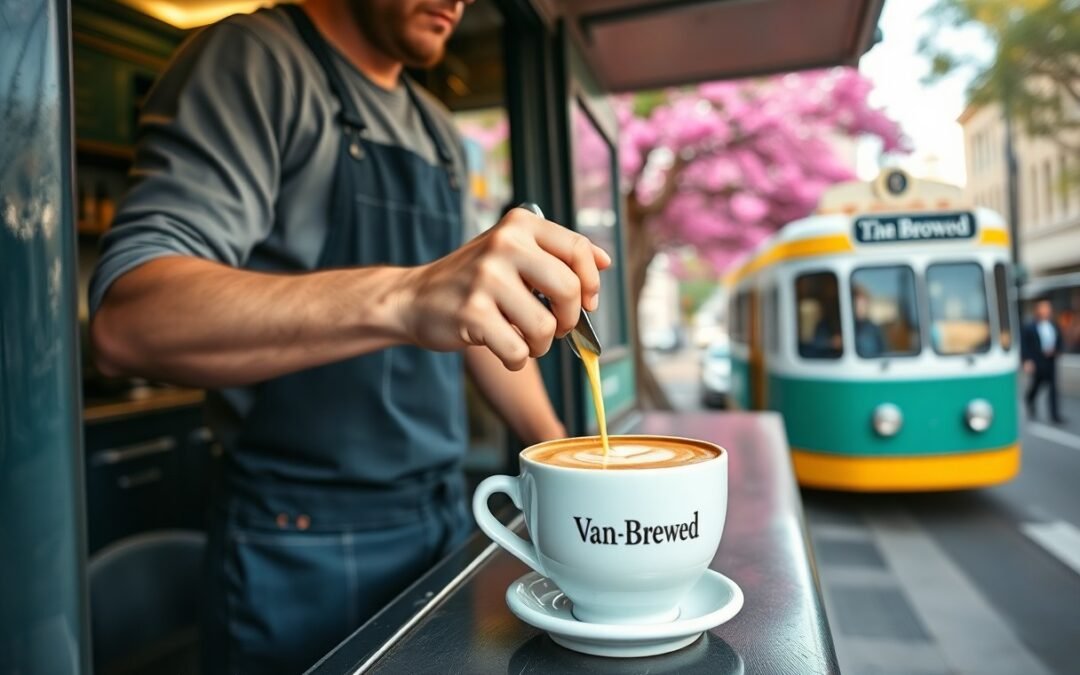
Most of your coffee expeditions in Adelaide will lead you to specialty mobile bars and laneway roasters where van-brewed lattes are pulled to peak texture and temperature; this guide equips you to find the most enchanting offerings by highlighting neighborhoods, signature trucks, brewing techniques, and tasting cues so you can judge crema, milk microfoam, and origin notes like a local.
The History of Van-Brewed Lattes in Adelaide
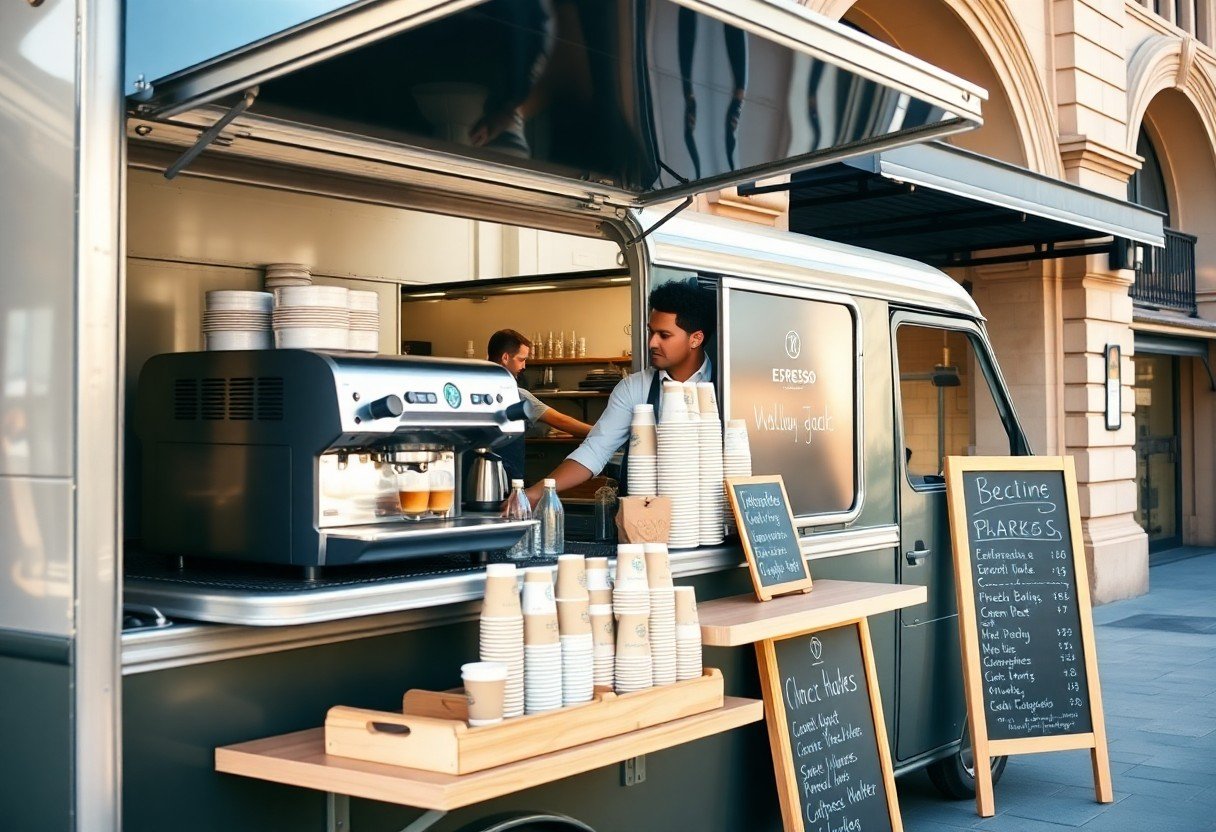
By the late 2000s you began seeing espresso carts and converted panel vans at weekend markets and events around Adelaide, and between 2008-2015 that presence shifted from occasional stalls to a thriving mobile specialty scene. Vendors invested in commercial 1‑group and 2‑group machines, reliable power solutions and formal food‑safety training to meet council permit requirements, so a single van can now serve 100-200 lattes over a busy market day and operate alongside established cafés at festivals like the Adelaide Fringe.
Origins and Evolution
Early operators often started with minimal kit-hand grinders and stovetop pots-then upgraded as demand grew; you can trace the move to fully equipped vans to operators who recognized festival and market circuits as repeat revenue streams. From roughly 2010 onward, improvements in compact espresso equipment, battery and inverter technology, and affordable water‑treatment systems allowed vans to deliver consistent extraction and milk texturing that matched brick‑and‑mortar standards.
Menu evolution followed equipment: initially focused on flat whites and long blacks, vans quickly added single‑origin batches, alternative milks and seasonal blends to stand out. You’ll notice many vans partner with South Australian roasters and bakeries, and a common trajectory is an operator scaling from van to pop‑up to a permanent café within 2-5 years, using the mobile business both as market testing and brand building.
Cultural Significance
Vans reshaped where you meet and how you spend mornings: they turned market aisles, tram stops and event forecourts into informal coffee hubs, often drawing lines of 10-40 people during peak times and becoming fixed landmarks at places like the Adelaide Central Market and suburban weekend markets. Social media amplified this effect, with Instagram posts and local food blogs turning standout vans into must‑visit stops for both locals and tourists.
Beyond convenience, mobile coffee culture fed Adelaide’s broader food scene by providing low‑barrier entry for entrepreneurs and creating on‑site collaborations with local producers; you’ll see vans offering single‑origin flights, tasting notes and limited‑run roasts in partnership with Adelaide Hills roasters, activities that helped raise the city’s specialty‑coffee profile.
On a community level you’ll find vans increasing accessibility to quality coffee in neighborhoods lacking cafés, supplying late‑night event crowds and supporting market economies; many operators now offer discounts for reusable cups and use compostable serviceware, reflecting a practical push toward sustainability alongside the social role vans play in neighborhood life.
Top Locations for Van-Brewed Lattes
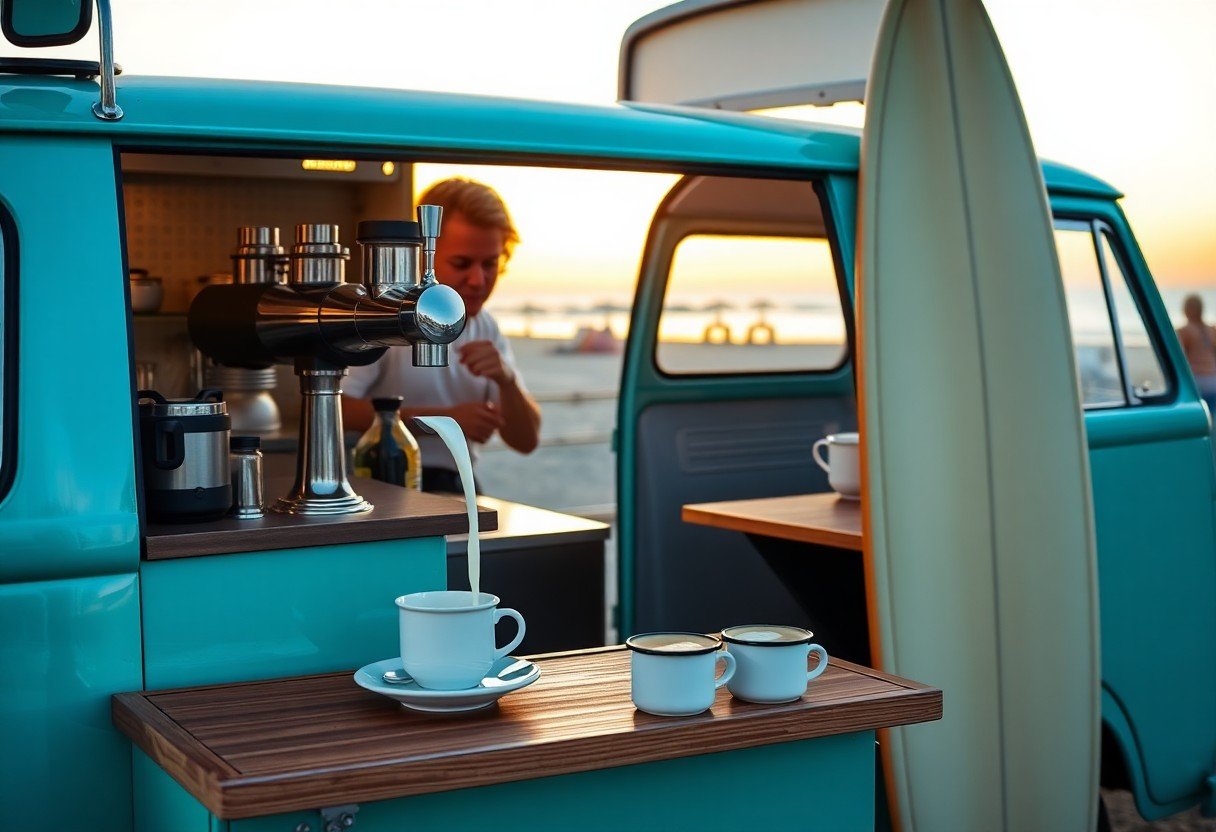
Wander weekend markets and festival precincts and you’ll spot the highest concentration of van-brewed lattes: Adelaide Central Market on Saturday mornings, Semaphore Sunday Market, and the Glenelg foreshore during summer often host multiple mobile operators, typically between 7:30-14:00. Festival seasons-Fringe (Feb-Mar) and WOMADelaide (March)-see a pronounced surge in vans, with some operators serving 300+ drinks across a weekend at major events.
Beyond big events, you’ll find consistent pop-ups in city laneways, university campuses during semester, and on Jetty Road, Glenelg, on weekend afternoons; following vendors’ social channels is the most reliable way to catch their irregular schedules and one-off collaborations with brick-and-mortar cafés.
Hidden Gems
Head down narrow lanes off Leigh Street and Peel Street and you may discover a single Kombi or converted panel van that only appears for early-morning office crowds or gallery openings; these micro-operations usually roast small-batch beans and price a standard latte around $4-5. In Port Adelaide and Thebarton you’ll sometimes find vans parked by riverfront markets or music venues, offering seasonal single-origin pours and experimental milk options that you won’t see in mainstream cafés.
Often tucked behind community hubs-libraries, craft markets or pop-up night markets-these hidden vans work on word-of-mouth and Instagram geo-tags; if you want the most interesting, small-batch experiences, arrive within the first hour of opening when bean freshness and extraction care are at their peak.
Popular Cafés
You’ll notice established cafés in Rundle Street, Gouger Street and Norwood Parade partnering with mobile baristas on busy weekends, setting up trailer espresso rigs to handle long queues while maintaining the same house beans and milk ratios. These collaborations let you enjoy van-brewed technique with the consistency of a café roster-expect peak queues of 20-40 people at lunchtime, especially on market days.
In the CBD, cafés around Victoria Square and near the Central Market rotate guest vans during festivals and public holidays, often featuring a guest roast or limited single-origin espresso alongside their staple blends; this model lets you compare van extraction styles against in-house machines within a single visit.
For planning, check vendors’ Instagram or the cafés’ event pages where they publish pop-up times, bean origins and whether they offer dairy-free milks; many vans accept card payments and charge a small surcharge for alternative milks, and several provide filter-brew options if you prefer a cleaner, single-origin profile to the classic van-brewed latte.
Criteria for the Perfect Van-Brewed Latte
When you assess a van-brewed latte, prioritize measurable elements that you can perceive immediately: extraction time, milk temperature and texture, and bean freshness. Aim for an espresso extracted from an 18-20 g dose yielding roughly 36-40 g in 25-30 seconds at 9 bar and 92-95°C-those parameters usually deliver balanced sweetness and clarity. Simultaneously, expect milk steamed to 60-65°C with a glossy, microfoam texture so the latte integrates smoothly rather than separating into froth and flat milk.
You should also consider behind-the-scenes factors that directly affect cup quality: grinder calibration (adjust every few hours at busy markets), water TDS between 50-150 ppm for consistent extraction, and beans roasted within 3-14 days for optimal volatile aromatics. Pay attention to service consistency too-clean portafilters, routine machine purges, and consistent tamping pressure (around 15-20 kg) all show the barista cares about reproducible results.
Taste and Quality
You’ll know a top van-brewed latte by its balance: bright but not sharp acidity up front, a mid-palate sweetness (think caramel, milk chocolate or stone-fruit notes), and a rounded, low-bitterness finish. Single-origin lighter roasts often present pronounced citrus or floral notes, while blends roasted for latte sweetness will emphasize chocolate, nut and caramel tones-expect 1-2 pronounced tasting notes rather than an overwhelmed palate. Acidity that registers as lively rather than sour, paired with syrupy body, is a reliable indicator of a well-executed cup.
Texture plays into perceived flavor: microfoam that melds with the espresso amplifies sweetness and mouthfeel, so a latte in a 150-220 ml cup should feel creamy without being heavy. If you taste metallic or soapy notes, that’s frequently a water or machine-cleanliness issue; if the cup tastes flat and stale, check the roast date-beans beyond 21-28 days often lose the volatile oils that make a latte sing.
Brewing Techniques
You’ll notice technique differences quickly: pre-infusion of 2-4 seconds softens channeling and improves sweetness, pressure profiling can shape body and crema, and consistent distribution plus a level tamp prevents under- or over-extraction. Many mobile setups use E61-style group heads or rotary pumps with heat-exchange or small rotary boilers (1-3 L) to maintain stable temperatures-stability here translates to repeatable shots. Grind retention matters too; a well-maintained doserless grinder with 83-88 mm flat burrs (or equivalent) you see in top vans keeps particle distribution consistent throughout service.
Milk technique separates good from great: stretching to incorporate air, then rolling to polish microfoam, with a clean purge and wipe between steams, yields latte art and consistent texture. Expect experienced van baristas to steam 150-200 ml of milk for a standard latte, finishing at 60-65°C and pouring within 10-20 seconds of steaming to preserve crema integration. Small adjustments-0.5-1.0 g dose changes, 1-2 second extraction tweaks, or a 1-2 click grinder shift-are how they chase consistency across ambient temperature swings.
More detailed signs of technical proficiency include routine backflushing at the end of the day, swapping water filters every 4-6 weeks depending on usage, and calibrating grinder burrs or replacing them after roughly 800-1,200 service hours. You’ll also find that vans that record roast dates, keep tamp pressure consistent, and log machine maintenance produce noticeably steadier lattes across a busy weekend market than those that don’t.
The Brewing Process
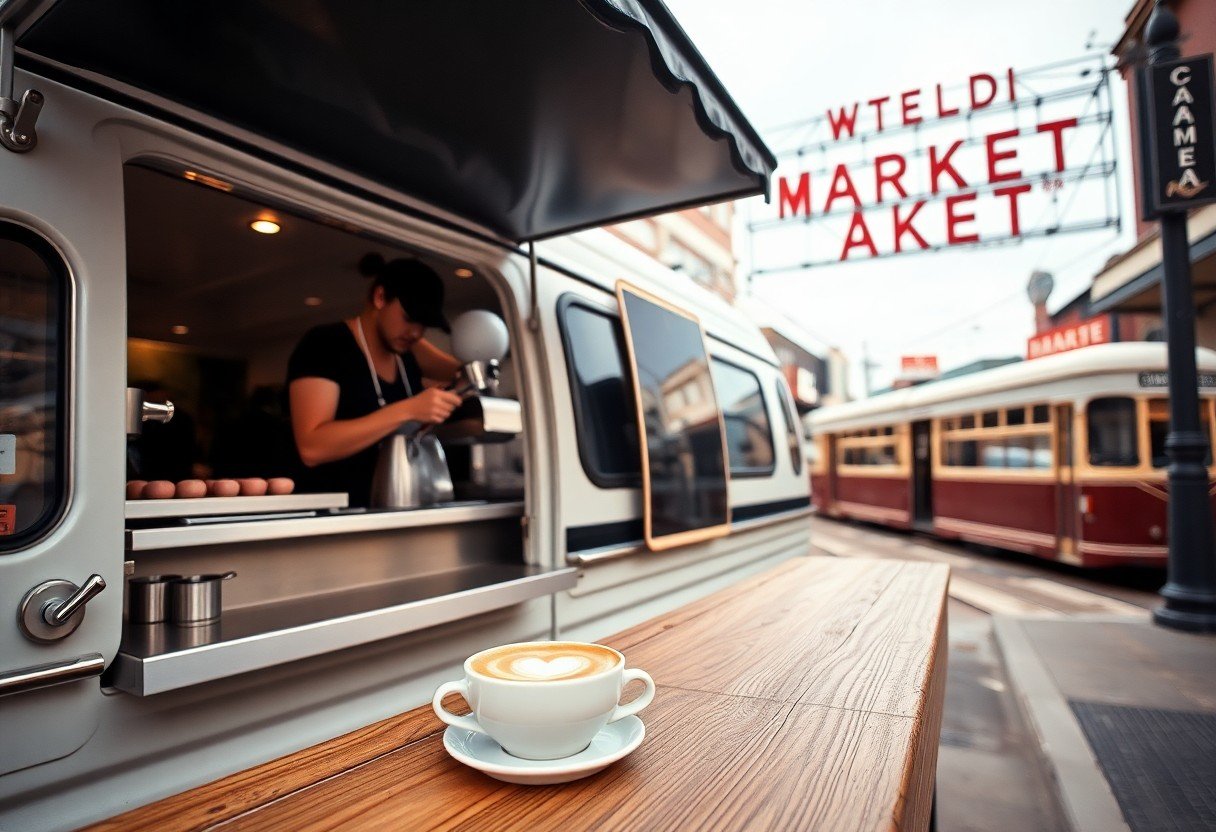
You’ll notice van setups prioritize speed without sacrificing precision: compact 2-group machines, on-board boilers and 58mm portafilters let baristas reproduce café-grade shots under time pressure. Many operators calibrate for an extraction temperature between 92-94°C and 9 bar pressure, targeting a 1:2 brew ratio (18 g in → ~36 g out) within 25-30 seconds to keep flavour bright and consistent across hundreds of serves at a weekend market.
Expect on-the-fly adjustments as queues build: grinders are often set slightly coarser in the morning, then tightened as beans heat up; steam wand technique aims for 60-65°C milk with 1-2 mm microfoam for a stable latte. You’ll find that predictable water TDS (about 50-150 ppm) and routine backflushing make the biggest measurable difference to shot clarity from a mobile rig.
Ingredients Used
You should look for beans labelled for espresso usage-blends with 20-40% darker-roast component add body while single origins provide seasonal acidity and tasting notes. Many van baristas dose 18-20 g for a double shot and choose medium roasts when they need a reliable flavour across milk-based drinks.
Milk choice matters: whole milk (~3.5% fat) produces the creamiest texture, while barista oat and almond blends are formulated to foam and hold temperature; you’ll also spot syrups (vanilla, hazelnut) and single-origin pour-over options for customers who want a cleaner cup. Water quality is frequently managed with a compact filtration cartridge to keep TDS in the 50-150 ppm sweet spot.
Ingredients at a glance
| Coffee beans | 18-20 g dose for double shot; medium roast for balance or single-origin for distinct notes |
| Grind | Adjusted to yield 25-30 s extraction for ~36 g out; grinders often tuned per shift |
| Water | 92-94°C brew temp; TDS 50-150 ppm via onboard filtration |
| Milk | Whole milk 60-65°C for latte; barista oat/almond blends for alternatives |
| Syrups & extras | Small % additions (10-20 ml per cup); cacao for mochas; cinnamon for garnish |
| 1. Dose & Grind | 18-20 g for double; grind to hit 25-30 s extraction |
| 2. Tamp | Level then tamp with ~30-40 lbs of pressure for an even puck |
| 3. Extract | 9 bar pressure, 92-94°C; aim for ~36 g out in 25-30 s |
| 4. Steam milk | Texturise to 60-65°C with 1-2 mm microfoam |
| 5. Pour & finish | Preheat cup, combine shot and milk; garnish or add syrup to taste |
When things go off, you’ll troubleshoot quickly: shorten extraction by tightening grind or increasing dose if under-extracted, and lower steam wand time if milk overheats above 65°C (which flattens sweetness). Regularly purge and backflush the machine, preheat cups and log each bean batch’s settings so you can repeat a great latte consistently across busy shifts.

Customer Experience and Atmosphere
Ambiance of Selected Locations
You’ll find the Central Market and Victoria Square vans surrounded by constant motion: weekday rushes between 7-9am and weekend brunch crowds from 9-11am often mean standing-room-only and wait times of 10-25 minutes. These hubs pair van-brewed lattes with a sensory mix of market chatter, hawker aromas and live buskers, so your visit doubles as a people-watching opportunity rather than just a coffee run.
By contrast, vans parked along North Terrace, near the Botanic Gardens or in parts of North Adelaide give you a calmer experience; queues there frequently drop to under five minutes midweek and you can grab bench or lawn seating to sip slowly. During big events like the Adelaide Fringe or Oval match days you should expect spikes-queues can triple-so plan visits outside peak event windows if you want quieter surroundings.
Customer Reviews and Feedback
You should scan recent online reviews to gauge consistency: aim for vendors with average ratings above 4.5 based on at least 30 reviews, and prioritise comments that mention repeat visits, milk texture, and shot quality. Many patrons highlight the quality of microfoam and steady extraction as the difference between “good” and “exceptional” van-brewed lattes, while notes about friendly baristas and efficient service often predict a dependable experience.
Pay attention to recurring negatives as well: temperature inconsistency, fluctuating crowd control, and limited seating come up most often in feedback. When reviews mention specific times-like “great at 3pm, terrible at 8am”-you can adapt your schedule accordingly to avoid the problems others have flagged.
To get the fullest picture use a mix of platforms: Google Maps for ratings and timestamps, Instagram for real-time photos of queues and setup, and local Facebook groups for firsthand tips; if multiple recent posts show long waits, treat that as a reliable indicator that you’ll need extra time or a backup location.

Summing up
Ultimately you unearth Adelaide’s most enchanting van-brewed latte by seeking out mobile bars that prioritise fresh roasts, precise extraction and confident milk work; these vans typically appear at weekend markets, beachfront precincts such as Glenelg and busy laneways near the CBD. When you sample from a barista who balances sweetness, crema and temperature, your benchmark for a standout van-brewed cup becomes evident.
Use local coffee guides, Instagram updates and word-of-mouth to track where the best vans park, and sample rotating single-origin shots and alternative milks so your preferences sharpen; once you find a van that consistently delivers, your search will be rewarded with reliably enchanting lattes.