
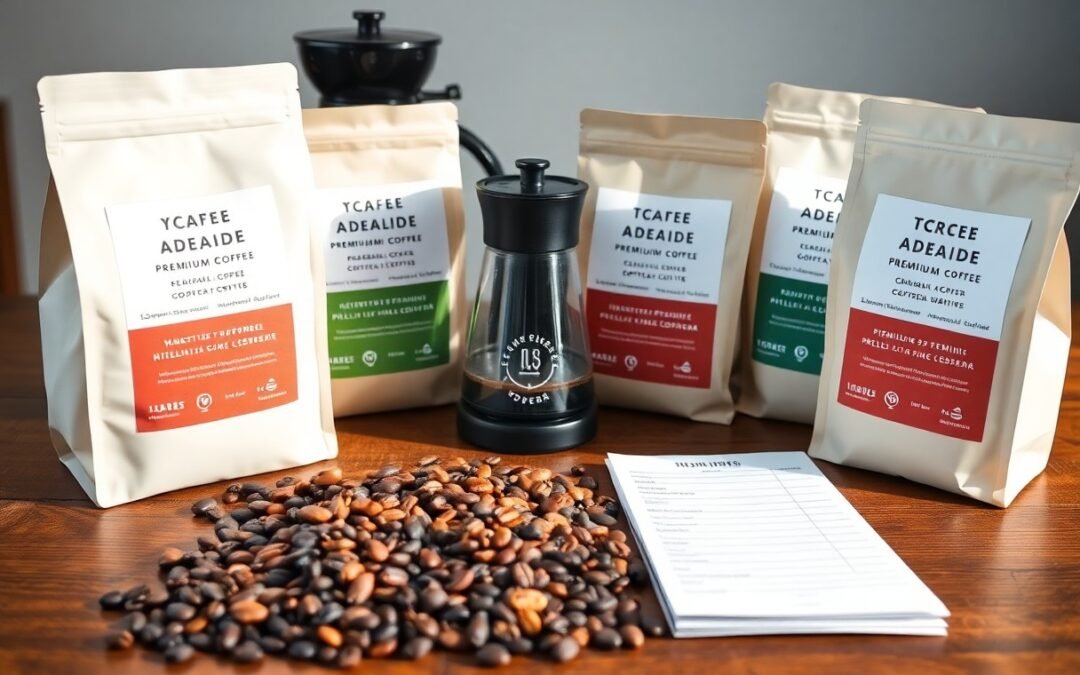
You have the power to elevate your coffee experience by selecting the right premium Adelaide coffee beans tailored to your palate. Understanding the diverse flavor profiles, roast levels, and origins will help you navigate the options available. This guide provides practical tips to identify the beans that resonate with your taste preferences, ensuring every cup of coffee you brew is a satisfying delight. Discover the key factors that will enhance your coffee selection process and enjoy a more fulfilling caffeine journey.
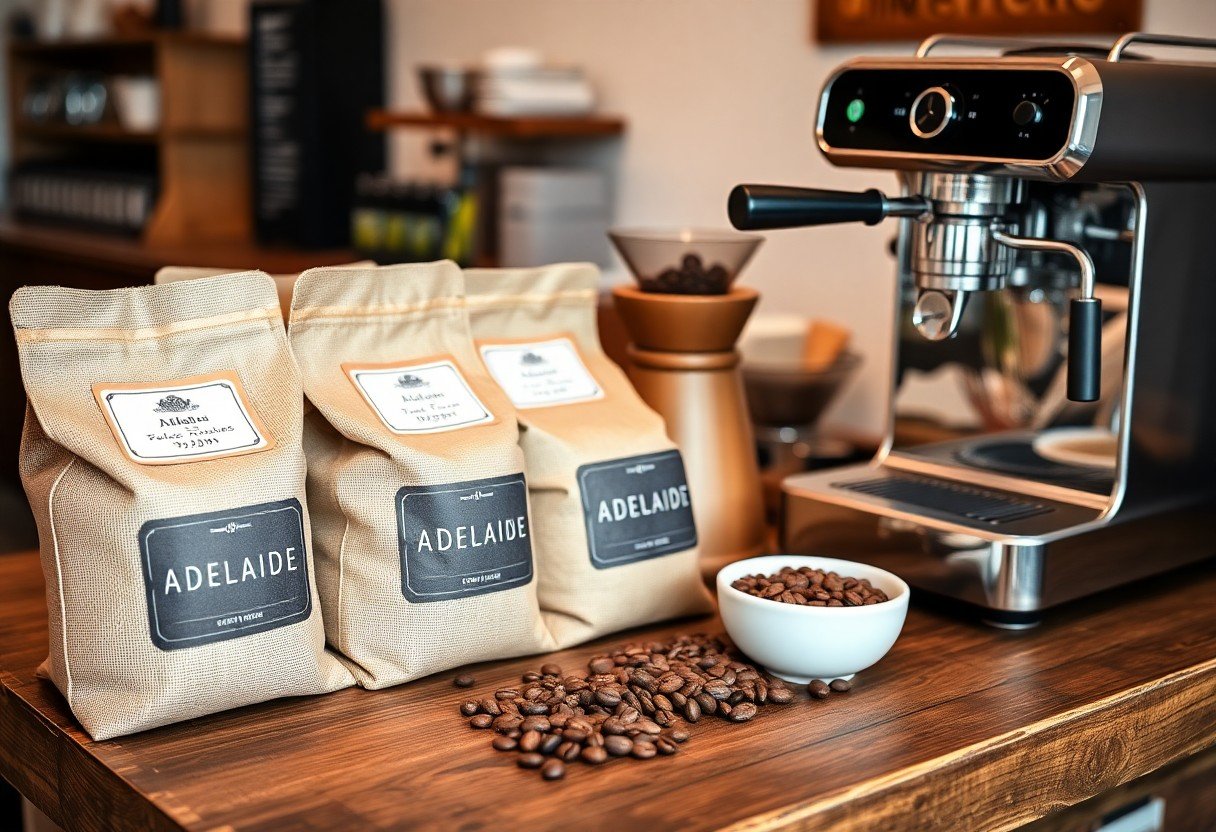
Understanding Coffee Bean Varieties
Arabica vs. Robusta
The two primary coffee bean varieties you’ll encounter are Arabica and Robusta, each boasting distinct characteristics that influence flavor, aroma, and overall coffee experience. Arabica beans make up about 60-70% of the world’s coffee production and are prized for their smooth, nuanced flavors and higher acidity. You’ll often find notes of sugar, fruit, and even floral hints. In contrast, Robusta beans are known for their strong, bold flavor, higher caffeine content, and characteristic earthy or nutty undertones. If you prefer a richer, bolder cup, Robusta may be more your style.
Specialty Coffee and Its Characteristics
Specialty coffee refers to beans that have been carefully sourced, processed, and evaluated to achieve a quality score of 80 points or higher on a 100-point scale. When you explore specialty coffee, you’re tapping into a world of flavors that go beyond the standard cup. These beans often represent unique terroirs, showcasing specific growing conditions, altitudes, and varietals that contribute to exquisite tasting notes. In Australia, renowned coffee-growing regions like Kenya or Colombia may yield beans with bright acidity, while beans from Brazil might offer a chocolatey richness.
Factors to Consider When Choosing Coffee Beans
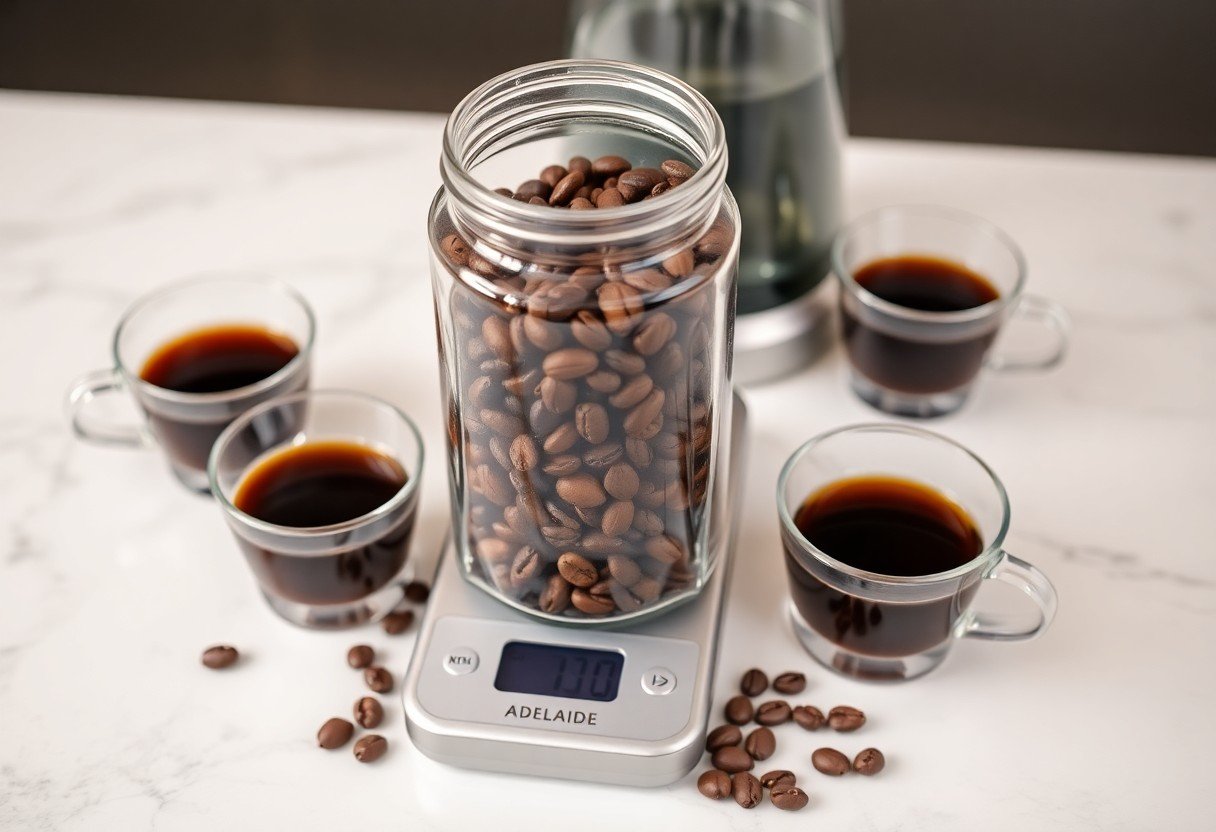
When identifying coffee beans, a variety of factors will influence your decision. Understanding your preferences will make it easier to navigate the abundant choices available. Start by considering the origin of the beans, as this can significantly impact flavor, aroma, and quality. Different regions produce distinct characteristics due to climate, altitude, and soil composition. You might also want to pay attention to the processing method-washed, natural, or honey-to explore how it alters taste profiles.
- Flavor Profile
- Roast Level
- Freshness
- Price Point
- Ethical Sourcing
Perceiving the complexity of flavor in coffee can lead you to explore different taste notes, from fruity and floral to nutty and chocolaty. The flavor profile is often influenced by the coffee’s origin, processing method, and roast level. Experimenting with various beans will help you determine what resonates with your palate. For instance, Ethiopian coffees might evoke bright citrus notes, whereas a Colombian bean could offer a smooth caramel finish.
Flavor Profile
Delving into flavor profiles allows you to match beans with your personal taste preferences. Beans sourced from different regions offer unique flavor nuances; for example, beans from Guatemala are often recognized for their chocolate undertones, while Sumatran beans might provide a richer, earthy profile. Additionally, brewing methods like espresso versus French press can further modify the flavor experience, shifting your preference from one bean type to another.
Roast Level
The roast level is another significant determinant when selecting your coffee beans. Coffee can range from light to dark roasts, and each level brings its own flavor intricacies. Light roasts tend to maintain more of the beans’ natural flavors, making them ideal for highlighting fruity or floral notes. Medium roasts strike a balance, often blending acidity with sweetness, while dark roasts often deliver a bolder, more robust profile with hints of chocolate and toasted flavors.
Choosing the right roast level not only influences flavor but also alters caffeine content; lighter roasts generally have slightly more caffeine than darker roasts. Personal preference plays a vital role, and experimenting with various roast levels can help you discover your optimal brew. If you enjoy a clean, vibrant taste, you might lean toward lighter roasts, but if you favor richer tones, dark roasts could be your go-to.
The Importance of Sourcing and Freshness
Quality sourcing of coffee beans directly impacts flavor and aroma. Local roasters often prioritize relationships with farmers, ensuring ethical practices and premium quality. This connection can lead to beans that are fresher and more vibrant in flavor, as local roasters may source their beans directly and can use unique, specialized methods for roasting that highlight the beans’ natural characteristics. On the other hand, commercial brands typically operate on a larger scale, which can result in longer supply chains. This may compromise the freshness of the beans by the time they reach your cup.
Local Roasters vs. Commercial Brands
Choosing between local roasters and commercial brands depends on your priorities as a coffee drinker. Local roasters frequently experiment with small batch roasting, presenting coffees that are varied and distinct. When you support a local roaster, you may experience rare or single-origin beans that highlight the unique qualities of specific regions, often resulting in a more personalized and memorable coffee experience. Commercial brands, while sometimes convenient and widely available, often focus on consistency over adventurous flavors, which could limit your exploration of diverse coffee profiles.
Understanding Roast Dates
Roast dates are pivotal for indicating the freshness of your coffee. Consuming coffee shortly after it’s roasted ensures you enjoy its full flavor potential. Typically, beans are at their peak within 14 to 21 days post-roast. After this period, flavor degradation can occur, leading to a bland, stale cup. Knowing and prioritizing roast dates allows you to select beans that align with your taste preferences and guarantees a more vibrant coffee experience. In Adelaide, sourcing freshly roasted beans from local shops can significantly enhance your coffee ritual.
When deciding on coffee beans, pay close attention to the roast date indicated on the packaging. Beans that are several weeks or months past their roast date may compromise your brewing experience and limit the development of the desired flavor notes. For optimal consumption, seek out beans roasted within the past two weeks, ensuring you enjoy the fullest expression of taste and aromatic complexity upon brewing. This approach not only supports freshness but also connects you more intimately with the art of coffee making.
Tasting and Brewing Methods
Brewing Techniques to Enhance Flavor
Your brewing technique significantly impacts the final taste of your coffee. For example, using a French press plays up the robust flavors of your beans, while pour-over methods can accentuate subtle notes and aromas. Experiment with different water temperatures; brewing at around 90-95 degrees Celsius usually brings out the best flavors. Also, consider the brew time, as a longer steeping process can introduce bitters, whereas a quicker brew might yield a more vibrant cup. Discover more about these methods and their effects on taste at Adelaide Coffee Lovers: Ordering Beans Online – Worth It ….
Conducting Taste Tests
Holding taste tests is an enjoyable way to refine your preferences. Brew multiple varieties side by side, paying attention to their unique aromas, flavors, and aftertastes. Make notes on each bean’s characteristics-such as acidity, body, and complexity-to identify which profiles resonate with you most. This method also helps in understanding how each coffee type interacts with your preferred brewing technique.
Incorporating friends or family into these taste tests can introduce additional perspectives, further enhancing your experience. Create a scoring system for different attributes such as brightness, sweetness, and overall satisfaction. This process transforms the seemingly overwhelming choices of Adelaide coffee beans into a fun and engaging way to discover your ideal flavor profile.
Recommendations for Premium Adelaide Coffee Beans
Top Local Roasters
In Adelaide, local roasters are your go-to for high-quality, fresh coffee beans. A standout option is Camino Coffee, known for their meticulously sourced beans and unique roasting profiles. Their Daterra Sweet Collection is favored for its natural sweetness and intricate flavor notes, making it ideal for espresso enthusiasts. Another excellent choice is Hop And Barrel, who prides itself on sustainable practices and distinct roasting approaches that highlight the beans’ terroir.
You should also explore Hampstead Coffee Roasters. Their range includes a superb Ethiopian Yirgacheffe that delivers bright acidity and floral notes, perfect for your morning brew. Engaging with these local roasters not only supports the community but provides access to limited-edition releases that cater to diverse palates.
Popular Blends and Single Origins
When choosing coffee, popular blends often create a balanced flavor that appeals to many drinkers. The >Adelaide Blend from the Coffee Factory combines beans from Brazil and Colombia, striking a harmonious balance between sweetness and body. For something distinct, consider single-origin beans like the Guatemalan Huehuetenango, known for its fruity notes and chocolatey finish, which can elevate your coffee experience.
Understanding the appeal of both blends and single origins is vital. Blends tend to offer consistency and complexity, while single-origin coffees provide a unique taste of specific regions. As you explore these options, consider how their unique flavor profiles align with your personal preferences.
Tips for Storing Coffee Beans
To ensure that your coffee beans retain their flavor and aroma, proper storage is imperative. Exposure to air, moisture, heat, and light can degrade the quality of your beans, making it important to keep them in a controlled environment. Use an opaque, airtight container, preferably made of glass or ceramic, and store it in a cool, dark place. Avoid the refrigerator, as the moisture can compromise the beans.
- Keep beans in a dark, cool area away from the stove and direct sunlight.
- Use an airtight container to prevent exposure to air.
- Only grind the amount you need right before brewing.
- Avoid buying coffee beans in bulk unless you consume them quickly.
The first step in maintaining freshness is to reduce the beans’ exposure to elements that cause deterioration.
Best Practices for Freshness
In the context of storing coffee beans, focus on sealing and protecting them effectively. Choosing to buy whole beans rather than pre-ground coffee not only enhances freshness, but it also preserves imperative oils within the beans. Aim to keep your coffee in small batches that you can finish within two weeks of opening. After that, the flavors begin to fade.
Moreover, consider investing in a vacuum-sealed container to further limit air exposure. If you find you have surplus beans, freezing them can be an option, though make sure they’re in an airtight bag to prevent moisture from affecting them. When you are ready to brew, take only the amount you need to ensure optimal freshness every time.
Common Mistakes to Avoid
Many coffee lovers unknowingly make storage mistakes that compromise their coffee experience. One common error is keeping coffee beans in the original packaging, which typically lacks the necessary sealing and protection against air and light. Additionally, many opt for clear containers, facilitating light exposure that can diminish flavor over time.
Even humidity control can be overlooked when storing coffee beans. Some people might think storing them in the refrigerator will preserve freshness, but this tends to introduce moisture that ruins the beans. Moreover, failing to utilize proper portioning can lead to repeatedly exposing the entire batch, further leading to loss of quality. The best approach involves avoiding these pitfalls to keep your beans tasting as delicious as possible.
Conclusion
Following this guide, you can confidently navigate the array of premium Adelaide coffee beans available to you. By paying attention to factors such as flavor profiles, roast levels, and sourcing practices, you can select the beans that best align with your personal taste preferences. It’s important to experiment and be open to trying different origins and blends, as this will help you refine your palate and discover what you truly enjoy.
Your journey to finding the perfect coffee begins with understanding your preferences and exploring the rich diversity of beans offered by local roasters. Engaging with your local coffee community can also provide insights and recommendations that may enhance your experience. With careful consideration and a willingness to explore, you’ll elevate your coffee-drinking experience and truly appreciate the nuances within each cup.