

Many coffee enthusiasts have noticed the surge in mobile coffee vendors across Adelaide, reflecting a broader trend in urban coffee culture. This phenomenon not only enhances your caffeine experience but also signifies a shift towards a more dynamic and globalized approach to coffee consumption. As you explore the vibrant streets filled with these mobile cafes, you may discover how this trend could reshape your understanding of coffee’s role in modern society, much like the discussions held at the joint annual meeting of afhvs & asfs may 28‐31, 2009 penn ….
The Rise of Mobile Coffee Culture
Historical Context
The rise of mobile coffee culture has deep roots, stretching back to the mid-20th century when the first espresso bars appeared in major cities worldwide, including Adelaide. This shift in coffee consumption patterns coincided with the growing café scene, where social interaction and coffee drinking became intertwined. By the 1990s, the introduction of café carts and vans in urban areas started to transform the landscape of coffee accessibility, allowing you to enjoy quality beverages on the go. With events and festivals embracing this model, the appeal for mobile coffee vendors rapidly gained traction during this period.
Throughout the 2000s and into the 2010s, you witnessed a surge in interest for specialty coffee, largely driven by the third-wave coffee movement. This movement emphasized quality sourcing, artisanal brewing methods, and an experiential focus that catapulted small, mobile vendors into the limelight. The convenience and vibrant culture that mobile coffee brought not only innovated the market but also made artisanal coffee more approachable, allowing you to have gourmet experiences where and when you wanted.
Current Trends and Innovations
Today, mobile coffee culture in Adelaide reflects an exciting blend of creativity and technological innovation. Many vendors are adopting eco-friendly practices, such as using biodegradable cups and repurposing waste, showing a commitment to sustainability that resonates with conscious consumers like you. Additionally, the integration of app-based ordering systems enables you to skip the line and receive your coffee even faster, enhancing your overall experience. Brands like Caffeine Caravan provide unique thematic setups and community outreach events, further embedding these mobile cafes into the cultural fabric.
Emerging trends like cold brew on tap, nitro coffee, and specialty drink options are captivating your taste buds. Beverage personalization has taken front stage with many mobile coffee shops offering customizable drinks tailored to individual preferences. Furthermore, collaborations with local musicians and artists are creating an inviting atmosphere, providing you with more than just coffee; you are partaking in a vibrant community experience. The innovations and trends are continuously evolving, ensuring you always have something new and exciting to explore every time you visit.
The Impact of Mobile Coffee on Local Economies
Small Business Growth
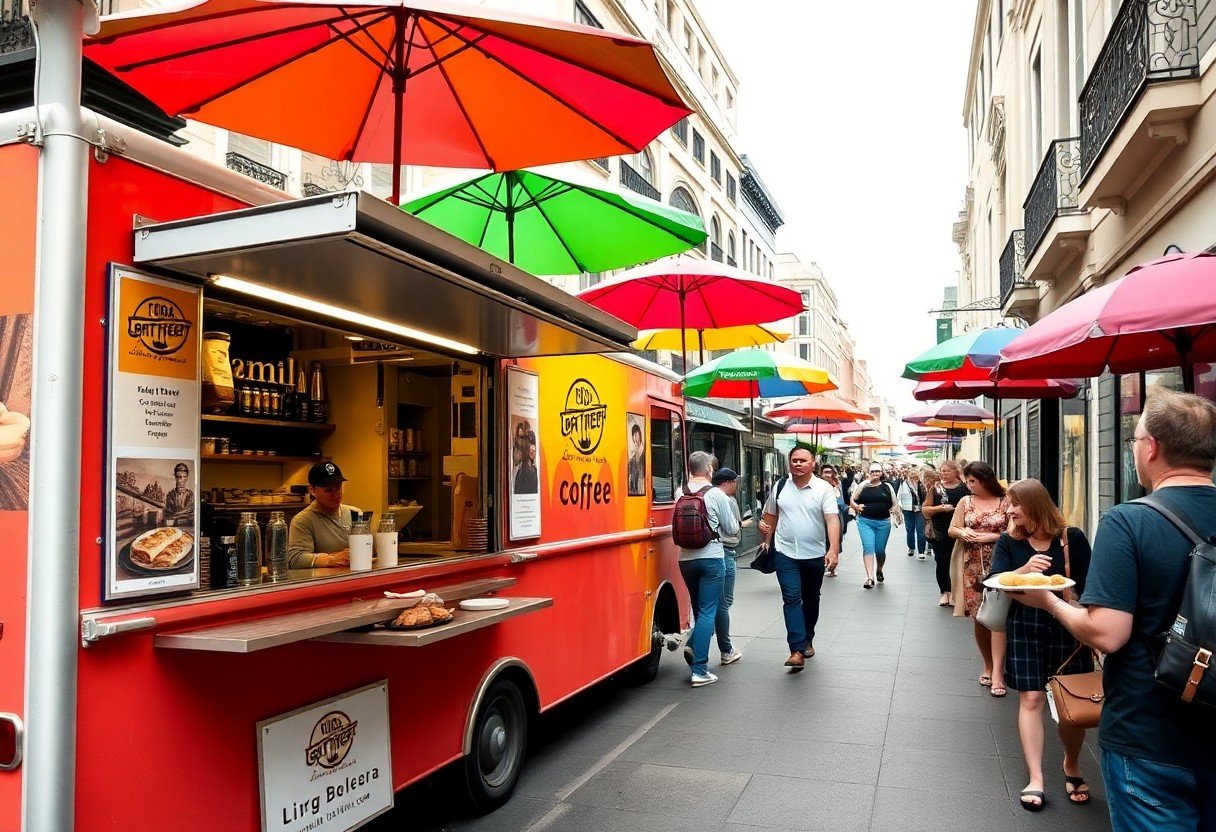
You will notice that the proliferation of mobile coffee units fosters an environment ripe for small business growth. These enterprises often operate with lower overhead costs than traditional cafes, allowing entrepreneurs to enter the market with relatively modest investments. In Adelaide, small mobile coffee businesses have sprung up at local events and markets, creating unique coffee experiences while highlighting local suppliers. This blending of small business dynamics not only enhances community ties but also diversifies the market, appealing to consumers seeking personalized and innovative services.
Your local economy benefits greatly from this entrepreneurial spirit. Increased foot traffic generated by mobile coffee vendors stimulates surrounding businesses and encourages a vibrant street culture. This synergy demonstrates how small mobile coffee operations can serve as crucial catalysts for local economic development, creating a more diverse marketplace that can withstand economic fluctuations better than homogenized chains.
Employment Opportunities
The rise of mobile coffee services also contributes significantly to job creation within your community. These businesses frequently hire local staff, offering positions that range from baristas to event coordinators, which enhances employment rates. In many cases, they provide training programs designed to develop skills in customer service, coffee brewing, and beverage preparation, which can pave the way for future employment in the broader hospitality industry.
As you explore the impact of mobile coffee businesses, consider how they not only fill the immediate gap of employment but also offer pathways for long-term career development. For instance, staff members often transition into permanent roles with established coffee brands or even start their own mobile coffee ventures, further contributing to the ecosystem of entrepreneurship and skill sharing.
Consumer Preferences in the Mobile Coffee Era
Taste and Quality Expectations
Your standards for taste and quality have evolved significantly in the mobile coffee landscape. With the influx of mobile coffee vendors, you’re not just seeking your caffeine fix; you expect a unique flavor profile and premium ingredients that often rival traditional cafes. Many mobile operators source high-quality beans and emphasize the artistry of brewing, catering to your refined palate. As a result, popular brands in Adelaide focus on single-origin coffees and specialty blends, providing an experience that transforms grab-and-go coffee into a sophisticated tasting journey.
Convenience vs. Experience
The balance between convenience and experience plays a pivotal role in your mobile coffee choices. You often value the immediacy that mobile coffee offers, fitting seamlessly into your busy lifestyle. With quick access to quality coffee, you can grab your morning brew on the way to work or during a midday break without sacrificing time. This convenience meets your needs for efficient service and accessibility, especially as the number of mobile coffee units increases in your daily route.
Social and Cultural Dimensions of Caffeinated Mobility
Community Interaction
Engaging with mobile coffee vendors allows you to experience a slice of community life that traditional cafes might not provide. These roaming baristas often set up shop in local neighborhoods, making coffee accessible not just as a drink, but as a social hub where relationships bloom. You’ll find yourself exchanging pleasantries with baristas and fellow patrons, transforming a simple coffee run into a communal experience. This interaction fosters a sense of belonging, especially in diverse urban environments where individuals from different backgrounds come together over a shared love for caffeine.
Furthermore, mobile coffee units often participate in local events, supporting festivities and community initiatives. This involvement enhances the social fabric of Adelaide, drawing people out to engage with one another in public spaces. By frequenting these mobile spots, your routines become intertwined with larger community narratives, creating a unique atmosphere where everyone feels included. For an in-depth exploration of how language and interaction shape such experiences, consider examining resources like Google Books Common Words | PDF | Experience.
Global Influences on Local Practices
Your daily coffee ritual is likely influenced by trends that transcend borders, as global coffee culture seeps into local practices. You’ll notice the emergence of international coffee styles, from Italian espressos to Swedish fika, reimagined by local vendors who blend these traditions with local tastes. This fusion showcases not just how deeply interconnected coffee culture has become, but also how mobile vendors serve as cultural ambassadors, introducing and adapting global practices into your community. With each sip, you are partaking in a global dialogue, enjoying flavors and styles that reflect an increasingly cosmopolitan landscape.
The global influence on local coffee practices isn’t just about the drinks served; it extends to brewing techniques, equipment, and even presentation styles. For instance, the popularity of specialty coffee has led many mobile vendors to invest in high-quality beans sourced from ethical suppliers worldwide. This mindful approach resonates with ethically conscious consumers, driving the demand for unique flavors and sustainable practices. As a result, you may find yourself exploring a variety of offerings that reflect not just local preferences, but also a commitment to global standards in quality and sustainability.
Environmental Considerations
Sustainability in Mobile Coffee Operations
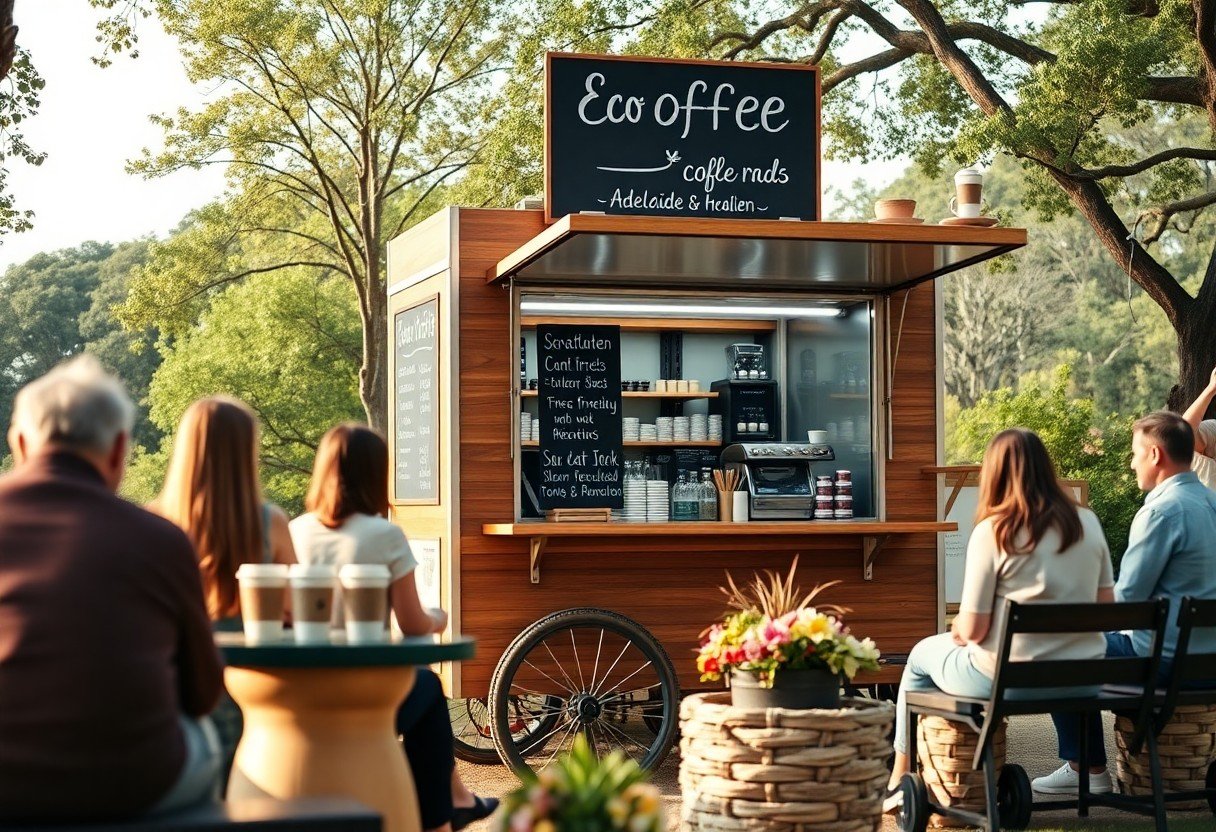
Your awareness of sustainability will play a vital role in how mobile coffee operations adapt to environmental demands. Many vendors are leaning towards eco-friendly practices, such as sourcing beans from certified organic farms and using renewable energy sources to power their equipment. For example, some coffee trucks now utilize solar panels to minimize their carbon footprint, while others have shifted to biodegradable cups and straws to combat the impact of single-use plastics. Every choice you make as a consumer can increase the demand for such practices, prompting more businesses to adopt them.
The integration of sustainability into mobile coffee culture extends beyond ingredients and equipment. You’ll find that many operators focus on creating a circular economy model: partnering with local suppliers to minimize transportation emissions and promoting direct trade relationships with farmers. This not only supports ethical sourcing but also reduces the environmental impact associated with longer supply chains.
Waste Management Challenges
Despite the positive strides in sustainability, waste management remains a pressing challenge for mobile coffee businesses. While initiatives like zero-waste events and recycling programs are on the rise, implementing these systems in a mobile context can be complex. Often, space constraints limit your ability to sort and store recyclables, leading to significant amounts of organic and plastic waste that end up in landfills.
Adopting comprehensive waste management strategies is important for the long-term viability of this burgeoning industry. You may notice that some vendors are experimenting with composting programs to divert food waste away from landfills. However, despite these efforts, the logistics of managing waste effectively on the move can lead to operational inefficiencies and increased costs, which, in turn, may affect profitability and pricing.
Future Prospects for Mobile Coffee
Technological Advancements
Emerging technologies are set to revolutionize the mobile coffee landscape. The integration of mobile payment systems and app-based ordering platforms has streamlined the customer experience, allowing for quicker transactions and enhanced convenience. You might encounter mobile units equipped with state-of-the-art espresso machines and automated brewing technologies, ensuring a consistently high-quality product that appeals to discerning coffee lovers. Furthermore, advancements in coffee bean sourcing technology, such as blockchain for transparency, will become pivotal in connecting you with ethically sourced and high-quality beans.
Robotics and artificial intelligence also promise to reshape mobile coffee operations. You could soon see units utilizing AI to predict customer preferences based on data analytics, customizing offerings to boost satisfaction. Additionally, the use of drones for delivery is on the horizon, potentially allowing you to receive your favorite brew from a mobile coffee vendor within minutes of placing your order, all while minimizing the environmental impact of traditional delivery methods.
Potential Market Expansion
The growing interest in mobile coffee extends beyond urban centers, with suburban and rural markets beginning to embrace this trend. You may notice that events such as farmers’ markets, outdoor festivals, and corporate functions are increasingly featuring mobile coffee vendors, indicating a shift in consumer expectations for availability and quality in various environments.
Moreover, specialty coffees are entering mainstream consciousness, generating demand in diverse demographic groups. This opens opportunities for niche mobile coffee businesses that cater to health-conscious consumers, offering organic, vegan, or low-calorie options that align with your lifestyle choices. The proliferation of food trucks further enables mobile coffee vendors to reach a wider audience, blending the café experience seamlessly with the convenience of grab-and-go service.
Conclusion
Upon reflecting on Adelaide’s mobile coffee movement, you can appreciate how it has redefined not only your coffee experience but also your relationship with caffeine culture. This shift towards mobile coffee vendors presents an opportunity for you to engage with unique, local flavors and fosters a sense of community as you interact with baristas who share their passion directly. Adelaide’s streets have become a canvas for innovation and expression in the coffee realm, inviting you to be part of this evolving narrative.
As you embrace this new era of caffeinated cosmopolitanism, it’s important to recognize the potential impact on your daily routines and social interactions. The convenience of mobile coffee services aligns with the fast-paced lifestyle many lead today, enhancing your accessibility to quality brews without the constraints of traditional café settings. Ultimately, this mobile phenomenon not only satisfies your caffeine cravings but also contributes to a vibrant culture that celebrates diversity and creativity in every cup served.