
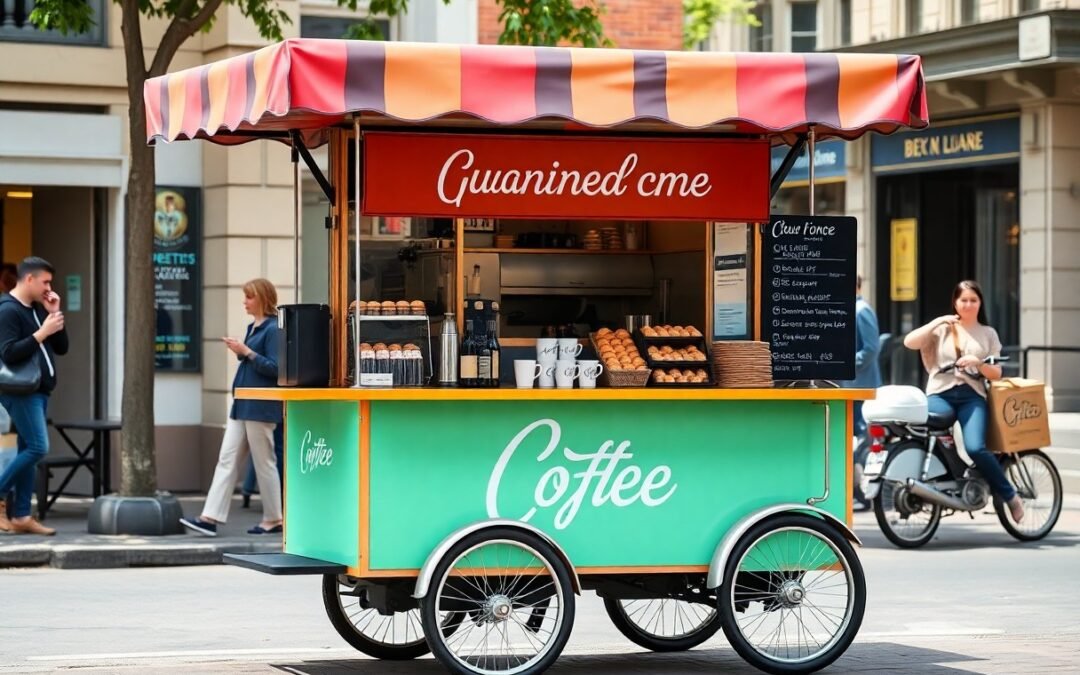
Over the past few years, the mobile coffee business has gained immense popularity in Adelaide, offering you an opportunity to tap into a growing market. This guide will walk you through the necessary steps to establish your own thriving mobile coffee venture, from selecting the right equipment to navigating local regulations and building a loyal customer base. With the right approach, you can turn your passion for coffee into a successful business that serves the vibrant community of Adelaide.
Understanding the Mobile Coffee Business
Success in the mobile coffee business hinges on several crucial factors that you must master. First, consistency in the quality of your coffee and service can set you apart from competitors, making it imperative to source high-quality beans and train your team effectively. Additionally, location plays a significant role – understanding foot traffic patterns and popular events can enhance visibility and sales. Your branding and marketing strategy should also resonate with your target audience, as creating a strong brand image can foster customer loyalty and recognition.
Key Factors for Success
Another critical aspect is the flexibility of your business model. Being able to pivot based on consumer preferences or unexpected circumstances can be advantageous. For instance, offering seasonal drinks or catering to local events can open new revenue streams. Establishing partnerships with local suppliers not only supports the community but can also lead to better pricing and unique product offerings.
- Quality coffee and service
- Strategic location selection
- Effective branding and marketing
- Flexibility in business operations
- Strong community partnerships
Any successful mobile coffee business thrives on a combination of these factors tailored to your unique vision and local market.
Market Research and Target Audience
Conducting thorough market research is a pivotal step in establishing your mobile coffee business. Understanding the demographics of your potential customers will guide your product offerings and marketing strategies. Collect data on local habits, preferences, and competitor analysis to refine your approach effectively. Tools like surveys, social media insights, and community engagement can provide valuable information about what your target audience desires.
Your target audience could include busy professionals looking for a quick caffeine fix, parents at local parks, or event-goers at festivals. Each group has specific needs and preferences, and adjusting your product range or service speed can significantly impact your sales. Consider also seasonal trends – for example, increasing cold brew offerings during summer months or introducing cozy seasonal beverages in winter. Tailoring your business to these insights will enhance customer satisfaction and drive repeat business.

Crafting a Business Plan
Setting Objectives and Goals
Your mobile coffee business needs clear objectives and goals to navigate the competitive landscape effectively. Begin by defining your vision, such as becoming the go-to coffee source for local events or targeting specific customer demographics like university students or office workers. Establish both short-term goals, like launching your service within six months, and long-term objectives, such as expanding to multiple locations within three years. Ensure these goals are measurable; for instance, aim to sell 500 cups per week within your first year.
Budgeting and Financial Projections
Creating a realistic budget is crucial for your mobile coffee business’s sustainability. Factor in all expenses, including equipment costs, ingredient procurement, permits, insurance, and marketing. Start by estimating your startup costs, which can range from $5,000 to $20,000 depending on equipment and branding choices. Then, project monthly operating expenses, aiming for a detailed analysis of fixed and variable costs.
When projecting future revenues, consider your pricing strategy and sales volumes. For instance, if you price your coffee at $4 and aim to sell 100 cups daily, that totals $12,000 monthly, excluding other revenue streams like baked goods. Utilizing tools like spreadsheets or budgeting software can help you visualize cash flow and identify potential financial pitfalls, ensuring your business remains on solid ground.
Successful budgeting also involves preparing for fluctuations in income. It’s wise to set aside a cushion for unexpected expenses or slower sales periods, especially in the initial months. Regularly revisiting your financial plan will allow you to stay agile and make informed decisions to adapt to changing market conditions in Adelaide’s vibrant coffee scene.
Legal Requirements
Permits and Licenses
Before you hit the streets with your mobile coffee business, securing the necessary permits and licenses is crucial. In South Australia, you will typically need a food business registration from your local council. This involves submitting an application that outlines your business operations, including your mobile setup and menu. Pricing for these registrations can vary, but expect fees around $250 to $500, depending on your council’s requirements. Additionally, you must acquire a trading permit, especially if you plan to operate at public events or on private property.
For those considering a unique selling point, like a themed coffee truck or special events catering, you may need additional licenses, such as a liquor license if you offer coffee cocktails. This not only broadens your market appeal but also ensures compliance with local laws. Always check with your local government for specifics and consult industry professionals to avoid any pitfalls in the process.
Health and Safety Regulations
Health and safety regulations play a significant role in operating a mobile coffee business. Your vehicle and setup must adhere to standards set by Food Standards Australia New Zealand (FSANZ), ensuring food and beverage safety. Regular food safety inspections will be a part of your operations. You’ll need to demonstrate safe food handling practices, with staff trained in food safety, often requiring a Food Safety Supervisor Certificate. Maintaining proper hygiene standards protects both your customers and your brand’s reputation.
Moreover, ensure your equipment meets health requirements, including compliant sinks for handwashing and food preparation. If you’re using gas or other utilities, you may also need specific permits or inspections to verify their safe usage in a mobile setting. Storing your products and ingredients at the proper temperatures is mandatory, and having a clear plan for dealing with any potential food safety issues is key to long-term success.
Familiarize yourself with the local regulations applicable to your specific area, as health and safety requirements can vary significantly across councils. Engaging with a local health inspector early in the process can provide insights specific to your mobile coffee setup and potentially simplify compliance throughout your operational journey.
Choosing the Right Equipment
Essential Tools and Supplies
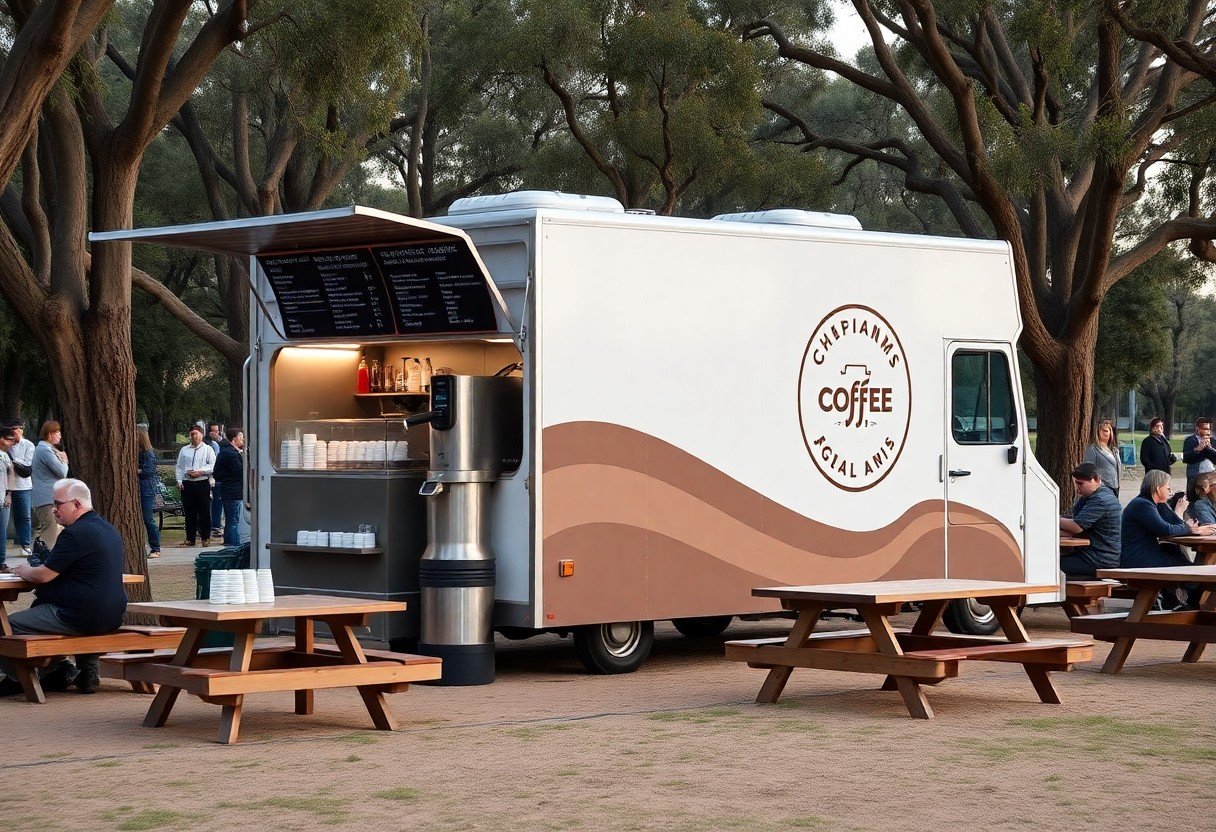
Your mobile coffee business will require a range of necessary tools to provide quality service. First and foremost, a reliable espresso machine is at the heart of your operation. Look for machines that are portable with the capability to handle high-demand situations. Brands like La Marzocco or Breville offer models that balance quality and portability. Additionally, invest in a high-quality grinder, as the freshness of your coffee depends significantly on the grind. Don’t overlook other necessarys such as a water filtration system, tampers, milk frothers, and an assortment of serving utensils to enhance the customer experience.
Equipment Options and Costs
Building Your Brand
Branding goes beyond your logo; it encapsulates the feelings and values customers associate with your mobile coffee business. Start by defining what makes your service unique. Consider your target market and what they look for in a coffee experience. Craft a compelling story around your business that resonates with your customers. Utilize platforms like How to start a coffee van business? to engage with potential customers and share your brand narrative.
Creating a Unique Selling Proposition
Your Unique Selling Proposition (USP) should clearly articulate why customers should choose your mobile coffee service over competitors. Focus on aspects such as premium coffee sourcing, environmentally friendly practices, or exceptional customer service. For instance, if you emphasize locally sourced beans, create partnerships with local roasters to enhance credibility. This not only differentiates you in the market but also builds community trust.
Marketing Strategies and Promotion
Effective marketing requires a mix of online and offline strategies. Set up social media accounts to showcase your offerings, share customer testimonials, and update followers on your location. Collaborate with local businesses for cross-promotions, or participate in community events to enhance visibility. Regularly updating your followers with engaging content fosters loyalty and encourages word-of-mouth referrals, which are invaluable in the coffee business.
Consider offering loyalty programs or discounts for repeat customers, as these strategies can increase customer retention. Email marketing can also play a significant role in keeping your audience informed about special events or new menu items. These targeted communications nurture relationships with clients who value consistent updates and engagement, paving the way for repeat business and a thriving venture.
Daily Operations
To ensure your Adelaide mobile coffee business runs smoothly, daily operations must be organized and efficient. Start each day with a checklist that includes setting up your equipment, preparing your space, and ensuring you have enough supplies. Monitoring stock levels of coffee beans, milk, and cup supplies daily will prevent interruptions in serving your customers. For more detailed insights on streamlining your processes, check out A step-by-step guide to creating a successful coffee truck ….
Staffing and Training
Your staff plays a significant role in the success of your mobile coffee business. Hiring individuals who not only have barista experience but also share your passion for coffee can enhance the overall customer experience. Provide comprehensive training that covers your coffee preparation methods, menu items, and equipment usage to ensure consistency and quality in every cup served. Regular workshops or refresher courses can keep skills sharp and introduce new techniques.
Additionally, investing in customer service training is equally important. Team members should know how to engage with customers positively and handle complaints professionally. This contributes significantly to building your brand reputation as a friendly and approachable mobile coffee service.
Customer Service Essentials
Exceptional customer service is a cornerstone for developing loyalty among your clientele. Greet every customer with a smile and a friendly demeanor, and take the time to engage in conversation when the opportunity arises. Personalization can elevate their experience, whether by remembering their usual orders or suggesting new menu items based on their preferences. A prompt, attentive response to customer inquiries or issues reflects your commitment to quality service.
Moreover, you should implement a feedback system that encourages customers to share their experiences. Analyzing this feedback allows you to adapt your services to better meet customer expectations. Regularly adapting your menu based on seasonal offerings and customer preferences not only keeps things fresh but also shows customers you value their input and are eager to improve.
Summing up
The journey of launching a thriving mobile coffee business in Adelaide begins with understanding your target market and location. Analyze potential hotspots and assess the demand for coffee in those areas. By creating a solid business plan that outlines your unique offerings and competitive advantages, you set a strong foundation for your venture. Invest time in sourcing high-quality ingredients and equipment, as these will significantly influence your product’s appeal and customer satisfaction.
Your marketing strategy will play a pivotal role in attracting and retaining customers. Utilize social media platforms, local events, and partnerships with local businesses to increase your visibility and foster community connections. Satisfying your customers with exceptional service and a consistent product will encourage repeat business and referrals. By staying adaptable and responsive to market trends and customer feedback, you will ensure the lasting success of your mobile coffee business.