
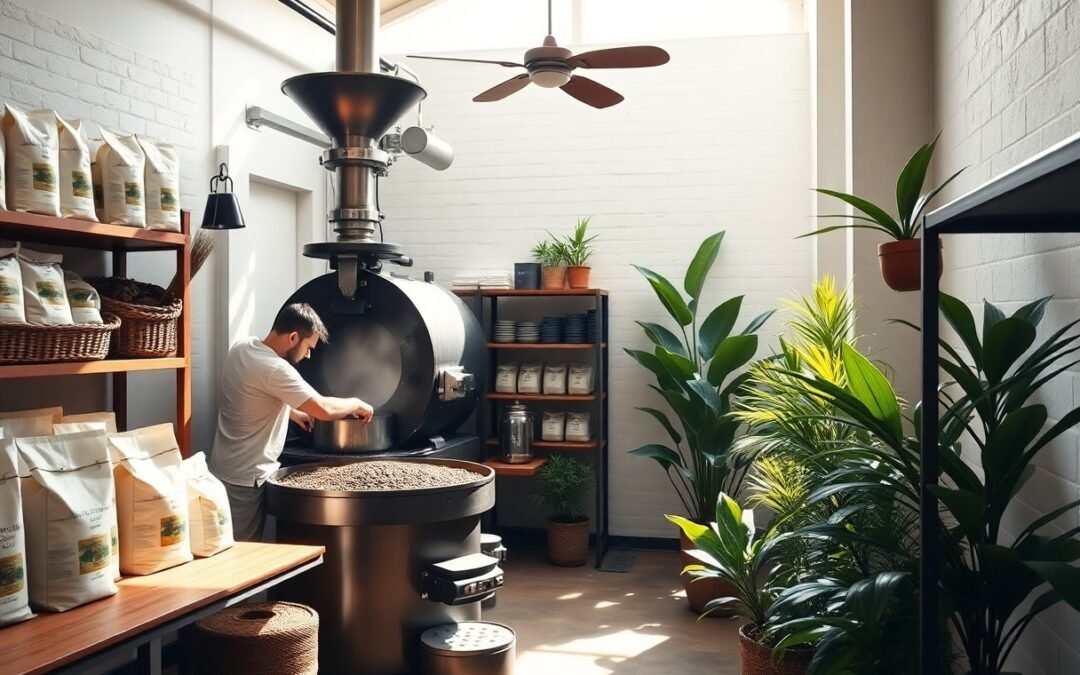
Sustainability is at the heart of Australian coffee roasteries, where you can find a commitment to ethical sourcing practices that prioritize both the environment and the well-being of farmers. By choosing ethically sourced coffee, you not only enjoy a superior product but also contribute to a more equitable global coffee market. Learn more about what is ethical and sustainable coffee? and how it shapes your daily brew.
Ethical Sourcing as a Core Philosophy
Defining Ethical Sourcing in Coffee Production
Ethical sourcing in coffee production goes beyond mere compliance with regulations; it embodies a commitment to fairness, sustainability, and respect for the communities that contribute to your morning brew. This philosophy ensures that growers receive fair compensation, fostering economic stability in coffee-producing regions. By prioritizing relationships with farmers and establishing direct trade connections, you support local economies while achieving quality in your coffee selection.
Ethical sourcing also addresses environmental considerations, including sustainable farming practices and biodiversity conservation. By opting for coffee roasteries that engage in responsible sourcing, you contribute to global efforts aimed at reducing deforestation and promoting eco-friendly farming methods. This holistic approach ensures that every cup not only tastes good but also does good.
The Role of Fair Trade Certification
Fair Trade certification serves as a pivotal framework in ethical sourcing, guaranteeing that coffee is produced under specific social, economic, and environmental standards. You can look for Fair Trade labels as a mark of assurance that farmers receive a minimum price for their crops, alongside a premium that is reinvested into their communities. This model empowers growers, providing them with support for education, healthcare, and sustainable farming practices.
A significant aspect of Fair Trade is its transparency, enabling you to trace the journey of your coffee from farm to cup. This traceability not only strengthens consumer trust but also holds companies accountable for their sourcing practices. As a result, you actively participate in a system that cultivates equality and environmental responsibility within the coffee industry.
Fair Trade certification also promotes gender equality by supporting women coffee growers through training and access to resources. When you choose Fair Trade coffee, you champion a system that uplifts marginalized voices and fosters development opportunities in rural areas. Each purchase plays a role in driving systemic change, ensuring your coffee habit contributes positively to the lives of farmers and their families.
Pioneering Initiatives from Australian Roasteries
Harnessing Direct Trade Relationships
Many Australian coffee roasteries are forging direct trade relationships with coffee farmers, which allows you to feel confident that your coffee has been ethically sourced. By working directly with producers, these roasteries can ensure fair prices for quality beans. This model eliminates the middlemen, enabling you to enjoy high-quality coffee while also empowering farmers with better income and resources for sustainable farming practices. For instance, roasters like Seven Seeds engage intimately with growers through regular visits to farms, fostering transparent relationships and offering invaluable support through training programs.
Your experience of sipping a well-crafted cup of Australian coffee can be enhanced by knowing that the beans you enjoy were cultivated in a sustainable manner. Melbournian roastery, Market Lane Coffee, adopts a similar philosophy by participating in collaborative projects with farmers to improve agricultural techniques. These efforts not only enhance the quality of the beans you brew at home but also contribute to the overall wellbeing of coffee-growing communities.
Innovative Sourcing Models Adopted by Top Roasteries
Top Australian roasteries are redefining how coffee is sourced through innovative models that prioritize traceability and sustainability. For example, some roasters implement a ‘crop-to-cup’ approach, allowing you to trace the origin of your coffee all the way back to the specific farm. This level of transparency builds trust and gives you insights into the environmental and social impacts of your coffee consumption. Often coupled with educational events and tastings, these models also foster a deeper connection between you and the source of your coffee.
An exciting trend among leading roasteries is the integration of technology to support ethical sourcing. Applications and blockchain technology are becoming tools that allow for real-time tracking and information sharing about the supply chain. By adopting these solutions, coffee roasters can guarantee that their sourcing practices remain sustainable and beneficial for farmers. As a consumer, this means you can enjoy your coffee with a clear conscience, knowing you’ve chosen a product that aligns with your values.
Further, some roasteries have embraced community-focused models, such as profit-sharing with farmers or establishing cooperative structures. By doing so, they’re not only improving the livelihoods of coffee producers but also fostering local resilience. This innovation creates a sense of community that you can feel connected to with every sip, enhancing your coffee experience while advocating for sustainability in the industry.
Environmental Stewardship: Beyond the Cup
Sustainable Practices in Coffee Cultivation
Many roasteries actively engage with farmers to promote sustainable practices in coffee cultivation, emphasizing agroforestry, organic farming, and biodiversity. This approach not only increases soil health but also enhances the flavor profiles of the coffee beans. You might find roasteries supporting initiatives that provide financial incentives for farmers to maintain shade-grown coffee, which fosters a rich ecosystem and preserves the local wildlife. By reducing the use of harmful pesticides and synthetic fertilizers, these methods ensure that the land remains viable for future generations.
Roasters often invest in training programs that educate farmers on sustainable techniques. These programs can lead to increased yields and improved bean quality, allowing farmers to command better prices on the market. When you choose a coffee from one of these roasteries, you directly contribute to a cycle that favors environmental health and economic empowerment for coffee-growing communities.
Reducing the Carbon Footprint in the Roasting Process
The roasting process is critical in determining a coffee’s environmental impact. Innovative Australian roasteries are adopting energy-efficient roasting machines and exploring renewable energy options to minimize their carbon footprints. For instance, some facilities use biomass or solar energy to power their operations, significantly reducing reliance on fossil fuels. Implementing these technologies can cut greenhouse gas emissions, turning the roasting phase into a more sustainable practice.
Additionally, many roasteries are rethinking their logistics. By prioritizing local sourcing and minimizing transportation distances, they’re reducing emissions linked to moving coffee from farm to cup. You can feel good knowing that your choice of coffee not only supports ethical sourcing but also plays a part in wider environmental stewardship efforts, directly contributing to a less carbon-intensive coffee industry.
Social Responsibility: Empowering Coffee Communities
Building Educational Opportunities for Farmers
You can see the impact of educational programs in coffee-producing regions where roasteries take initiatives to enhance farmers’ skills and knowledge. Partnering with local organizations, these roasteries provide training on sustainable farming practices, financial literacy, and market access. Educated farmers are better equipped to make informed decisions about their crops, leading to improved yields and better quality beans. For example, a recent program in Colombia allowed over 200 farmers to increase their coffee quality, directly enhancing their income and livelihoods.
Your involvement in supporting these educational efforts not only helps farmers but enriches the entire coffee supply chain. By investing in courses that teach everything from organic farming techniques to post-harvest processing, roasteries empower farmers to optimize their operations. This ongoing commitment has led to measurable increases in coffee quality, thus benefiting roasteries and ensuring consumers receive exceptional products while fostering resilient farming communities.
Promoting Gender Equality in Coffee Production
Your support of coffee roasteries that prioritize gender equality plays a vital role in transforming the industry. Initiatives aimed at empowering female farmers are gaining momentum, as research shows that women tend to invest more of their income back into their communities. Collaborative programs focus on providing women with access to resources, training, and financial support. For instance, a cooperative in Guatemala reports a 30% increase in female participation in coffee production, leading to improved family incomes and the betterment of local standards of living.
Integrating gender equality initiatives not only enhances the role of women within the agricultural sector but also strengthens the overall coffee community. You can witness this change as female farmers gain leadership roles within cooperatives, influencing decisions and fostering collaboration among all members. The ripple effect extends to the entire community as more families benefit from the increased incomes and shared knowledge. The goal is to create an inclusive coffee industry where everyone thrives, and your support of these initiatives is crucial in shaping that future.
Consumer Awareness: The Role of Coffee Drinkers in Sustainability
How Buying Choices Impact Ethical Practices
Your purchasing decisions can significantly influence ethical practices in the coffee industry. When you choose to buy from roasteries committed to fair trade and sustainable sourcing, you support farmers who prioritize environmental stewardship and social responsibility. Many brands openly share their sourcing policies, giving you the information to make informed choices that align with your values. By selecting certified organic or fair trade options, you often promote practices that ensure better wages and working conditions, directly benefiting the communities that grow your coffee.
The Rise of Eco-Conscious Coffee Consumers
A notable shift is occurring among coffee drinkers as more individuals become aware of the environmental impact of their choices. Studies show that 66% of global consumers are willing to pay more for sustainable brands. This growing interest in eco-conscious consumption is reshaping the market, prompting roasteries to align their offerings with ethical values. Everyday coffee drinkers are now actively seeking out brands that practice sustainability, supporting initiatives that minimize waste and promote renewable resources.
The rise of eco-conscious coffee consumers not only reflects changing perceptions toward sustainability but also indicates a shift in consumer expectations regarding corporate responsibility. You are increasingly defining success not just by taste but by how brands contribute to social and environmental challenges. This evolving landscape suggests that companies and roasteries will need to prioritize ethical practices to attract and retain your loyalty as a customer, reinforcing the idea that consumer awareness can lead to meaningful change.
Final Words
Drawing together the various initiatives and practices adopted by Australian coffee roasteries, you can see how they embody a commitment to ethical sourcing and environmental sustainability. By prioritizing relationships with transparent supply chains and investing in direct trade with farmers, you are supporting a system that values the quality of coffee and the well-being of its producers. This approach not only enhances your coffee experience but also ensures that the communities involved in its production are fairly compensated and empowered.
As you enjoy your next cup of coffee, consider the impact of your choices on global sustainability and ethical practices. Engaging with brands that demonstrate responsibility and integrity allows you to contribute to a positive change in the coffee industry. By nurturing these connections, you play a part in fostering a more sustainable future, reinforcing your role as a conscious consumer in this dynamic market.
FAQ
Q: What does ethical sourcing mean in the context of coffee?
A: Ethical sourcing refers to the practice of obtaining coffee beans in a manner that ensures fair treatment of farmers, environmentally sustainable farming practices, and transparency throughout the supply chain.
Q: How do Australian coffee roasteries support farmers?
A: Many Australian coffee roasteries implement direct trade practices, which allow them to pay farmers higher prices for their beans. They often establish long-term relationships with growers to ensure fair wages and better living conditions.
Q: What role does certification play in ethical coffee sourcing?
A: Certifications such as Fair Trade, Rainforest Alliance, and Organic indicate that coffee roasters adhere to specific standards regarding labor rights, environmental protection, and sustainable farming methods, providing consumers with assurance of ethical practices.
Q: How can customers ensure they are purchasing ethically sourced coffee?
A: Customers can look for transparency in sourcing information from roasteries, check for certifications, and choose brands that openly share their sourcing practices and partnerships with coffee growers.
Q: What impact does supporting ethical coffee sourcing have on local communities?
A: Supporting ethical coffee sourcing helps improve the quality of life for coffee farmers and their communities by providing fair wages, access to education, healthcare, and sustainable agricultural practices that promote environmental health.