
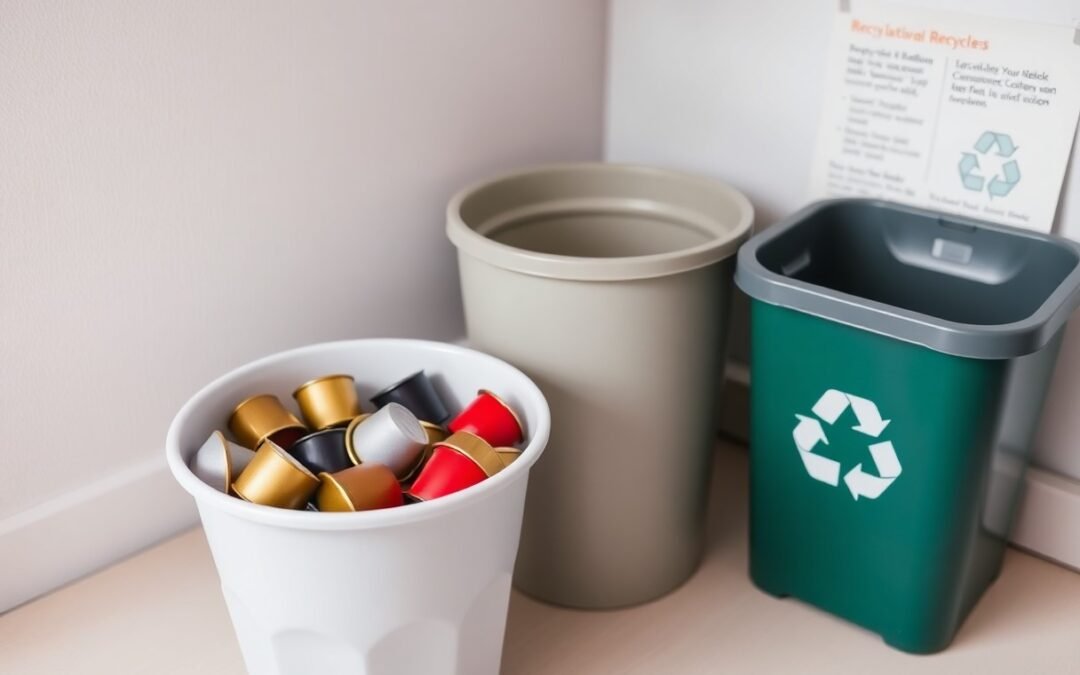
Most coffee drinkers enjoy the convenience of coffee capsules, but few consider their environmental impact. You can make a difference by learning how to recycle and properly dispose of these capsules. This guide will provide you with practical steps to ensure that your coffee consumption is sustainable, helping you contribute to a greener planet while enjoying your favorite brew.
The Environmental Impact of Coffee Capsules
The Lifecycle of a Coffee Capsule
From production to disposal, the lifecycle of a coffee capsule involves several steps that significantly impact the environment. Initially, the raw materials, including aluminum and plastic, require extensive mining and processing, contributing to resource depletion and energy consumption. In fact, producing a single aluminum capsule can generate over 35 grams of CO2 emissions. Once filled with coffee, these capsules are packaged for distribution, adding additional layers of packaging waste. You may not realize it, but the entire journey—from factory to your kitchen—creates a substantial carbon footprint, setting the stage for the environmental consequences that follow.
After you use the capsule, its end-of-life handling is where the pollution burden becomes most apparent. If not disposed of correctly, many capsules end up in landfills, where they take hundreds of years to decompose. Even biodegradable or compostable options require specific conditions to break down effectively, which aren’t always met in typical composting systems. Considering that hundreds of millions of these capsules are consumed globally each year, the cumulative environmental impact is staggering, often overshadowing the convenience they provide.
Carbon Footprint Analysis
Evaluating the carbon footprint of coffee capsules reveals a complex relationship between convenience and sustainability. Studies indicate that coffee capsules can generate nearly 40% more emissions than traditional brewing methods when considering only the emissions from production and waste. This footprint can vary dramatically depending on the materials used and the disposal method; for example, recycling aluminum is significantly less taxing than sending plastic capsules to landfills. The choice of coffee itself also influences emissions; sustainably sourced coffee can offset some impact, although it does not fully mitigate the environmental concerns surrounding the capsules themselves.
Recent analyses show that a typical coffee drinker using capsules could emit about 350 kilograms of CO2 annually. This figure becomes even more alarming when you consider the growing trend of capsule consumption. Transitioning to recyclable or compostable capsules can reduce these figures, but consumers must actively participate in the proper recycling systems for any meaningful change to occur. Furthermore, institutions are increasingly recognizing the need for standardized recycling initiatives to help mitigate these impacts and encourage responsible consumption.
Recycling Options You Didn’t Know Existed
Municipal Recycling Programs
Many municipalities have started to include coffee capsules in their recycling programs, recognizing the increasing demand for sustainable disposal options. Check your local recycling guidelines, as some areas have designated drop-off points specifically for coffee capsules, allowing you to recycle both the aluminum and plastic used in their production. Participating in these programs can significantly reduce landfill waste while contributing to a circular economy.
If your city doesn’t have a program in place yet, advocating for one can make a difference. Reach out to local officials or community groups to express your interest in recycling options. Community awareness can push municipalities to develop better waste management strategies, potentially leading to more accessibility for residents.
Brand-Specific Recycling Initiatives
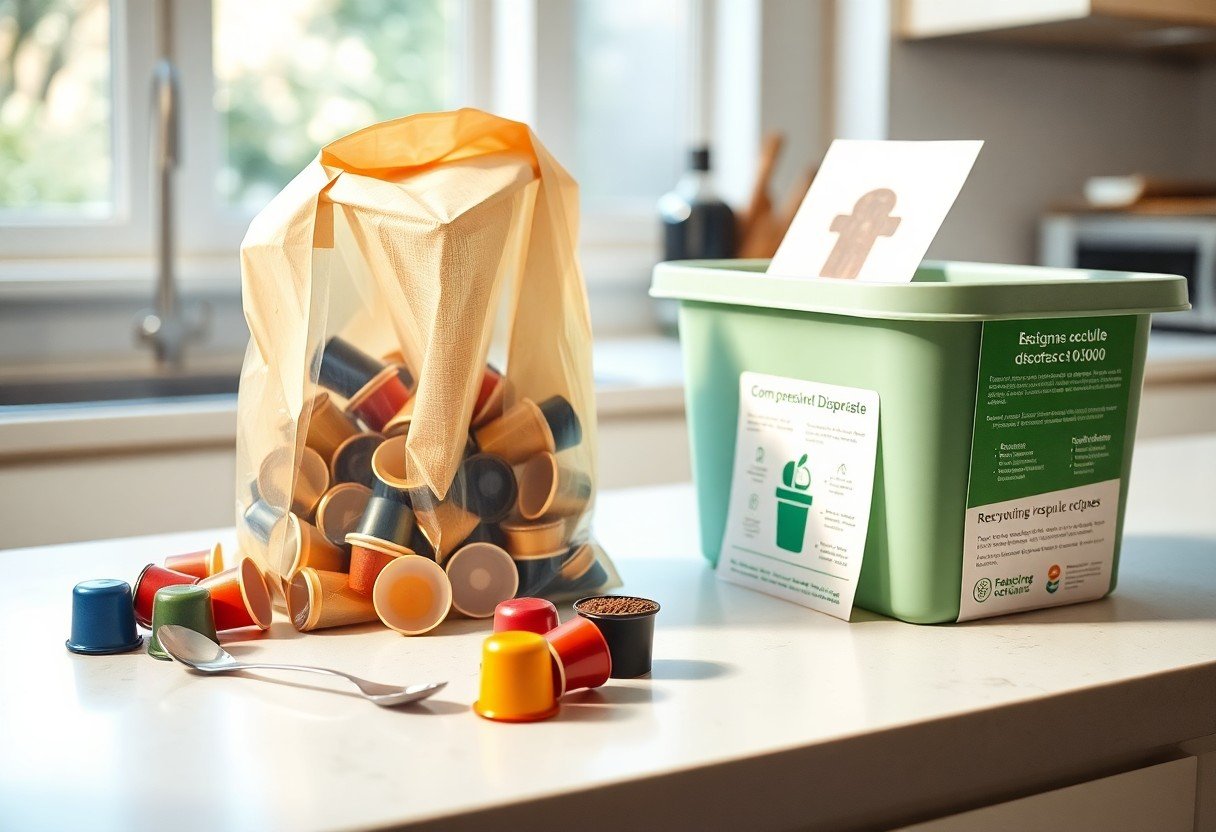
Several coffee capsule brands have launched their own recycling initiatives to simplify the process for consumers. For example, Nespresso offers a national recycling program where you can return used capsules at designated collection points or through pre-paid recycling bags that they provide. This initiative not only encourages more responsible disposal but also ensures that the materials are processed correctly.
Keurig similarly supports the recycling of K-Cup pods through their partnership with recycling companies, allowing customers to mail back their used pods for proper recycling. By utilizing these brand-specific programs, you help ensure that your coffee habits align better with environmental sustainability.
Creative Upcycling Ideas
Transforming used coffee capsules into creative projects is an excellent way to contribute to sustainability while tapping into your artistic side. The aluminum and plastic materials can be repurposed into a variety of new uses. For instance, you can create herb planters, decorative ornaments, or even unique jewelry. These upcycled items not only reduce waste but also allow you to showcase your creativity and ingenuity.
Using coffee capsules for DIY projects can also become a fun activity to share with friends or family. Perhaps host an upcycling party where everyone brings their used capsules and brainstorms new, innovative uses. This approach not only strengthens community ties but also spreads awareness on the importance of sustainable practices.
The Dangers of Improper Disposal
Pollution and Wildlife Risks
Improper disposal of coffee capsules poses significant pollution risks, particularly to your local environment. When these materials end up in landfills, the aluminum and plastic components can take hundreds of years to decompose, leaching harmful substances into the soil and waterways. Research indicates that nearly 60 billion coffee capsules are consumed annually worldwide, leading to immense quantities of potential waste contaminating ecosystems. Mismanaged waste not only contributes to soil degradation but can also release greenhouse gases such as methane as organic matter decomposes anaerobically.
The impact on wildlife is equally concerning. Animals can mistake the remnants of coffee capsules for food, leading to ingestion that can result in injury or death. Marine life, especially in coastal regions, is at risk when waste makes its way into oceans, where coffee capsules can exacerbate the growing problem of microplastics. The consequences ripple through food chains, affecting species diversity and ecological balance in your area.
Legal Implications of Waste Management Violations
Failing to dispose of coffee capsules responsibly can lead to legal consequences that you might not initially consider. Various municipalities enforce strict waste management regulations to protect public health and the environment. Noncompliance can result in fines, penalties, or even criminal charges, depending on the severity of the violation. For instance, improper disposal may breach local environmental protection laws, requiring you to navigate complex legal ramifications that can be time-consuming and costly.
As a responsible consumer, you could find yourself facing legal action if waste management violations are linked to your actions. Some jurisdictions have adopted “zero waste” policies, aiming to elevate ecological standards and accountability among residents. Staying informed about local recycling and disposal laws is necessary to avoid inadvertently contributing to harmful environmental practices that could compromise legal standing and community efforts toward sustainability.
Step-by-Step Guide to Responsible Disposal
Step | Action
— | —
1 | Check local recycling guidelines for coffee capsules.
2 | Rinse the capsules to remove coffee residue.
3 | Separate soft plastic elements and aluminum components.
4 | Place rinsed capsules in your designated recycling bin.
5 | Explore mail-back recycling programs if local options are unavailable.
Preparing Your Capsules for Recycling
Start by removing any non-recyclable materials from your coffee capsules. This includes plastic seals or filters that may not be recyclable. Rinse each capsule thoroughly to eliminate any remaining coffee grounds, as contamination can render recyclable materials unusable. Use a small amount of water or a brush for stubborn residues.
After rinsing, decide whether your capsules are made of aluminum or plastic, as this determines the recycling route. Some brands offer specific guidance on how to dispose of their capsules, so check packaging for further instructions. A clean capsule significantly increases the chances of it being successfully recycled.
What to Do If Recycling Isn’t Available
In cases where local recycling facilities do not accept coffee capsules, consider alternative disposal methods. Composting is a viable option if your capsules are made from organic materials. If composting isn’t feasible, store used capsules in a designated container until a recycling program becomes available. Avoid throwing them in the regular trash, as this contributes to landfill waste.
Research potential mail-in recycling programs that specialize in coffee pod recycling. Many brands now offer prepaid shipping options for customers. By participating in these programs, you can ensure that your used capsules are handled responsibly, reducing environmental impact and promoting sustainability.
Effective Waste Separation Techniques
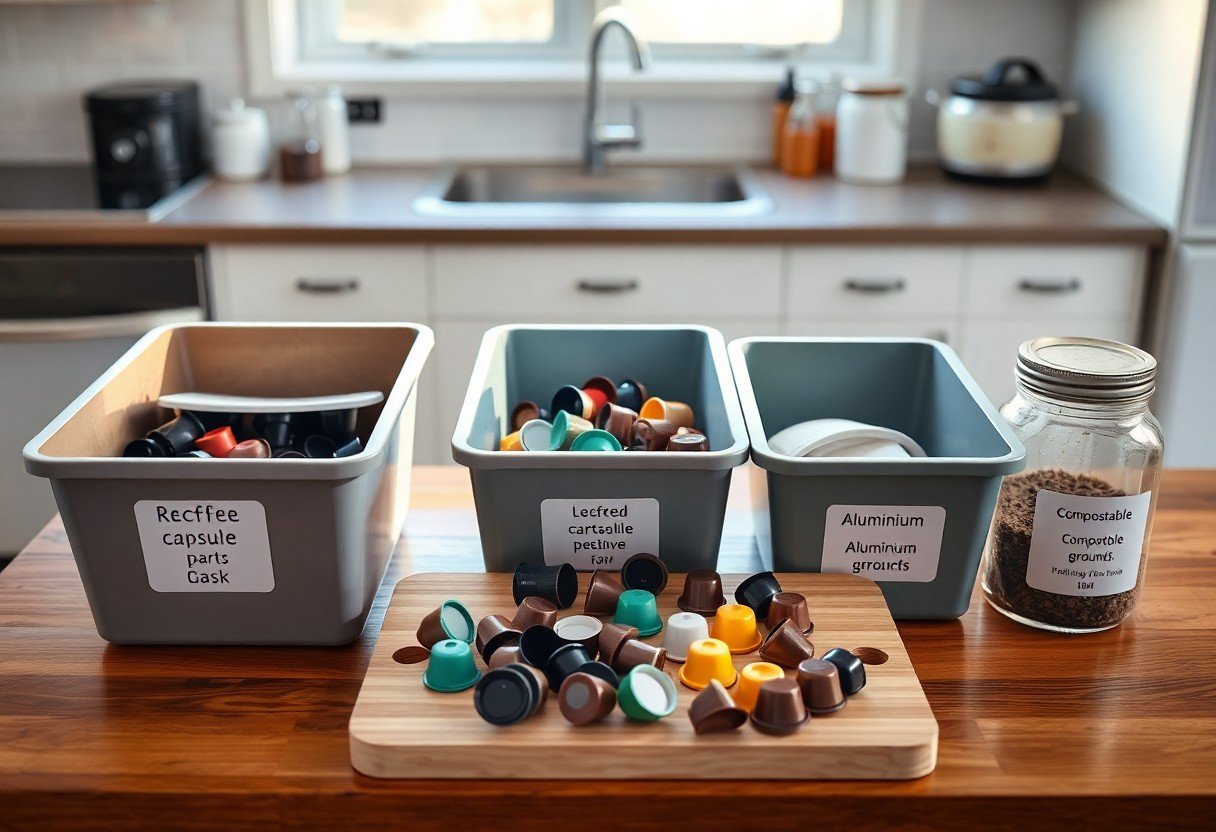
Implementing waste separation techniques in your kitchen can streamline the recycling process. Start by designating separate bins for recyclables, compost, and general waste. Clearly label each container to avoid confusion, helping both you and your household members make responsible choices when disposing of coffee capsules.
Utilize visually distinct containers and create a schedule for emptying each bin to maintain efficiency. Regularly check recycling guidelines as they can change, ensuring your practices remain compliant. Personalize your waste separation process to fit your lifestyle while promoting an environmentally friendly household.
Effective waste separation not only simplifies recycling but also instills sustainable practices within your home. For example, integrating color-coded bins can encourage family members to actively participate in responsible waste disposal, fostering a sense of collective responsibility towards the environment.

Advocating for Sustainable Practices
Consumer Awareness and Education
Your understanding of the environmental consequences of coffee capsule consumption is crucial for driving change. Many consumers are unaware of the significant waste generated by single-use capsules, with an estimated 29,000 tons of aluminum and plastic waste produced annually in Europe alone. By educating yourself and others about the recycling options and alternatives available, you contribute to reducing the overall demand for conventional capsules and promote more sustainable choices, such as reusable options or brands focused on eco-friendly materials.
Influencing Brands to Innovate
Your purchasing power can significantly impact how brands approach sustainability. As consumers increasingly demand eco-friendly products, companies are motivated to innovate and provide more sustainable options. By choosing brands that prioritize recyclable or compostable materials, you’re not only reducing waste but also signaling to other companies that sustainability matters to you.
Taking it a step further, you can voice your preferences directly to brands through surveys, social media, or customer feedback platforms. Many companies track consumer feedback, and your requests for more sustainable options can lead to real changes in product offerings. For instance, brands like Nespresso have expanded their recycling programs based on consumer interest, demonstrating how you can influence innovation within the market.
Final Words
Drawing together the knowledge on recycling and disposing of coffee capsules responsibly, you should always check the specific guidelines provided by the manufacturer. Many brands now offer recycling programs or return options for used capsules, allowing you to reduce waste effectively. Carefully separate the components of your capsules—such as coffee grounds, plastic, or aluminum—and dispose of them in the appropriate recycling bins. By doing this, you actively participate in reducing landfill waste while ensuring that reusable materials are processed correctly.
Additionally, consider alternative coffee brewing methods that produce less waste, such as using a French press or reusable coffee filters. Embracing these practices not only benefits the environment but also enhances your coffee experience. By prioritizing responsible disposal and exploring innovative solutions, you can contribute to a more sustainable future, ensuring that your love for coffee does not come at the expense of the planet.
FAQ
Q: Can coffee capsules be recycled?
A: Yes, many coffee capsules can be recycled, but it depends on the material and local recycling programs. Aluminum capsules can typically be recycled if clean, while plastic ones may require specific disposal methods.
Q: How should I prepare coffee capsules for recycling?
A: Before recycling, empty the capsules of coffee grounds. Rinse them to remove any residue. For aluminum capsules, check if your local program requires them to be flattened.
Q: Are there any coffee capsule brands that offer recycling programs?
A: Yes, brands like Nespresso and Keurig have established recycling programs. They often provide specific boxes for used capsules or designated drop-off points for collection.
Q: What should I do if my local recycling facility does not accept coffee capsules?
A: If local facilities do not accept coffee capsules, consider alternative disposal methods such as composting the coffee grounds and contacting the manufacturer for recycling options.
Q: Can I compost the coffee capsules?
A: Some coffee capsules are compostable, but you must check the packaging for certification. It is generally best to remove the coffee grounds and compost them separately, as many capsules do not break down in compost systems.