

Over time, you may find yourself questioning the true value of your coffee experience. The rise of ethical roasters in Adelaide offers a compelling opportunity to elevate your appreciation of freshly roasted coffee beans. With a focus on sustainability and quality, these roasters not only enhance the flavor profiles but also ensure that your coffee choices contribute positively to the environment and the communities involved in its production. Explore why Fresh Roasted Coffee Matters: Specialty Coffee in Adelaide can redefine your coffee euphoria.
Key Takeaways:
- Ethical roasters prioritize sustainability and fair trade practices, enhancing the quality and value of coffee.
- Freshly roasted beans from ethical sources create unique flavor profiles that elevate the coffee experience.
- Consumer awareness and demand for ethical practices drive innovation and quality in the coffee industry.
Understanding Ethical Coffee Roasting
Definition of Ethical Roasting
Ethical roasting encompasses practices that prioritize fair treatment of coffee farmers, environmental sustainability, and high-quality production methods. When you opt for ethically roasted coffee, you support the principles of transparency and accountability throughout the supply chain. This means that coffee beans are sourced from farmers who receive fair compensation for their labor while adhering to sustainable agricultural practices.
This approach not only benefits the growers but also enhances your coffee experience. The focus on quality means that the beans you enjoy have often been cultivated under ideal conditions, allowing you to taste the genuine flavors of the region. Ethical roasting fosters a relationship between you and the farmers, creating a deeper appreciation for each cup of coffee.
Historical Context of Coffee Ethics
The movement towards ethical coffee production began gaining momentum in the late 20th century as consumers became more aware of the negative impacts of conventional coffee farming practices. Initially highlighted by issues such as exploitation of labor and environmental degradation, this awakening prompted shifts in consumer behavior and demand for more sustainable options. Organizations like Fair Trade emerged, pushing for systems that would ensure farmers in developing countries receive equitable compensation, enabling them to sustain their livelihoods.
As the dialogue surrounding ethical consumption evolved, the coffee industry took note. By the early 2000s, specialty coffee roasters began adopting stringent sourcing criteria, emphasizing quality and sustainability. This led to a revolution in how coffee is understood, with roasters and consumers alike acknowledging that the flavor profile of coffee is deeply intertwined with its ethical background.
Importance of Sustainability in Coffee Production
Sustainability in coffee production impacts not just the environment but also the quality of the coffee you consume. By supporting ethical roasters, you’re contributing to practices that protect biodiversity and conserve natural resources. Sustainable methods such as shade-grown coffee promote healthier ecosystems, and this, in turn, cultivates richer and more complex flavors in your cup.
Moreover, sustainable practices often lead to improved soil health and reduced chemical usage, enhancing the overall resilience of coffee farms. This means that the more you choose ethically sourced coffee, the more you are advocating for long-term health of the coffee industry and its communities.
Importance of Sustainability in Coffee Production
By prioritizing sustainable coffee production, you help ensure that future generations will still have access to quality coffee. With climate change posing significant threats to coffee cultivation, practicing sustainability today can mitigate risks for tomorrow. As a consumer, you play an crucial role in shaping these practices by choosing to support ethical roasters who commit to sustainability.
The Coffee Roasting Process
Sourcing Green Coffee Beans
Your journey into the world of coffee begins with green coffee beans, which are harvested from various coffee-growing regions around the globe. Ethical roasters place a high emphasis on sourcing these beans from suppliers who adhere to sustainable practices. This means looking for farms that provide fair wages, prioritize environmental stewardship, and foster community development. Direct relationships with farmers allow you to trace the origin of your coffee, ensuring quality and ethical treatment throughout the supply chain.
For instance, roasters often seek out specific varieties such as Arabica or Robusta, each offering unique flavor profiles. By choosing to work with cooperatives or direct-trade partners, you contribute to a more equitable and sustainable coffee industry while receiving high-quality beans that reflect their terroir—just like fine wines.
Roasting Techniques and Their Impact
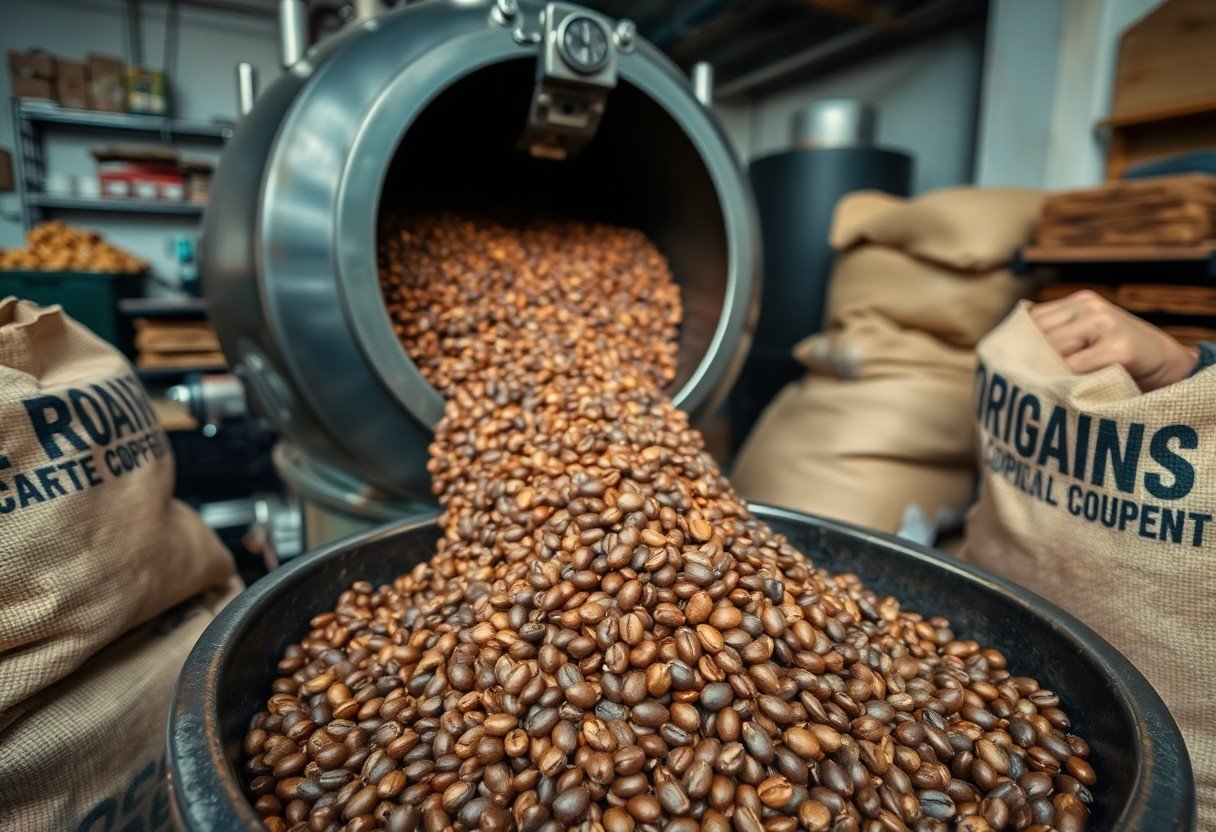
The roasting process is where raw green beans are transformed into the aromatic, flavorful coffee you know and love. Different roasting techniques significantly affect the chemical reactions within the beans, influencing the final flavor profile. Techniques such as drum roasting or air roasting produce distinct results; drum roasters typically provide a more even roast, while air roasters may enhance brightness and acidity in flavor.
Additionally, the temperature and duration of the roast can create various flavor notes, from chocolatey to fruity undertones. You might find that a light roast emphasizes the beans’ origin characteristics, while a dark roast can bring out rich caramelization. By understanding these techniques, you can refine your appreciation for the flavors in each cup.
The art of roasting also involves continuous adjustments based on conditions like humidity and bean moisture content, as these factors can dramatically affect consistency. Expert roasters often develop a keen intuition and a detailed roast profile to achieve the desired outcome consistently.
Flavor Development During Roasting
As coffee beans undergo roasting, they experience a series of physical and chemical changes that contribute to their flavor development. Initially, the beans will turn yellow and emit a grassy smell, followed by the first crack, a crucial moment that signals the beginning of flavor complexity. Here, you might start to detect sweetness as the Maillard reaction—the process that browns and transforms the sugars—takes place.
Subsequent stages of roasting lead to the breakdown of acids and the formation of volatile oils, providing depth to the coffee’s flavor. Mastering the timing of these stages is necessary for achieving a balanced cup that highlights the intended characteristics of the bean.
During roasting, you may also note that certain beans respond differently to heat, resulting in distinctive flavor gradients. This is why experienced roasters focus on specific techniques that bring out the best flavors specific to each variety, creating unique sensory experiences in every freshly brewed cup.
The Role of Ethical Roasters in Adelaide
Key Ethical Roasters in the Region
Your exploration of Adelaide’s coffee scene should include notable ethical roasters like Coffee Ethic and One Planet Coffee. These businesses are committed not only to quality but also to transparency in sourcing. For instance, Coffee Ethic partners with farms that adhere to stringent ethical standards, ensuring that coffee growers receive a fair price that reflects their hard work.
Another standout is One Planet Coffee, which emphasizes organic practices and direct trade. You can taste the difference in their offerings, with each blend reflecting the care taken from farm to cup. Their dedication to sustainability and community empowerment is a model that others in the industry aspire to replicate.
Community Engagement and Local Impact
Engagement with the local community is pivotal for ethical roasters in Adelaide. You’ll find that they often participate in local events, sponsor community programs, and host workshops on coffee appreciation, fostering a culture of informed consumers. This not only elevates your coffee experience but also emphasizes the importance of understanding where your coffee originates.
The local impact is significant as these roasters often reinvest a portion of their profits into community initiatives. For instance, programs aimed at educating youth about sustainability or supporting local farmers can make a genuine difference in Adelaide’s socioeconomic landscape, creating a ripple effect of positive change.
Partnerships with Farmers and Cooperatives
Ethical roasters in Adelaide also focus on building strong partnerships with farmers and cooperatives. By sourcing beans directly from growers, they can ensure fair wages and better working conditions. This approach not only improves the lives of farmers but also enhances the quality of beans, as you can trace the origins and understand the stories behind each batch.
These partnerships frequently lead to innovative practices in both farming and roasting. Local roasters work with cooperatives to implement sustainable methods, boosting crop yields and maintaining biodiversity. This collaboration fosters a sense of community as you enjoy a coffee that contributes to the livelihoods of those who cultivate it.
Consumer Perception and Demand
Growing Awareness of Ethical Consumption
Your understanding of consumer demand is evolving, particularly with the increasing awareness around ethical consumption. You may have noticed more coffee drinkers seeking transparency regarding the sourcing and production of their coffee. This trend is driven by your desire to support ethical practices and sustainability. As a result, many ethical roasters in Adelaide are stepping up by providing information about their supply chains and farming partnerships, making it easier for you to make informed choices. The increased focus on sustainability has not only led to a rise in demand for ethically sourced beans but has also influenced the overall coffee culture in the region.
Ethical roasters are amplifying their messages, using storytelling to connect with you on a personal level. Coffee brands that share their efforts in supporting farmers and ensuring fair trade often resonate more deeply with consumers. This connection fosters loyalty, prompting you to choose brands that align with your values over traditional options. Consequently, this rising demand for transparency is shaping the coffee market, pushing more roasters to adopt ethical practices in order to stay competitive.
How Marketing Influences Coffee Choices
Marketing plays a significant role in shaping your coffee preferences. You are likely influenced by visual branding, packaging, and messaging that resonate with your values and lifestyle. Ethical roasters leverage marketing strategies to highlight their commitment to sustainability, showcasing their certifications and stories of the farmers behind their beans. By tapping into your growing interest in ethical consumption, these brands create an emotional connection that drives purchasing decisions. For example, campaigns that emphasize direct trade practices often attract your attention and promote a sense of shared responsibility.
Moreover, social media platforms serve as powerful tools for coffee brands to engage with you directly. Engaging posts that showcase roasters’ dedication to ethical practices can spark conversations among consumers. You might find yourself more inclined to share your experiences with ethically sourced coffee, further amplifying these messages within your community. The marketing landscape is rapidly evolving, and your choices are often influenced by how well a brand communicates its ethical stance.
Consumer Preferences for Freshness vs. Ethics
As you navigate between freshness and ethical consumption, you may find yourself in a balancing act. While the allure of freshly roasted coffee is tempting, your growing awareness of ethical sourcing often takes precedence. Many coffee lovers prioritize quality and flavor, but ethical roasters in Adelaide are bridging that gap by ensuring their beans are both fresh and responsibly sourced. This dual focus helps satisfy your desire for elation in taste without compromising your values.
The challenge lies in finding roasters that excel in both freshness and ethical practices. Some brands might excel in quality but lack transparency in their sourcing, leading you to question the overall impact of your choices. Ethical roasters are increasingly striving to deliver top-notch flavors while communicating their adherence to sustainable practices, thus aligning more closely with your preferences.
In a world where sustainability is becoming non-negotiable, it’s important you choose wisely. To explore some of the best options in the region, consider checking out the Best Coffee Roaster Adelaide, where ethical practices meet quality.

The Euphoria of Freshly Roasted Coffee Beans
Sensory Experience of Fresh Coffee
When you encounter freshly roasted coffee, your senses awaken in a profound way. The aroma alone can transport you, as the unique scent of each bean unfolds, revealing notes of chocolate, citrus, or even berry. This sensory experience is not just about smell; the vibrant colors and labor of love evident in the roasting process can evoke a sense of appreciation for the craft behind your cup. Every inhale invites you to investigate deeper into the flavors yet to be experienced.
In your first sip, you might taste subtle sweet undertones or a bold bitterness that showcases the beans’ origin. The texture of freshly brewed coffee can create a rich mouthfeel that enhances your overall enjoyment. This sensation isn’t merely physical; it creates a multi-dimensional experience that plays with your palate, showcasing why fresh is always best when it comes to coffee.
The Science Behind Freshness and Flavor
Freshness is a key player in the flavor profile of coffee. As beans roast, they release carbon dioxide, which begins to dissipate shortly after roasting. Within the first week, flavors peak and then gradually decline. During this period, you’re likely to encounter the most vibrant and complex flavors in your coffee. Studies show that coffee is at its freshest within 7 to 14 days post-roasting, meaning that enjoying freshly roasted beans shortly after they arrive guarantees a fuller flavor experience.
Understanding coffee’s chemical breakdown enhances your appreciation as well. The oils, acids, and compounds present at peak freshness dramatically influence taste and aroma. With an average of over 800 aromatic compounds identified in coffee, it’s no surprise that the interplay of these elements creates a unique profile, emphasizing the importance of selecting your beans wisely from local ethical roasters who prioritize freshness.
Emotional and Psychological Effects of Coffee Consumption
Your daily coffee ritual can significantly impact your mood and mindset. The act of brewing a cup, especially when using freshly roasted beans, can evoke feelings of comfort and relaxation. Studies have shown that the act of enjoying coffee can stimulate the release of dopamine, fostering a sense of pleasure and contentment. This emotional uplift can enhance your day, whether you need a morning boost or a midday pick-me-up.
Additionally, the community aspect of coffee culture plays a role in your emotional experience. Engaging with local roasters or enjoying a cup in a café setting can create feelings of connection and belonging, reinforcing your positive relationship with coffee. This connection further enhances the pleasure derived from each sip, illustrating how much more coffee is than just a beverage—it’s a holistic experience.
Exploring the emotional dimensions of coffee reveals its role as a catalyst for camaraderie and conversation. In many cultures, coffee serves as a social adhesive, bringing people together over shared moments and fostering deeper connections. Whether alone or in a crowd, your experience with freshly roasted coffee transcends mere consumption, embodying connection and joy in each cup.
Challenges Faced by Ethical Roasters
Competition with Large Coffee Brands
In a market dominated by large coffee brands, ethical roasters encounter significant challenges that can hinder their growth and visibility. These well-established brands often leverage their economies of scale to offer lower prices, which can be tempting for many consumers. You may find yourself drawn to the convenience and pricing of these brands, despite the lack of transparency regarding their sourcing practices. Ethical roasters, who prioritize sustainable practices and fair trade, often struggle to communicate their unique value propositions effectively in comparison.
The prevalence of mass-produced coffee means that ethical roasters must invest heavily in marketing and customer education to differentiate themselves. This can be seen in initiatives like How-To Experience Vibrant Adelaide Coffee Events And …, where you can engage with local roasters and learn about their sourcing stories. Engaging with the community not only builds brand loyalty but also fosters a culture of appreciation for ethically sourced coffee.
Cost Considerations in Ethical Sourcing
Ethical sourcing inherently comes with higher costs, which can directly affect the price of the coffee you buy. Fair wages for farmers and sustainable farming practices demand a premium. While you may appreciate the quality and ethics behind these beans, the increased cost might be a barrier, causing you to rethink your purchasing habits. Ethical roasters often struggle to balance these costs while maintaining competitive pricing, which can deter potential customers who prioritize budget over values.
Moreover, fluctuation in global coffee prices can lead to uncertainty in the sourcing costs for these roasters. As ethical sourcing becomes more prevalent, the market may adapt, but for now, many ethical roasters find themselves walking a tightrope between operational feasibility and their commitment to ethical practices.
Balancing Quality and Availability
To provide you with the highest quality coffee, ethical roasters must ensure availability while upholding their sourcing standards. This can be particularly challenging, as maintaining relationships with small-scale farmers often leads to limited supply. You might find that your favorite blend runs out more frequently than expected, which can be frustrating. This situation highlights the tension between quality of beans and the consistency of supply, often requiring ethical roasters to make tough decisions.
Additionally, as demand for specialty coffees rises, the pressure intensifies for these roasters to meet customer expectations without compromising their sourcing ethics. Finding the right balance means focusing on sustainable growth strategies that ensure reliable access to high-quality beans while remaining true to their mission.
Conclusion
To wrap up, ethical roasters in Adelaide have the potential to transform your coffee experience by prioritizing sustainability and quality. By sourcing beans from fair-trade producers and implementing environmentally friendly practices, these roasters not only enhance the flavor of your cup but also contribute positively to the livelihoods of farmers and the planet. As you explore the offerings in your local cafés, you may find that your appreciation for freshly roasted beans deepens when you know the story behind them.
Ultimately, choosing ethically roasted coffee can redefine the euphoria you find in each sip. It encourages a deeper connection between you and the origins of your beverage, fostering a culture of mindful consumption. With each cup, you not only indulge your palate but also support practices that align with your values, ensuring that your love for coffee also nurtures a sustainable future.
FAQ
Q: What does “ethical roasting” mean in the context of coffee?
A: Ethical roasting refers to the practice of sourcing coffee beans through fair trade or direct trade methods, ensuring that farmers receive fair compensation and work in sustainable conditions. It emphasizes environmentally friendly practices throughout the roasting process.
Q: How does ethical roasting influence the flavor of coffee?
A: Ethical roasting often results in fresher, higher-quality beans because it emphasizes quality sourcing and sustainability. This can lead to more distinct and vibrant flavor profiles, showcasing the unique characteristics of the coffee’s origin.
Q: In what ways can ethical roasters impact local coffee culture in Adelaide?
A: Ethical roasters can enhance local coffee culture by promoting community engagement, educating consumers about sustainable practices, and supporting local events. They foster a culture of appreciation for quality coffee while encouraging responsible consumption.
Q: Are there specific ethical roasters in Adelaide known for their quality?
A: Yes, several roasters in Adelaide are recognized for their ethical practices and quality, such as Pike & Joyce and Wordsmith Coffee. They are known for their commitment to sourcing ethically and producing exceptional coffee.
Q: How can consumers support ethical roasters in their coffee choices?
A: Consumers can support ethical roasters by purchasing coffee from them, choosing brands that prioritize transparency and sustainability, and engaging with roasters to learn more about their sourcing practices. Participating in local events and spreading awareness also helps strengthen the ethical coffee community.