
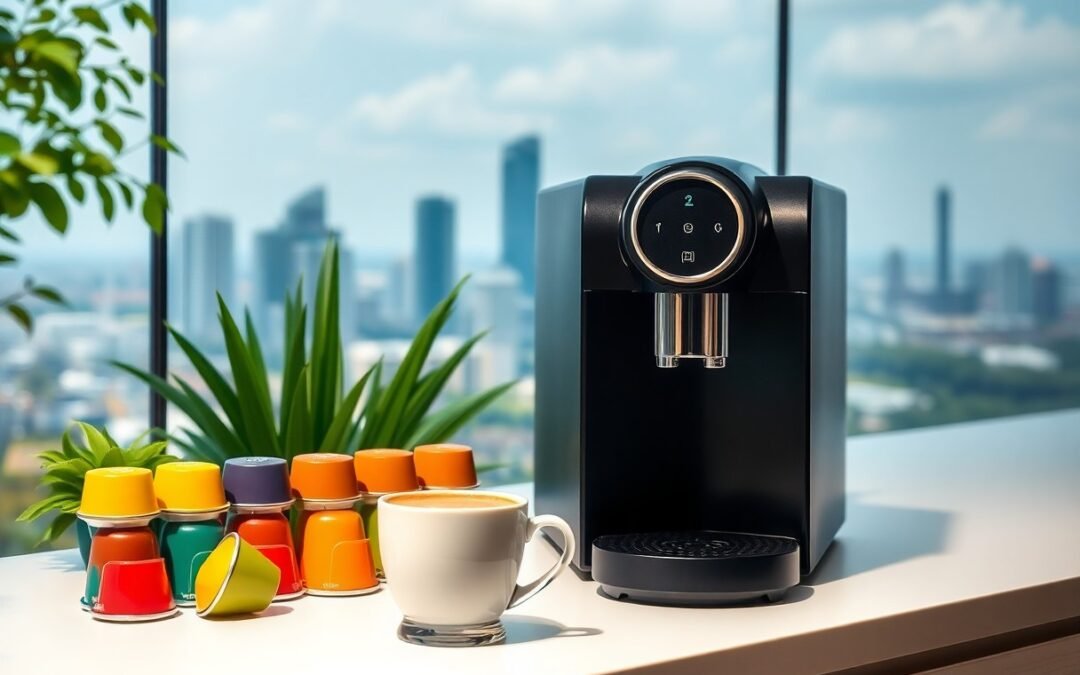
Most coffee lovers appreciate the convenience that coffee capsules bring to their daily routine. However, as environmental concerns rise, it’s important for you to understand the evolution of these products—from their initial appeal as a quick brewing solution to today’s focus on sustainable options. This journey reflects changing consumer preferences and a growing commitment to environmentally friendly practices, allowing you to enjoy your favorite brew while also making responsible choices.
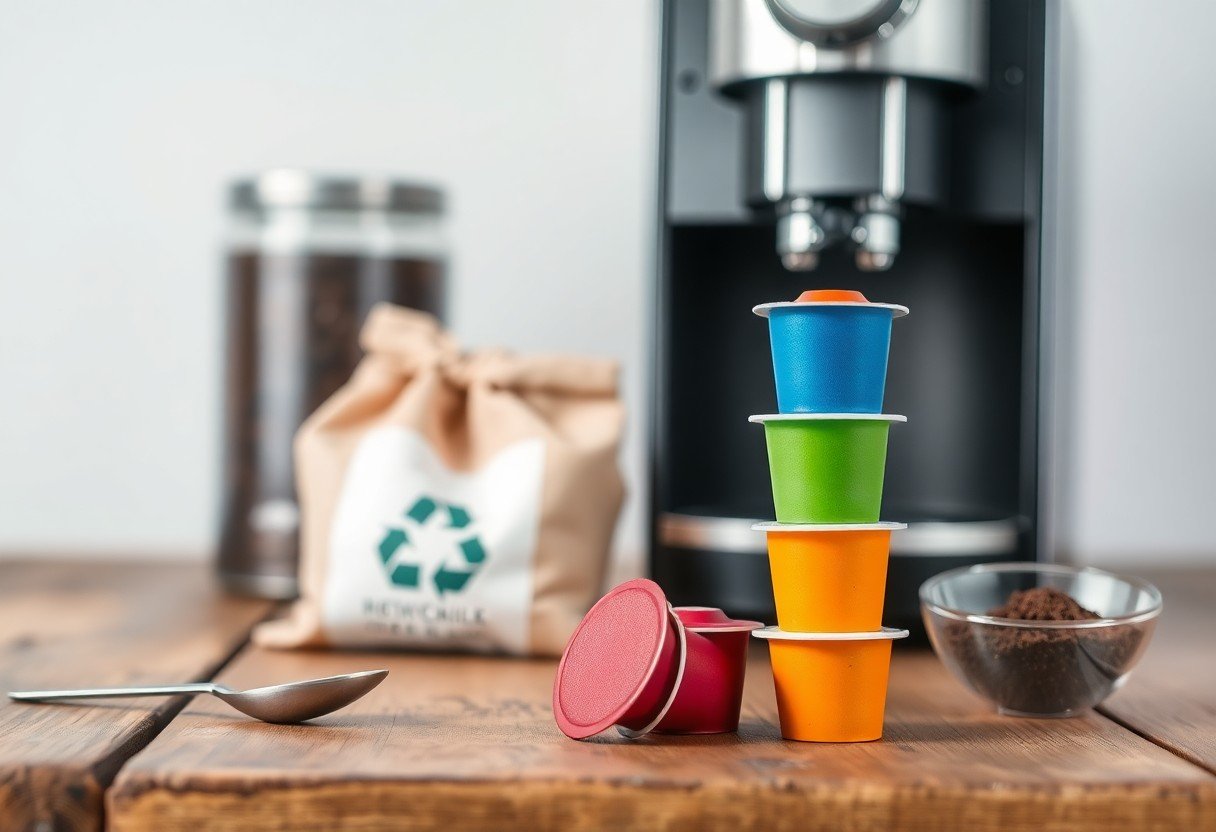
The Genesis of Coffee Capsules: A Convenience Revolution
The Birth of Single-Serve Coffee
Single-serve coffee systems emerged in the 1980s, reshaping how you enjoy your daily brew. The introduction of the first pod-based system by the Italian company Illy laid the groundwork for innovations that would follow. By the early 1990s, brands like Keurig began to dominate the market, highlighting the appeal of brewing one cup at a time. With precise brewing technology, these systems offered you freshly brewed coffee in mere minutes, without the mess and maintenance associated with traditional brewing methods.
The concept of single-serve coffee quickly gained traction, appealing to busy lifestyles that prioritized convenience. By eliminating the need for grinding beans and cleaning coffee makers, these systems provided a no-fuss solution for coffee lovers. As the popularity of single-serve systems grew, so did the variety of coffee choices available, allowing you to explore different roasts and flavors with ease.
The Rise of Home Brewing
Home brewing gained significant momentum as you sought ways to enjoy café-quality coffee without leaving your house. Technological advancements brought compact machines into your kitchen, enabling you to replicate complex brewing methods that were once exclusive to coffee shops. Brands innovated further, integrating features like programmable settings, milk frothers, and customizable brew strengths, all appealing to your desire for a tailored experience.
Your kitchen quickly transformed into a coffee sanctuary, accentuated by the convenience of capsules. By the 2000s, the market saw an explosion of options, including specialty and artisanal blends, helping you craft drinks that cater to your personal taste preferences. The ability to enjoy gourmet coffee at home not only saved time but also allowed you to experiment and develop your barista skills right in your own space.
Moreover, the rise of home brewing has been fueled by a strong culture of sharing experiences online. Social media platforms became hotspots for coffee enthusiasts, where you find inspiration in brewing techniques, flavor pairings, and recipes for unique coffee drinks. This community-driven approach has deepened your appreciation for coffee, turning it from a mere morning ritual into a hobby and a form of self-expression.
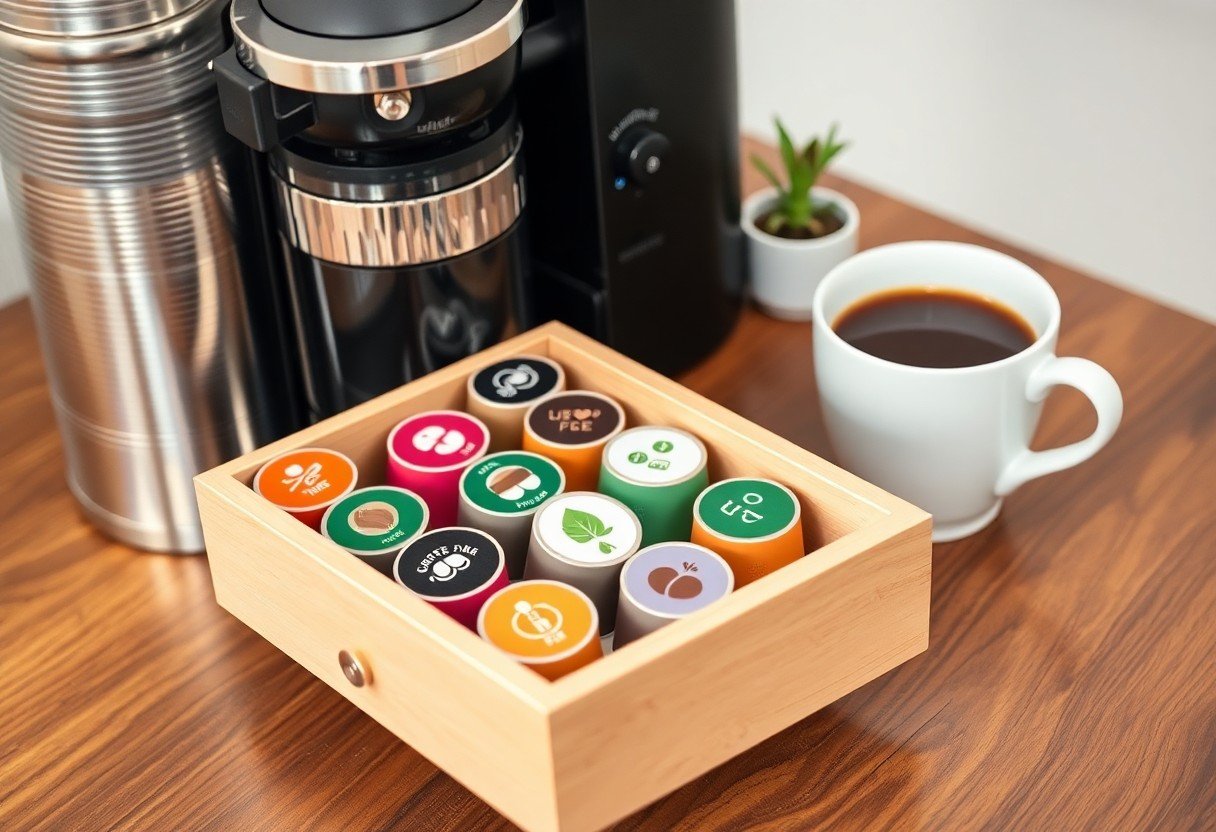
Innovation Meets Lifestyle: The Appeal of Convenience
Today’s fast-paced lifestyle demands solutions that save time and effort, and coffee capsules have become synonymous with this convenience. You can brew a perfect cup of coffee in seconds with just a touch of a button, eliminating the lengthy processes involved with traditional brewing methods. Studies indicate that over 50% of U.S. households now own a single-serve coffee maker, highlighting the shift towards efficiency in kitchen appliances. This remarkable transformation not only addresses your immediate caffeine cravings but also resonates with your desire for a streamlined, hassle-free morning routine.
In the midst of busy schedules, coffee capsules cater to your need for quick access to quality beverages without compromising flavor. The simplicity of inserting a capsule and enjoying your drink almost instantaneously speaks volumes about how innovation contributes to an enjoyable lifestyle. You find yourself reaching for these convenient solutions, especially during mornings when every minute counts. The attractiveness of coffee capsules lies in their ability to deliver consistent results while seamlessly fitting into your daily rituals.
Instant Gratification: The Allure of Simplicity
You appreciate the instant gratification that coffee capsules provide. The ritual of preparing coffee has been significantly simplified; there’s no grinding, measuring, or clean-up involved. Instead, your coffee routine has been transformed into a quick, easy process that fits perfectly into your already hectic day. Numerous brands have capitalized on this by offering a wide variety of flavors, allowing you to indulge your taste preferences without the commitment of purchasing full bags of coffee.
This convenience does not just serve to save time; it enhances your coffee experience by allowing you to experiment with different blends and roasts at your leisure. Since you’ll likely want to try several varieties, having a plethora of options at your fingertips adds an exciting layer to your coffee drinking habits. The ease of use that coffee capsules offer reinforces your enjoyment, making it a favored choice during your busy mornings or afternoon pick-me-ups.
The Role of Branding in Shaping Consumer Preferences
Branding plays a pivotal role in your coffee capsule choices. Established names like Nespresso and Keurig have effectively positioned themselves as market leaders through strong branding strategies. You may find yourself drawn to these brands not just for their product convenience but also for the lifestyle they represent. An effective brand evokes a sense of quality and reliability, shaping your perception of the coffee experience even before you take that first sip. Marketing campaigns focused on lifestyle aspirations resonate deeply, reinforcing your loyalty to specific brands based on the lifestyles they promote.
Brands cultivate a narrative that appeals to your aesthetic preferences and values, leveraging packaging design and targeted advertisements. The sleekness of a Nespresso machine or the fun, colorful options from Keurig strongly attract your attention. They create an experience that goes beyond just the coffee itself. Limited edition flavors, collaborations with celebrated coffee artisans, and a commitment to sustainability contribute to a holistic brand image, all tailored to entice you as a consumer. Moreover, your choices are often influenced by social media endorsements and trends, making the interplay between branding and consumer behavior pivotal in the rise of coffee capsules.
Environmental Impact: The Cost of Convenience
The Waste Crisis: From Capsules to Landfills
The rapid rise of coffee capsules has led to a staggering increase in waste, with billions of these single-use pods discarded annually. In 2019 alone, an estimated 60 billion coffee capsules ended up in landfills, contributing significantly to global plastic pollution. Many consumers believe that these pods are recyclable, but in reality, the majority are not, primarily due to the mixed materials used in their construction. Aluminum, plastic, and coffee grounds create barriers that complicate recycling processes, often rendering them unsuitable for traditional recycling facilities.
Your morning routine might include pushing a button for freshly brewed coffee, but the hidden environmental costs must not be overlooked. Landfills are bursting with capsule waste, emitting harmful greenhouse gases as they break down. While some companies are now developing biodegradable options, their availability and effectiveness remain limited, meaning that the waste crisis associated with coffee capsules is unlikely to be solved in the near future.
Public Backlash and Call for Change
Pioneering Sustainability: Brands Leading the Way
Biodegradable and Recyclable Solutions
You may have noticed brands transitioning to biodegradable materials, reflecting a significant shift in the market. Companies like Nespresso have invested in new capsule designs made from plant-derived materials that break down in commercial composting facilities. Others, such as Lavazza and Illy, have introduced recyclable options that encourage you to return used capsules for processing, significantly reducing landfill waste.
The transition to these sustainable solutions isn’t just a trend. Research indicates that consumers are willing to pay a premium for eco-friendly alternatives, with over 60% prioritizing sustainability in their coffee choices. By investing in biodegradable and recyclable capsules, brands are not only meeting your expectations but also paving the way for a greener future in coffee consumption.
Partnerships and Certifications in Sustainable Coffee Production
Collaborations between coffee brands and certification organizations, such as Fair Trade and Rainforest Alliance, enable you to enjoy your coffee with a clear conscience. These partnerships help ensure that coffee is sourced ethically, promoting fair wages for farmers and environmentally friendly growing practices. Brands like Keurig have taken significant steps in this area, integrating sustainable sourcing measures to enhance the quality and transparency of their supply chains.
Your purchasing choices directly impact communities involved in coffee production. Companies engaging in certifications work to improve labor conditions, reduce environmental degradation, and foster biodiversity around coffee-growing regions, thus enriching both the quality of the coffee and the livelihoods of those who cultivate it.
Brands are keenly aware that consumers, like you, are increasingly scrutinizing sustainability practices. Well-known coffee producers invest in programs that support smallholder farmers with training and resources, ultimately contributing to better crop yields and improved economic stability. This approach not only nurtures ecosystems but also ensures a consistent supply of high-quality coffee that you can savor knowing it supports sustainable practices.

The Future Landscape: Shifting Consumer Demands
The Rise of Responsible Consumption
Your coffee choices reflect a broader shift toward responsible consumption, where ethical sourcing and environmental sustainability take precedence. A significant portion of consumers now considers the sustainability credentials of their coffee, with 66% actively seeking out eco-friendly products. Brands responding to this demand are emphasizing transparency in their supply chains, showcasing direct trade practices that support farmers and promote fair pricing. This consciousness extends beyond the beans themselves, influencing your choices in packaging, as many opt for recyclable or compostable materials.
Additionally, the rise of specialty coffee retailers that focus on ethical standards has created a space for innovative brands to thrive. You may find yourself gravitating toward companies that not only provide exquisite flavor profiles but also share their commitment to environmental stewardship. This trend reflects a new wave of consumer priorities, merging convenience with a strong sense of social responsibility.
Innovations on the Horizon: Beyond Capsules
Upcoming innovations are set to broaden the horizons of coffee consumption beyond traditional capsules. You’ll encounter advancements such as coffee-pod systems that leverage biodegradable materials, aiming to eliminate single-use plastics without compromising on convenience. Industry leaders are exploring options like reusable pods that allow you to experiment with your choice of coffee beans, ensuring both quality and a reduced waste footprint. This shift signals a growing recognition that convenience and sustainability can coexist in your daily coffee ritual.
As more players enter the market, you can expect to see technologies that enhance the brewing experience, such as smart coffee machines connected to your smartphone. These devices can provide insights into your coffee preferences and make recommendations based on your past behaviors, ultimately personalizing your coffee journey while offering an eco-friendly edge. Embracing these innovations may redefine not only how you enjoy coffee but also how you interact with the broader environmental impacts of your choices.
To wrap up
Presently, the evolution of coffee capsules reflects a significant shift in consumer preferences and environmental awareness. You have witnessed how the convenience of single-serve coffee has reshaped your morning routines, providing quick and easy access to your favorite brews. However, as sustainability issues have come to the forefront, there is an increasing expectation for coffee capsule manufacturers to innovate and reduce their environmental impact. Your choice of product now carries weight, influencing the industry’s direction towards eco-friendly solutions.
Your journey through the history of coffee capsules highlights the balance between convenience and responsibility. As you consider your coffee consumption habits, you hold the power to support brands that commit to sustainable practices. Whether opting for recyclable, biodegradable capsules or exploring reusable options, you contribute to the ongoing narrative of coffee in a more sustainable world. Embrace this evolution and make informed choices that align with your values, enhancing both your coffee experience and the planet’s health.
FAQ
Q: What are coffee capsules and how did they evolve?
A: Coffee capsules are pre-packaged doses of ground coffee sealed in a small container, designed for single-serve brewing. They originated in the 1970s with the introduction of the first single-serve coffee machines, gaining popularity for their convenience and ease of use. Over the years, advancements in technology and brewing methods have led to a variety of capsule formats and flavors.
Q: Why did coffee capsules become popular?
A: The popularity of coffee capsules can be attributed to their convenience, quick preparation time, and the ability to brew a single cup without the need for measuring coffee grounds. They cater to busy lifestyles and offer a consistent taste for consumers, making them a preferred choice in households and offices alike.
Q: What are the environmental concerns associated with coffee capsules?
A: Environmental concerns stem mainly from the disposability of single-use coffee capsules, often made from plastic and aluminum. These materials contribute to landfill waste and environmental pollution. Additionally, the production process for many capsules has a significant carbon footprint, prompting calls for more sustainable alternatives.
Q: How are companies addressing sustainability in coffee capsules?
A: Companies are developing recyclable and biodegradable coffee capsules as part of their sustainability efforts. Some brands are also introducing reusable capsules that allow consumers to use their own coffee grounds, reducing waste. Initiatives to create eco-friendly production methods and responsible sourcing practices are becoming more common in the industry.
Q: What does the future hold for coffee capsules?
A: The future of coffee capsules likely involves a stronger emphasis on sustainability, with innovations focused on reducing waste and improving recycling methods. Community engagement in recycling programs and the development of more environmentally friendly materials are expected to shape the next generation of coffee capsules, catering to an increasingly eco-conscious consumer base.