
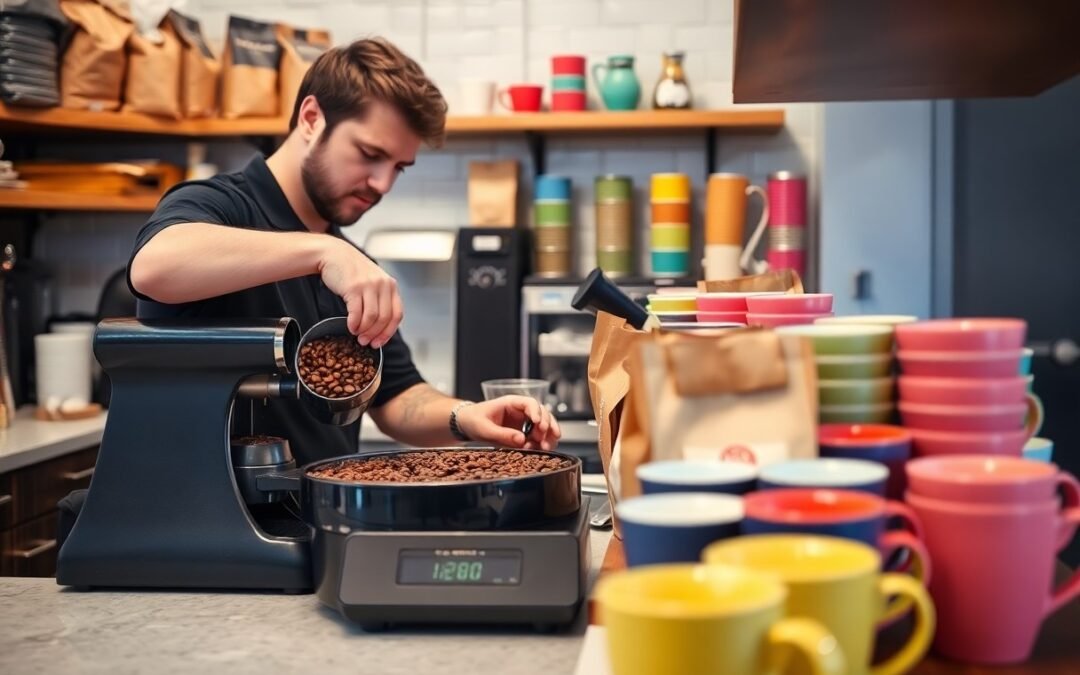
Many of you may not realize how artisan roasting can transform your coffee experience, enhancing both aroma and flavor. By engaging with unique methods and high-quality beans, artisan roasters curate a cup that not only satisfies your palate but also stimulates your senses. This approach fosters a deeper appreciation of the brewing process and the artistry involved. For insights on how local roasters are championing this craft, check out Brewing Excellence – How Adelaide Coffee Roasters Are ….
Key Takeaways:
- Artisan roasting techniques enhance flavor profiles, allowing coffee enthusiasts to experience unique taste notes.
- Adelaide’s artisan roasters emphasize sustainability and traceability, elevating the connection between consumers and coffee origins.
- Direct engagement with local roasters fosters community and supports small businesses, enriching the overall coffee culture in Adelaide.
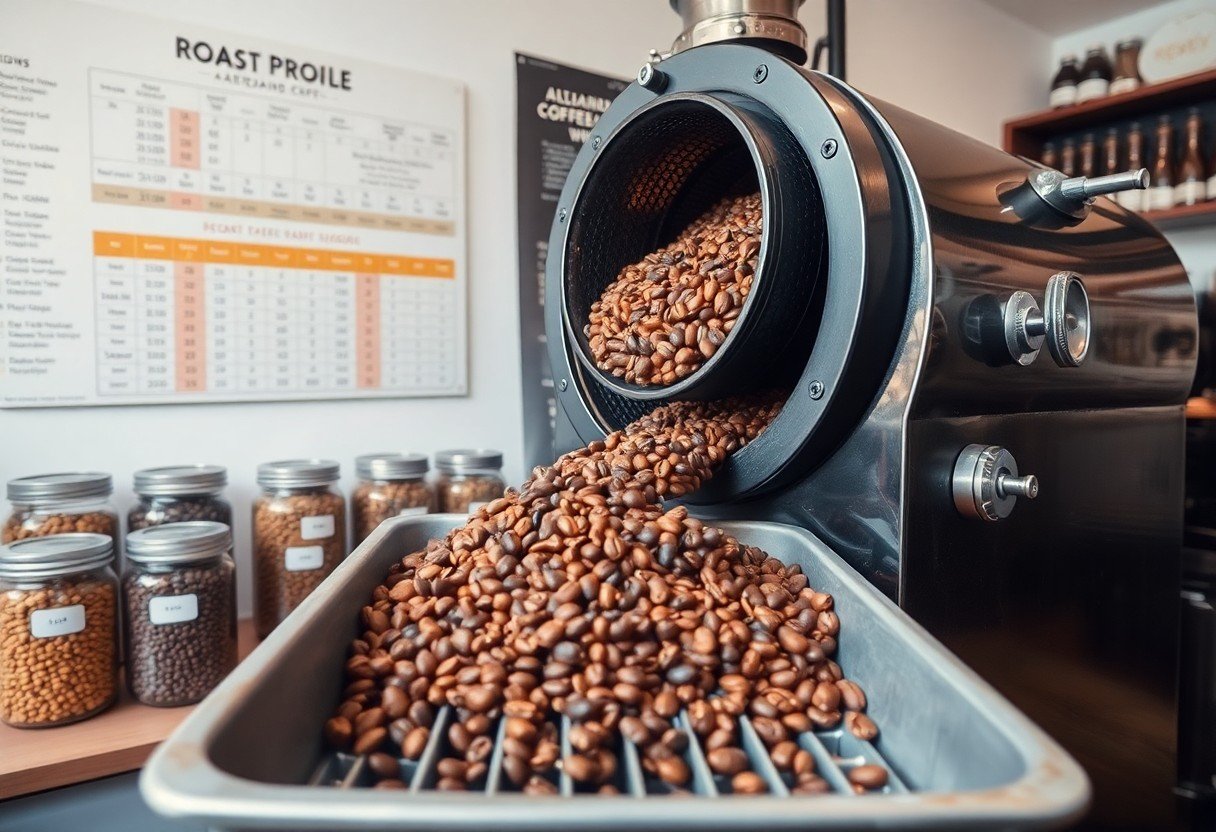
The Art of Artisan Roasting
Definition of Artisan Roasting
Artisan roasting represents a meticulous approach to coffee roasting that prioritizes quality, flavor extraction, and the distinct characteristics of each coffee bean. You’re likely familiar with mass production methods that aim for uniformity, but artisan roasting contrasts sharply by focusing on small batches and individual bean profiles. By controlling variables such as heat application and roasting time, artisan roasters enhance the inherent flavors and aromas, resulting in a cup of coffee that tells a story.
This craft not only celebrates the unique properties of different beans but also reflects the roaster’s skills and artistry. As you explore artisan roasts, you will notice how nuanced flavors emerge depending on the roast profile, highlighting notes that might otherwise be lost in higher-temperature, faster roasting processes.
Historical Context of Coffee Roasting
The journey of coffee roasting dates back centuries, rooted in the traditions of the Ethiopian highlands where coffee plants were first discovered. Initially, coffee beans were roasted over open flames, a rudimentary process that brought out basic flavors. As demand grew, particularly in the 15th-century Arab world, roasting techniques began evolving. By the 17th century, coffeehouses emerged across Europe, driving the need for more refined roasting methods, leading to the emergence of dedicated roasters.
Throughout history, various cultures have contributed to the advancement of roasting techniques. For instance, the introduction of commercial roasting machines in the 19th century revolutionized the industry, allowing for greater consistency and efficiency, thus setting the stage for today’s artisan practices. Recognizing this lineage enriches your appreciation for the complexities of modern coffee.
The blend of tradition and innovation has paved the way for today’s artisan approach. Roasters now leverage both historical knowledge and contemporary techniques to curate unique profiles, giving you a taste of history with every sip.
The Role of Terroir in Coffee Quality
Terroir, a term derived from the French wine industry, significantly influences coffee quality, with factors such as soil composition, altitude, and climate shaping the bean’s flavor profile. When you consider where a coffee bean is grown, you realize that a single origin can yield a surprising variety of tastes based solely on its environment. For instance, Ethiopian coffees are known for their bright acidity and floral notes, while Colombian beans often exhibit a smoother, more chocolatey profile.
Understanding the relationship between terroir and flavor can elevate your coffee choices. Roasters often highlight the regional characteristics of their beans, allowing you to appreciate the diverse landscapes and conditions that contribute to each cup. This deep connection to place is what differentiates artisan roasts from others, emphasizing authenticity and origin in every brew.
In exploring artisan coffee, you engage with the broader ecosystem of agriculture, climate, and geography that brings your coffee to life. A single cup reflects a multitude of influences, inviting you to savor not just flavors but also stories and traditions.
The Artisan Roasting Process
Sourcing Quality Green Beans
Your journey to an exceptional cup of coffee begins with sourcing quality green beans. Artisan roasters often prioritize direct trade and sustainable sourcing practices to ensure that you receive the freshest beans with distinct flavor profiles. This involves forming relationships with coffee farmers around the world, such as those in Colombia, Ethiopia, and Guatemala, who are committed to high-quality cultivation methods. By selecting beans with specific attributes, artisans can provide you with a diverse tasting experience that reflects the unique terroir of each growing region.
In this phase, the emphasis on quality means that you’ll likely be consuming beans that have been meticulously selected for their flavor potential and ethical farming practices. Most artisan roasters, like those you can find at Embrace the Art of Wood-Roasted Coffee, will even highlight the farmers’ stories, allowing you to connect with the origins of your brew on a deeper level.
Roasting Techniques and Methods
As far as roasting, artisan roasters employ various techniques and methods to attain desired flavor profiles. One popular approach is the *small-batch roasting*, which offers greater control over temperature and timing, allowing for nuanced profiles that reflect the beans’ unique characteristics. Methods such as *air roasting* or *drum roasting* can significantly impact the final flavor, with air roasting providing a cleaner taste and drum roasting bringing out deeper, more complex notes. Knowing how these methods affect your coffee can enhance your appreciation and help you select the right brew for your palate.
Another fascinating technique is the use of *profiling*, where roasters track temperature changes meticulously throughout the roasting process, allowing them to bring out specific flavor notes at precise moments. This attention to detail translates into a cup of coffee that not only tastes good but also tells a story. The marriage of art and science in roasting ensures that your cup is not merely caffeine but an experience.
Flavor Development During Roasting
As the temperature rises during the roasting process, a complex transformation occurs within the green beans that you may not realize. First, *Maillard reactions* contribute to the development of sweetness and aroma, while *caramelization* enhances these flavors further. This phase ultimately determines how your coffee will taste, whether it leans toward bright and fruity or rich and chocolaty.
In addition to these chemical reactions, one must consider the *first and second cracks*, crucial indicators of roast progression. The first crack signifies the release of steam and a shift toward a lighter roast, while the second crack indicates deeper flavors that appeal to those who enjoy bold profiles. Recognizing these moments provides insight into the artistry involved in achieving the ideal cup for your taste preferences.
The Importance of Roast Profiles
Your coffee’s roast profile serves as the roadmap to its flavor, allowing you to explore a range of tastes from floral to nutty, bright to bold. Artisan roasters meticulously design roast profiles that highlight their beans’ unique characteristics, fully expressing their potential. Each profile is crafted with an understanding of the bean’s origin, processing method, and the desired flavor notes you, as a connoisseur, wish to experience.
Moreover, roast profiles can vary significantly among different roasters, emphasizing personal preferences and styles. By experimenting with these profiles, you can refine your palate and discover which specific roast suits your taste. Detailed attention to roast profiles not only enhances your coffee-drinking experience but also opens the door to a greater appreciation of the complexity hidden within each cup.
Sensory Evaluation of Coffee
Taste vs. Flavor: Understanding the Difference
When you sip your coffee, you engage two distinct yet interconnected senses: taste and flavor. Taste refers to the basic sensations perceived by your taste buds, including sweetness, bitterness, sourness, saltiness, and umami. On the other hand, flavor encompasses not just these tastes but also the aromas that waft through your nose, contributing to the overall experience. Understanding this distinction allows you to appreciate the complexities in your cup more deeply.
For instance, a coffee may exhibit a sweet taste due to its natural sugars, but its flavor might be enriched by fruity notes like berry or citrus. Noticing these differences helps you articulate what you enjoy or dislike about specific coffees, enhancing your ability to select beans that suit your palate.
Aroma and Its Impact on Enjoyment
Aroma is a pivotal component of your coffee-drinking experience. It often defines your first impression, as the sense of smell significantly influences perception in ways that your taste buds alone cannot replicate. When coffee is brewed, compounds such as volatile aromatics are released, creating scents that can range from nutty to floral or chocolaty. The higher the quality of the beans and roasting process, the more pronounced these aromatics will be.
The enjoyment you derive from coffee can be greatly amplified by its aroma. Studies suggest that the sensory pleasure derived from smelling freshly brewed coffee can stimulate dopamine release, enhancing your overall satisfaction with each sip. Therefore, honing your sense of smell is just as important as fine-tuning your taste buds.
The Role of Acidity and Body in Coffee Palate
Acidity and body significantly influence the texture and taste profile of your coffee. Acidity gives coffee a liveliness and brightness, which can make it feel refreshing. This quality is often found in lighter roasts and can produce sparkling or vibrant sensations when tasting. Conversely, body refers to the weight or thickness of coffee in your mouth; a full-bodied coffee like a dark roast can feel syrupy, providing a satisfying experience for those who prefer a robust cup.
Finding the right balance between acidity and body transforms your coffee experience. Too much acidity can overshadow other flavors, while an overly heavy body might dull the brightness you seek. Understanding these characteristics allows you to explore and enjoy a broader range of coffee styles according to your preferences.
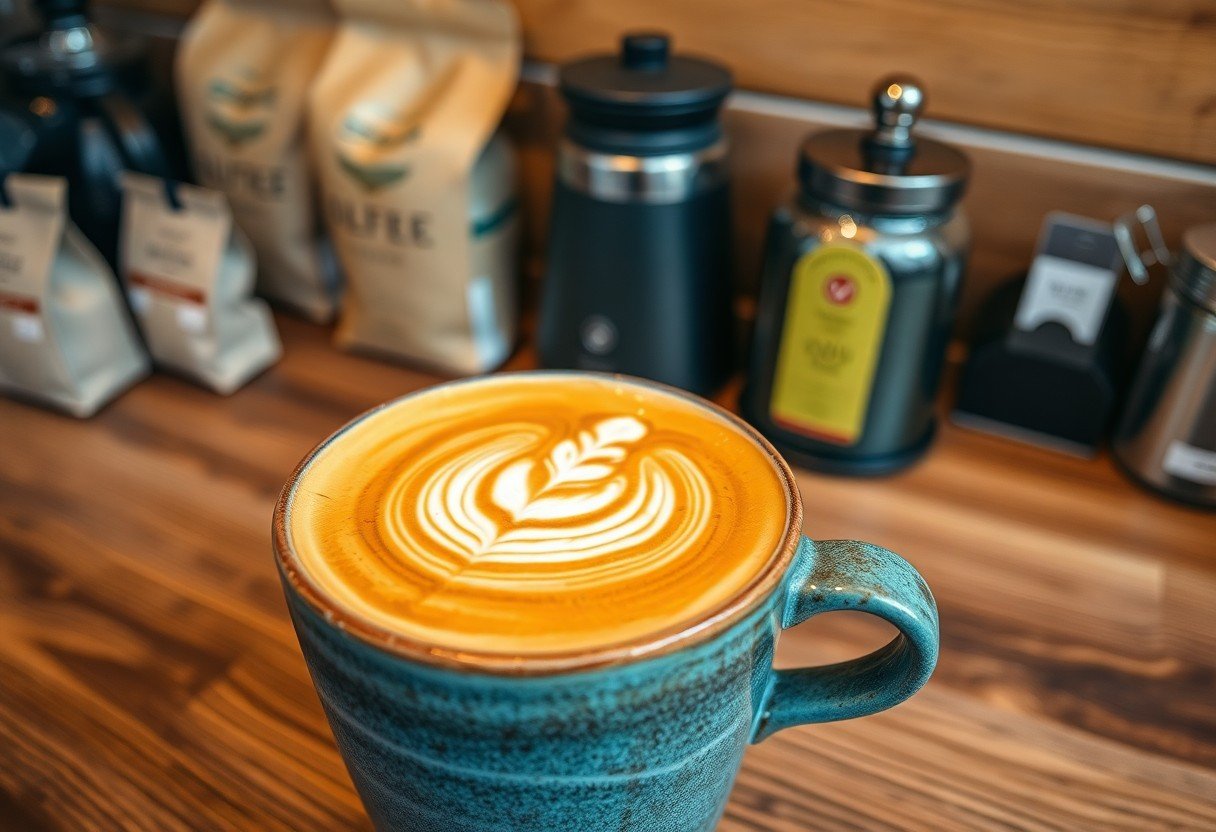
The Influence of Artisan Roasting on Flavor Complexity
Nuanced Flavors: From Fruity to Nutty
Artisan roasting unlocks a spectrum of flavors that can dramatically change your coffee experience. You might encounter bright, fruity notes reminiscent of berries or citrus in one cup, while another might present deeper, nutty undertones akin to roasted almonds. This variety emanates from the careful selection of beans and the precision of the roasting process, which emphasizes different flavor profiles based on time and temperature. For instance, a light roast accentuates the coffee’s natural acidity and fruity characteristics, while a medium to dark roast shifts the focus towards richer, more robust flavors.
Your palate greatly benefits from this artistry; with each sip, you explore complex layers and evolving sensations. You may find the transition from fruity brightness to a creamy, nutty finish reveals the dialogue between the bean’s origin and the roasting method. This depth encourages you to savor each cup, unlocking a new appreciation for the intricacies of coffee.
The Science Behind Flavor Extraction
Understanding flavor extraction can enhance your brewing technique. The dimensions of taste found in your coffee relate to how various compounds are extracted during the roasting and brewing processes. Soluble solids, oils, and gases all contribute to the layered flavor profile in your cup. Artisan roasters meticulously control this extraction by adjusting roasting temperatures and times, ensuring that the desirable compounds are highlighted while avoiding bitterness or sourness.
Certain temperatures activate specific flavor compounds. For example, as your coffee transitions through heat phases, compounds like caffeine, acids, and sugars are released in a controlled manner, allowing for a well-rounded flavor profile. This process of meticulous calibration is what sets artisan roasting apart, allowing you to experience a harmonious blend of flavors with pronounced character.
Balancing Complexity with Drinkability
Finding harmony between complexity and drinkability is a hallmark of artisan coffee roasting. You may enjoy coffees that present intricate flavors without overwhelming your senses. Expert roasters strike this balance, ensuring that your experience is engaging yet approachable, enticing you to explore different nuances without causing palate fatigue.
The ability to create a coffee that is both complex and smooth results from a deep understanding of the beans’ origins and roasting variables. Your enjoyment comes from sipping a cup that offers a depth of flavor, yet remains easy to drink, making it versatile for any time of day.
Personalizing the Coffee Experience
Customer Engagement and Education
To truly elevate your coffee experience, artisan roasters prioritize customer engagement and education. Many brands host virtual tastings and workshops, allowing you to learn directly from coffee experts about the nuances of coffee origin, flavor profiles, and brewing techniques. This immersive approach transforms the act of drinking coffee into a deeper understanding of each cup, enhancing your appreciation for the craftsmanship involved.
Interactive content such as blog posts, videos, and Q&A sessions on social media platforms serve as valuable resources. You can connect with fellow enthusiasts and ask questions about your favorite brews, which fosters a strong sense of community and personal connection to the coffee you consume.
Curated Offerings for Online Coffee Connoisseurs
Artisan roasters provide an array of curated offerings, catering specifically to your tastes and preferences. By focusing on limited-edition blends or single-origin selections, you gain access to exclusive coffees that you won’t find elsewhere. Subscription models are also popular, with options to tailor your selections based on flavor profiles you enjoy, ensuring each delivery suits your palate perfectly.
Enhanced recommendations might incorporate seasonal flavors or highlight specific roasting techniques to introduce new experiences to your regular routine. This personalization signifies a shift from generic coffee consumption to a more tailored, bespoke indulgence.
The Role of Community in Artisan Coffee Culture
The strength of artisan coffee culture lies in its community, where shared passion for quality brews fosters connections among enthusiasts. Engaging in local coffee meet-ups or participating in online forums allows you to share your experiences and gain insights from others. You can learn about the latest trends, voice opinions, and refine your palate alongside like-minded individuals who share your enthusiasm.
Moreover, many artisan roasters actively involve their community through collaborations with local artists, farms, and even charities, cultivating a sense of belonging and support. When you purchase from these brands, you’re not just buying coffee; you’re contributing to a thriving culture that values its roots and the bonds formed around a shared love for coffee.
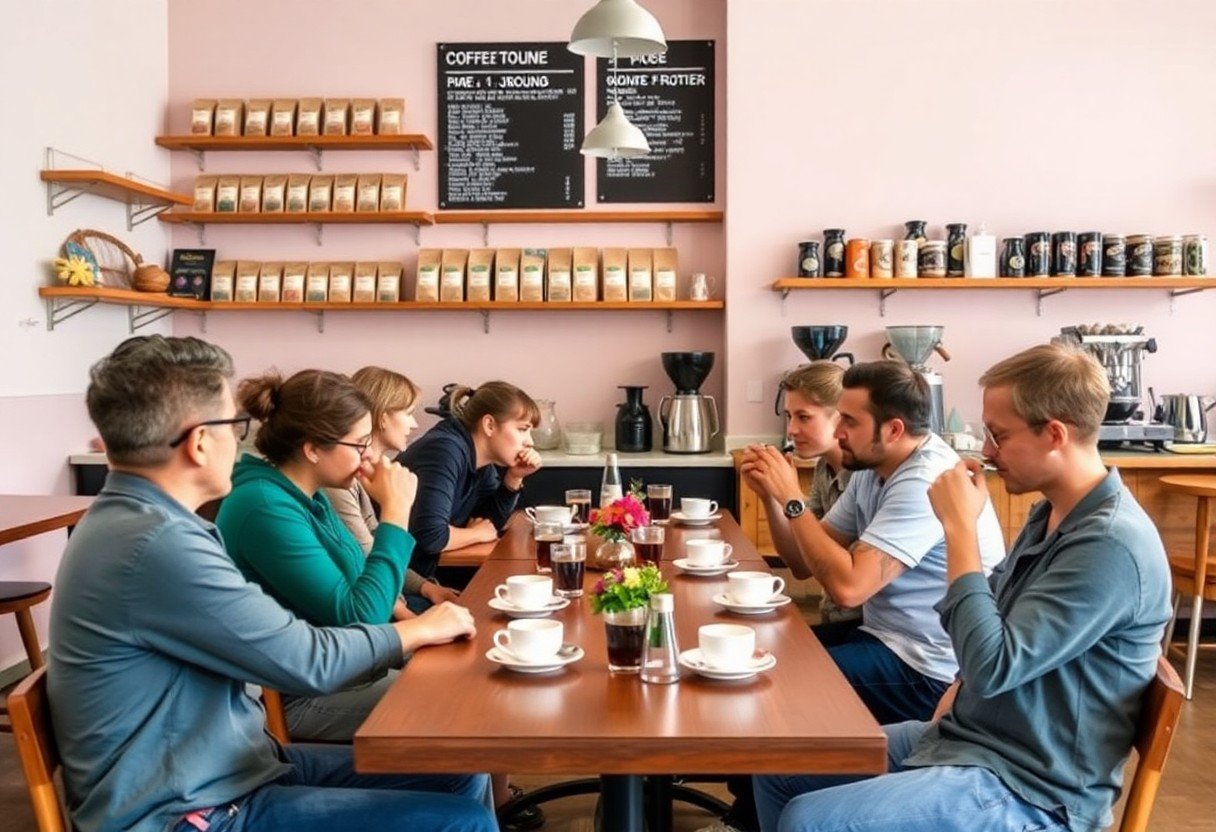
The Rise of Online Coffee Connoisseurship in Adelaide
Trends in Online Coffee Retail
The surge in online coffee retailing reflects a significant shift in consumer behavior across Adelaide. Over the past few years, a marked increase in online sales has been observed, with a reported 30% rise annually in direct-to-consumer coffee purchases. This shift allows you to explore a diverse range of artisan roasters from the comfort of your own home, giving you access to unique blends and specialty brews that local cafes may not carry. The convenience of online shopping, paired with subscription services, means you can enjoy tailored deliveries of your favorite coffee right when you need them.
Retailers are also harnessing data analytics to fine-tune their offerings. Knowing your brewing preferences helps them suggest blends that match your taste profile, enhancing your overall coffee experience. This personalization is not only about flavor; it encompasses ethical sourcing and sustainability practices, key factors for many consumers today.
The Impact of COVID-19 on Coffee Consumption
COVID-19 has dramatically altered your coffee consumption patterns, catalyzing the growth of home brewing. With cafes closed or operating under restrictions, many turned to acquiring high-quality beans online, leading to an increase in specialty coffee purchases by 45% during lockdown periods. This newfound focus on brewing at home has encouraged you to experiment with different styles and methods, elevating your appreciation for artisan roasting.
The pandemic also highlighted the importance of community, pushing local roasters to engage with you through virtual coffee tastings and online education sessions. These efforts not only strengthen your bond with local brands but also enhance your knowledge about coffee origins, processing methods, and proper brewing techniques.
How Social Media Shapes Coffee Preferences
Your coffee preferences are increasingly influenced by social media platforms where visually appealing content reigns supreme. Instagram and TikTok have become vital arenas for roasters to showcase their products, with eye-catching images and engaging brew demonstrations drawing your curiosity. Rising hashtags like #AdelaideCoffeeCulture amplify local roaster visibility, connecting you and other enthusiasts through shared experiences and recommendations.
Consumer behavior is shifting as you seek authenticity in the products you choose. Social media allows you to become part of a community that values artisanal quality and unique flavor profiles, enhancing your coffee journey. Popular influencers who share brewing tips and coffee reviews play a crucial role in guiding your spending choices, as their endorsements often steer you toward lesser-known, high-quality roasters.
The influence of social media has also fostered a culture of exploration and learning. With countless videos and posts dedicated to brewing techniques, you possess the tools to refine your skills and expand your palate. As influencers highlight diverse artisan blends, you are encouraged to step beyond your usual favorites and discover new flavors, making each coffee moment a potential adventure.
Final Words
Drawing together the elements of artisan roasting, you find that it significantly transforms your coffee experience and elevates your palate. Each small batch produced not only highlights the unique characteristics of the beans but also showcases the skill and passion of the roasters themselves. By choosing artisan coffee, you allow your taste buds to begin on a journey through diverse flavor profiles that mass-market brands often overlook.
As you explore the refined nuances of artisan coffee, you are participating in a broader movement that values quality and craftsmanship. This shift towards local, small-batch producers directly benefits you as you enjoy a richer, more complex cup of coffee, all while supporting sustainable practices. For a deeper understanding of how this trend is changing the landscape of your coffee experience, check out The Rise of Artisan Small Batch Coffee.
FAQ
Q: What is artisan roasting?
A: Artisan roasting is a method where coffee beans are meticulously roasted in small batches, emphasizing quality, flavor, and the unique characteristics of the beans. This process allows for greater control over the roasting time and temperature, resulting in a more flavorful coffee profile.
Q: How does artisan roasting enhance flavor complexity?
A: Artisan roasting highlights the natural flavors inherent in coffee beans by carefully adjusting roasting parameters, which unlocks a diverse range of taste notes. This results in a complexity that showcases the bean’s origin, processing method, and varietal traits, appealing to discerning palates.
Q: Why is single-origin coffee popular among Adelaide’s coffee enthusiasts?
A: Single-origin coffee, sourced from a specific region or farm, is favored for its distinctive flavor qualities. Artisan roasters often emphasize single-origin beans to showcase the unique flavors associated with their geographical origin, allowing connoisseurs to experience the true essence of each coffee.
Q: What role does freshness play in artisan roasted coffee?
A: Freshness is important in artisan roasting, as coffee beans begin to lose their flavor shortly after roasting. Local artisan roasters prioritize roasting in small batches to ensure delivery of fresh coffee, which significantly enhances the taste experience for Adelaide’s coffee lovers.
Q: How does the roasting process affect the caffeine content in coffee?
A: The roasting process can influence the perceived caffeine content, as lighter roasts tend to retain slightly more caffeine compared to darker roasts. However, the difference is minimal, and preferences between roast levels often come down to flavor rather than caffeine levels.