
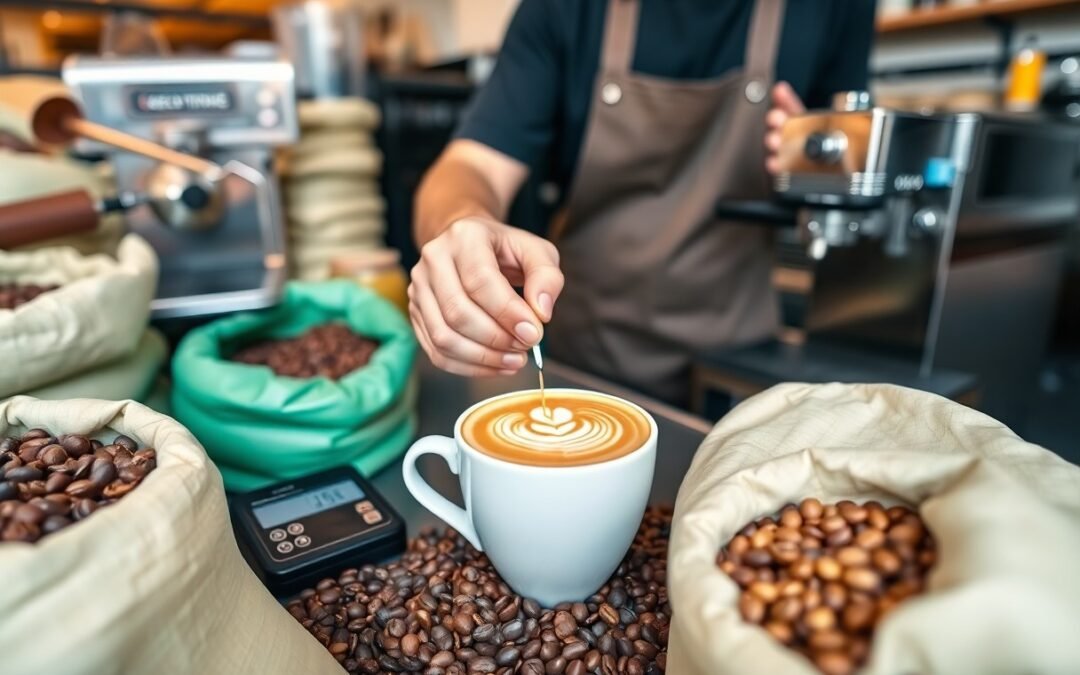
There’s a world of complex flavors and aromas waiting to be discovered in freshly roasted beans from Adelaide’s digital coffee emporiums. As you research into these unique selections, you’ll uncover subtle notes that can transform your coffee experience, from fruity and floral undertones to rich, chocolatey depths. Your choice of roast affects not only taste but also freshness and quality, impacting each cup brewed. Understanding these hidden nuances enhances your appreciation and guides your journey toward the perfect brew.
Key Takeaways:
- Freshly roasted beans from Adelaide’s digital coffee emporiums often highlight unique local flavor profiles influenced by regional climates and cultivation methods.
- Emphasis on sustainability and ethical sourcing is common, reflecting a growing consumer preference for environmentally responsible coffee choices.
- Roasting techniques and small-batch production can result in distinct taste variances, even among beans sourced from the same region.
The Art of Coffee Roasting
Understanding Roasting Profiles
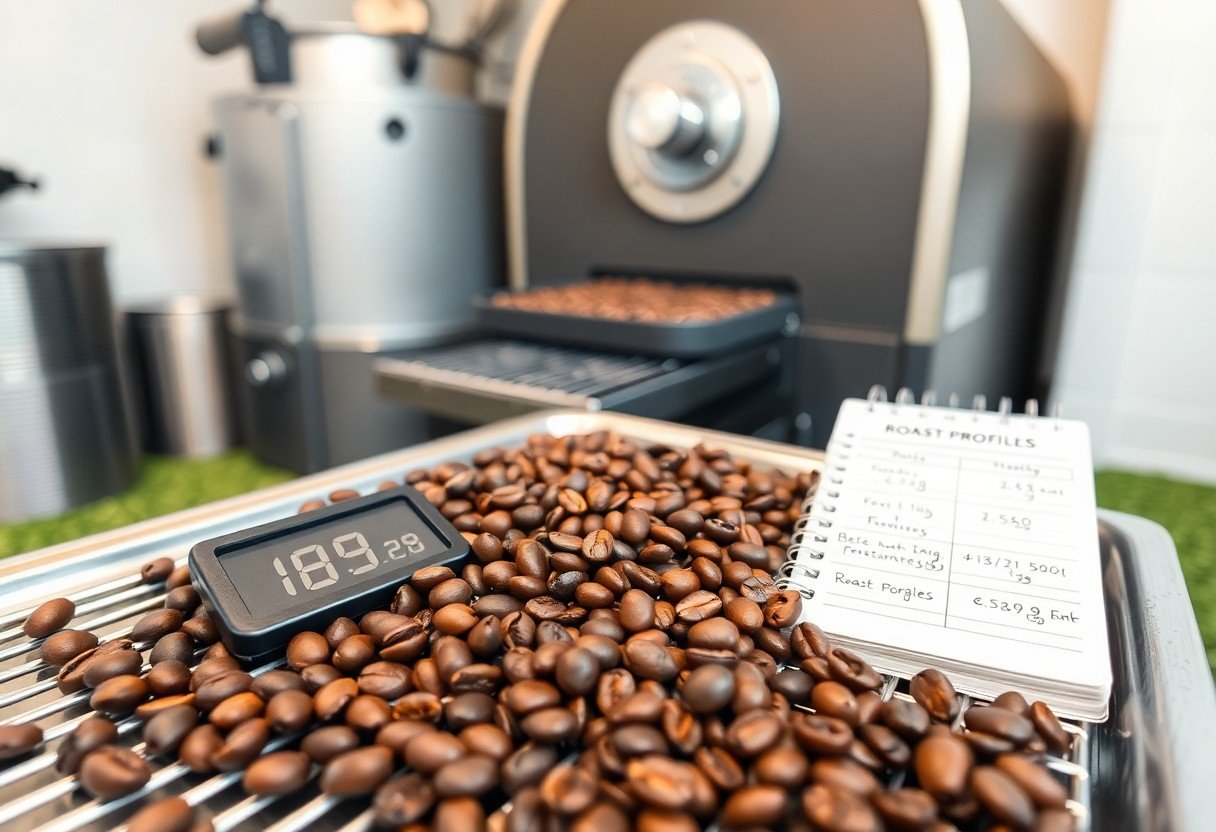
Your journey into coffee roasting begins with an understanding of roasting profiles, which define the unique characteristics of each batch of beans. These profiles vary widely and can be categorized into light, medium, and dark roasts, each offering a distinctive flavor experience. For instance, a light roast typically emphasizes acidity and fruity notes, while medium roasts balance sweetness and body, and dark roasts tend to highlight bold, robust flavors with a heavier mouthfeel. Adjusting variables like time and temperature can significantly influence these outcomes.
A well-defined roasting profile doesn’t just provide consistency; it allows you to tailor flavors to your customers’ preferences. Each bean type, depending on its origin, responds differently to roasting. Thus, developing a profile that harmonizes with the specific attributes of your beans can elevate your coffee from ordinary to extraordinary. You might want to experiment with various profiles to truly capture the essence of your coffee selection.
The Science Behind Temperature Control
Temperature control is fundamental to achieving the desired flavor outcome during roasting. The roasting process generally involves several critical temperature phases, from the drying stage at around 160°C to the first crack at approximately 196°C. During the first crack, beans start to expand, signaling the development of flavor and sweetness. The choices you make in adjusting the temperature can lead to greater caramelization and Maillard reactions, which are imperative for flavor complexity.
Your ability to adjust the temperature throughout the roasting cycle directly impacts the final taste of the coffee. For example, a rapid temperature increase may create a brighter acidity, while managing a slower profile could lead to deeper, richer flavors. Knowing when to dial up or down sends your beans on a flavorful journey through varying stages of development.
Your temperature strategy must account for bean density and moisture content, as these factors influence heat absorption rates. Implementing precise temperature controls helps you achieve repeatable results, imperative for managing quality across batches.
Effects of Altitude on Flavor
The altitude at which coffee beans are grown significantly affects their flavor profile. Higher altitudes typically produce beans with enhanced acidity and complexity. This is due to the slower maturation process under cooler temperatures, which allows for a more concentrated flavor development. For instance, beans grown at 1,200 meters above sea level might possess a bright, citrusy profile, whereas those at lower altitudes may yield earthier, less nuanced flavors.
Exploring different altitudes reveals a spectrum of flavors, so sourcing beans from varied elevations can significantly enhance your coffee offerings. Each region’s unique environmental factors contribute to a diverse flavor palette that you can leverage to attract discerning customers.
Digital Coffee Emporiums in Adelaide
Overview of Melbourne’s Coffee Culture
Melbourne’s coffee culture is renowned for its vibrant café scene that prioritizes quality, sustainability, and innovation. As you wander through the city, you’ll find an array of specialty coffee shops that feature meticulously sourced beans from Australia and around the world. The emphasis on the third wave coffee movement shines through in each cup, with baristas often engaging in intricate brewing methods and presentations, ensuring that you experience the full spectrum of flavors that each bean can offer.
This culture extends beyond the café itself, with numerous events and competitions showcasing the skills of local baristas and roasters. The community actively embraces education, encouraging you to explore various brewing techniques, regional flavors, and the art of coffee appreciation, thus further deepening your understanding and love for this beloved beverage.
The Rise of Online Coffee Retail
The surge in online coffee retail has transformed how you can access quality coffee. With platforms such as social media and dedicated coffee websites, independent roasters can reach customers beyond their local markets. You now have the convenience of ordering freshly roasted beans delivered right to your door, enhancing accessibility while allowing roasters to maintain close ties to their customers through storytelling and brand narratives.
This shift has sparked an explosion of subscription services and direct-to-consumer models. You no longer have to settle for generic supermarket brands; instead, you can discover unique blends that reflect the roaster’s identity. Such innovations not only support local businesses but also elevate your coffee experience, providing you with seasonal beans and the latest roasting trends.
Notable Digital Roasters in Adelaide
In Adelaide, several digital roasters stand out for their commitment to quality and sustainability. Companies like Sprocket Roasters and Proud Mary Coffee have made waves not just for their exceptional beans, but also for their ethical sourcing practices. They provide detailed information about their supply chains, allowing you to appreciate the farmers’ stories behind each coffee cup.
These roasters emphasize seasonal selections and single-origin offerings, showcasing the distinct flavors of each region. By leveraging e-commerce, they connect you with the rich tapestry of global coffee culture while championing local produce and artisanship.
Notable Digital Roasters in Adelaide
Another notable mention includes Coffee Branch, which has gained a loyal following for their innovative blends and commitment to sustainability. Their focus on environmental responsibility, paired with a transparent supply chain, ensures you can enjoy your coffee with a clear conscience.
Flavor Profiles of Freshly Roasted Beans
Defining Flavor Notes
When you sip a cup of coffee, the flavor notes you experience are a complex interplay of various elements derived from the coffee beans’ origin, processing method, and roasting technique. The nuances may range from fruity and nutty to spicy and chocolaty, creating a multi-dimensional tasting experience. For instance, beans from Ethiopia often exhibit bright citrus notes, while Guatemalan beans may offer a rich, chocolatey body with hints of caramel. Understanding these flavor profiles allows you to make informed choices based on your personal preferences.
In Adelaide’s local digital coffee emporiums, you’ll find a broad selection of freshly roasted beans that highlight these unique flavor characteristics. Roasters often emphasize transparency about flavor profiles, allowing you to understand not just what you’re drinking, but the journey each bean has undergone. This knowledge enhances your appreciation and invites exploration of different types and roasts.
The Impact of Bean Origin
Your coffee’s origin plays a significant role in its final flavor profile. Beans from different regions have distinct characteristics influenced by factors such as altitude, climate, and soil composition. For example, Colombian coffees are typically known for their balanced flavor and mild acidity, while beans from Sumatra tend to offer a bold, earthy taste with heavy body. Single-origin coffees from specialty roasters allow you to taste the specific terroir and regional influences in your cup.
Furthermore, many Adelaide emporiums focus on sourcing beans that are not only flavorful but also ethically traded. This commitment adds another layer of richness to the experience, knowing that the beans have been cultivated with care and respect. As you explore different origins, you’ll likely discover a personal preference that informs your choices in the future.
Developing Acidity and Sweetness
The interplay between acidity and sweetness is fundamental to the balance of your coffee. High-quality beans often exhibit vibrant acidity that can range from bright and fruity to mellow and smooth. This acidity can elevate the coffee’s overall taste, providing a sense of liveliness in every sip. On the other hand, the sweetness derived from the natural sugars in the beans—often enhanced during the roasting process—offers a counterbalance that results in a more harmonious flavor profile.
In practice, a well-roasted coffee will have a delicate interplay between these two elements. For example, a light roast might showcase citrusy acidity with a touch of sweetness, while a medium roast could present a more caramelized sweetness accompanied by a softer acidity. Understanding this balance helps you appreciate the artisan nature of coffee roasting.
The Role of Packaging and Freshness
Importance of Vacuum-Sealed Bags
When considering preserving the quality of your freshly roasted coffee, vacuum-sealed bags are a game changer. They effectively eliminate air, which is one of the primary factors contributing to the degradation of the coffee’s flavor and aroma. By using these bags, your beans can maintain their optimal freshness for weeks, allowing you to experience that just-roasted taste long after your purchase. The science validates this; a study showed that coffee stored in vacuum-sealed bags retained flavor profiles significantly longer than those in conventional packaging.
Moreover, vacuum-sealing locks in volatile compounds that are responsible for the rich flavors and aromatic qualities of your coffee. The technique also minimizes exposure to moisture and light, both of which can lead to staleness. The result? You can brew your cup of coffee and Savor the Flavor: Exploring Rare and Exotic Coffee Beans as it was meant to be enjoyed, showcasing a brighter, more vibrant taste experience.
The Influence of Exposure to Air
Air is a significant unknown player in your coffee’s journey from the roaster to your cup. Every second your coffee beans are exposed to oxygen, they begin to oxidize, causing flavors to fade and aromas to dissipate. This process can start mere minutes after roasting, which is why handling and storing your beans properly is vital. You should always use airtight containers that minimize air exposure to prolong the freshness of your beans.
Just think about it: a bag of coffee left open on your counter won’t just go stale; it could also develop off-flavors and unpleasant bitterness. Exposure to air allows other environmental factors, like moisture and odors, to affect your beans’ taste profile. Therefore, even a minor lapse in packaging can significantly alter your coffee experience.
Freshness Timeline from Roasting to Consumption
Understanding the timeline from roasting to consumption can enlighten your coffee habits. Generally, freshly roasted beans peak in flavor within two weeks of roasting. During this time, beans release carbon dioxide, which might make your first brews taste underwhelming. The right approach is to wait about five to seven days post-roast, allowing for optimal flavor development. After this period, the taste will remain vibrant for around a month, provided you store your beans properly.
It’s vital to consume your coffee within a reasonable timeframe since after that, the flavors degrade and your once bright cup turns dull. With proper storage methods like using opaque, airtight containers, you can preserve flavor compounds longer, ensuring each cup is a delightful experience. Each brewing session can reveal layers of taste that speak to your beans’ quality.
Brewing Techniques and Their Impact
Different Brewing Methods
The method you choose for brewing your coffee has a profound effect on the final cup. Common techniques include pour-over, French press, espresso, and AeroPress, each producing distinct flavor profiles and body. For example, a pour-over often highlights delicate notes while a French press emphasizes a richer, fuller body due to the immersion brewing process. Espresso, on the other hand, establishes intense flavors through high pressure, squeezing oils and aromas from the coffee grounds.
Additionally, each technique requires a specific grind size and water-to-coffee ratio, adding layers of complexity. The beauty of coffee brewing lies in experimentation, where even slight adjustments can lead to significant changes in flavor. Take the time to explore these methods and consider their compatibility with the roasted beans from Adelaide’s digital coffee emporiums.
Table: Different Brewing Methods Comparison
| Brewing Method | Flavor Profile |
|---|---|
| Pour-Over | Bright, clean, and nuanced flavors |
| French Press | Rich, full-bodied taste |
| Espresso | Intense, concentrated flavors |
| AeroPress | Versatile, smooth, and diverse |
Water Quality and Temperature
Water plays an integral role in brewing coffee, yet it’s often overlooked. Using filtered water can enhance the extraction process, bringing forth the unique flavors of your beans. Conversely, hard water might introduce undesired mineral tastes, overshadowing the coffee’s inherent qualities. Temperature is just as important; water that’s too hot can scald the coffee, while too cool water may result in under-extraction, leading to a flat taste.
Aim for a water temperature between 195°F and 205°F (90°C to 96°C) for optimal extraction. Be mindful that different beans and roast levels may respond uniquely to these temperature settings, necessitating adjustments in your brewing process. Investing attention in these details ensures your coffee reflects the artistry of the roast.
Table: Water Quality and Temperature Considerations
| Aspect | Recommendation |
|---|---|
| Water Type | Filtered or bottled water |
| Temperature Range | 195°F to 205°F (90°C to 96°C) |
Grind Size and Brewing Time
The grind size of your coffee is directly linked to brewing time and extraction efficiency. Finer grinds increase the surface area, speeding up extraction, which is necessary for methods like espresso. In contrast, coarser grinds are ideal for longer brewing methods, such as French press, allowing the flavors to develop more slowly. Each method has its optimal grind size and brewing time to balance flavor and strength.
For instance, a fine grind for espresso typically requires about 25 to 30 seconds of extraction, whereas a coarse grind for French press might steep for four minutes. Experimenting within these parameters could lead to discovering a flavor profile that resonates with your palate, uniquely highlighting the profiles of Adelaide’s exceptional beans.
Table: Grind Size and Brewing Time Guidelines
| Brewing Method | Grind Size & Brewing Time |
|---|---|
| Espresso | Fine grind, 25-30 seconds |
| French Press | Coarse grind, 4 minutes |
| Pour-Over | Medium-fine grind, 3-4 minutes |
| AeroPress | Medium grind, 1-2 minutes |
The Taste Test: Exploring Nuances
Identifying Subtle Flavor Differences
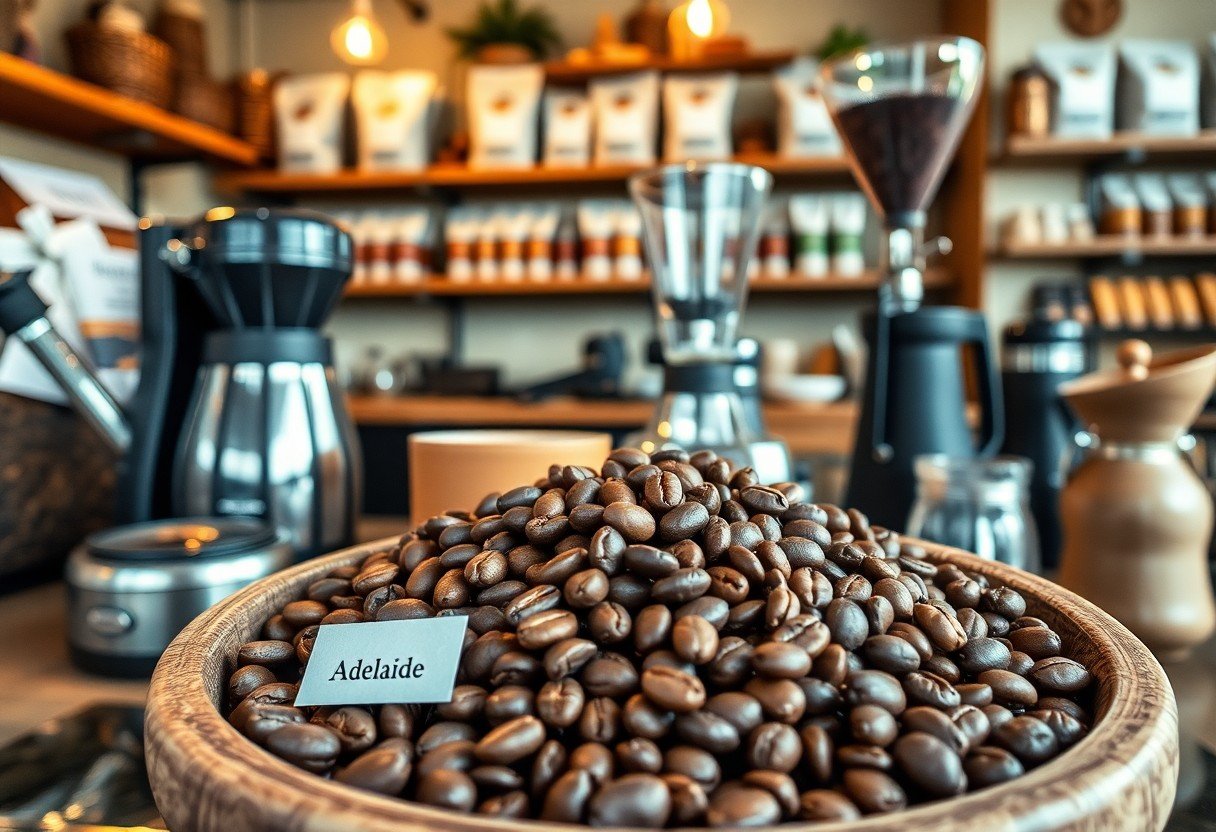
In the world of coffee, tasting involves recognizing the subtle flavor differences between various beans. You might encounter notes of citrus, chocolate, or nuttiness, each lending its unique character to the brew. For instance, beans sourced from Ethiopia often exhibit a bright, floral profile, while those from Colombia generally present a smoother, caramel-like sweetness. These nuances can be attributed to factors such as soil composition, elevation, and processing methods, making your selection process an exploration of origin and variety. Engaging in a structured tasting provides insights into how these elements interplay to create a distinctive cup.
To enhance your tasting experience, it’s beneficial to use a cupping method, which promotes a deeper appreciation of flavors. As you taste, analyze not just the immediate impressions but also how the flavor evolves as you sip. You may find that an initial burst of sweetness transforms into a lingering, complex aftertaste, revealing layers you hadn’t initially detected. The importance of Quality Specialty Coffee Beans for Your Coffee Business cannot be overstated, as this foundation sets the stage for the entire tasting experience.
Methods for Tasting Coffee
Tasting coffee effectively involves several methods that can elevate your sensory experience. The cupping method is among the most popular, allowing you to assess aroma, taste, and mouthfeel systematically. By grinding the coffee beans and steeping them in hot water, you can pinpoint specific aromas before assesses the flavor profile as you sip. You should also consider variations in brew methods, like pour-over versus French press, which can influence how those flavors are extracted and perceived. This experimentation helps in honing your palate and determining the best brewing technique for each bean variety.
Additionally, a coffee tasting flight, where you sample several varieties side by side, can reveal stark differences that are sometimes subtle in isolation. Engaging all your senses—sight, smell, taste, and even sound as you slurp—enhances the overall richness of the experience. You might discover how crucial brewing temperature and grind size are in extracting specific characteristics from beans, thus offering a more comprehensive view of what each variety offers.
The Role of Personal Preference
Your personal preference plays a significant role in how you perceive coffee flavors. While objective tasting notes provide a foundation, the subjective nature of flavor means that your palate and experiences will influence your judgments. For instance, you may favor a bright acidity typical of East African coffees over the fuller body found in darker roasts. Understanding this can help tailor your coffee selection, and you should feel empowered to curate a coffee collection that resonates with your unique tastes.
Additionally, factors such as your mood, the time of day, and even food pairings can shift your preference. You may find that a bold espresso in the morning fuels productivity, while an herbal-infused cold brew in the afternoon delivers a refreshing pause. Embrace this variability as a part of your journey in discovering the coffee landscape, allowing each tasting experience to guide your evolving taste profile.
Conclusion
Summing up, exploring the hidden nuances in freshly roasted beans from Adelaide’s digital coffee emporiums allows you to appreciate the intricate flavors and aromas that coffee can offer. By understanding the impact of sourcing, roasting techniques, and regional characteristics, you can enhance your coffee appreciation experience. As you investigate deeper into the world of coffee, you’ll discover how each cup can tell a story shaped by its origin and preparation.
Moreover, engaging with local roasters through online platforms not only supports your community but also connects you with unique blends tailored to your taste preferences. By paying attention to these subtleties, you can elevate your coffee rituals and savor each brew with greater enjoyment. Your journey into the nuanced world of coffee will undoubtedly enrich your daily experience, making each sip a conscious and flavorful choice.
FAQ
Q: What specific flavor profiles can be found in freshly roasted beans from Adelaide’s digital coffee emporiums?
A: Freshly roasted beans from these emporiums often feature a diverse range of flavor profiles, including fruity, nutty, chocolatey, and floral notes. The roasting process enhances these characteristics while maintaining the unique attributes of the coffee’s origin.
Q: How does the roast date affect the quality of coffee beans?
A: The roast date significantly impacts the freshness and flavor of coffee beans. Ideally, coffee should be consumed within a few weeks of roasting to enjoy its full aromatic experience, as flavors can diminish over time.
Q: What role do different brewing methods play in highlighting the nuances of Adelaide’s roasted beans?
A: Different brewing methods, such as espresso, pour-over, and French press, extract flavors differently. A pour-over may highlight brightness and acidity, while espresso may enhance body and richness, showcasing the versatility of the beans.
Q: Are there specific bean origins that are popular among Adelaide’s coffee enthusiasts?
A: Yes, popular origins often include Ethiopian, Colombian, and Brazilian beans. Each origin brings distinct flavor characteristics that cater to the diverse preferences of Adelaide’s coffee community.
Q: What common misconceptions about freshly roasted beans should consumers be aware of?
A: A common misconception is that darker roasts are always stronger in flavor. In reality, lighter roasts can offer more complex taste profiles and nuanced flavors, highlighting the inherent qualities of the beans.