

You might be considering incorporating coffee capsules into your daily routine for convenience and flavor. While these single-serve pods offer a quick and tasty way to enjoy your favorite brew, there are important benefits and drawbacks to consider. This guide will walk you through the advantages, such as ease of use and variety, as well as the downsides, including environmental impact and cost. By understanding both sides, you can make an informed decision that suits your coffee-drinking habits.
The Instant Gratification of Convenience
How Coffee Capsules Streamline Morning Routines
Starting your day with coffee shouldn’t be a chore. Coffee capsules allow you to brew a fresh cup in under a minute, eliminating the need for messy grounds and complicated brewing techniques. With a simple press of a button, you can have your cup ready while you multitask, whether that’s getting dressed or packing your bag. This efficiency can shave precious minutes off your morning routine, making it easier to manage a busy schedule.
Many brands offer pre-measured doses that fit perfectly into your machine, removing the guesswork associated with traditional brewing. This aspect of convenience transforms your mornings, allowing you to enjoy your coffee without the hassle of clean-up or preparation. The uniformity of coffee capsules not only saves time but also ensures that your coffee-making experience remains hassle-free and straightforward every single day.
The Appeal of Consistency in Flavor and Quality
Consistency in flavor and quality is a strong selling point for coffee capsules. Each capsule contains a precise amount of coffee that has been sealed to maintain its freshness, ensuring you get the same taste with every cup. This reliability means that you can enjoy your favorite blend without deviations, making it easier to stick with a flavor profile you love. For many, this regularity is comforting, especially amidst the unpredictability of daily life.
Brands have invested heavily in preserving the integrity of their coffee through innovative packaging. Many capsules utilize nitrogen flushing to keep the beans fresh, while the capsule design itself prevents exposure to air and light. This level of preservation means that your morning brew is just as delicious as the day it was packed. Over time, knowing that you will always be met with the same rich, well-balanced flavor adds to the overall appeal of using coffee capsules daily.
Environmental Impact: The Double-Edged Sword
Waste Concerns: Are Used Capsules a Problem?
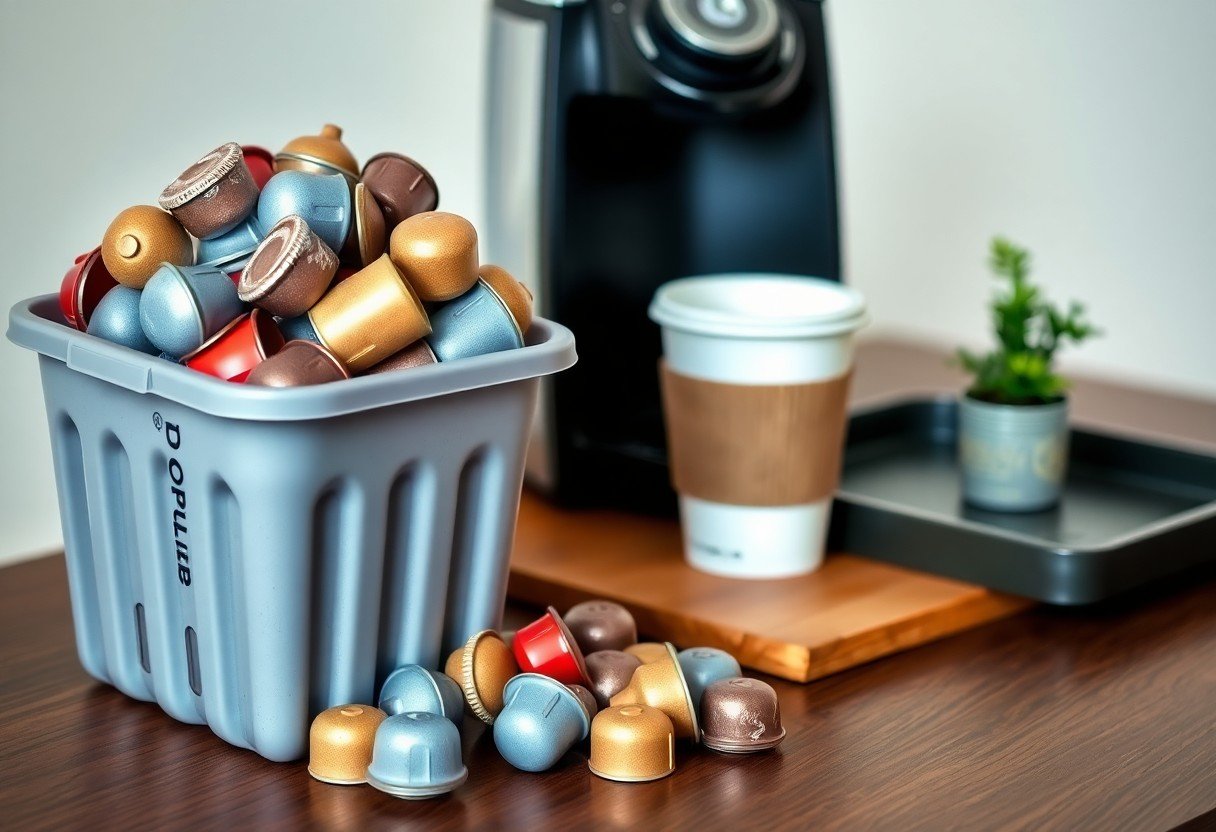
Used coffee capsules generate significant waste, with billions ending up in landfills each year. Your single-serve convenience comes at an environmental cost, as most capsules are made from aluminum or plastic, materials that can take decades to decompose. For instance, a study found that over 30,000 tons of coffee pod waste were produced globally in just one year. This durability means your daily coffee habit contributes to an ongoing waste crisis, particularly troubling in regions where recycling infrastructure for these materials is lacking.
In response to growing concerns, many consumers are questioning whether the benefits of coffee capsules outweigh their environmental impact. The convenience you enjoy could come with the burden of failing to manage recyclable wastes effectively. If you’re conscious of your ecological footprint, you may find it challenging to reconcile the pleasure of a quick brew with the repercussions on the planet.
Eco-Friendly Innovations Transforming the Market
The coffee capsule market is evolving, with companies investing heavily in eco-friendly alternatives. A range of biodegradable and compostable options are now available, featuring materials that break down more easily than traditional pods. Brands like Nespresso and Keurig have introduced programs to collect used capsules for recycling, aiming to mitigate their environmental impact while catering to your desire for convenience. Additionally, some manufacturers are using plant-based materials that can decompose, allowing you to enjoy coffee without the guilt of contributing to landfill waste.
Many innovations are also targeting the design and composition of coffee capsules. For instance, certain brands are developing capsules that can be fully recycled within existing facilities, simplifying the disposal process for users like you. At the same time, educational campaigns are being rolled out to inform consumers about proper disposal methods and recycling initiatives. These endeavors not only lessen the ecological burden but also enhance your experience by allowing you to indulge in your coffee habit more sustainably.
Economic Factors: Cost Analysis of Daily Use
The ongoing debate over the cost-effectiveness of coffee capsules versus traditional brewing methods becomes particularly significant when considering daily consumption. Many coffee enthusiasts often underestimate the long-term financial impact of their coffee choices. Daily use of coffee capsules might seem convenient but can quickly add up to a hefty annual expense when compared to other brewing methods. If you opt for a capsule machine, you’re typically looking at a price range of 30 to 70 cents per capsule. Assuming an average consumption of two capsules per day, your monthly expense could range between $18 to $42, which translates to $216 to $504 annually.
- Capsules can offer convenience and ease of use.
- Traditional brewing methods often involve more upfront costs for equipment.
- Long-term savings may favor traditional brewing if you consume large quantities of coffee.
- Watch for sales or bulk discounts on capsules to manage costs.
Daily users may also want to consider their coffee preferences, as premium capsules can push costs even higher. Beyond simple per-cup calculations, account for the potential for waste; many consumers find themselves discarding unfinished cups when using capsules. Those lingering tastes and preferences can drive even casual coffee drinkers toward more frequent purchases, further inflating a yearly budget.
Comparing Expenses: Capsules vs. Traditional Brewing
| Capsule Coffee (per cup) | $0.30 – $0.70 |
| Traditional Brew (per cup) | $0.10 – $0.20 |
| Initial Equipment Cost (Capsule) | $50 – $150 |
| Initial Equipment Cost (Traditional) | $20 – $100 |
Long-term financial implications stem from the upfront costs associated with different brewing methods. If you invest in a high-quality bean grinder and coffee maker, your initial expense may be higher than buying a capsule machine, but the total cost per cup substantially decreases over time. Purchasing coffee beans in bulk offers considerable savings compared to capsules, where the convenience often comes at a premium price.
The Long-Term Financial Implications
Long-term financial implications of coffee choices extend beyond immediate costs. The investment in equipment for traditional brewing, such as a good grinder and drip coffee maker, pays off as you enjoy significantly lower costs per cup over years. With the average coffee drinker consuming several hundred cups a year, switching to traditional brewing can yield substantial savings. By choosing bulk coffee beans instead of capsules, you effectively reduce your annual coffee budget, allowing for more flexibility in other areas of your spending.
Any hesitation to switch from capsules to traditional brewing should be weighed against these potential savings. Consider evaluating your consumption habits and preferences to determine if the convenience of capsules justifies the ongoing expense. Making a shift could not only benefit your wallet but also enhance your overall coffee experience.
Health Considerations: Are Capsules Safe?
Evaluating the Quality of Ingredients
Your health directly depends on the quality of the coffee you consume, and this is especially true for coffee capsules. While many brands claim to use high-quality beans, not all capsules are created equal. Look for products that meet certification standards such as Fair Trade or organic labels, which often indicate better sourcing practices. Additionally, some manufacturers have a transparent supply chain, allowing you to trace the origins of their beans and understand the production methods involved.
Reading ingredient labels is vital, as some capsules contain additives or preservatives that may not align with your health goals. Choosing capsules that use pure coffee without artificial flavors or sweeteners ensures you enjoy the beverage’s health benefits without unnecessary chemicals. Brands that prioritize quality often invest in better farming and processing practices, which can impact not only taste but also your overall well-being.
The Potential for Overconsumption and Caffeine Effects
Capsules often contain a standard amount of coffee, typically around 5-6 grams, which can provide a consistent caffeine dose per serving. However, it’s easy to lose track of how many capsules you consume in a day, particularly if you enjoy multiple cups. Your daily caffeine intake should ideally stay below 400 mg, roughly equivalent to four 8-ounce cups of brewed coffee, to avoid adverse effects such as anxiety, restlessness, and insomnia. Familiarizing yourself with the caffeine content in your chosen capsules plays a key role in maintaining a healthy relationship with coffee.
Overconsumption of caffeine from capsules can lead to jitters and negatively affect sleep patterns due to the rapid absorption of caffeine. You might find yourself reaching for an extra cup out of habit, but it’s necessary to monitor your intake closely. Comparing caffeine levels across different capsule brands and adjusting your consumption accordingly can help prevent unwanted side effects while still enjoying your daily coffee ritual.
User Experience: The Ritual or the Rush?
The Psychology of Coffee Drinking Habits
Your morning cup of coffee often serves more than just a caffeine kick; it acts as a daily ritual that shapes your psychological well-being. Studies suggest that the act of brewing coffee can trigger a release of dopamine, the feel-good hormone. This psychological reward system may explain why many individuals find themselves drawn to coffee capsules; you experience the satisfaction of convenience while still enjoying a familiar and comforting routine. Each capsule represents a promise of flavor and predictability, appealing directly to your preference for control and satisfaction early in the day.
Exploring the Ritualistic Nature of Brewing vs. Instant Coffee
Many coffee enthusiasts find joy in the brewing process; it’s a meditative experience that fosters a connection to the beverage. Traditional brewing methods, whether pour-over or French press, allow for creative expression and exploration of flavor profiles, providing a sense of accomplishment. This ritual enriches your coffee experience, turning it into a cherished daily practice rather than a mere functional task.
In contrast, coffee capsules offer instant gratification, reducing the time and effort required to prepare a cup. This convenience may appeal to your busy lifestyle but can also diminish the sensory engagement associated with the brewing process. Instant coffee, though quick, often lacks the depth of flavor achieved through other methods, potentially leading to a less fulfilling experience overall. Balancing the two options hinges on understanding your preferences for ritual versus efficiency, each serving a unique purpose in your daily routine.
The process of brewing coffee traditionally invites mindfulness, transforming what could be a mundane chore into a pleasurable ritual. Engaging with each step—grinding the beans, boiling the water, and watching the coffee bloom—creates anticipation and enjoyment, which instant solutions like coffee capsules might lack. While speed and convenience play vital roles in modern life, the richness of fully engaging with your coffee may leave you craving that ritualistic aspect over time.
Summing up
With this in mind, using coffee capsules daily presents both advantages and disadvantages. On one hand, you enjoy the convenience and consistency of pre-measured portions, which can save you time in a fast-paced lifestyle. The variety of flavors and brands available also allows you to explore different coffee experiences without having to purchase multiple types of beans. Additionally, the minimal cleanup required can be appealing if you’re looking to simplify your coffee-making routine.
On the other hand, you may want to consider the environmental impact of single-use capsules, as they contribute significantly to waste and may not be recyclable depending on the brand. Furthermore, the cost of buying capsules regularly can add up, making it a less economical option compared to traditional coffee brewing methods. Weighing these factors will help you determine if daily use of coffee capsules aligns with your preferences and values.
FAQ
Q: What are the main advantages of using coffee capsules daily?
A: The main advantages include convenience, consistent taste, less mess, variety of flavors, and quick preparation. Coffee capsules provide an easy way to brew a single cup without the need for traditional brewing equipment.
Q: Are coffee capsules environmentally friendly?
A: Many coffee capsules are not biodegradable and contribute to landfill waste. However, some brands offer recyclable or compostable options, which can mitigate environmental impact.
Q: Can I save money by using coffee capsules daily compared to brewed coffee?
A: Using coffee capsules can be more expensive per cup compared to brewing coffee from ground beans. Long-term daily use may lead to higher overall costs, so a cost analysis is advisable for regular users.
Q: Do coffee capsules have a less rich flavor compared to freshly brewed coffee?
A: Some users find that coffee capsules may not deliver the same depth of flavor and aroma as freshly ground coffee. Taste preferences vary, and some may prefer the convenience over the brewing method.
Q: Are coffee capsules suitable for all types of coffee drinkers?
A: Coffee capsules can appeal to many, but they may not satisfy enthusiasts who enjoy experimenting with different brewing methods or those who prefer the experience of making coffee manually.