

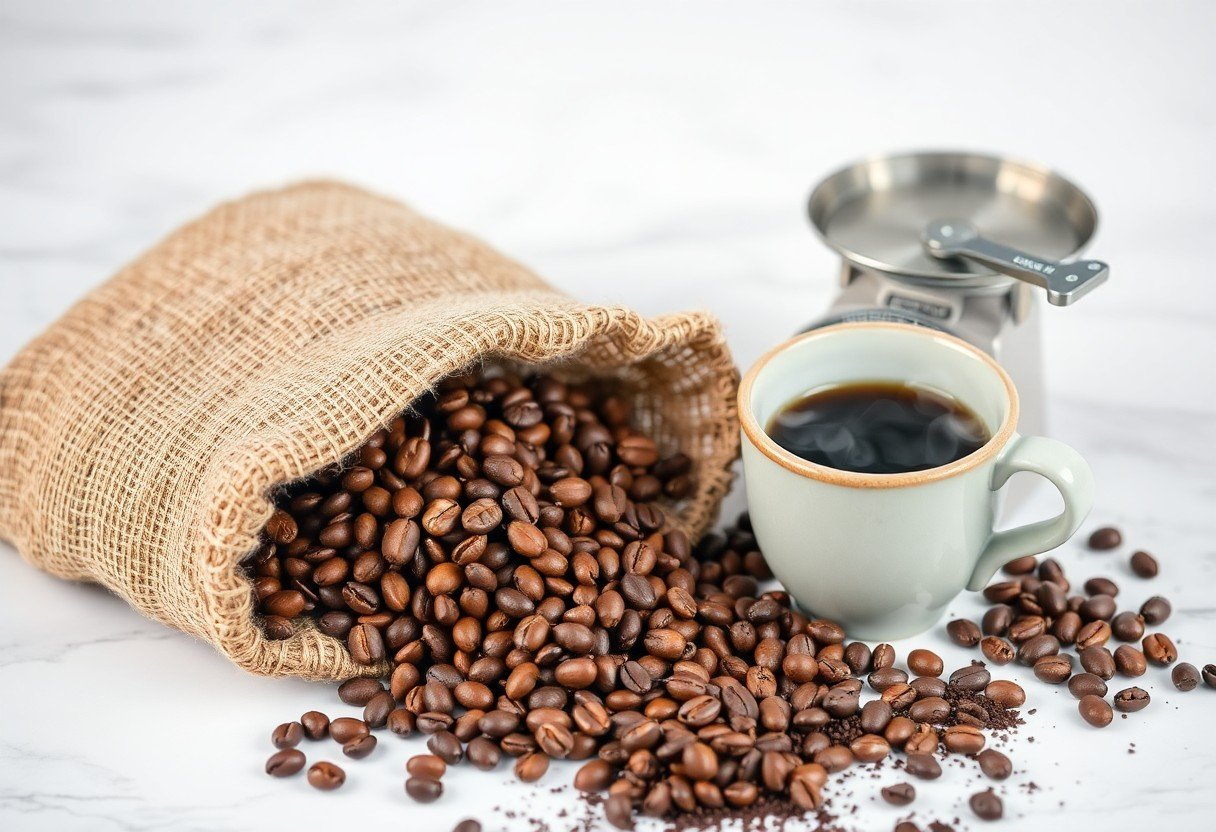
With the vibrant world of coffee evolving, you may find that freshly roasted coffee beans from Adelaide offer an unparalleled experience that ignites your senses. These beans, carefully sourced and roasted to perfection, create a rich aroma and distinctive flavor profile that captivates your taste buds. You’ll discover how factors like altitude, climate, and roasting techniques contribute to the extraordinary quality, making your coffee ritual a delightful sensory adventure. Embrace the artistry of coffee as you explore the transformative journey from bean to brew.
Key Takeaways:
- Freshly roasted coffee beans from Adelaide offer distinct flavor profiles that highlight the region’s unique growing conditions.
- The aroma and freshness of the beans contribute significantly to the overall sensory experience, enhancing taste perception.
- Availability of online purchasing facilitates access to high-quality, freshly roasted coffee, enriching consumers’ coffee journeys.
The Journey of Coffee from Bean to Brew
Understanding the Coffee Plant
The coffee plant flourishes in tropical regions, relying on specific climate conditions to thrive. It requires rich soil, ample rainfall, and shaded environments, with altitude playing a pivotal role in flavor development. The two main species of coffee are Arabica and Robusta, with Arabica praised for its smooth, complex flavors while Robusta is known for its strong, bold characteristics. Understanding these distinctions informs not only your appreciation of coffee but also guides your choices as you explore different varieties.
The life cycle of a coffee plant begins with the seed’s germination, taking about three to four years before it produces its first fruit, known as cherries. Each cherry contains two coffee beans, which must ripen on the branch before harvesting. The nuances of cultivation, such as how well the plant is nurtured, the local climate, and the altitude of the farm, significantly impact the flavor profile of the beans you eventually brew at home.
The Harvesting Process
The harvesting of coffee cherries is a meticulous process that can dramatically affect the final taste of your brew. In regions like Adelaide, where quality is paramount, farmers often employ hand-picking methods to ensure only the most ripe and flavorful cherries are selected. This labor-intensive process contrasts starkly with mechanized harvesting often seen in larger coffee-producing countries, highlighting the significance of attention to detail in the Australian coffee industry.
When cherries are picked, timing is everything. Each cherry ripens at its own pace, and harvesting must occur during the optimal window to capture the rich flavors locked within. Depending on the specific farm and variety, harvest seasons may vary, but the goal remains the same: to secure the finest cherries for future processing.
The Importance of Bean Selection
After harvesting, the selection of coffee beans becomes paramount. High-quality beans are vital, as they directly influence the body, acidity, and aroma of your coffee. Various grading systems exist worldwide, ensuring that only the highest grade beans make it to market. In regions like South Australia, local expertise in handling and processing guarantees a product that reflects the unique terroir of the area.
Inspecting beans for defects is just as crucial as selecting ripe cherries. Factors such as size, color, and moisture content are closely monitored to ensure the beans meet quality standards. Coffee enthusiasts often seek out specialty grades that are meticulously processed to bring out the unique characteristics of each region, elevating your coffee-drinking experience to new heights.
The Importance of Bean Selection
Selecting the right beans also involves understanding how different origins contribute to flavor profiles. For instance, beans from Adelaide often showcase bright acidity and fruity notes due to the growing conditions, while beans from other regions may present more earthy or chocolatey flavors. This complexity enables you to tailor your coffee experience to your palate, encouraging exploration of various roasts and blends.
The Roasting Process
Different Roasting Levels
Understanding the various roasting levels is crucial for appreciating the complexity of coffee’s flavor profile. Generally, roasts can be classified into three main categories: light, medium, and dark. Light roasts retain more of the bean’s natural flavors, often showcasing fruity and floral notes. In contrast, dark roasts emphasize rich, bold flavors, introducing bittersweet and smoky undertones that can overshadow the bean’s original characteristics.
Each roasting level affects not only the flavor but also the aroma and acidity of the coffee. Medium roasts strike a balance between the two extremes, offering a sweeter taste while still bringing out the unique characteristics of the beans. This allows you to experience the why freshly roasted coffee often tastes better at origin, as different regions produce beans with unique profiles that are best showcased at certain roast levels.
The Role of Temperature and Time
Temperature and time are two of the most influential factors in the roasting process. Typically, roasting temperatures range from 350°F to 500°F, leading to various results based on the duration of exposure to heat. A shorter roasting time at high temperatures will yield a light roast, while a longer duration at moderate temperatures will produce a medium or dark roast. This precise balance ensures that you can enjoy the desired flavor notes without overwhelming the coffee with heat.
As you consider roasting times, it’s important to note that each bean behaves differently. For instance, denser beans may require a longer roast to develop fully, while lighter beans could quickly reach optimal flavor. Mastery over these elements is what sets skilled roasters apart, allowing them to highlight the beans’ remarkable qualities through thoughtful temperature and timing adjustments.
| Light Roast | 350°F – 400°F |
| Medium Roast | 400°F – 425°F |
| Dark Roast | 425°F – 500°F |
In roasting, time interacts with temperature to facilitate chemical changes within the coffee beans. The initial phase, known as the drying stage, is critical and can take approximately 5 to 6 minutes. If this stage is rushed, the beans can end up with undesirable flavors. Properly controlling this process helps maximize flavor extraction, ensuring that the final product meets your taste expectations.
Chemical Changes During Roasting
Roasting coffee results in numerous chemical changes, notably the Maillard reaction and caramelization. The Maillard reaction significantly contributes to the development of flavor compounds, resulting in a range of characteristics depending on the roasting time and temperature. Caramelization, on the other hand, adds sweetness and complexity to the coffee, creating layers of flavor that you can experience with each sip.
These transformations are vital in shaping the sensory profile of your coffee. As the beans roast, organic acids break down, and oils begin to emerge, which are crucial for flavor richness. Specifically, during a medium roast, you’ll find that the balance between acidity and sweetness is at its peak, making it an ideal choice for many coffee enthusiasts who crave a well-rounded cup that delivers on both taste and aroma.
| Maillard Reaction | Creates depth and complexity in flavor |
| Caramelization | Adds sweetness and enhances flavor richness |

The Sensory Experience of Coffee
Aroma: The Fragrance of Fresh Roast
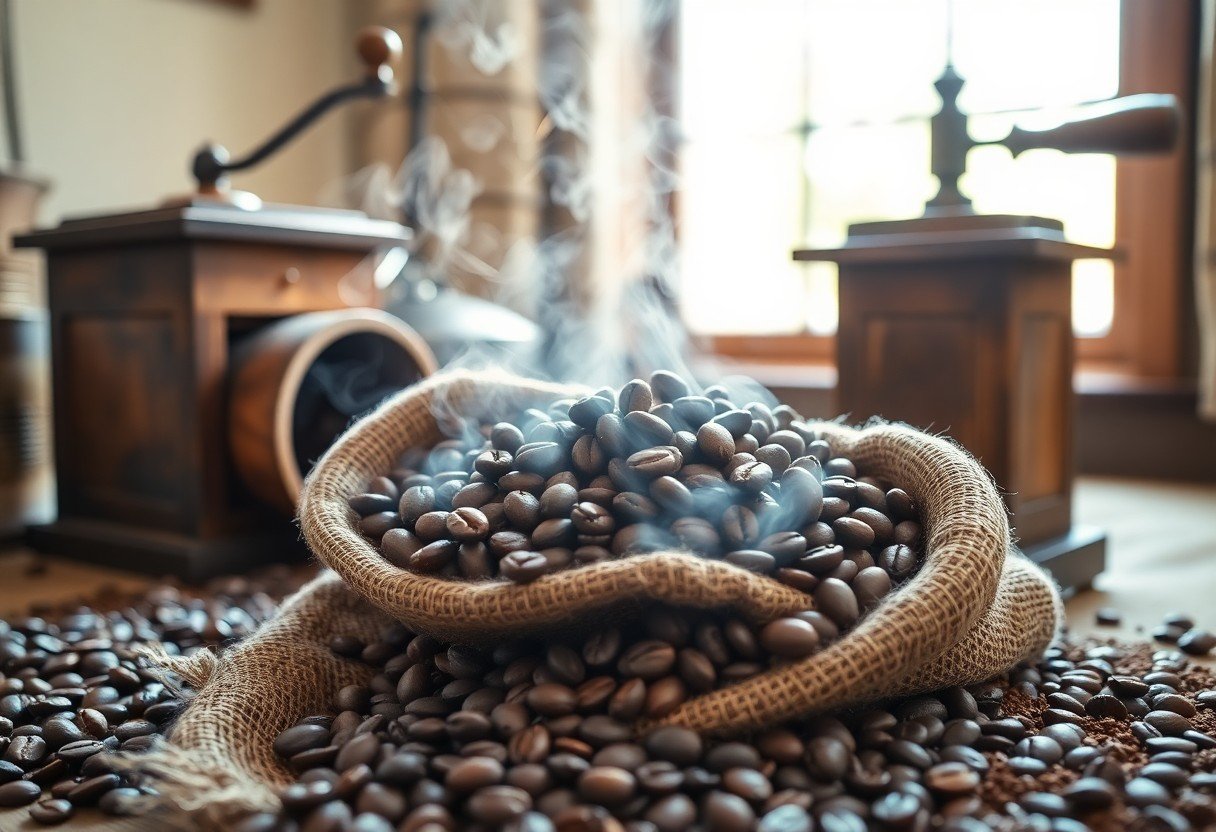
The aroma of freshly roasted coffee beans is an inviting prelude to the entire tasting experience. When you open a bag of freshly roasted beans from Adelaide, the rich, complex bouquet envelops your senses with notes that can vary from sweet caramel to earthy chocolate, and sometimes even fruity highlights. This sensory experience is chemically driven, as roasting brings oils to the surface and volatile compounds are released, creating an enticing fragrance that can evoke emotions and nostalgia.
Different origin beans offer distinctive aromas, influenced by the growing conditions and processing methods. For instance, Ethiopian beans often present floral notes, while Colombian variants might highlight a nuttier profile. This aromatic profile plays a vital role in your overall pleasure, priming your palate and setting expectations for what’s to come.
Flavor: Notes and Nuances
Flavor is where the magic of coffee truly comes alive. Each cup of freshly brewed coffee has a unique flavor profile shaped by the bean’s origin, processing method, and roast level. You may discover vibrant acidity reminiscent of bright citrus, or deeper chocolate undertones that create a rich, comforting experience. Understanding these flavors can enhance your appreciation for different roasts, allowing you to identify specific characteristics like floral, fruity, or spicy notes.
Layering these flavors creates complexity that speaks to the craftsmanship behind the roast. For example, a well-balanced medium roast might present a harmonious blend of sweetness, bitterness, and acidity that keeps you reaching for another sip. Experimenting with various brewing methods can also bring out different flavor nuances, allowing you to unlock hidden depths in your favorite beans.
With each cup, as you explore these flavors, you encounter an intricate tapestry that reflects not only the bean’s journey from farm to cup but also your personal preferences. Engaging with coffee on this level transforms brewing into an art form, where every sip feels like discovering something new.
Mouthfeel: The Texture of Brewed Coffee
The mouthfeel of coffee is an often-overlooked element that greatly contributes to your sensory experience. As you take a sip, the texture can range from smooth and silky to bold and syrupy. This tactile sensation plays a significant role in how you perceive the richness and body of the brew. A lighter roast may present a more delicate, tea-like mouthfeel, while a full-bodied dark roast often offers a creamier consistency that lingers on the palate.
The interplay between temperature and mouthfeel can further enhance your experience. Drinking coffee at a slightly warmer temperature can accentuate the velvety texture, allowing you to savor the rich oils that coat your tongue. Understanding these dimensions of mouthfeel helps you appreciate the range of experiences that each brew offers.
When you note the interplay of texture with flavor, it allows for a fuller engagement with your cup of coffee. A well-balanced mouthfeel can amplify the flavors you detect, creating a more satisfying overall experience.
Aftertaste: The Lingering Impressions
The aftertaste is the final chapter of your coffee journey, often referred to as the “finish.” This lingering impression carries forward the flavors you’ve just experienced, leaving a lasting mark that can influence your perception of quality. A pleasant aftertaste might be sweet and smooth, while a more robust cup can leave behind bittersweet notes that extend the enjoyment beyond that first sip.
The nature of the aftertaste can signal the craftsmanship behind the roast. A thoughtfully roasted coffee often boasts a clean finish, allowing you to appreciate the full spectrum of flavors without harsh lingering notes. As you sip, take a moment to reflect on how the aftertaste aligns with the initial flavors and mouthfeel, underlining the overall coherence of the brew.
Connecting with the aftertaste allows you to linger in appreciation of the coffee’s attributes. Whether it’s a sweet caramel finish or a zesty brightness that keeps you thinking of your cup long after it’s gone, this aspect plays a significant role in your coffee experience.
Freshness and Its Impact on Sensory Experience
The Effects of Staleness
When coffee beans age and lose their freshness, the sensory experience you expect becomes markedly diminished. Staleness results in a loss of aromatic compounds that contribute to the enriching flavors found in freshly roasted beans. The presence of oxygen initiates oxidation, leading to a decline in quality. A study titled Freshly Roasted Coffee Re-Evaluated: A Pilot Study on the … indicates that noticeable changes can occur within just a few days post-roasting, with flavors turning flat and uninviting after a week. Thus, the longer you wait to brew, the less you’ll experience the vibrant character that freshly roasted coffee provides.
Additional detrimental effects of staleness include a shift in texture and mouthfeel. Fresh beans contribute to a creamy, rounded finish, while stale beans often result in bitterness or an overly dry sensation. Variations in brew time can further exacerbate these undesirable changes, making it important to consume your coffee quickly for the best results.
Ideal Storage Conditions
To maintain the freshness of your coffee beans, understanding ideal storage conditions is key. You should store your beans in an airtight container in a cool, dark place to minimize exposure to air, light, and moisture. A pantry or cabinet is suitable, but avoid locations near heat sources, such as your oven, as excess heat can accelerate aging. Ideally, your container should also be opaque to further shield your beans from light.
Temperature plays a significant role as well; temperatures above room temperature can lead to volatile compounds evaporating, which are important for flavor. Under these conditions, your coffee can retain peak freshness for a relatively longer time, helping to preserve the aromatic depth you seek.
The Brewing Timeframe
The timeframe from when the coffee is roasted to when it is brewed also plays a pivotal role in flavor development. Most experts agree that the first two weeks post-roasting yield the best flavor profile, with a sweet spot often around the five to seven-day mark when the gases from roasting have settled. Brew within this window to experience maximum vibrancy in taste.
Moreover, allowing coffee to rest after roasting enables the development of more nuanced flavors. You will likely notice a more balanced acidity and sweetness when brewed after a few days, enhancing your overall coffee experience. If you tend to buy in bulk, portioning out your coffee and consuming it within a couple of weeks ensures you savor the optimal taste.
Comparing Freshly Roasted Coffee Beans
Local Adelaide Roasters
When you explore the offerings of local Adelaide coffee roasters, you encounter a rich tapestry of flavors, each roaster bringing their unique approach to the craft. Monastery Coffee, as an example, features a select range of beans that highlight the diverse profiles of different coffee origins. Their focus on quality means that whether you’re sampling a single-origin Ethiopian bean or a complex blend, you’re enjoying an experience that reflects meticulous sourcing and roasting techniques.
Local roasters often prioritize freshness and sustainability, sourcing beans directly from farmers whenever possible. This direct relationship can significantly enhance the flavor profiles you experience in your cup. You might find that Adelaide Coffee Bean Roaster offerings often showcase seasonal varieties, providing an ever-evolving experience tailored to your taste preferences.
Impact of Terroir on Flavor Profiles
Terroir, the environmental factors that affect a crop’s phenotype, plays a pivotal role in shaping the flavor profiles of coffee beans. As you explore different roasts, it becomes evident that altitude, soil composition, and climate all contribute distinct notes to the cup. For instance, beans grown at higher altitudes typically display brighter acidity and floral notes, while lower-altitude beans may offer a fuller body with chocolate-like flavors.
Understanding the influence of terroir allows you to appreciate the nuances of various coffees. As you taste beans from different regions, you’re not just experiencing variability in flavor but also connecting with the specific conditions in which those beans were cultivated. This connection enhances your overall sensory revelation and transforms each cup into a story of its origin.
The Role of Single-Origin vs. Blends
In the coffee world, the debate between single-origin and blended beans invites a spectrum of preferences. Single-origin coffees allow you to savor the distinct characteristics of a particular region, often resulting in a more pronounced flavor profile. You might find that a single-origin Brazilian coffee offers nutty flavors, while a Guatemalan bean presents bright citrus notes. Each cup tells a unique story influenced by its locale.
Blends, on the other hand, combine beans from multiple regions to achieve a balanced, harmonious taste. These blends can create complexity, allowing you to experience a broader flavor spectrum in one cup. Roasters often craft their blends to showcase consistent flavors year-round, providing a reliable option for those who enjoy a specific taste profile.
Understanding these differences empowers you to choose coffees that align with your flavor preferences. Whether you gravitate towards the uniqueness of single-origin or the complexity of blends, your decision will impact the sensory experience in profound ways.
Brewing Techniques that Enhance Sensory Revelation
Pour Over Method
The pour over method allows you to control every aspect of brewing, intensifying the sensory experience of freshly roasted coffee beans. Begin by using a precise ratio of coffee to water, typically between 1:15 to 1:17, depending on your taste preference. The steady, circular pour saturates the grounds evenly, facilitating optimal extraction. This technique brings out complex flavors, revealing the bean’s origin notes, sweetness, and acidity.
Your choice of pour-over device, whether it’s a Chemex or a V60, also impacts flavor clarity. For instance, a Chemex’s thicker filters result in a cleaner cup with bright notes, while the V60 allows for more oils and body. Experimenting with grind size and water temperature—ideally between 195°F and 205°F—further fine-tunes your brewing outcomes and enhances your sensory experience.
French Press vs. Espresso
When comparing brewing methods, the French press and espresso each offer distinct sensory experiences, bringing unique qualities to your cup. The French press, with its immersion brewing technique, allows the coffee grounds to steep in hot water, resulting in a rich, full-bodied flavor and enhanced mouthfeel. You may appreciate its robust nature, particularly when brewed with freshly roasted beans from Adelaide, where flavor profiles can vary dramatically.
On the other hand, espresso creates concentrated shots packed with intense flavors and crema. By forcing hot water through finely-ground coffee under high pressure, you extract oils and compounds that yield a complex flavor bouquet, showcasing the beans’ unique characteristics. While the French press lends itself to a leisurely sipping experience, espresso captures intensity in a smaller, potent format.
The Importance of Water Quality
Your brewing success is not solely dependent on the coffee beans; water quality plays a significant role. Use filtered water with a balanced mineral content to enhance flavor extraction and prevent impurities from altering the taste. Ideally, water should be soft but not devoid of minerals—around 100-150 ppm total dissolved solids (TDS) strikes a good balance for coffee brewing.
Additionally, the temperature of the water affects extraction rates. Softer water is more forgiving in terms of temperature, while harder water can lead to over-extraction, resulting in bitter flavors. Consider using a water-testing kit to assess your tap water’s quality, making adjustments as needed to elevate your coffee experience.
Summing up
Following this, you will discover that freshly roasted coffee beans from Adelaide offer an unparalleled sensory experience that elevates your daily ritual. The unique flavor profiles, deeply influenced by the region’s climate and soil, provide a rich tapestry of tastes that awaken your palate. When you choose these beans, you engage in a journey that extends beyond mere consumption, connecting you to local artisans and sustainable practices that enhance your appreciation for the craft of coffee-making.
Your senses are further enlivened by the enticing aromas that fill your space as you brew your coffee, creating an ambience that is both comforting and invigorating. Each cup serves as a testament to the meticulous attention and care that goes into roasting, ensuring that the fresh beans’ natural oils and flavors are preserved. This sensory revelation not only transforms the way you enjoy coffee but also enriches your daily life with a profound connection to the origins of what you sip.
FAQ
Q: What are the unique flavor profiles of freshly roasted coffee beans from Adelaide?
A: Freshly roasted coffee beans from Adelaide offer vibrant flavor notes influenced by the region’s climate and soil. Common profiles include fruity, floral, and nutty, with variations based on the bean origin and roasting method.
Q: How does the roasting process affect the aroma of coffee beans?
A: The roasting process enhances the natural oils and compounds in coffee beans, leading to complex aromas that develop during various roasting stages. Freshly roasted beans often release stronger, more inviting scents compared to pre-packaged options.
Q: Why is freshness important for coffee beans?
A: Freshness impacts the taste and overall experience of coffee. Freshly roasted beans retain more volatile compounds that contribute to flavor and aroma, providing a richer and more enjoyable sensory experience than stale coffee.
Q: What role does the brewing method play in enjoying freshly roasted coffee?
A: The brewing method significantly influences the extraction of flavors from coffee beans. Techniques such as pour-over, French press, or espresso highlight different attributes, allowing drinkers to appreciate the unique characteristics of Adelaide’s freshly roasted beans.
Q: How can consumers ensure they are buying quality freshly roasted coffee beans?
A: Consumers should look for beans with a roast date, purchase from reputable sources, and seek recommendations. Buying directly from local roasters or specialty stores ensures access to high-quality, freshly roasted beans.