

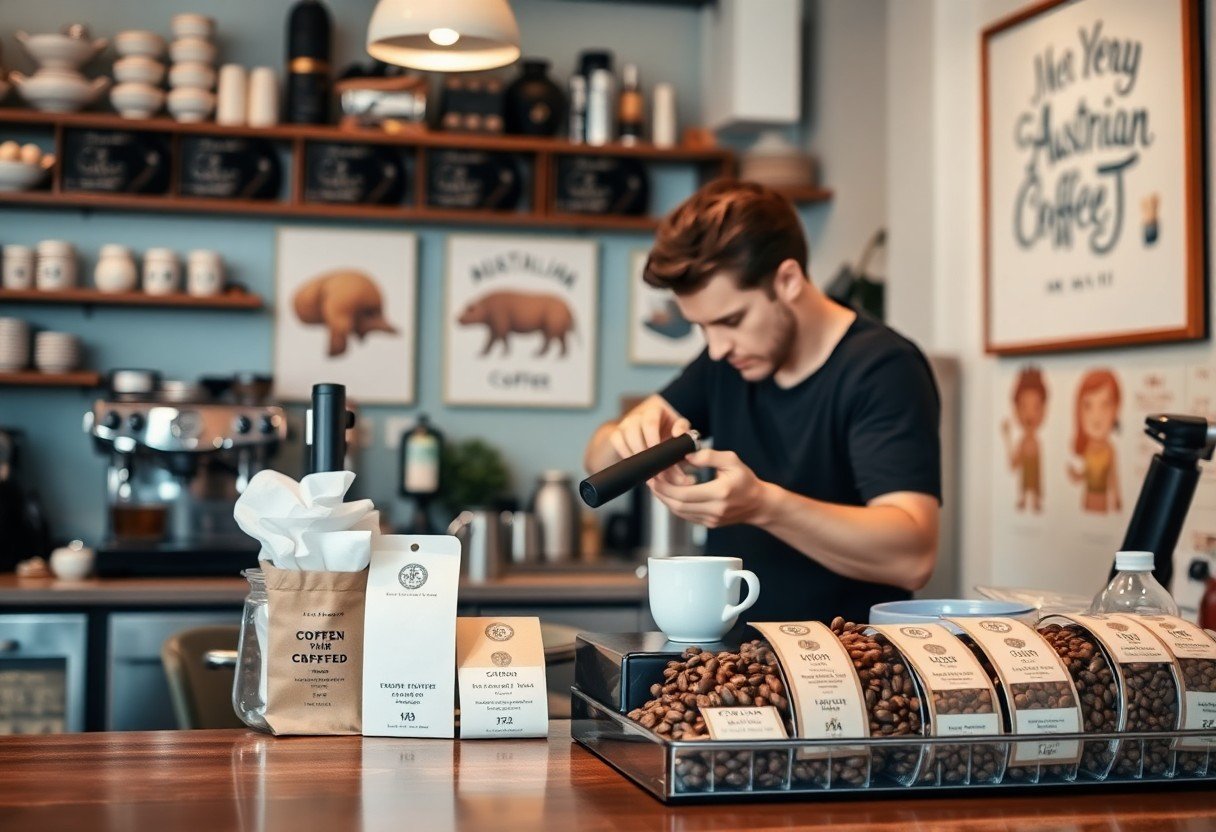
With an increasing demand for specialty coffee, the provenance of Adelaide’s freshly roasted beans has the potential to transform your experience and influence global coffee culture online. By understanding the origins, unique flavors, and sustainable practices behind these beans, you can gain insights into the artistry of coffee roasting and elevate your appreciation. As a growing hub for innovative coffee trends, Adelaide offers a unique perspective that could inspire a broad shift in how coffee enthusiasts interact with their favorite beverage worldwide.
Key Takeaways:
- Adelaide’s freshly roasted coffee beans emphasize local sourcing and sustainability, potentially influencing global consumer preferences.
- Online platforms can enhance the visibility and accessibility of regional coffee brands, fostering a greater appreciation for distinct flavor profiles.
- The narrative around the provenance of coffee can strengthen community connections and elevate the overall coffee experience for consumers worldwide.
The Origins of Coffee
Historical Background
Tracing back to ancient Ethiopia, coffee has a rich and storied past that has transformed cultures worldwide. According to popular legend, a goat herder named Kaldi discovered the stimulating effects of coffee beans after noticing his goats became particularly energetic upon eating the fruits from the Coffea plant. By the 15th century, coffee cultivation and trade began in the Arabian Peninsula, leading to its spread across the Middle East and into Europe. Coffeehouses, known as qahveh khaneh, became cultural hubs in cities like Istanbul, where intellectuals gathered to discuss ideas and engage in social discourse.
The beverage’s popularity soared, and by the 17th century, coffee had made its way to England, where it became a staple in coffeehouses, often referred to as ‘penny universities’ for the small fee charged to enjoy stimulating discussions. This laid the groundwork for coffee’s role in shaping political and social exchange, highlighting its pivotal influence beyond just being a daily drink.
Coffee Plant Varieties
Today, two primary species dominate the global coffee market: *Coffea arabica* and *Coffea canephora* (commonly known as Robusta). *Arabica* beans account for about 60-70% of global production and are favored for their sweet, complex flavors and aromatic qualities. Typically grown at higher altitudes, *Arabica* thrives in climates with cooler temperatures, making regions like Latin America ideal for cultivation. In contrast, *Robusta* beans are hardier, able to withstand harsher environments and pests, and contain higher caffeine levels. They often exhibit a more bitter taste and are primarily used in espresso blends and instant coffee.
Being aware of these varieties is vital for any coffee enthusiast. The type of bean you choose not only affects the flavor profile of your brew but also your understanding of its growth conditions and regional characteristics. *Arabica* offers a diverse range of flavors, from fruity to nutty, while *Robusta* provides a heavier body and earthy tones, appealing to different palates.
Regions of Coffee Cultivation
The geographical areas where coffee is grown play a significant role in defining its flavor. The so-called “Coffee Belt” spans over 70 countries, encompassing regions between the Tropics of Cancer and Capricorn, where optimal growing conditions exist. Major coffee-producing countries include Brazil, Colombia, Ethiopia, and Vietnam, each contributing unique flavor notes and characteristics to their beans, influenced by local soil, climate, and cultivation methods.
Understanding these coffee regions allows you to appreciate the diversity of flavors in your cup. For example, Ethiopian coffees are celebrated for their bright acidity and floral undertones, while Colombian beans often showcase a smooth, caramel-like body. Each origin tells a story of its agricultural practices and cultural traditions, enriching your experience as you explore the world of coffee.
The Unique Characteristics of Adelaide’s Coffee
Local Growing Conditions
In Adelaide, the combination of Mediterranean climate, rich soil, and optimal elevation creates an ideal environment for coffee cultivation. The warm, dry summers and mild winters provide the necessary conditions for coffee plants to thrive, particularly for specialty Arabica varieties. Surrounding regions like the Adelaide Hills offer microclimates that enhance the flavor profiles of the beans, allowing for a diversity that is often unmatched in other coffee-growing areas.
The impact of local farming practices is significant. You’ll find that many farmers utilize sustainable methods, such as organic fertilization and shade-grown coffee systems, which not only preserve the land but also contribute to the quality of the coffee. These practices ensure that when you drink a cup from Adelaide, you’re enjoying not just unique flavors, but beans that support local agriculture and environmental stewardship.
Roasting Techniques in Adelaide
The roasting scene in Adelaide is characterized by innovation and craftsmanship. Local roasters experiment with different techniques, emphasizing small-batch roasting that maximizes flavor extraction. Traditional methods such as drum roastingare commonly used, but you’ll also see some roasters embracing newer technologies like fluid bed roasting, which yields consistent results and enhances sweetness in the beans.
Many roasters focus on sharing their knowledge with customers, hosting workshops and tastings that demystify the roasting process. This customer-centric approach not only builds community but also distinguishes Adelaide’s coffee culture as one that prioritizes education and appreciation. As you explore coffee offerings, pay attention to how these diverse techniques impact the final product in your cup.
Flavor Profiles
Flavor profiles of coffee from Adelaide showcase a remarkable range of characteristics, influenced by the local climate and cultural backdrop. You can expect notes of fruitiness, acidity, and sweetness, often drawing comparisons to more traditional coffee-growing regions. For instance, some beans may evoke flavors reminiscent of citrus or stone fruits, while others might deliver rich chocolate undertones. This variety reflects the city’s commitment to quality and the artisanal approach embraced by local roasters.
As you experience these flavors, consider the role of terroir, which ties the flavor to the specific growing conditions and practices of local farmers. The distinctive taste of Adelaide’s coffee is a testament to the region’s unique environmental factors combined with the passion of its artisans.
The Role of Technology in Coffee Culture
Digital Platforms for Coffee Discourse
Emerging digital platforms have transformed how you engage with the global coffee community, fostering collaborations, knowledge sharing, and trend setting. Websites like Home-Barista and forums such as CoffeeGeek allow you to connect with other enthusiasts, exchanging brewing techniques and tasting notes. ASP.NET and PHP-powered platforms have simplified creating personal blogs and social media sites dedicated entirely to coffee discussions, bringing passionate voices together regardless of geographical barriers.
The rise of podcasts and online webinars further enriches your coffee experience, enabling you to dive deep into topics ranging from bean origins to advanced brewing methods. These platforms provide you with curated content from industry experts and facilitated discussions, ensuring you stay updated and engaged with the evolving landscape of coffee culture.
The Impact of Social Media
Social media has dramatically reshaped coffee culture by enabling you to share experiences visually and immediately. Platforms like Instagram and Facebook allow you to showcase your latest brews, discover artisanal roasters, and connect with like-minded individuals worldwide. Influencers and brands leverage visually appealing content to engage followers, creating a vibrant online coffee community that thrives on aesthetics and authenticity.
Online events and coffee challenges circulate on these networks, bringing people together for a shared purpose. The #ThirdWaveCoffee hashtag, for example, has attracted thousands of posts, encapsulating the essence of contemporary coffee culture and encouraging participation from everyone, from novice brewers to seasoned professionals. By interacting in this space, you contribute to a conversation that emphasizes quality, sustainability, and craft.
Online Coffee Subscriptions
The emergence of online coffee subscriptions has revolutionized how you access diverse coffee flavors from around the world. Services like Trade Coffee and Blue Bottle allow you to explore unique roasts tailored to your taste preferences, delivered directly to your door. This model supports small roasters and offers a convenient way to sample beans you may not have otherwise discovered.
Subscription plans often include tasting notes and brewing tips, enhancing your experience and knowledge about each coffee you receive. As curators of quality, these services enable you to engage with different coffee regions and varieties, deepening your appreciation for the artisanal process behind each cup.
The Global Influence of Local Coffee Houses
Community Building and Locality
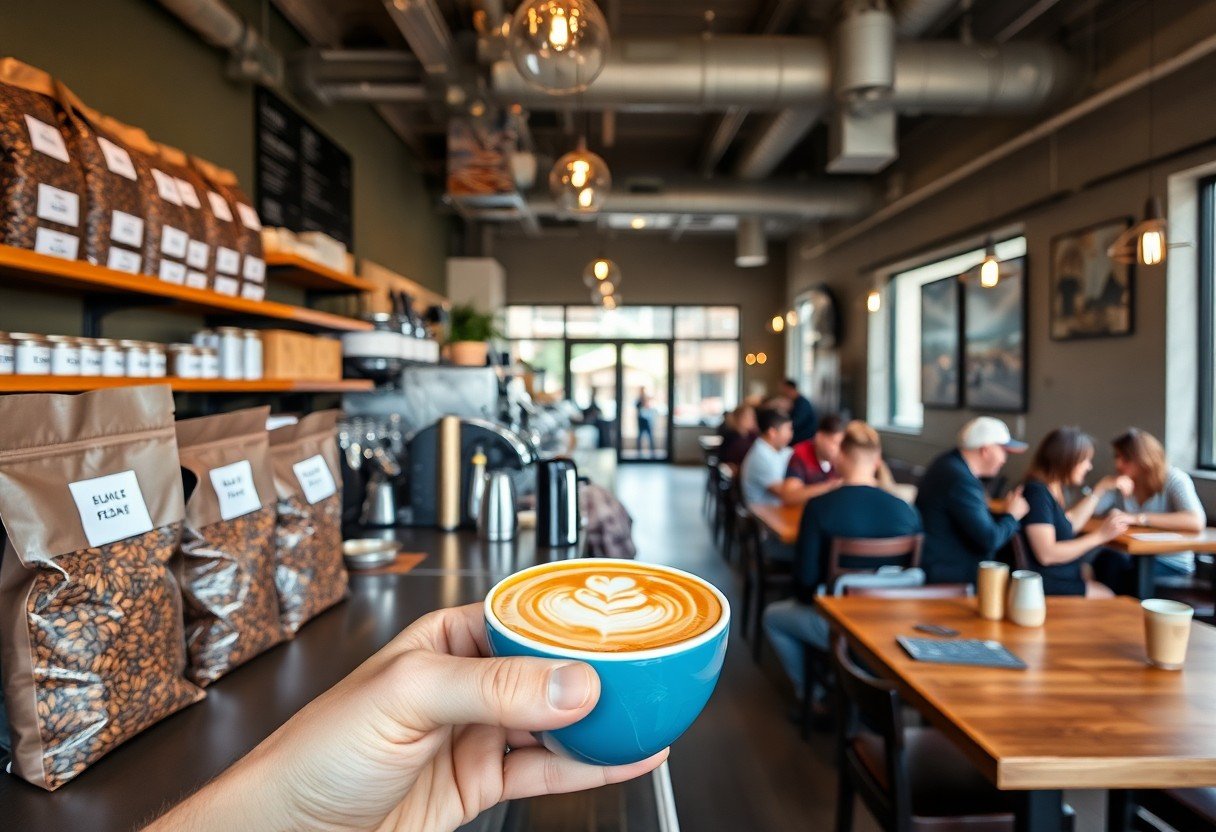
Local coffee houses serve as vibrant community hubs, where connections are forged over a cup of freshly brewed coffee. In Adelaide, these spaces promote a sense of belonging, encouraging you to engage with neighbors and explore local culture. It’s in these intimate settings that you can share not just a beverage, but also conversations that can lead to collaborations and friendships.
The emphasis on locality results in coffee that reflects the essence of your environment. You’ll find that many Adelaide cafés showcase beans sourced from local roasters, creating a unique narrative around each cup served. This approach not only elevates the drinking experience but also reinforces community ties, as you support local businesses and artisans with every sip.
Adelaide’s Coffee Shops and Their Global Reach
Adelaide’s coffee culture has started to make waves internationally, with local shops receiving recognition far beyond Australian borders. Through social media and online platforms, you see Adelaide’s top cafés gaining followers and accolades from specialty coffee enthusiasts around the world. This trend exemplifies how a simplistic cup of coffee can serve as an ambassador of your locality, showcasing the creativity and quality of your offerings to a global audience.
Your favorite coffee shop may partner with international baristas or participate in global coffee competitions, further enhancing its reach. These connections allow you to experience coffee through a cultural lens, bridging geographical gaps and connecting distinct coffee traditions. The result is a richer appreciation for the diverse ways that coffee can be prepared and enjoyed.
Adelaide’s reputation is also bolstered by its café owners who frequently travel abroad, bringing back insights and techniques that resonate with your local palate. By sharing these experiences through workshops and events, your community gets to partake in a broader coffee dialogue, positioning Adelaide not merely as a participant but as a key player in the global coffee scene.
Coffee as a Cultural Exchange
Coffee acts as a medium for cultural exchange, inviting you to explore flavors and traditions from distant lands right in your own neighborhood. As you sip on a cup of Indonesian Sumatra, you’re not just enjoying a beverage but also partaking in the rich history of that region, transforming the act of drinking coffee into an immersive experience. This exchange cultivates an appreciation for the nuances of different brewing techniques, flavor profiles, and the stories associated with each bean.
Your local coffee shop often becomes a melting pot of cultures, where baristas share their heritage and brew methods, creating a format for storytelling that enriches your coffee experience. This commitment to cultural diversity reflects the broader values of inclusivity and understanding within the community, encouraging you to view coffee as more than just a drink, but as a catalyst for conversation and connection.
Cafés in Adelaide frequently host tasting sessions that feature coffees from various regions, blending local favorites with international imports. These gatherings not only allow you to explore new tastes but also serve to educate you on the origins and preparation methods, effectively turning each cup into an act of cultural appreciation.
The Rise of Specialty Coffee
Defining Specialty Coffee
Specialty coffee refers to high-quality coffee that is evaluated based on specific characteristics, including flavor, aroma, and unique growing conditions. To be classified as specialty, coffee must score 80 points or higher on a 100-point scale according to the SCAA (Specialty Coffee Association of America). This definition encourages you to explore the diverse flavors derived from different regions, processing methods, and cultivation practices. You might find that your taste preferences expand as you discover beans sourced from micro-lots or specific farms that prioritize quality over quantity.
In places like Adelaide, local roasters emphasize the importance of direct trade relationships with farmers, asserting that these connections lead to better quality beans. When you Buy Coffee Beans – Altura Coffee, you’re likely supporting these initiatives that value exceptional coffee and contribute to improving farmers’ livelihoods.
The Influence of Australian Coffee Culture
The evolution of Australian coffee culture has played a significant role in popularizing specialty coffee both locally and globally. You may notice that Australia’s café scene promotes quality and creativity, with baristas often undergoing extensive training to refine their skills. This culture fosters an environment where innovative brewing techniques and unique flavor profiles are celebrated, pushing boundaries beyond traditional coffee practices.
Additionally, Australia has established a vibrant community that engages in coffee education. As you attend workshops or coffee tasting events, you become part of a movement that values not only the taste and quality of coffee but also the stories behind each brew. This robust community interaction shapes how you perceive coffee, encouraging a deeper appreciation for the craftsmanship involved in your daily cup.
Sustainability and Ethical Sourcing
The rising popularity of specialty coffee has heightened awareness around sustainability and ethical sourcing. You’re likely to encounter brands that prioritize environmental stewardship and fair treatment of farmers in their sourcing practices. As more consumers demand transparency, coffee producers are adopting eco-friendly farming methods and committing to direct trade, ensuring that farmers receive a fair price for their harvests. This movement not only supports local economies but also enhances the quality of coffee you enjoy.
Additionally, certifications like Fair Trade and Rainforest Alliance are becoming more prevalent, enabling you to make informed choices that align with your values as a consumer. When you choose specialty coffee, you play a part in fostering a more sustainable coffee industry, promoting practices that benefit both the planet and the people involved in coffee production.
Shaping Consumer Preferences
Trends in Coffee Consumption
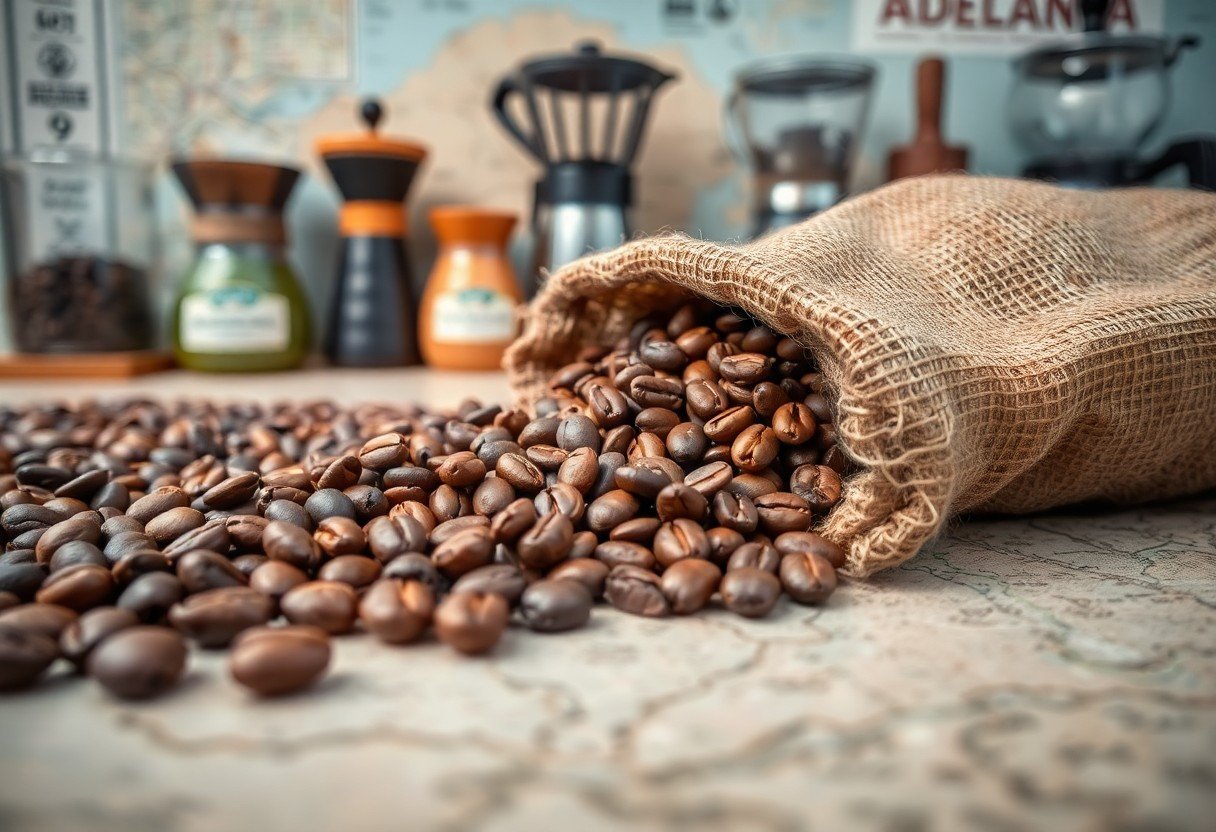
Your coffee preferences are evolving, influenced by factors such as sustainability, ethics, and quality. You may have noticed a rising demand for single-origin coffee that highlights distinct flavor profiles unique to specific regions. As consumers become more knowledgeable, there’s a shift towards understanding where your coffee comes from, with a preference for beans that tell a story, like those sourced from Adelaide’s local roasters. This trend not only enhances your coffee experience but also connects you to the broader community of coffee enthusiasts.
Additionally, the surge in interest surrounding direct trade practices means you actively seek out brands that promote transparency in their sourcing. You’re not just looking for a beverage; you’re investing in a product that aligns with your values. As global coffee culture shifts, your choices reflect a deeper appreciation for artisan methods and ethical sourcing, bringing local flavors to a global stage. For more insights, check out Fresh Roasted Coffee Matters: Specialty Coffee in Adelaide.
The Role of Education in Coffee Appreciation
Education plays a key role in developing your appreciation for coffee. Understanding brewing methods, bean origins, and flavor notes allows you to elevate your coffee experience. Many local roasters in Adelaide are now offering workshops and tasting sessions aimed at educating consumers like you about the nuances of coffee. This knowledge empowers you to make informed choices when selecting your beans, enhancing not only your palate but also your connection to the coffee community.
As you explore deeper into coffee culture, resources such as online courses and local meetups further enrich your understanding. By participating in these educational opportunities, you can explore various blends and brewing techniques, which can dramatically transform your daily coffee ritual.
Branding and Marketing Strategies
Effective branding and marketing strategies are pivotal in shaping your perception of coffee products. You might resonate with brands that emphasize their local roots, story, and commitment to quality. Strategies such as influencer collaborations and social media campaigns are also designed to draw you in by showcasing not just the product but the lifestyle and ethos surrounding it. As the market becomes increasingly competitive, brands that can communicate a genuine narrative tend to stand out in your eyes.
Additionally, you likely respond positively to visually appealing packaging that reflects the uniqueness of the coffee inside. Eye-catching designs and compelling backstories can enhance your buying experience and foster brand loyalty. Always look for brands that not only meet your taste preferences but also align with your values regarding sustainability and ethical sourcing.
Summing up
The provenance of Adelaide’s freshly roasted beans has the potential to significantly reshape global coffee culture online. As you explore this vibrant coffee scene, you will find that the unique stories behind each bean not only enhance your appreciation for the craft but also foster a deeper connection with coffee producers worldwide. By sharing these narratives through social media platforms, you engage with a community that values transparency, sustainable practices, and quality, empowering your choices as a consumer.
As you research into this fascinating transformation, consider the impact of accessing captivating content like Amazing News for Coffee Lovers ! A new study from the … on platforms like TikTok. This kind of exposure not only broadens your coffee knowledge but also encourages others to partake in this cultural shift. As you become more informed, your experiences can inspire others, forging a collective appreciation for the artistry intertwined with every cup of coffee you enjoy.
FAQ
Q: How does the provenance of Adelaide’s coffee beans influence consumer preferences?
A: The origin of coffee beans from Adelaide showcases unique flavors and qualities that consumers seek, enhancing interest in local and specialty coffees.
Q: In what ways can Adelaide’s coffee sourcing practices impact global sustainability efforts?
A: By prioritizing ethical sourcing and environmental stewardship, Adelaide can inspire other coffee-producing regions to adopt sustainable practices, potentially reshaping global industry standards.
Q: Can online platforms effectively promote the unique characteristics of Adelaide’s coffee beans?
A: Yes, social media and e-commerce can highlight Adelaide’s coffee culture, engaging consumers with storytelling and direct access to quality products, influencing global coffee trends.
Q: What role do local baristas play in showcasing Adelaide’s coffee heritage online?
A: Baristas are vital in educating consumers about the distinct flavors and brewing techniques of Adelaide coffee, sharing their knowledge through online content and connecting with a broader audience.
Q: How can collaborations with international coffee brands enhance Adelaide’s presence in the global coffee market?
A: Partnerships with well-known brands can amplify visibility, introduce Adelaide’s unique offerings to new markets, and foster cross-cultural exchange in coffee appreciation.