

Many consumers are making the switch to eco-friendly coffee capsules to reduce their environmental impact. As you explore your options, it’s crucial to consider various factors that contribute to the sustainability of these products. From the materials used in the capsules to their compostability and the ethical sourcing of coffee beans, your choices can significantly influence both the planet and your coffee experience. This guide will help you identify key features to look for, ensuring that your coffee habit aligns with your green values.

Navigating Material Choices: The Core of Eco-Friendly Capsules
Biodegradable vs. Compostable: Knowing the Difference
Understanding the terms biodegradable and compostable is important for making informed choices about coffee capsules. Biodegradable materials break down naturally over time, but the duration can vary significantly. Some may decompose in weeks, while others take years. On the other hand, compostable materials are a subset of biodegradable materials that break down into nutrient-rich soil within a specific time frame under ideal conditions, typically in a composting facility. Identifying the differences helps you determine the environmental impact of your coffee consumption.
To ensure you’re making an eco-conscious purchase, look for certifications like ASTM D6400 or EN 13432, which verify compostability. Products labeled with these standards have been tested and meet the necessary criteria for effective composting. Not all biodegradable products are created equal, so it’s wise to choose those that prioritize full decomposition without leaving harmful residues behind.
Recyclable Options: What to Look For
Choosing recyclable coffee capsules can significantly reduce your waste footprint if disposed of correctly. Many brands use plastics that are commonly accepted in curbside recycling programs, but not all designs make recycling straightforward. Check for the recycling symbols and the accompanying guidelines on the packaging. Some capsules require users to separate components, like lids or filters, to enhance recyclability. Additionally, certain manufacturers offer take-back programs, allowing you to return used capsules directly for responsible recycling.
Look for coffee capsules made from materials such as aluminum or specific plastics that are designed for easy recycling. Aluminum is frequently regarded as a sustainable option since it can be recycled repeatedly without quality loss. Research the recycling facilities in your area to confirm that they accept the materials used in your chosen capsules, as local regulations can vary widely. Understanding these recyclable options empowers you to minimize landfill waste while enjoying your favorite coffee.
The Coffee Debate: Sourcing and Sustainability
Fair Trade and Direct Trade: Understanding the Impact
Choosing Fair Trade coffee means supporting growers who receive fair compensation and operate under ethical standards. By purchasing Fair Trade-certified coffee capsules, you contribute to better living conditions for farmers and their communities. Studies show that Fair Trade initiatives have improved access to education and healthcare in coffee-producing regions, demonstrating the tangible benefits of ethical consumption. Ensure your coffee capsules display the Fair Trade logo to confirm your choice promotes sustainability and social justice.
Direct Trade, on the other hand, involves sourcing coffee directly from farmers, often without the intermediary of large trading companies. This model allows roasters to establish relationships with growers, ensuring quality and supporting fair pricing. As you explore this option, look for roasters who emphasize transparency and traceability in their sourcing practices. This approach not only fosters better social and economic conditions for farmers but also enhances the quality of the coffee you consume.
Single Origin vs. Blend: Flavor and Environmental Considerations
Single origin coffee originates from a specific region or farm, highlighting unique flavor profiles that reflect the local climate and soil. Sourcing from a single location can promote sustainability by supporting local economies and reducing transportation emissions. Conversely, blends combine beans from multiple regions, resulting in more consistent flavors but potentially diluting the environmental benefits associated with specific origins. Evaluating your capsules for single origin or blends can inform choices that align with both your taste preferences and environmental impact.
Opting for single origin often leads to discovering exceptional flavors that tell a story about the land from which they come. For instance, coffees from Ethiopia may offer vibrant berry notes, while those from Colombia might present a rich, chocolatey profile. Supporting single origin coffees fosters a connection to the growers and their practices, reinforcing your role in sustainable consumption. In contrast, blends can mask unique characteristics but allow for year-round availability, making them a practical option for many coffee lovers. Balancing flavor and environmental goals informs your decisions when selecting coffee capsules.
Assessing Brand Transparency: Marketing vs. Reality
Many coffee capsule brands tout their eco-friendly credentials, but the actual practices behind those claims can vary significantly. It’s imperative to look beyond marketing jargon and investigate the reality of a brand’s sustainability efforts. Carefully written marketing materials may emphasize one aspect of a product while glossing over other important details. Evaluating a brand’s transparency involves scrutinizing their supply chain, sourcing practices, and ingredient lists. You can often gain insights by reading reviews or reaching out to the company for specifics. Transparency goes hand-in-hand with trust, and you’ll want to ensure that brands back their claims with concrete actions rather than just appealing language.
Investigating brand transparency also means looking for third-party evaluations or independent assessments that validate eco-friendly claims. Some brands are willing to share their sustainability reports or even environmental impact assessments, which provide a clearer picture of their practices. Engaging directly with brands through social media or customer service can also reveal how committed they are to ethical practices. Ultimately, making informed choices relies on understanding what’s behind those appealing green labels and marketing claims.
Certifications That Matter: What to Trust
Certifications can be a reliable way to gauge a coffee capsule’s eco-friendliness. Look for labels from reputable organizations, such as the Forest Stewardship Council (FSC) for paper materials or the Home Composting Certification from BPI for compostable capsules. These certifications indicate adherence to specific environmental standards, giving you more confidence in your purchasing decisions. The presence of these certifications often means that independent bodies have verified a brand’s sustainability claims, making them more trustworthy against just marketing language.
Beyond traditional certifications, consider brands that participate in the Fair Trade or Rainforest Alliance programs. These initiatives ensure ethical sourcing, better treatment of workers, and more sustainable farming practices. It’s beneficial to research the impact of these certifications and assess their relevance to your values. A capsule that’s both certified compostable and ethically sourced aligns with a more holistic approach to sustainability in coffee consumption.
Company Ethics: Investigating Eco-Friendly Commitments
Delving into a company’s ethics provides a better understanding of its genuine commitment to sustainability. Research whether the brand actively engages in initiatives beyond just selling products. For instance, some companies participate in reforestation projects, support local farmers, or even run campaigns to reduce plastic waste. Brands that are truly dedicated to eco-friendly practices are often involved in broader community efforts and advocate for environmental awareness. Checking their websites for sustainability missions, partnership initiatives, and social responsibility programs can offer deeper insights into their ethical framework.
Understanding a company’s ethics also includes assessing their long-term goals and progress. Look for companies that report their environmental impact transparently and set measurable targets for improvement. Some brands publish annual sustainability reports detailing their carbon footprint, sourcing practices, and community contributions. This level of accountability not only showcases their dedication but also allows you to hold them to their commitments if you choose to support them with your business. Engaging with a brand that actively seeks to improve its practices reflects your own values and commitment to a greener planet.
Seasoned User Tips: Making the Switch to Green
Transitioning to eco-friendly coffee capsules involves a blend of understanding product labels and changing your brewing routine. Look for certifications like compostable or biodegradable claims on packaging, ensuring these products meet environmental standards. Pay attention to brands that prioritize ethically sourced beans, as this ties directly to sustainability. Engaging with community recommendations through forums or local coffee groups can also provide valuable insights.
- Experiment with different brands to find your preferred taste.
- Prioritize compostable capsules for minimal environmental impact.
- Check for freshness dates to ensure optimum flavor.
- Read online reviews to gauge experience from other users.
- Participate in sustainable coffee challenges or subscribe to eco-focused newsletters.
Thou will soon find that adapting your routine enhances not just your coffee experience, but also your environmental impact.
Evaluating Brew Quality: Taste Without Compromise
Achieving the perfect cup shouldn’t diminish with the switch to eco-friendly options. Many brands prioritize flavor development alongside sustainability, creating capsules that maintain the richness and complexity of traditional brewing methods. Seek out capsules with gourmet blends or single-origin beans that promise a similar taste profile to your previous favorites. Tasting sessions with friends can be both enjoyable and revealing, guiding you toward the best options.
Your palate deserves consideration; therefore, check reviews and details about roast levels and flavor notes. High-quality eco-friendly coffee should not compromise on the aromatic experience. Engage with roasters that focus on small batches, as these often emphasize flavor while adhering to sustainable practices, ensuring a satisfying brew without guilt.
Storage and Usage: Prolonging Capsule Life
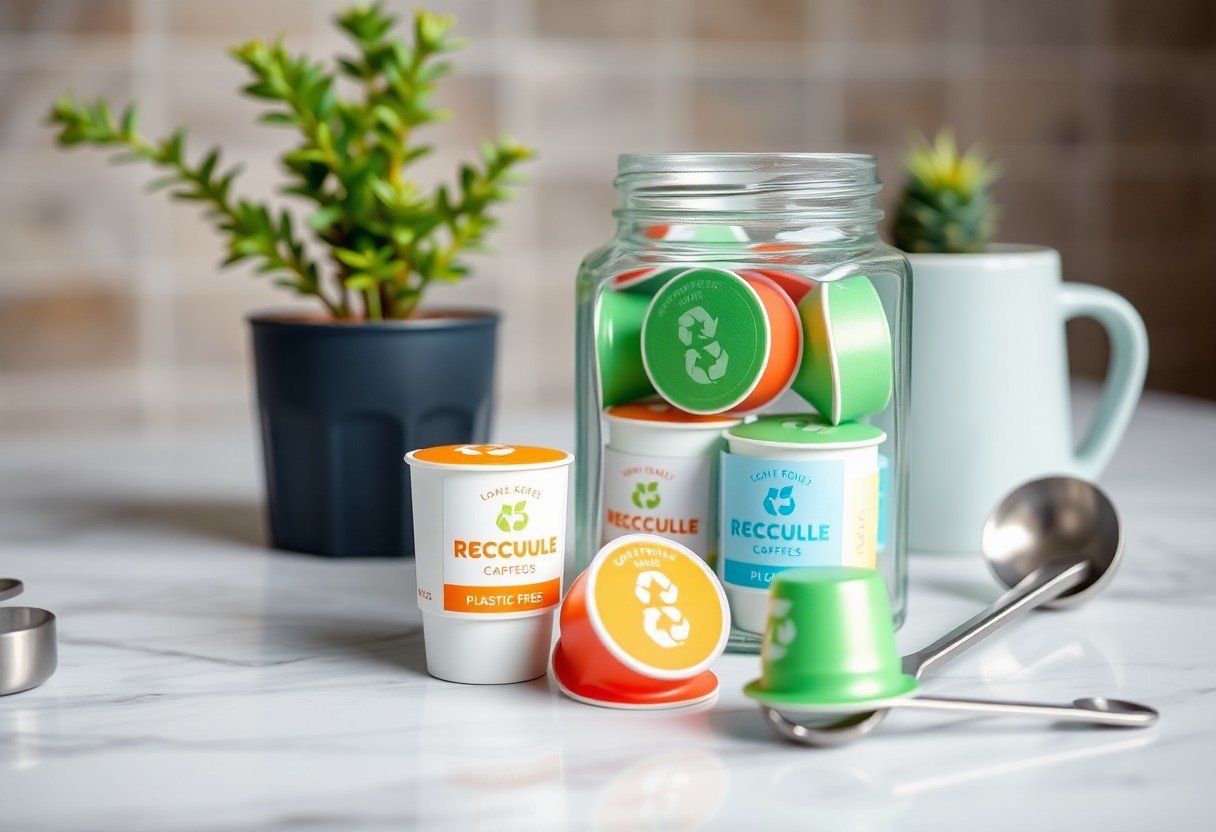
Proper storage of eco-friendly coffee capsules can significantly enhance their freshness. Keeping them in a cool, dry place away from direct sunlight is important for retaining flavor integrity. Avoid stacking capsules too closely together, as this could lead to moisture absorption and spoilage. Air-tight containers can prolong their life, protecting them from environmental factors.
Consider using a dedicated coffee cap holder that allows for airflow and prevents light exposure. If you frequently rotate between flavors, label your storage container to easily identify which blends are available. A well-maintained coffee capsule collection can allow you to enjoy aromatic brews without risk of loss in quality. With attention to storage practices, thou may savor every cup to the fullest extent.
The Bigger Picture: Consumer Impact and Responsibility
Your choices as a consumer can drive significant change in the coffee industry. The demand for eco-friendly products influences manufacturers to adopt sustainable practices, leading to a more sustainable supply chain. By selecting environmentally friendly coffee capsules, you not only reduce waste but also encourage brands to prioritize sustainability. For more insights, explore 10 things to think about when buying coffee to make informed decisions that reflect your commitment to a greener lifestyle.
Every purchase you make sends a message about the kind of practices you value. From sourcing methods to packaging, paying attention to the environmental impact of your coffee can contribute to a larger movement towards sustainability. Brands that focus on ethical sourcing and minimalistic packaging will better resonate with conscious consumers like you.
Voting with Your Wallet: Supporting Sustainable Practices
Educating Others: Spreading Awareness in Your Community
Summing up
Taking this into account, when you decide to switch to eco-friendly coffee capsules, evaluate the materials utilized in their production. Look for options made from biodegradable or compostable materials, as these will minimize your environmental impact. Additionally, consider brands that prioritize sustainable sourcing of their coffee beans and offer transparency regarding their supply chain practices, ensuring that your choices align with your values.
Moreover, assess the certifications and eco-labels on the packaging, as these can guide you toward reputable products that meet environmental standards. Your commitment to sustainability can influence the market, encouraging more companies to adopt eco-friendly practices. By making informed choices about your coffee capsule purchases, you contribute to a greener planet while still enjoying your daily brew.
FAQ
Q: What are eco-friendly coffee capsules?
A: Eco-friendly coffee capsules are designed to minimize environmental impact. They are often made from biodegradable materials, compostable substances, or recyclable components, allowing for easier disposal and reduced landfill contribution.
Q: How can I identify eco-friendly coffee capsules?
A: Look for certifications such as compostable, biodegradable, or recyclable labels on the packaging. Research the brand’s commitment to sustainability and check if they provide information about their materials and production practices.
Q: Do eco-friendly coffee capsules affect the taste of coffee?
A: Most eco-friendly capsules aim to maintain the freshness and flavor of the coffee inside. However, individual preferences vary. It is advisable to try different brands to find one that meets taste expectations while adhering to eco-friendly standards.
Q: Are there any significant price differences between regular and eco-friendly coffee capsules?
A: Eco-friendly coffee capsules may be slightly more expensive due to sustainable sourcing and production processes. However, the price difference varies by brand and can be offset by the environmental benefits associated with their use.
Q: How should I dispose of eco-friendly coffee capsules?
A: Disposal methods depend on the specific product. Compostable capsules can generally be added to compost bins, while recyclable capsules should be placed in the appropriate recycling containers. Always check the packaging for disposal instructions.