
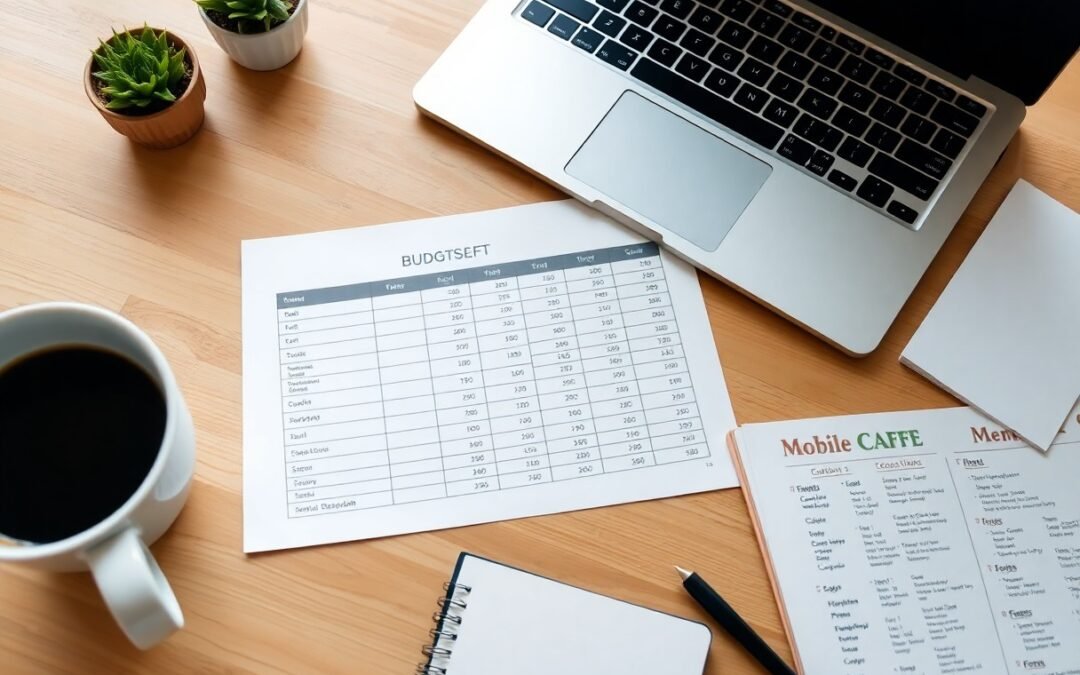
Just understanding how to effectively finance your mobile cafe can be the key to your success. You need a solid budget plan that covers all aspects of your business, from equipment to operational costs. This guide will walk you through crucial budgeting strategies to ensure your mobile cafe thrives. For comprehensive insights, check out this Coffee Shop Financial Plan: Budgeting for Cafeteria Success to enhance your financial planning skills.
The Foundation of Financial Success
Assessing Startup Costs: What You Need to Know
Drafting a comprehensive list of startup costs is vital for your mobile cafe. Key expenses include the equipment needed for food preparation and service, which can range from a high-quality espresso machine to food storage units. Licensing and permits also add to the financial load; obtaining the necessary health permits and food licenses can cost anywhere from a few hundred to several thousand dollars depending on your location. Additionally, vehicle procurement, whether you opt for a retrofitted van or a custom-built coffee truck, represents a significant investment, often exceeding $20,000.
Don’t overlook costs associated with branding and marketing. Investing in a strong logo, signage, and initial promotional materials will enhance your visibility and attract customers. Allocate funds for initial inventory—coffee beans, milk, pastries, and other supplies that can lead to early revenue streams. Conducting a thorough analysis of these variables allows you to build a realistic budget that encompasses all the different facets of starting your business.
Creating a Realistic Cash Flow Projection
Constructing a solid cash flow projection involves estimating your revenue and expenses based on research and market trends. Assess typical sales you expect during various days of the week or through different seasons. Consider factors such as location, target market, and competition to provide a detailed perspective on expected income. Forecast startup expenses on a monthly basis, allowing for both fixed costs, like insurance and utilities, and variable expenses, including coffee supplies and labor.
Establishing a cash flow projection not only allows you to anticipate financial shortfalls but also helps in maintaining a buffer for unexpected situations. For instance, if you expect to earn $5,000 in revenue during your peak month but anticipate expenses of $4,000, your projections reveal a healthy profit margin. Integrating a margin for error supports sound business decisions and prepares you for fluctuations in market demand.
Crafting a Strategic Budget
Allocating Funds for Necessary Expenses
Begin by identifying all important costs associated with operating your mobile cafe. This includes vehicle expenses, permits, supplies, equipment, and inventory. Create a detailed list that covers both one-time start-up costs and ongoing expenses, such as maintenance and utilities. For example, if the average cost of a quality food truck is between $20,000 to $100,000, assess your budget to see how much you can allocate towards this major expense while ensuring you have sufficient funds for operational costs. Aim to allocate at least 30-40% of your total budget to necessary expenses to ensure smooth operations.
Next, prioritize spending based on what is absolutely necessary to get your mobile cafe running. If you identify lower-cost equipment options that can still serve your needs effectively, consider those to free up funds for other critical areas. Having a clear understanding of your necessary expenses will not only help in budget management but also in avoiding unexpected financial strain down the line.
Setting Aside Resources for Marketing and Promotion
Allocate a specific portion of your budget to marketing and promotional activities right from the start. Marketing efforts can significantly impact the visibility and reach of your mobile cafe, with studies showing that businesses with a solid marketing strategy see an average revenue growth of 20%. Consider utilizing social media advertising, local events, community sponsorships, and partnerships with other businesses to maximize your outreach. Set aside at least 10-15% of your overall budget for these efforts, ensuring you get your brand and offerings in front of potential customers.
In addition to traditional marketing, create a budget for promotional materials such as flyers, business cards, and branded merchandise. Engaging your community through local events or farmers’ markets can also provide valuable exposure, so consider integrating those costs into your marketing strategy. Building a strong brand presence early on will not only attract customers but also create lasting loyalty.
Revenue Streams: Diversification Strategies
Expanding Beyond Coffee: Menu Item Ideas
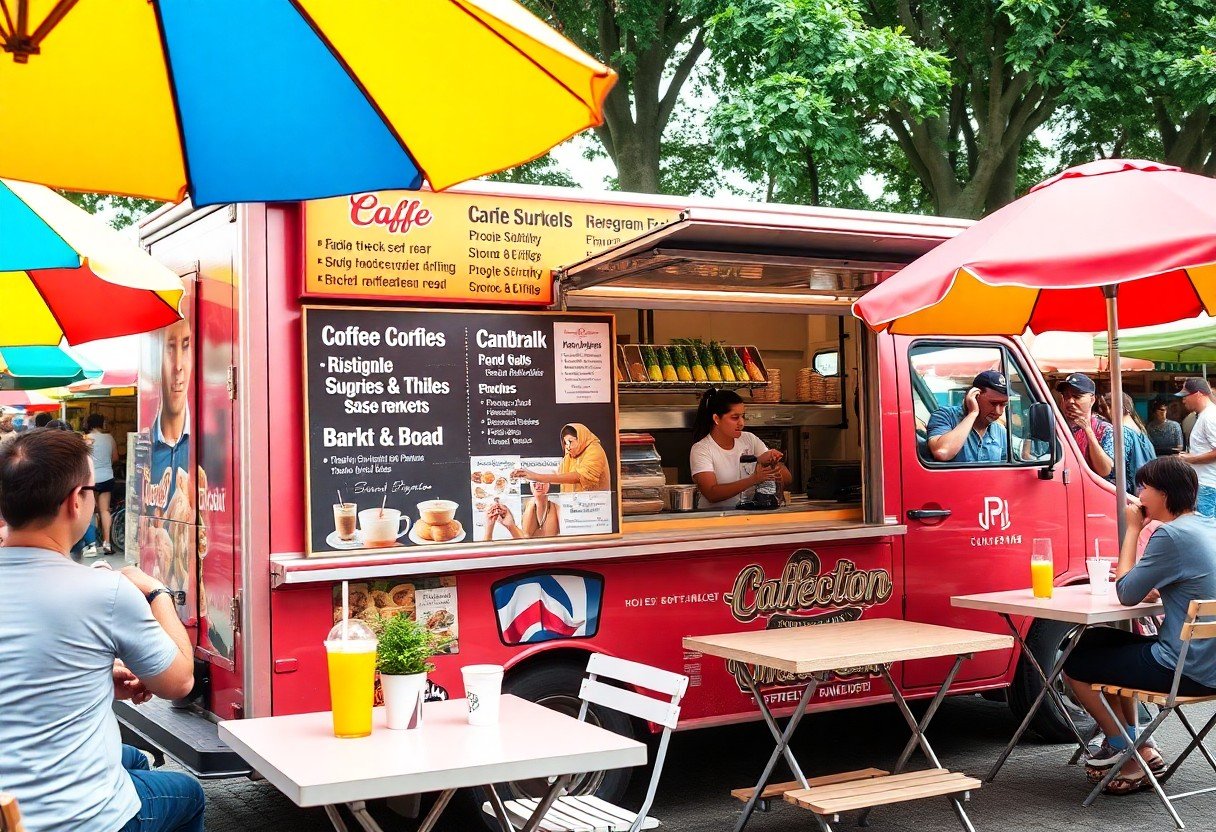
Incorporating a variety of menu items beyond traditional coffee can significantly boost your mobile cafe’s revenue. Start by offering complementary beverages such as fresh smoothies, artisanal teas, or specialty sodas. You could also introduce light bites like gourmet pastries, sandwiches, or health-conscious snacks that cater to different dietary preferences, including vegan and gluten-free options. Seasonal items, such as pumpkin spice lattes in the fall or iced coffees in the summer, can attract a wider audience and encourage repeat visits.
You might also consider collaborating with local bakers or food producers to feature their goods on your menu, which creates a sense of community and supports local businesses. Seasonal and themed offerings, such as holiday-inspired treats or limited-time flavors, can create buzz and encourage customers to try something new. Consistently refreshing your offerings keeps your menu exciting and can lead to higher overall sales.
Partnering with Local Events for Increased Exposure
Aligning your mobile cafe with local events can serve as a powerful marketing strategy that enhances visibility and drives sales. Identify local fairs, festivals, farmers’ markets, or community-driven events where you can set up your cafe. Events that draw large crowds will not only increase your customer base but also provide a platform for networking with potential partners and collaborators. Having a presence at these gatherings allows you to showcase your offerings to a captive audience who may not have discovered your cafe otherwise.
Furthermore, you can negotiate partnerships with event organizers to establish yourself as the go-to coffee vendor for future events. Tailoring your menu to fit the event’s theme or providing exclusive offerings during special occasions can make your cafe a preferred choice. This strategy not only raises your profile but also builds goodwill within the community, ensuring continued support for your business.
Participation in local events can also create opportunities for cross-promotion with other vendors, enhancing reach and customer engagement. Engaging with attendees through promotions or loyalty programs can further solidify your cafe’s presence in the market, driving repeat business while establishing long-lasting community connections.
Navigating Funding Options
Evaluating Loans, Grants, and Alternative Financing
Explore various financing avenues tailored to your mobile cafe business. Traditional bank loans often come with competitive interest rates, though the application process is typically rigorous, requiring detailed financial forecasts and a solid business plan. Alternatively, small business grants can provide non-repayable funds, but these opportunities are competitive and might have specific eligibility criteria related to social impact or innovation. Research local and federal grant options to identify which align with your business goals.
Consider alternative financing methods such as peer-to-peer lending or crowdfunding platforms. These options allow you to bypass traditional lenders, often with a simpler application process. For instance, a successful crowdfunding campaign not only provides funding but also builds a community around your brand, creating early customers and advocates. Evaluate each option based on interest rates, repayment terms, and the potential impact on your cash flow.
Pitching to Investors: What They Want to See
Investors seek well-structured pitches that highlight a clear value proposition and market demand for your mobile cafe. They expect to see comprehensive financial projections, demonstrating how funds will be utilized to grow the business and ultimately generate profit. An effective pitch should also include a detailed marketing strategy and a clear understanding of your target demographic.
Your passion for the mobile cafe concept must shine through your presentation. Investors are drawn not only to numbers but also to the story behind your business. Personal experiences or insights that led you to create your cafe can resonate deeply, making your pitch memorable. Having a prototype or samples can also enhance your presentation, showcasing the quality of your offerings. Providing tangible evidence of demand through pre-orders or existing customer testimonials may significantly elevate your attractiveness to potential investors.
Managing Financial Risks
Building an Emergency Fund: Why It Matters
An emergency fund acts as a financial safety net for your mobile cafe, ensuring you can cover unexpected expenses without derailing your operations. Aim to set aside at least three to six months’ worth of operating costs; this could range from equipment repairs to sudden increases in ingredient prices. For example, if your monthly expenses total $2,000, target an emergency fund of $6,000 to $12,000. Having this cushion allows you to react nimbly to challenges, maintaining your business’s stability.
Depleting your cash reserves during tough times can lead to debt accumulation or even business closure. By prioritizing your emergency fund during your budget planning, you not only safeguard against risks but also build confidence in your financial decisions. Long-term planning will ultimately empower you to invest safely in growth opportunities without compromising your security.
Monitoring and Adjusting Your Budget Regularly
Staying proactive with your budget can also alert you to potential cash flow issues before they escalate. If you notice declining revenue or increasing costs as a consistent trend, it’s time to explore solutions such as promotional strategies, tweaking your menu, or negotiating better deals with suppliers. The key is to remain agile and informed, allowing your mobile cafe to navigate challenges smoothly.
Utilize financial software or apps to track your expenses in real time, generating automated reports to gauge progress against your goals. Implementing these tools simplifies monitoring and highlights areas needing attention, ensuring you’re always a step ahead in managing your finances. Adapting your budget as necessary not only enhances sustainability but also positions your mobile cafe for long-term success.
Final Words
Presently, financing a thriving mobile cafe requires meticulous planning and a solid understanding of your budget. By accurately estimating your startup costs, including equipment, permits, and inventory, you can create a financial roadmap that guides your business decisions. It’s important to monitor your expenses regularly and adjust your budget as needed to ensure profitability and sustainability. Utilizing tools such as financial software can help you keep track of your finances and provide valuable insights into your performance.
Furthermore, exploring multiple funding sources can enhance your financial flexibility. Consider options like personal savings, small business loans, or crowdfunding to support your initial investments and ongoing operations. By proactively planning your finances, you can build a successful mobile cafe that not only meets your personal ambitions but also delights your customers, creating a lasting impression in your community.
FAQ
Q: What is the first step in budgeting for a mobile cafe?
A: The first step is to calculate your startup costs, including equipment, inventory, permits, and vehicle expenses. This will help you understand the initial investment needed.
Q: How can I estimate my monthly operating expenses?
A: To estimate monthly operating expenses, consider costs like fuel, maintenance, insurance, ingredients, labor, and marketing. Keep track of these expenses for a clear picture of your monthly budget.
Q: What financing options are available for starting a mobile cafe?
A: Financing options include personal savings, bank loans, credit unions, crowdfunding, or investors. Research each option to find the best fit for your financial situation.
Q: How do I determine pricing for my menu items?
A: Calculate the cost of ingredients, overhead, and desired profit margin for each menu item. Analyze competitors’ pricing to ensure you remain competitive while covering your costs.
Q: What tools can assist in managing my mobile cafe budget?
A: Utilize budgeting software, spreadsheets, or mobile apps designed for small businesses. These tools can help track expenditures, sales, and profitability to keep finances organized.