

It’s time to explore the rich and complex flavors found in single-origin brews, particularly the unique umami notes that can elevate your coffee experience. Understanding these distinct flavor profiles enhances your appreciation for the artistry behind each cup. As you explore into various origins, you’ll discover how factors like climate, soil, and processing methods contribute to the umami taste, providing a deeper connection to your favorite brews and enriching your daily rituals.
Unveiling Umami: The Fifth Taste
Umami, often referred to as the fifth taste, adds depth and complexity to your palate. This savory flavor is typically associated with foods rich in glutamate, inosinate, and guanylate. You may experience umami in ingredients like mushrooms, tomatoes, and aged cheeses. Understanding how to identify umami in your beverages can elevate your tasting experience, allowing you to appreciate the subtleties unique to single-origin brews.
The Science of Umami and Its Flavor Profile
Umami is characterized by its savory, mouth-filling essence, often attributed to amino acids like glutamate. Your taste buds perceive this flavor through specific receptors that respond differently than those for sweet, sour, bitter, and salty. This interaction creates a uniquely pleasurable sensation, enhancing the overall flavor profile of beverages. You might find umami not only in culinary dishes but also subtly in certain coffee and tea varieties, providing depth and richness to each sip.
The Role of Umami in Enhancing Beverage Experiences
Incorporating umami into your beverage experiences dramatically enhances your enjoyment. Single-origin coffees, for example, often carry a range of umami characteristics, lending a lasting finish that complements other complex flavors. This depth not only creates richness but also balances acidity, making your drinking experience more harmonious. When you’re attentive to these flavors, your appreciation for quality brews increases, transforming the act of drinking into a layered journey of taste.
Delving deeper into the role of umami can reveal how it elevates your beverage enjoyment. In coffee, umami notes can convey a creamy mouthfeel, enriching the overall sensory experience. You may find that your favorite single-origin brew from Ethiopia or Colombia carries umami undertones, enhancing its natural sweetness and fruitiness. This subtle savory quality allows competing flavors to coexist without clashing, making every sip more inviting and intriguing. For tea enthusiasts, certain oolongs or matcha provide distinct umami characteristics that can completely change your perception of flavor, pushing your tasting experience to new heights.
The Journey of Single-Origin Brews
Your journey into the world of single-origin brews unfolds a tapestry of unique flavors, aromas, and histories rooted in their specific geographical origin. Each sip transports you to coffee farms nestled in remote highlands or vibrant plantations bordered by lush landscapes. This exploration reveals not just a drink, but a narrative of the land, the climate, and the people dedicated to cultivating exceptional beans. As you probe deeper, understanding the nuances of single-origin brews becomes an adventure that enhances your overall appreciation of coffee.
Defining Single-Origin: More Than Just a Label
Single-origin coffee transcends merely being a label; it represents a commitment to traceability and quality. When you enjoy a single-origin brew, you’re savoring beans sourced from a specific region, often a single farm or cooperative, which carries distinct flavor profiles shaped by local practices and environmental conditions. This relationship between the land and the bean enriches your coffee experience, allowing you to taste the unique attributes influenced by factors like soil composition, altitude, and climate.
Exploring Regional Terroir and Its Contribution to Flavor
Your understanding of coffee transforms when you explore the concept of terroir, which encompasses the environmental factors that affect a coffee plant’s growth. This includes soil quality, altitude, and microclimate. Each origin yields beans with distinct characteristics; for instance, Ethiopian coffees often showcase floral and fruity notes due to high altitudes and unique processing methods, whereas Guatemalan varieties present a rich, chocolatey profile influenced by volcanic soil. Such diversity highlights how place significantly shapes the flavors you enjoy in your cup.
Savoring Umami: Brewing Techniques to Elevate Taste
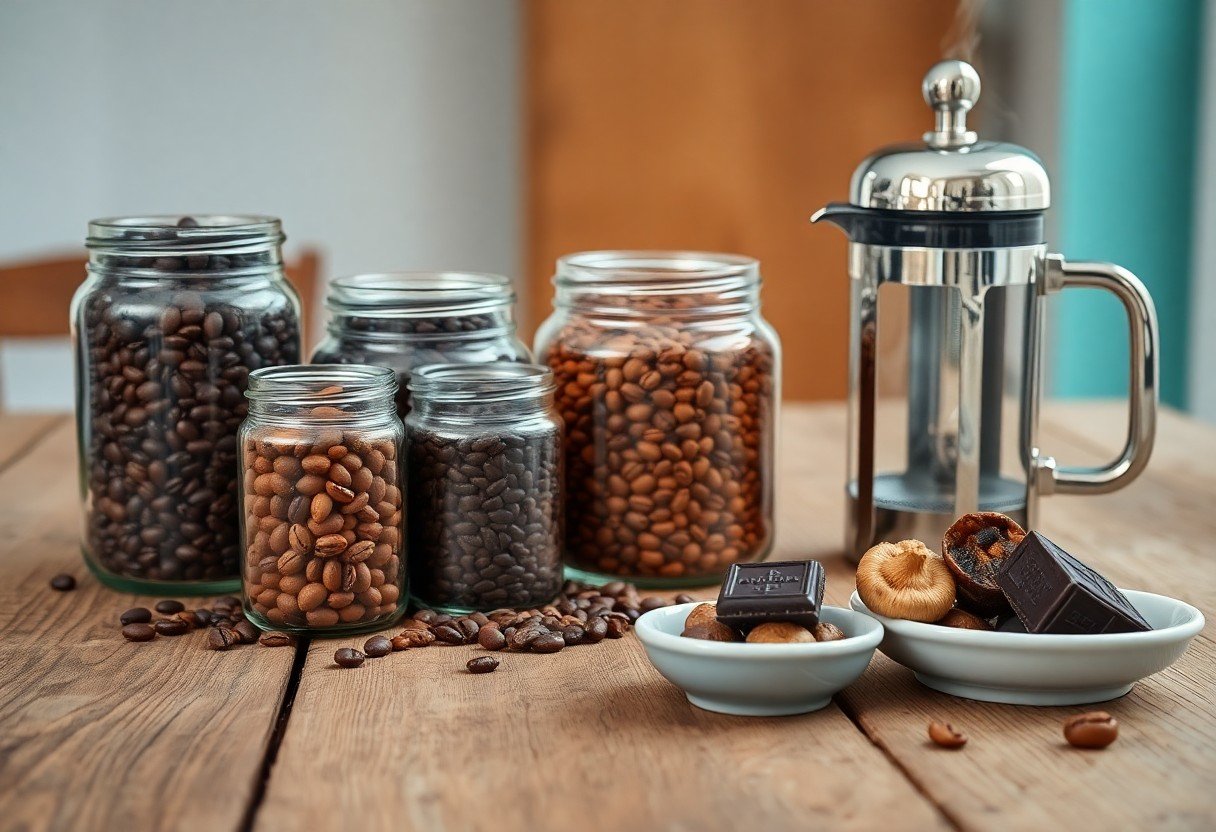
Exploring umami in single-origin brews transforms your brewing experience. Specific techniques can enhance that savory depth, allowing you to appreciate the intricate flavor profiles inherent in each origin. Focus on key variables such as extraction methods and brewing precision, which play significant roles in unveiling the hidden umami characteristics in your coffee.
Extraction Methods: Unlocking Depth in Flavor
Extraction methods greatly influence flavor intensity, providing various experiences with single-origin brews. Techniques like pour-over, French press, and espresso each interact differently with flavor compounds, unlocking distinct umami notes. Understanding these methods allows you to tailor your brew, maximizing the delightful, savory elements from each origin.
Temperature and Time: Precision Brewing for Umami
Temperature and brewing time are imperative for optimizing umami extraction. Ideal brewing temperatures range between 195°F to 205°F, with steep times varying based on the method used. A precise balance ensures the extraction of rich, savory flavors without over-extraction, which can lead to bitterness, allowing you to enjoy the nuanced umami profile fully.
Temperature and Time Details
| Brewing Method | Ideal Temperature & Time |
| Pour-Over | 195°F, 3-4 minutes |
| French Press | 200°F, 4 minutes |
| Espresso | 200°F, 25-30 seconds |
Using the right temperature and timing in your brewing process can dramatically affect the umami extraction. For instance, using water that exceeds 205°F can lead to a burned taste, masking the delicate umami notes. Conversely, brewing at lower temperatures might not extract the full spectrum of flavors. By honing in on these settings, you can discover a remarkably rich and savory experience in your single-origin brews.
The Palate Adventure: Pairings that Enhance Umami
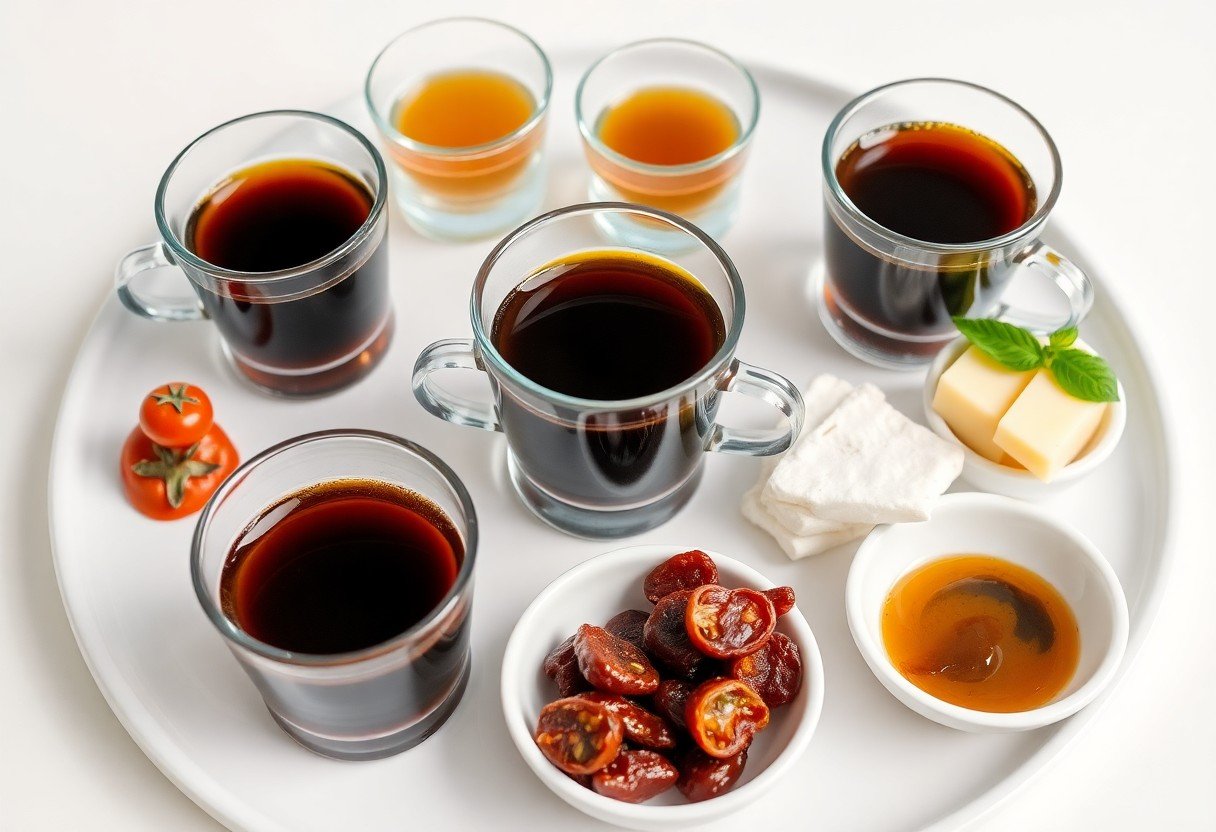
Enhancing umami in single-origin brews is an exploration that invites delightful pairing possibilities. The right foods can lift the inherent flavors, creating a symphony on your palate. Consider charcuterie boards rich with aged cheeses, or savory dishes like mushrooms sautéed in garlic, which can accentuate the deep, complex notes found in these coffees. Experimenting with regional cuisine paired with your brew can significantly elevate the tasting experience, revealing layers of flavor you may have overlooked.
Food Pairings That Complement Single-Origin Brews
When considering food pairings, certain flavors resonate harmoniously with single-origin brews. Rich, roasted meats such as duck or venison bring out the earthy tones, while umami-rich ingredients like soy sauce or miso can reinforce the brew’s depth. Additionally, dark chocolate or caramel desserts may create a delightful contrast, enhancing the lingering finish of your coffee. Each bite offers a new dimension, inviting you to savor the intricate profiles unique to your brew.
Crafting Your Taste Experience with Diverse Flavors
The journey to craft your taste experience revolves around the careful selection of flavors that interplay beautifully with the umami characteristics of single-origin brews. Curating a tasting menu that includes diverse flavors—from spicy dishes to sweet treats—allows your palate to explore a wide spectrum. For instance, pairing a fruity Ethiopian coffee with spicy Moroccan lamb can elicit surprising notes of sweetness and spice, showing how contrasting flavors can harmonize. Invest time in experimentation, noting how each pairing affects your perception, leading to a deeper appreciation of the complexities within your brew.
The Future of Single-Origin Brews: Trends and Innovations
Single-origin brews are evolving with a focus on flavor diversity and consumer preferences. You’ll see an increasing variety of origins as producers celebrate lesser-known regions alongside the usual coffee powerhouses. Expect a rise in unique processing methods that highlight regional traits, ensuring each cup tells a more compelling story. Artisanal roasters are also adopting collaborations with farmers to discern new flavor profiles, aligning quality with traceability to appeal to informed consumers who seek authentic experiences.
Sustainability in Sourcing and its Impact on Flavor
Sustainable sourcing practices are increasingly influencing the flavor profiles of single-origin brews. By prioritizing environmentally friendly farming techniques, farmers enhance the biodiversity of their crops, which directly impacts taste. You’ll find that beans grown in harmonious ecosystems often carry more complex flavor notes, making each sip a sensory delight. This shift not only benefits the earth but enriches your coffee experience with deeper, more pronounced flavors.
Technological Advances that Shape the Brewing Landscape
Emerging technologies are redefining how you experience single-origin brews. Advancements like precision fermentation and AI-driven roasting profiles allow for greater consistency and the exploration of new flavors from exotic beans. Smart brewing equipment is now offering temperature control and extraction optimization, ensuring that every cup showcases the unique characteristics of its origin. This innovative approach fosters a deeper connection between you and the craft of brewing.
Precision fermentation, for example, utilizes specific yeast strains to accentuate desired flavor compounds found in the beans. Leading roasters are utilizing AI analytics to tailor roasting times and temperatures, optimizing extraction for individual bean types. The result is a brew that not only reflects the unique terroir but is also consistently high-quality. Meanwhile, smart brewing devices track variables like water temperature and brew time, allowing you to replicate perfect cups at home. As these technologies advance, your journey into the world of single-origin brews becomes more personalized, showcasing a remarkable diversity in flavor profiles.
To wrap up
With this in mind, exploring single-origin brews invites you to discover the unique umami flavors that characterize each cup. These distinct brews offer more than just caffeine; they provide a sensory experience that can elevate your appreciation for coffee. By taking the time to savor these hidden nuances, you enhance your overall tasting journey and deepen your understanding of the rich complexities that coffee can offer. Embrace the adventure of your single-origin exploration and let each sip reveal the subtleties that await.
FAQ
Q: What is umami, and why is it important in single-origin brews?
A: Umami is one of the five basic tastes, characterized by a savory flavor. In single-origin brews, umami enhances the complexity and depth of the coffee, leading to a richer tasting experience.
Q: How can I identify the umami flavor in single-origin coffee?
A: To identify umami, focus on the taste profile while sipping. Look for a savory, broth-like quality that often complements other flavors like sweetness and acidity in the brew.
Q: Are there specific origins known for stronger umami flavors in their coffee?
A: Yes, regions such as Japan and certain areas in Ethiopia and Colombia are known for producing beans with notable umami profiles, often enhanced by specific growing conditions and processing methods.
Q: What brewing methods best highlight umami in coffee?
A: Methods like pour-over, siphon, and French press tend to extract flavors more evenly, bringing out the umami characteristics in single-origin brews compared to faster brewing methods.
Q: Can the umami flavor in coffee be affected by freshness?
A: Absolutely. Freshly roasted coffee tends to retain more flavor compounds, including umami, which diminish over time as the coffee ages. Using freshly roasted beans enhances the overall tasting experience.