

Just as a fine wine captivates the palate, artisan coffee can transport you to far-off regions through its diverse flavor profiles. In this guide, you’ll learn how to appreciate the nuances of various beans, brewing methods, and tasting techniques, enabling you to unlock the full potential of your coffee experience. By understanding the elements that contribute to flavor, you’ll elevate your coffee routine and discover what makes each cup uniquely satisfying.
Dissecting the Flavor Wheel: A Tapestry of Tastes
The flavor wheel serves as a comprehensive guide to understanding the intricate profiles found in coffee. By breaking down tastes into categories like fruity, nutty, and spicy, you can identify specific notes in each brew. This diverse range helps you articulate your preferences and discover which beans resonate with your palate. Observing the wheel allows you to explore combinations, enhancing the coffee tasting experience and enriching your understanding of various origins.
The Anatomy of Flavor Profiles
Flavor profiles consist of primary, secondary, and tertiary notes that define a coffee’s unique taste. Primary flavors are the most pronounced, often influenced by the bean’s origin, while secondary notes add complexity and depth, derived from processing methods and roasting techniques. Tertiary flavors emerge from the interaction between the primary and secondary characteristics, presenting intricate nuances that elevate the overall tasting experience. By dissecting these layers, you gain a deeper appreciation for each cup.
How to Read and Utilize the Flavor Wheel
To effectively read the flavor wheel, start by familiarizing yourself with its layout. Each segment represents different flavor categories, allowing you to pinpoint specific tastes in your coffee. As you taste, consider the aromas and flavors present, matching them to the corresponding sections on the wheel. Making notes of your observations will refine your palate over time, enabling you to make informed choices when selecting beans or blends that suit your taste preferences.
Utilizing the flavor wheel enhances your coffee journey, transforming each tasting into a learning experience. By consistently referencing the wheel, you’ll begin to recognize patterns within your preferences, which can guide future coffee purchases. Engage with coffee communities and share your findings, as discussing flavors can broaden your appreciation for coffee regions and roasting styles. With practice, you’ll develop a sophisticated palate, allowing you to enjoy the vast tapestry of artisan coffee flavors to the fullest.
The Art of Brewing: Extraction and Taste
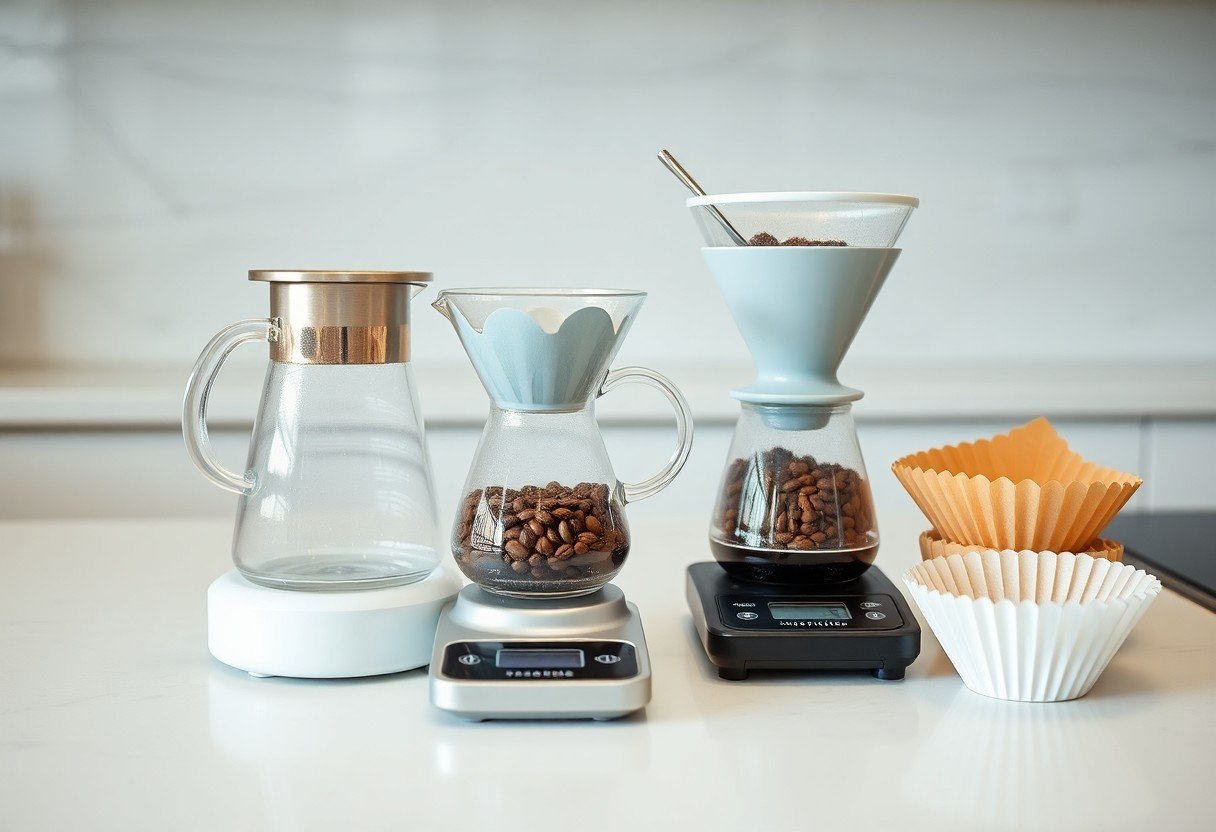
Mastering brewing techniques is important for extracting the full spectrum of flavors from your coffee beans. Understanding the balance between water temperature, brew time, and coffee grind size will significantly influence the taste profile of your cup. Each brewing method requires a different approach, allowing you to experiment with extraction rates that best highlight the unique characteristics of your favorite beans.
Variables that Influence Flavor Extraction
Several variables impact the extraction of coffee flavors, including water temperature, grind size, brew time, and water-to-coffee ratio. Higher temperatures often yield more bitter compounds, while finer grind sizes can increase extraction speed. Adjusting the steeping duration allows you to target specific flavor notes, transforming a coffee’s profile by highlighting acidity or fullness. Balancing these variables can elevate your coffee experience to unexpected heights.
Brewing Methods and Their Unique Flavor Outputs
Different brewing methods result in distinct flavor profiles due to variations in water contact time and extraction efficiency. Techniques like espresso produce a concentrated shot with rich crema, showcasing bold flavors, while pour-over methods allow for greater control over extraction, often highlighting delicate and nuanced notes. French press, on the other hand, delivers a fuller body due to its immersion brewing style.
Espresso machines use high pressure to force water through finely ground coffee, resulting in a thick, intense shot that emphasizes robust flavors and aromatic oils. Pour-over methods, such as V60 or Chemex, provide a more gradual extraction, allowing brighter acidity and floral notes to shine. French press brewing immerses the coffee for longer, extracting oils and solids that contribute to a heavy mouthfeel and complex flavors. Cold brew, with its prolonged steeping process, yields a smooth, less acidic beverage, highlighting chocolatey and nutty undertones. Each method not only alters the brewing conditions but also invites you to discover and enjoy a spectrum of taste experiences.
Sourcing the Bean: Origins, Varieties, and Their Impact
Your coffee’s flavor journey begins at its origin. Coffee beans are influenced by their geographic locations, including factors like climate, elevation, and soil composition. These elements contribute to distinct flavor profiles, with beans from Ethiopia often offering bright acidity and floral notes, while beans from Colombia tend to deliver a smoother, nutty flavor. Understanding where your coffee comes from can enhance your appreciation of each cup.
The Influence of Geographic Regions
Geographic regions create unique growing conditions that shape your coffee’s taste. High elevations in regions like the Ethiopian Highlands produce beans with complex acidity and vibrant flavors, whereas lower altitudes, like those found in Brazil, yield beans with a heavier body and chocolatey notes. Exploring different origins allows you to experience a diverse range of flavor experiences, reflecting each locale’s distinct characteristics.
Understanding Coffee Varieties and Their Flavor Characteristics
Familiarity with coffee varieties is crucial for discerning flavor nuances. Arabica, known for its sweet and complex profile, contrasts sharply with Robusta, which features a stronger, more bitter taste. Within Arabica, there are numerous cultivars, such as Typica and Bourbon, each bringing unique taste traits to your cup. Knowing these varieties empowers you to select coffees that align with your flavor preferences.
Arabica accounts for about 60-70% of global coffee production and is favored for its nuanced flavors and aromatic qualities. Varieties like Gesha exhibit delicate floral and herbal notes, while Caturra offers a bright, fruity profile. Robusta, on the other hand, is often used in espresso blends for its boldness and crema-enhancing properties. Understanding these distinctions not only enhances your tasting experience but also sharpens your selection process when seeking out new flavors to explore in your daily brew.
Tasting Techniques for True Coffee Appreciation
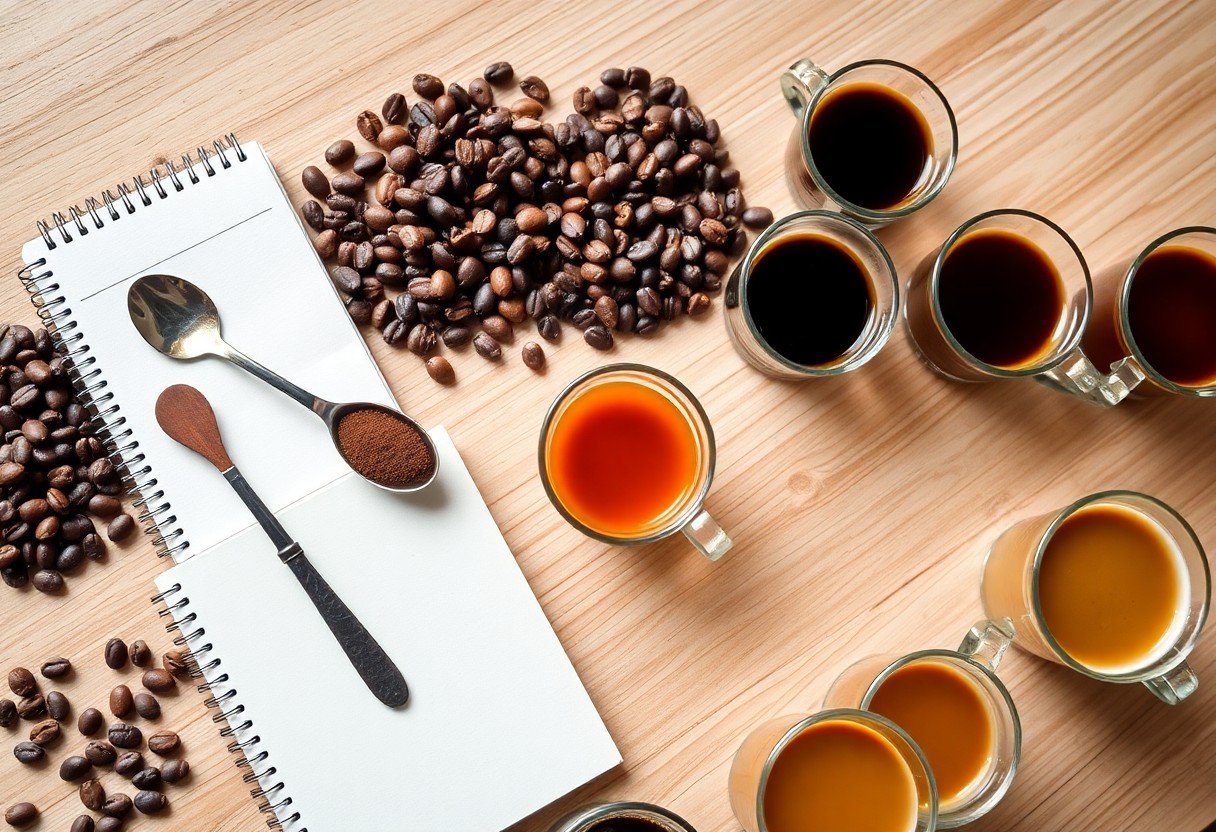
Exploring the depths of coffee flavor requires intentional technique. Engaging all your senses when tasting coffee allows you to discern various notes, aromas, and textures. Begin by observing the appearance of the coffee, noting its color and clarity, then proceed to inhale the aroma. Taste the coffee in small sips, letting it roll over your palate. Pay attention to the aftertaste, or “finish,” as it reveals more about the coffee’s complexity. Consistent practice will enhance your ability to identify distinct flavor profiles.
Developing Your Palate: Sensory Evaluation
Sensory evaluation is vital for refining your palate. Start by training your nose and tongue to identify specific tastes and aromas, such as chocolate, citrus, or floral. Engage with a variety of coffee beans, noting their unique characteristics. Keeping a tasting journal can help you track your observations and identify patterns in your preferences. The more you expose yourself to different flavors, the better equipped you’ll be to appreciate the subtleties of artisan coffee.
Conducting a Flavor Triangle Taste Test
The Flavor Triangle is a practical method to enhance your coffee tasting experience. This technique categorizes flavors into three core components: acidity, sweetness, and bitterness. By tasting different coffees and positioning their flavors within this triangle, you can develop a more nuanced understanding of how each element interacts. Choose three distinct coffees—one high in acidity, one emphasizing sweetness, and another showcasing bitterness. As you taste, reflect on where each flavor fits within the triangle, leading to a richer coffee appreciation.
To conduct your Flavor Triangle taste test, start by selecting coffees that exemplify each of the three flavor categories. Brew them using the same method to ensure consistency. As you sip each, think about the dominant flavor and how it aligns within the triangle. For instance, you might find that a bright Ethiopian coffee highlights acidity while a bold Colombian emphasizes sweetness. By mapping these flavors visually, you gain insight into how each component affects your overall experience, allowing for more informed selections in the future.
The Brewing Experiment: Crafting Your Signature Flavor
Experimenting with different brewing methods allows you to unlock unique flavors in each cup. By varying techniques such as pour-over, French press, or espresso, you’ll discover how each method influences acidity, sweetness, and body. Start by selecting your favorite beans and adjusting the grind size, water temperature, and brew time. This exploration can lead to a signature flavor that resonates with your taste buds and showcases the complexity of artisan coffee.
Keeping a Flavor Journal
Documenting your coffee experiences enhances your understanding of flavor nuances. Use a flavor journal to record details like the type of beans, brew method, grind size, and tasting notes. Over time, patterns may emerge that clarify which combinations yield your preferred flavors, helping you refine your brewing process and develop a deeper appreciation for the coffee spectrum.
Adjusting Variables to Create Unique Profiles
Tweaking variables such as water temperature, brew time, and coffee-to-water ratio allows you to mold flavor profiles that suit your preference. For example, experimenting with a higher brewing temperature might intensify the brightness in light roasts, while a longer extraction time can enhance the richness of dark roasts. By testing these elements, you can manipulate the cup’s acidity, sweetness, and bitterness to create a brew that aligns with your palate.
Adjusting variables can turn a good cup of coffee into a great one. For instance, if you find a particular bean too acidic, try lowering the water temperature or decreasing the brewing time to achieve a smoother taste. Alternatively, if a coffee lacks body, adjusting the grind size to a coarser texture and increasing the coffee-to-water ratio will enhance its richness. This iterative approach leads to a more customized experience, allowing you to play with flavors and craft that perfect cup tailored uniquely to you.
Summing up
Summing up, exploring rich artisan coffee flavor profiles begins with understanding your palate and experimenting with different brewing methods. You should engage in tasting sessions, learn about various coffee origins, and appreciate the nuances of aroma and flavor. By focusing on quality beans and using proper brewing techniques, you can enhance your coffee experience. Documenting your preferences and discoveries allows for deeper appreciation and refinement of your taste. With each cup, you will grow more knowledgeable and confident in your exploration of the diverse world of artisan coffee.
FAQ
Q: What are flavor profiles in coffee?
A: Flavor profiles in coffee refer to the distinct tastes, aromas, and overall sensory experiences that different coffee beans offer. They can include notes such as fruity, nutty, chocolatey, floral, or spicy, influenced by factors like origin, processing methods, and roast levels.
Q: How can I identify the flavor profiles of my coffee?
A: To identify flavor profiles, use your senses. Smell the coffee before brewing to detect aromas, take small sips to savor the taste, and note different flavors as they evolve on your palate. Tasting with others can also help refine your discernment.
Q: What brewing methods accentuate coffee flavors?
A: Different brewing methods highlight flavors in various ways. Methods like pour-over and French press can enhance clarity and complexity, while espresso extracts concentrated flavors. Experimenting with each method can reveal new dimensions in your coffee.
Q: Does the origin of coffee beans impact flavor profiles?
A: Yes, the origin significantly impacts flavor profiles. Coffee beans from different regions possess unique characteristics due to factors like climate, soil composition, and cultivation practices. For example, Ethiopian coffees often have fruitier notes, while Colombian beans may be more balanced and nutty.
Q: How do I choose the right coffee beans for exploring flavors?
A: Start by selecting a variety of beans from different origins, roast levels, and processing methods. Look for tasting notes provided by roasters and choose a diverse selection to experience a wide range of flavors and narrowing down your preferences.