
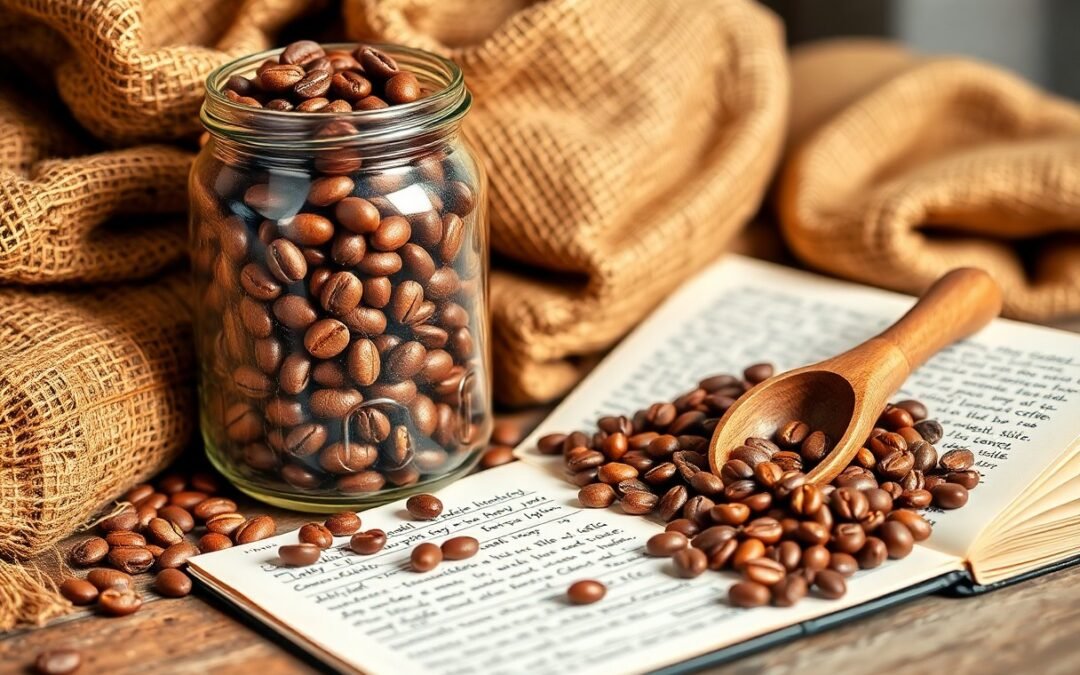
The Art of Preserving Coffee’s Essence
Understanding the Elements that Deteriorate Freshness
Light, heat, moisture, and air are the primary adversaries of your coffee beans. Exposure to light can degrade the delicate oils responsible for flavor and aroma. Store your beans in an opaque container to shield them from sunlight, ideally in a cool, stable environment. Heat accelerates the degradation process, so prioritize placing your coffee away from your oven or any heat-emitting appliances. Moisture not only accelerates oxidation but can also lead to mold; hence, airtight containers are imperative. Lastly, air can quickly stale your beans, with CO2 buildup impacting freshness, reaffirming the need to minimize exposure.
Choosing the Right Container
Opt for airtight containers made from glass or ceramic to keep your coffee beans in pristine condition. Certain specialty coffee retailers offer dedicated coffee storage containers designed with a one-way valve to release CO2 while preventing air from entering. However, if you’re using standard jars, ensure they can be tightly sealed. Avoid plastic bags or clear containers, as they often allow light and air to compromise your beans’ integrity. It’s optimal to store only what you can consume within a month for the best flavor profile.
Optimal Storage Locations
Select a location that maintains a consistent temperature, ideally between 60°F and 75°F. A pantry or cupboard away from the kitchen’s heat zones is a strategic choice. If you live in a particularly humid environment, consider a dedicated coffee drawer or cabinet equipped with climate control or desiccants to absorb excess moisture. By creating an environment that mirrors your favorite coffee shop’s conditions, you significantly enhance your chances of preserving those sought-after aromas and flavors.
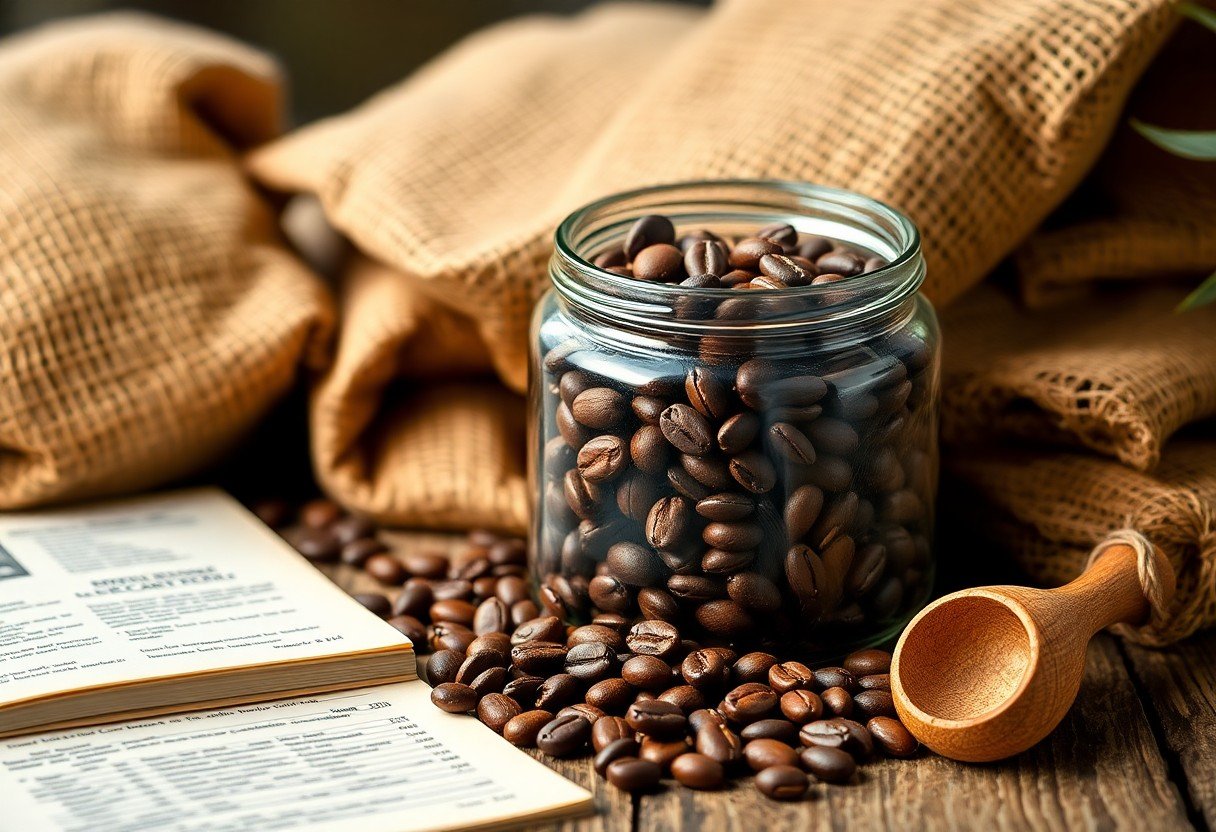
The Enemies of Freshness: What to Avoid
Storing coffee beans effectively is just as much about recognizing what to avoid as it is about choosing the right containers. Several factors can seriously compromise the freshness and flavor of your coffee, so being aware of these enemies is your first line of defense against stale beans.
Light and Its Detrimental Effects
Direct light, especially sunlight, can lead to unwanted chemical reactions in your coffee beans, effectively degrading their complex flavors and aromas. Keeping your beans in a dark place or in opaque containers will shield them from light’s damaging effects, allowing them to maintain their essence for longer periods.
The Impact of Air and Oxygen Exposure
Oxygen is one of the primary culprits in the deterioration of coffee’s flavor and aroma. As beans interact with air, they can become stale rapidly—oftentimes within a week of being opened. Finding ways to limit air exposure is crucial for preserving freshness over time. Consider vacuum-sealing your coffee or utilizing containers designed to minimize oxygen entry, such as those with one-way valves that allow gases from beans to escape without letting air in. By cutting down on oxygen exposure, you’ll ensure that your coffee maintains its rich, vibrant flavor for as long as possible.
Container Conundrums: Choosing the Right Storage Solution
Selecting the right container is imperative for preserving the rich flavors of your coffee beans. Options like ceramic, glass, or even specialized coffee canisters each have their advantages. Glass containers allow you to visually monitor your beans, while ceramic offers an attractive, non-reactive space that protects against light exposure. Avoid plastic containers since they can retain odors and potentially impart unwanted flavors to your precious beans.
Ideal Materials for Coffee Containers
Ceramic and glass are the preferred materials for coffee storage due to their non-porous nature and resistance to odors. Both materials shield your beans from light, which helps prevent degradation of flavor. Additionally, whether you choose glass or ceramic, ensure that it’s designed for food storage to avoid contamination. The right container keeps your beans fresh while complementing your kitchen aesthetic.
The Importance of Airtight Seals
Airtight seals are vital in preserving coffee’s distinctive taste and aroma. When coffee is exposed to air, it can quickly lose its characteristic flavors due to oxidation. An airtight container prevents this process, extending the life of your coffee by weeks and even months. Look for containers with silicone gaskets or clamp-down lids that create a firm seal; these features can significantly enhance freshness, allowing you to enjoy that perfect cup every time. Invest in quality storage solutions that feature airtight mechanisms to ensure your beans remain as aromatic as the day they were roasted.
Optimal Conditions: Perfecting Your Storage Environment
Creating the right environment for your coffee beans is imperative for preserving their exquisite aromas and flavors. Exposure to light, heat, air, and moisture can quickly degrade the quality of your beans. By controlling these factors within your storage area, you’ll ensure that each cup of coffee remains as fresh and vibrant as possible, allowing you to enjoy the full spectrum of flavors that your coffee has to offer.
Temperature Control Secrets
Maintaining an optimal temperature helps to safeguard your coffee beans from flavor loss. Aim for a consistent range of 60°F to 75°F. Sudden temperature fluctuations can lead to condensation, which negatively impacts the beans. Here’s a quick summary:
| Temperature Guidelines | Effects |
|---|---|
| Under 60°F | Slower flavor development; beans may not reach full potential |
| 60°F to 75°F | Ideal range for flavor preservation |
| Above 75°F | Risk of flavor deterioration and spoilage |
Humidity’s Role in Preservation
Humidity levels play a significant role in maintaining your coffee beans’ integrity. High humidity can lead to mold growth, while excessively dry conditions can cause beans to lose imperative oils, resulting in a lackluster flavor. Ideally, maintain humidity levels between 30% and 50%. Use airtight containers to minimize exposure to moisture and prevent undesirable effects. Regularly monitor the storage environment to ensure it remains stable.
Excessive moisture can lead to significant changes in your coffee beans. Mold thrives in damp conditions, which not only ruins the taste but can also pose health risks. On the opposite end, overly dry conditions cause coffee beans to become stale quickly, making them less aromatic and flavorful. To counteract humidity issues, consider incorporating silica gel packets in your storage containers to help control moisture levels effectively. This attention to detail in humidity management results in fresher tasting coffee and a more enjoyable brewing experience.
When and How to Store: Timelines and Techniques
Timelines and techniques for storing your coffee beans can significantly affect their taste and aroma. Ideally, it’s best to store beans as soon as they cool post-roasting, ideally within one week to retain their freshness. Keep them sealed in an airtight container and stored in a cool, dark place, ensuring you refill your daily supply from this main storage to reduce exposure to air. Avoid buying beans that exceed a month past their roast date, and make sure to enjoy within a few weeks of opening to avoid losing their delightful profile.
The Journey from Roasting to Brewing
From the moment coffee beans are roasted, a countdown to peak flavor begins. Within days, the beans start to de-gas and develop the aromatic oils that contribute to their unique taste. The ideal brewing window usually falls between a week to three weeks after roasting; during this, the flavor is at its most vibrant. As time passes, volatile aromas dissipate, leading to a duller cup and less vibrancy in flavor.
Best Practices for Long-Term Storage
For long-term storage, keep your coffee in a vacuum-sealed bag or specialized coffee canister designed to protect against light and air. Opt for whole beans instead of ground coffee, as they retain flavor longer. If you must grind, do so just before brewing to maintain optimal freshness. Freeze beans in small, airtight portions if you don’t plan on using them within two weeks, as this method can help preserve their flavors for months, while allowing you to thaw only what you need.
Implementing best practices for long-term storage involves maintaining optimal temperatures and minimizing exposure to external factors. Freezing beans helps retain their freshness but ensure to let them come to room temperature before opening the container, as condensation can affect their quality. Aim to divide your coffee beans into smaller portions, which not only makes it easier to manage but also protects the remaining beans from the repeated exposure to air every time you open a larger bag. With proper care, you can savor the rich, aromatic experience of your favorite brews for longer.
The Ritual of the Bean: How to Open and Decant with Care
Opening your coffee bag is more than a simple act; it’s a mindful ritual that sets the tone for your brewing experience. As you peel back the seal, take a moment to inhale deeply, allowing the aroma to waft into the air, a prelude to the vibrant flavors waiting to be enjoyed. Decanting should be done with intention—utilize a clean, dry container that shields your beans from light and moisture. For further guidance on optimal storage techniques, explore this article on How to Store Your Coffee Beans for Maximum Freshness.
Techniques for Minimal Aroma Loss
To minimize aroma loss when handling your coffee, work swiftly and decisively. Each time you open your storage container, try to limit exposure time. Opting for a vacuum-sealed jar can greatly reduce air interaction, further preserving those rich, elusive scents. Consider using a special scooping tool that minimizes contact, like a coffee scoop with a closed bottom that can prevent air from flowing in.
Proper Measurement and Handling Methods
Applying precise measurement techniques is central to maintaining your beans’ integrity. Utilize a scale for accurate dosages, ideally weighing out each portion before grinding. This minimizes the risk of unnecessary exposure to air and ensures consistency in flavor. Handling your beans gently is just as vital; avoid crushing the delicate beans as you scoop. Use soft, wide movements instead of pressing down hard, safeguarding their integrity for each brew.
Emphasizing accurate measurements not only guarantees you enjoy the same bold flavor each time but also fosters a deeper connection to your craft. Weighing out your beans can enhance your brewing technique, enabling you to fine-tune your coffee to perfection. By sticking to specific measurements (typically around 1-2 tablespoons of coffee per 6 ounces of water), you can enjoy a cup that consistently reflects your personal preferences while preserving the nuanced flavors locked within each bean.
Summing up
Presently, to maintain the ethereal aromas of your coffee beans, you should store them in an airtight container, away from light, heat, and moisture. Opt for a cool, dark place and avoid the refrigerator, as humidity can compromise freshness. By following these guidelines, you can ensure that your coffee beans remain aromatic and flavorful, providing you with a delightful coffee experience every time. Proper storage is necessary for preserving the unique qualities of your beans and enhancing your daily brew.
Q: What is the best storage medium for coffee beans to keep them fresh?
A: The best way to store coffee beans is in an airtight container. Glass, ceramic, or opaque plastic containers with a tight-sealing lid work well to block out air, moisture, and light, all of which can deteriorate the flavor of the beans. It’s important to avoid clear containers that allow light to penetrate, as light can lead to oxidation. For the best results, also consider using a vacuum-sealed container, as it removes air and further safeguards the integrity of the beans.
Q: Where should I store coffee beans to preserve their aroma and flavor?
A: Coffee beans should be stored in a cool, dark place. Ideal locations include a pantry or a cupboard away from heat sources like ovens or stoves. Room temperature is typically sufficient, but keep them out of direct sunlight, as UV rays can lead to the degradation of important oils in the beans. Avoid storing coffee beans in the fridge or freezer, as fluctuating temperatures can introduce moisture and cause the beans to go stale.
Q: How long can I expect coffee beans to stay fresh when stored properly?
A: When stored properly in an airtight container in a cool, dark place, coffee beans can maintain their best quality for about 2 to 4 weeks after roasting. While they may still be safe to consume after this period, their flavor profile will start to diminish. To enjoy optimal freshness and aroma, it’s best to purchase coffee in smaller batches and consume it within this timeframe, ensuring you always have the best-tasting coffee at hand.