
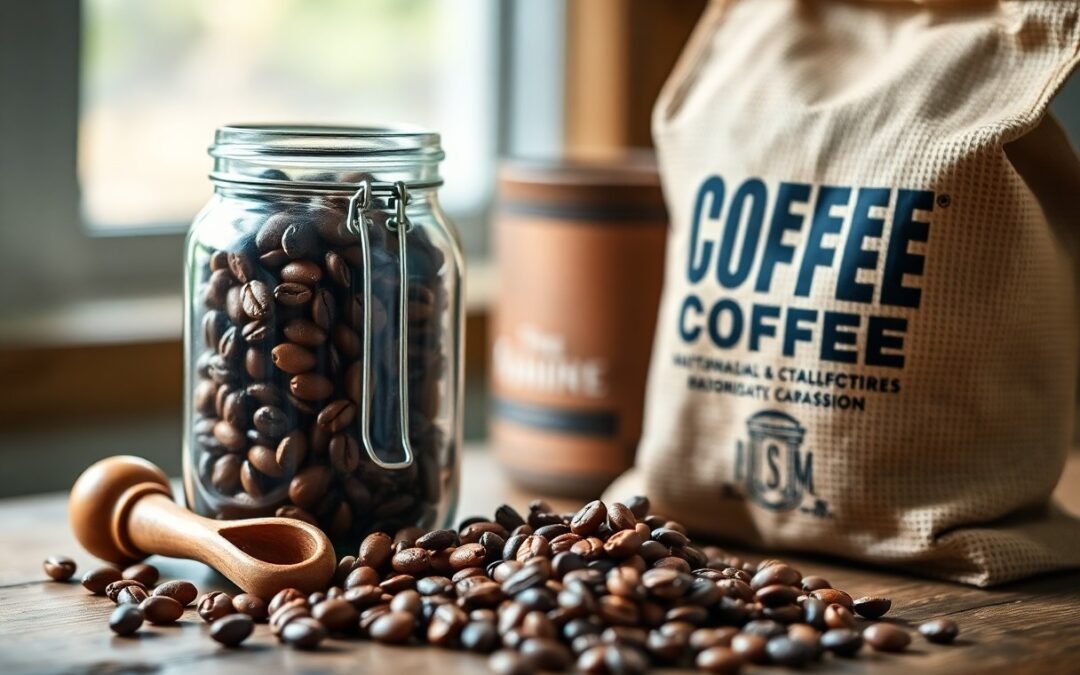
Many coffee enthusiasts find it challenging to maintain the freshness and flavor of their favorite beans. Proper storage is imperative to ensure that your coffee retains its delicious taste and aroma. In this guide, you’ll discover effective tips for storing coffee beans that will help you enjoy a rich, flavorful brew every time. From selecting the right containers to understanding ideal storage conditions, you’ll learn how to keep your coffee as fresh as possible for that perfect cup.
The Elephant in the Room: Why Freshness Matters
Freshness plays a pivotal role in the quality of your coffee. The moment coffee beans are roasted, they begin to release carbon dioxide, which affects their flavor profile. Ideally, you want to consume your beans shortly after roasting, as this is when they are at their peak flavor potential. Over time, exposure to air, light, and moisture will lead to staleness, dulling the flavors and aromas that make your brew truly special. Understanding how freshness impacts your coffee experience can elevate your daily ritual from mundane to extraordinary.
The Impact of Time on Flavor
As coffee ages, its flavor intricacies fade. Within a week post-roasting, beans exhibit rich, vibrant notes, but those qualities diminish rapidly after reaching the two-week mark. A mere month can result in flat, lifeless brews, robbing you of the delightful complexities found in freshly roasted coffee. Recognizing these timeframes allows you to maximize your coffee enjoyment and ultimately choose beans that suit your taste for the full spectrum of flavors.
Understanding Coffee Degassing
Upon roasting, coffee beans physically change as they release carbon dioxide, a process known as degassing. This occurs most vigorously just after roasting, and while this gas eventually dissipates, it plays a significant role in how you savor your coffee. If you brew coffee too soon after roasting, the degassing process can lead to a sour flavor. Thus, allowing a resting period of several days can help bring out the full depth of flavor, resulting in a well-rounded cup that showcases your beans’ unique characteristics.
For optimal flavor, consider waiting at least 3-7 days post-roasting before brewing your coffee. This period allows enough time for the gas to escape while still keeping the beans fresh. Freshly roasted coffee often benefits from a short resting period, which allows the flavors to settle and mature. The nuances of the coffee—think floral tones or chocolatey undertones—become clearer after the initial degassing phase subsides. Always check the roast date, and aim to brew within one to two weeks for the freshest experience.
The Goldilocks Principle: Ideal Storage Conditions
Finding the perfect balance in your coffee bean storage is imperative for maintaining optimal flavor and freshness. Factors like temperature, humidity, and light exposure play a pivotal role in creating an environment where your coffee beans can thrive. By paying close attention to these conditions, you can ensure your beans stay delicious and aromatic, providing you with the perfect cup every time.
Temperature Control: Hot vs. Cold
| Hot Temperatures | Can cause oil in beans to rise to the surface, resulting in staleness and off-flavors. |
| Cold Temperatures | Can lead to condensation when containers are opened, introducing moisture and promoting mold growth. |
Humidity Levels and Their Effects
Humidity plays a significant role in the preservation of coffee beans. An environment that is too humid can lead to mold growth, while low humidity may cause beans to dry out and lose their imperative oils. Ideally, you want to keep your coffee beans in a humidity level of around 40-60%, which helps maintain their natural flavor compounds and protects them from spoilage. Storing beans in a cool, dry place away from extremes will help you enjoy fresh and flavorful coffee for longer.
Excess moisture can compromise the integrity of your coffee beans, causing them to clump together and lose their aromatic properties. Conversely, overly dry conditions will deplete your beans of their oils, which are vital for a rich brewing experience. Aim for a stable humidity environment by using airtight containers, and perhaps even consider humidity monitors for more precise control. Your coffee’s flavor profile largely depends on these factors, making them key to your perfect brew.
The Best Containers: Choosing Wisely
Your choice of container can significantly influence the freshness of your coffee beans. Opt for options that limit exposure to light, air, moisture, and heat. Containers should ideally be opaque and sturdy, such as canisters with sealed lids or dedicated coffee storage solutions. With various materials and features available, understanding your options can lead to brewing a more flavorful cup every time.
Material Matters: Glass, Plastic, or Metal?
Glass, plastic, and metal each offer unique benefits for coffee storage. Glass containers are non-reactive and allow you to see the beans, while heavy-duty plastic options are lightweight and convenient. Metal containers can be a great choice if they are lined to prevent reactions that can alter taste. The best option ultimately depends on your personal preferences and usage habits.
Sealing Techniques: Airtight vs. Not
Airtight containers are designed to keep air out, extending the life of your coffee beans significantly. Other types of containers may allow air in, which can lead to staleness and flavor degradation over time. For instance, a flipped lid can seal out air effectively, while a screw-top lid can create a tighter seal than a standard pop-top. Investing in an airtight system typically entails a vacuum-sealed option or a specialized coffee canister, drastically improving the storage quality of your beans.
Common Habits That Ruin Coffee Quality
Even the best coffee beans can lose their flavor with careless storage habits. Familiarizing yourself with common practices that degrade coffee quality is imperative for preserving that perfect brew you love. From heat exposure to unnecessary openings, small adjustments can drastically improve your coffee experience. Here are some missteps to avoid in your coffee storage routine.
Storing Near Heat Sources
Heat can be one of your coffee’s worst enemies. Placing your coffee beans near stoves, ovens, or direct sunlight accelerates the degradation process, negatively affecting freshness and taste. Ideally, you should find a dark, cool place away from fluctuating temperatures to ensure your coffee beans stay flavorful for longer.
The Dangers of Frequent Opening
Opening your coffee bag or container too often can introduce moisture and air, which quickly spoil the beans. Each time you expose them to the open air, oxidation occurs, leading to staleness. Aim to minimize openings by only taking out what you need for a week or so, sealing the container tightly afterward to keep the remaining beans safe.
Frequent exposure to air not only diminishes beans’ natural oils but also allows for the absorption of odors from your kitchen environment. Over time, this can lead to off-flavors that ruin an otherwise exceptional cup of coffee. Consider portioning your beans into smaller bags if convenience leads you to open the container frequently. This way, you can keep a larger quantity sealed while accessing just what you need at a time. A little discipline in storage can make a world of difference in your daily brew.
Rethinking Your Coffee Buying Strategy
Your coffee purchasing habits profoundly affect the quality and flavor of your brew. By being strategic about where and how you buy coffee, you can ensure a fresher and tastier cup. Prioritize purchasing smaller quantities more frequently to reduce the chances of beans going stale. Additionally, seek out blends or single-origin coffees that align with your taste preferences, which can lead to a more enjoyable experience every time you brew.
Buy Whole Beans vs. Pre-ground
Whole beans significantly outperform pre-ground coffee in freshness and flavor retention. The important oils and compounds responsible for coffee’s bold flavors begin to degrade immediately after grinding. By investing in a good grinder and buying whole beans, you can enjoy a fresher taste as you grind only what you need just before brewing.
Supporting Local Roasters for Freshness
Choosing to buy your coffee from local roasters can make a remarkable difference in flavor and freshness. Many local roasters emphasize small-batch roasting, ensuring that their beans are traded, roasted, and sent to you swiftly, often within days of roasting. This direct relationship not only supports the local economy but also cultivates a tight-knit coffee community.
When you support local roasters, you gain access to unique blends and seasonal offerings that may not be available in larger, commercial retailers. Many roasters take pride in sourcing their beans sustainably and ethically, which can enhance your overall coffee experience. A quick visit to a local café or roastery can often reveal cupping events or tastings, giving you the chance to explore flavors that cater to your palate and deepen your appreciation for the art of coffee. By aligning with local businesses, not only do you enjoy fresher coffee, but you also foster community connections and sustainability in your coffee consumption.
To wrap up
Conclusively, by following these storage tips for your coffee beans, you can significantly enhance the freshness and flavor of your brews. Ensure you keep your beans in an airtight container in a cool, dark place, away from moisture and strong odors. Keeping your coffee away from light and heat will protect its natural oils and aroma. Finally, only grind the beans you intend to use shortly before brewing to retain their peak flavor. With these practices, you can enjoy a delightful cup of coffee every time.
Q: What is the best container to use for storing coffee beans?
A: To keep your coffee beans fresh and flavorful, it’s important to use an airtight container. Glass jars with a rubber seal, ceramic canisters, or stainless steel containers are great options. Make sure the container is opaque to block out light, which can degrade the coffee’s quality. Avoid using plastic bags or containers, as they can allow air and moisture in, leading to staleness.
Q: How should I store my coffee beans to maintain their freshness?
A: To maintain the freshness of your coffee beans, store them in a cool, dark place, away from heat sources and direct sunlight. The pantry is usually a good choice. Additionally, avoid storing coffee in the refrigerator or freezer, as moisture can form when taking beans in and out, negatively affecting their flavor. It’s best to keep them at room temperature in your chosen airtight container.
Q: How long can I store coffee beans before they lose their flavor?
A: Coffee beans are best enjoyed within 2 to 4 weeks of roasting. When stored properly in an airtight container away from heat, light, and moisture, they can maintain their flavor for a few months. However, for optimal taste, it’s advisable to consume them as soon as possible after opening the bag or transferring them to a container. Always check for any off-smells or a loss of aroma, as these can indicate that the beans have gone stale.